Key points: A federal advisory committee led by Kirk Milhoan and convened by Health Secretary Robert F. Kennedy Jr. may vote this week on whether to remove the routine hepatitis B dose given to newborns within 24 hours of birth. The panel is also reviewing whether the childhood vaccine schedule contributes to increases in asthma, eczema and autoimmune conditions and is considering delaying the first hepatitis B shot. Public-health experts warn such changes could reverse major gains: a 2023 study credited infant immunization with a 99% decline in acute hepatitis B among young people from 1990–2019. Any committee recommendation would be advisory and subject to CDC review and further public scrutiny.
Federal Panel May Move to Drop Newborn Hepatitis B Shot — Vote Expected This Week

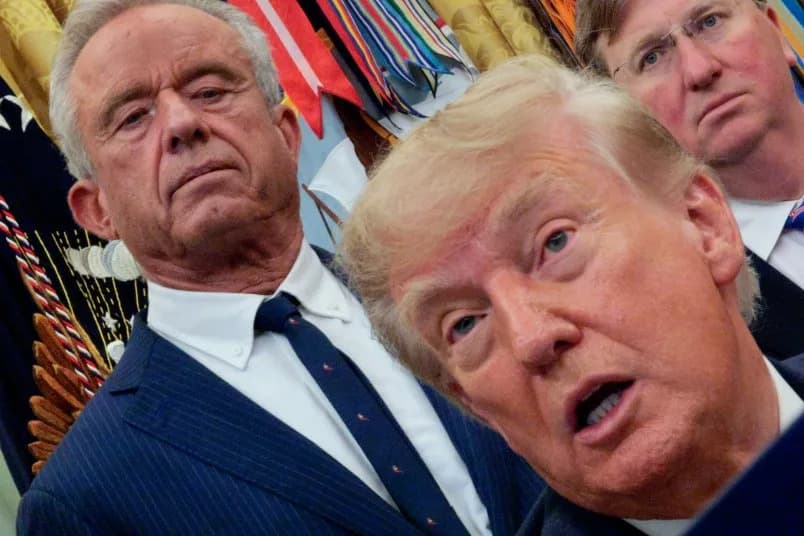
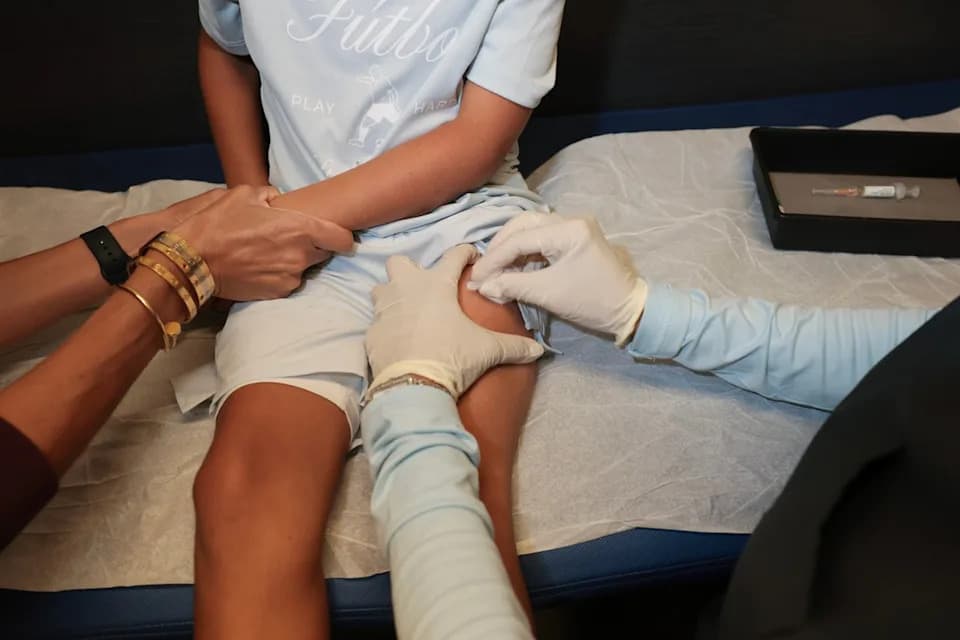
A federal advisory committee convened by Health Secretary Robert F. Kennedy Jr. may vote this week on a major change to the childhood immunization program: whether to recommend removing the routine hepatitis B dose given to newborns within 24 hours of birth. Kirk Milhoan, the panel's newly appointed chair, told the Washington Post the group could decide as early as Thursday during a two-day meeting.
The committee is also examining whether the overall childhood vaccine schedule could be linked to rising rates of asthma, eczema and other autoimmune conditions. Members are reportedly weighing a proposal to delay the first hepatitis B dose by an interval that is still being finalized; a planned vote on the measure was postponed at the panel's September meeting over internal disagreement.
Kirk Milhoan, chair of the advisory panel: 'We’re looking at what may be causing some of the long-term changes we’re seeing in population data in children, specifically things such as asthma and eczema and other autoimmune diseases. What we’re trying to do is figure out if there are factors within vaccines.'
The panel was populated with advisers who share skepticism about some long-standing public-health vaccination practices. In recent months the Centers for Disease Control and Prevention, under direction from the health secretary, revised portions of its website in ways critics say distance the agency from decades of research showing no causal link between vaccines and autism.
At the committee's September session discussions were often tense. The panel adopted several changes to its guidance, including recommending patients consult a physician before receiving a Covid-19 vaccine and proposing a delay to the combined measles, mumps, rubella and varicella (MMRV) shot schedule for children.
Public-health experts warn that altering the hepatitis B schedule could have serious consequences. A 2023 study published in the official journal of the US surgeon general attributed a 99% decline in reported acute hepatitis B cases among children, adolescents and young adults between 1990 and 2019 to infant immunization. The CDC and the American Academy of Pediatrics first recommended universal newborn hepatitis B vaccination in 1991; before then the vaccine was advised only for infants at elevated risk.
The advisory committee can only issue recommendations to CDC leadership; any changes would be reviewed by the agency's acting director, Jim O'Neill. The previous CDC director, Susan Monarez, was removed from her position in August amid White House statements that she was 'not aligned' with the administration's agenda.
The panel has signaled interest in studying 'cumulative health effects' from the full childhood vaccine schedule and in investigating specific components such as aluminum salts, an adjuvant used to boost immune response. The National Institutes of Health acknowledges some potential negative effects of aluminum exposure but maintains that, in vaccines, the benefits outweigh the risks.
Critics say the committee's direction and some public statements by the health secretary risk undermining long-standing scientific consensus and public trust in vaccines. Public-health officials cite recent examples of serious, preventable illness: three infants who died of whooping cough in Kentucky were reportedly unvaccinated, and at least two unvaccinated children in Texas died from measles.
Opponents also highlight continued promotion of discredited theories linking vaccines to autism and unproven claims about prenatal acetaminophen (Tylenol) use and autism risk. The debate over the committee's recommendations underscores a broader clash over how to balance vaccine safety review and the proven public-health benefits of childhood immunization programs.
What happens next: If the advisory committee votes to recommend changing the newborn hepatitis B requirement, the recommendation would go to CDC leadership for consideration. Any policy change would follow additional review and public comment before being reflected in official immunization schedules.
Help us improve.