Saudi Arabia has transferred £68m to the Palestinian Authority to prevent a financial collapse after Israel stopped remitting taxes it collects on the PA's behalf. The suspension, ordered by Finance Minister Bezalel Smotrich, follows disputes over payments to families of attackers and recent international recognition of Palestinian statehood. The Saudi funds, handed over in Amman, should keep essential services running for weeks, but uncertainty persists as Israel controls major aspects of West Bank security and banking ties remain under threat. Rising settler violence and recent IDF raids add to the humanitarian and political strain.
Saudi Arabia Transfers £68m to Avert Palestinian Authority Financial Collapse

Saudi Arabia has provided £68 million to the Palestinian Authority (PA) to prevent an imminent financial collapse after Israel halted monthly tax transfers it collects on the PA’s behalf.
Under the Oslo Accords, much of the Palestinian economy operates in Israeli shekels and Israel collects certain tax revenues for the PA. Since May, Israel’s finance minister, Bezalel Smotrich, has refused to sign off on these monthly remittances, a step widely seen as retaliation for some Western states' recent recognition of Palestinian statehood. That policy followed an earlier Israeli decision to withhold parts of the transfers in response to PA payments to families of attackers — a practice Israel describes as "pay to slay." The PA says those payments have stopped; Israel disputes that claim.
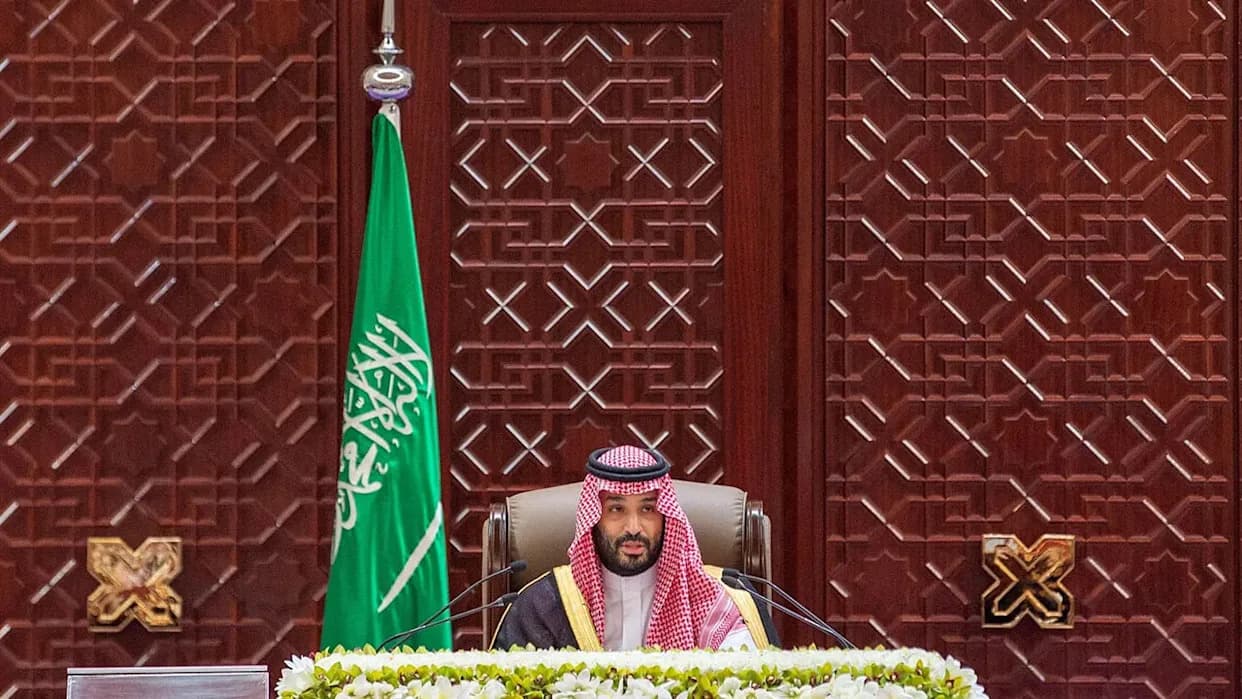
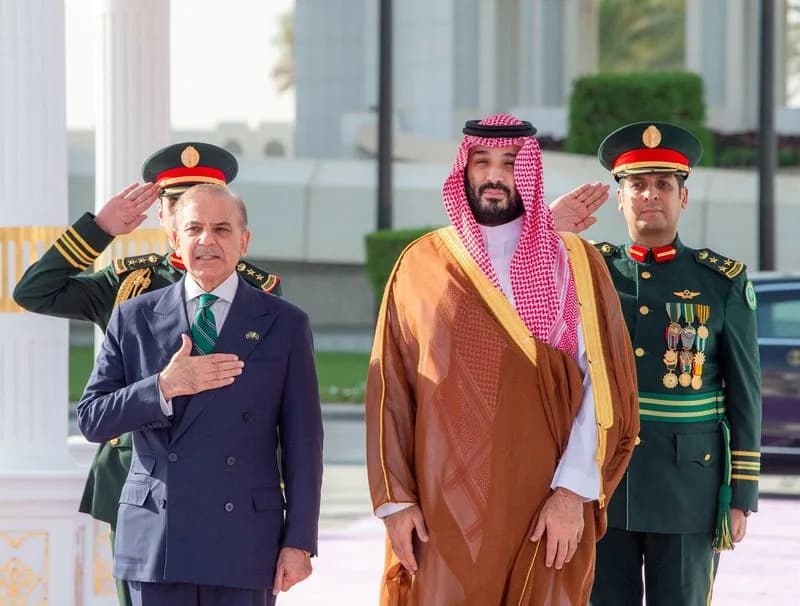
The Saudi grant, intended to keep essential public services functioning for several weeks, was formally handed over at Saudi Arabia’s embassy in Amman, Jordan. Saudi officials have tied any move to recognise Israel diplomatically or expand commercial ties to a credible pathway toward Palestinian statehood. Riyadh also broadly supports international proposals to stabilise Gaza and the wider conflict.
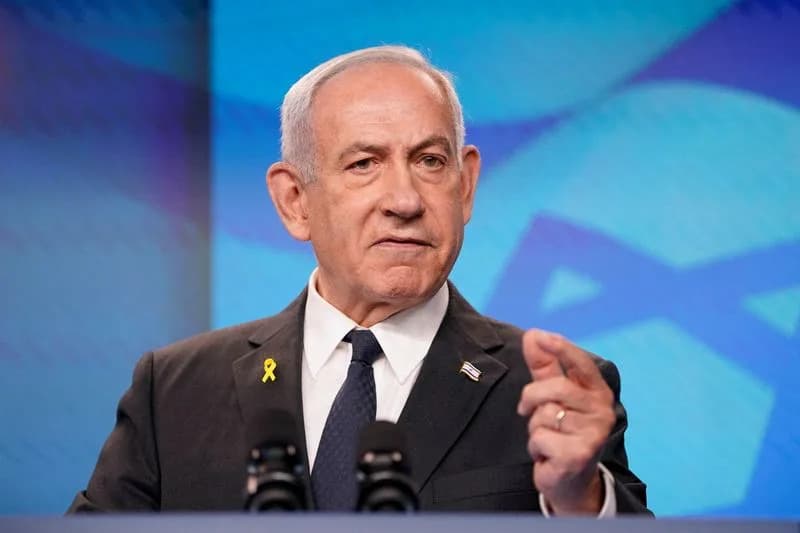
Political tensions remain high. Israel, under Prime Minister Benjamin Netanyahu, continues to oppose an independent Palestinian state, and cooperation between the United States and Saudi Arabia has increased in recent months — including a controversial defence arrangement that involves potential sales of advanced fighter jets to Saudi Arabia, a development that has alarmed some Israeli security officials.
Smotrich, who comes from the West Bank settler community, has publicly said he has "no interest" in the PA’s survival. Beyond withholding tax transfers, he has threatened to undermine the Palestinian banking sector by refusing to renew an indemnity waiver that Israeli banks require to transact with Palestinian banks. After an earlier warning, he authorised a two-week extension of the waiver last weekend, but its continuation beyond mid-December remains uncertain.
In response to the funding gap, Saudi Arabia joined Norway, France and Spain in a fundraising effort to stabilise the PA’s finances. The PA retains administrative and security control in some urban areas, limited administrative control in other zones, while most rural areas remain under full Israeli military control.
On the ground, tensions have been rising. The Israeli Defence Forces (IDF) reported that two Palestinian assailants armed with knives were shot dead in separate West Bank incidents; both attacks wounded Israeli soldiers. The PA and local media also reported an IDF raid on the offices of the Palestinian agricultural workers’ committee, with images circulating that showed staff blindfolded and restrained. The IDF said it seized materials it described as "inciting" and confiscated equipment and funds it alleged were linked to terrorism, and that several people were detained.
Teachers and other public servants in the West Bank have gone months without full pay, and many families depend on timely transfers for basic services. The Saudi injection of funds is a temporary measure to keep salaries and essential services running while diplomatic and financial negotiations continue.
Outlook: The grant buys time but does not resolve the deeper political and economic standoff. Key issues — tax transfers, banking guarantees, payments to families, and the larger question of Palestinian statehood — remain unresolved and will determine whether the PA can regain fiscal stability.
Help us improve.