Pakistan and Saudi Arabia are reportedly negotiating to convert about $2 billion of Saudi loans into a JF-17 fighter jet purchase, potentially part of a wider $4 billion package with an additional $2 billion for equipment. Sources say the talks focus primarily on the JF-17, a China‑Pakistan light combat jet that Pakistan says has seen combat. The discussions follow a mutual defence pact signed in September and occur as Pakistan juggles deep financial strain and a $7 billion IMF programme.
Pakistan and Saudi Arabia in Talks to Convert $2 Billion of Loans Into JF-17 Fighter Jet Deal, Sources Say
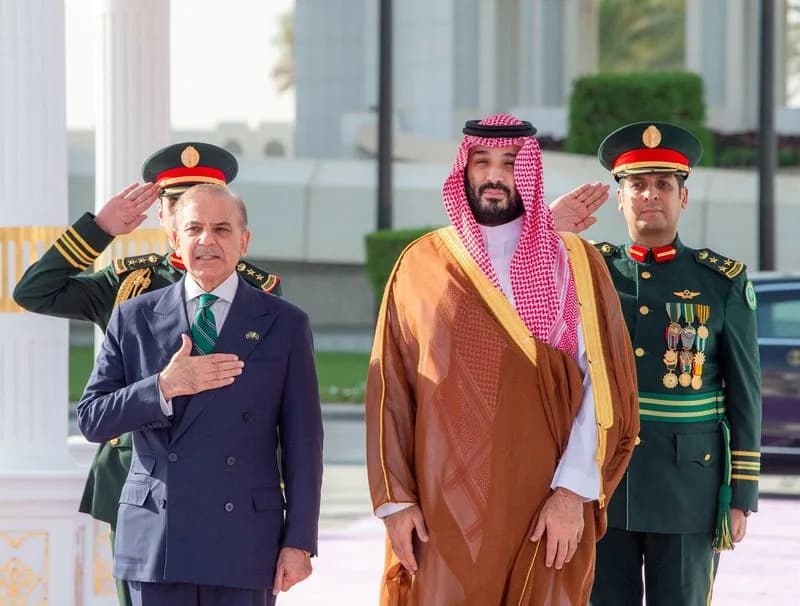
FILE PHOTO: Saudi Crown Prince Mohammed bin Salman and Pakistan Prime Minister Shehbaz Sharif meet in Riyadh, Saudi Arabia, September 17, 2025. Saudi Press Agency/Handout via REUTERS THIS IMAGE HAS BEEN SUPPLIED BY A THIRD PARTY./File Photo
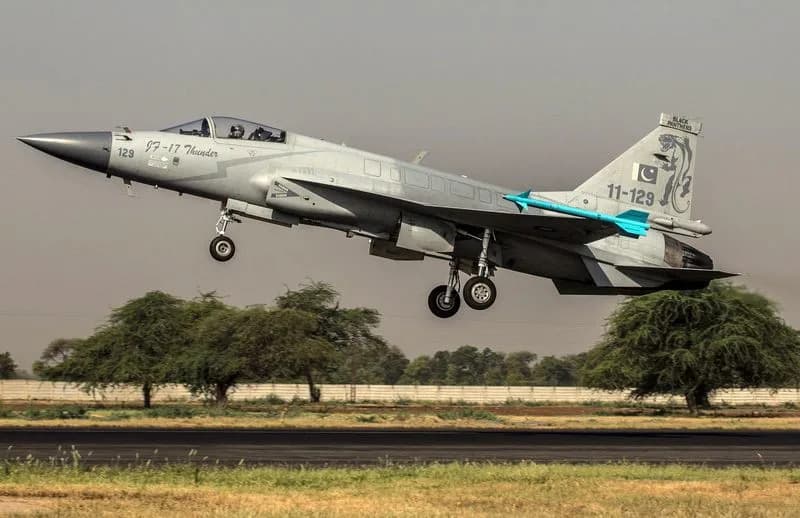
ISLAMABAD, Jan 7 (Reuters) - Pakistan and Saudi Arabia are negotiating a proposal to convert roughly $2 billion of Saudi loans into a purchase of JF-17 fighter jets, two Pakistani sources told Reuters, a move that would deepen military cooperation months after the two countries signed a mutual defence pact.
The discussions come as Pakistan faces severe financial strain while Saudi Arabia reshapes its security partnerships amid uncertainty over long-term U.S. commitments in the Middle East. Sources said the talks focus on the JF-17 Thunder — a light combat jet co-developed by Pakistan and China and produced in Pakistan — and that the JF-17 option is the primary choice among several being considered.
Deal Terms And Scope
One source said the overall package could be valued at about $4 billion, with an additional $2 billion planned for equipment beyond the loan conversion. Both sources, described as close to military leadership, spoke on condition of anonymity because they were not authorized to discuss the negotiations publicly.
Pakistan's Air Chief, Zaheer Ahmed Baber Sidhu, visited Saudi Arabia for bilateral talks that included discussions on "military cooperation between the two sides," according to a post by the Saudi outlet SaudiNews50 on social media.
JF-17: Market Appeal
Retired Air Marshal and analyst Aamir Masood said Pakistan has been in talks or reached arrangements with several countries for equipment packages that include JF-17s, avionics and weapons systems. He told Reuters the JF-17's attractiveness is boosted by its combat record and relatively low cost, and noted Pakistan said the aircraft were used during last May's heavy exchanges with India.
"It is tested and has been used in combat," Masood said, adding that cost-effectiveness has helped its export appeal.
Strategic Context
The talks follow a mutual defence pact, signed in September, under which each side agreed to consider aggression against one as an attack on both — a significant deepening of a long-standing security relationship. Pakistan has provided military training and advisory support to Saudi Arabia for decades, while Riyadh has frequently offered financial assistance during Pakistan's economic crises.
In 2018, Saudi Arabia announced a $6 billion support package for Pakistan — including a $3 billion central bank deposit and $3 billion in deferred oil supplies — and has rolled over deposits several times since, notably a $1.2 billion deferment last year that helped stabilise Pakistan's foreign exchange reserves.
Arms-Export Drive
Pakistan has stepped up efforts to expand defence exports and monetise its domestic defence industry. Officials said Islamabad last month reached a weapons deal exceeding $4 billion with forces in eastern Libya that reportedly includes JF-17 fighters and training aircraft. Pakistan has also held talks with Bangladesh on potential JF-17 sales as it widens its market beyond South Asia and the Middle East.
Defence Minister Khawaja Asif told Geo News that strong demand for Pakistani aircraft could transform the country's economic outlook: "Our aircraft have been tested, and we are receiving so many orders that Pakistan may not need the International Monetary Fund in six months."
Pakistan is currently under a $7 billion IMF programme — its 24th — which followed a short-term $3 billion arrangement that helped avert a sovereign default in 2023. That short-term deal was secured in part after Saudi Arabia and other Gulf partners rolled over deposits and provided financial assistance.
Reporting by Ariba Shahid in Karachi and Saad Sayeed in Islamabad; Editing by Aidan Lewis.
Help us improve.