The article explains how proposed Trump-era policies — deep Medicaid cuts and the possible end of ACA tax-credit subsidies — could increase the uninsured to about 31 million and cut federal Medicaid spending by roughly $911 billion over a decade. Medicare Part B premiums are rising, ACA enrollees could face average premium increases of about 114% if subsidies lapse, and rural hospitals and emergency departments would experience increased strain. The piece argues that proposed alternatives, like a $2,000 per-person tariff-funded payment, are impractical and unlikely to offset the harm.
Health Care Is Becoming Less Affordable: How Trump Policies Could Drive Millions Off Coverage

As 2025 draws to a close, widespread anxiety about rising health-care costs is reshaping Americans' expectations for the new year. An AP‑NORC poll finds 60 percent of respondents are “extremely” or “very” worried about health-care cost increases.
What’s at stake
Major proposed Medicaid reductions in the Trump administration’s One Big Beautiful Bill, together with Republican resistance to renewing Affordable Care Act (ACA) tax-credit subsidies, could push the number of uninsured Americans to roughly 31 million by 2027. Tens of millions more will experience steep increases in premiums and out-of-pocket bills across ACA plans, Medicaid, Medicare and private insurance.
Federal Medicaid spending — which covers about 72 million Americans, accounts for roughly 20 percent of U.S. health-care spending and finances roughly half of long-term care — is projected to fall by about $911 billion over the next decade. An estimated 7.5 million people in every state and congressional district could lose coverage. Policies such as work requirements and more frequent eligibility recertifications will most threaten low-wage workers who change jobs often, their children, and young adults who move frequently and may miss required paperwork.
Implementing and monitoring these new rules is costly. The Government Accountability Office reports that Georgia spent $54 million on administration this year — about twice what the state paid for direct patient care. Because Medicaid reimbursement rates are typically lower than Medicare, deeper cuts may prompt more clinicians and facilities to stop accepting Medicaid patients.
Rising costs for seniors and ACA enrollees
Medicare announced that the Standard Part B premium for 2026 will be $202.90 per month, a 9.7 percent increase; the annual Part B deductible will rise to $283. About 7 million Medicare beneficiaries already spend 10 percent or more of their annual income on Part B premiums, excluding dental and long-term care costs.
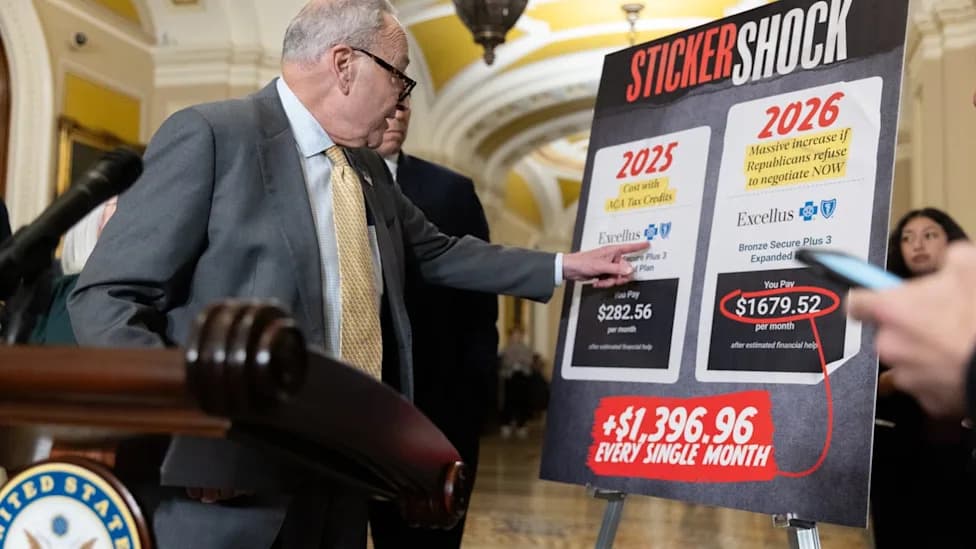
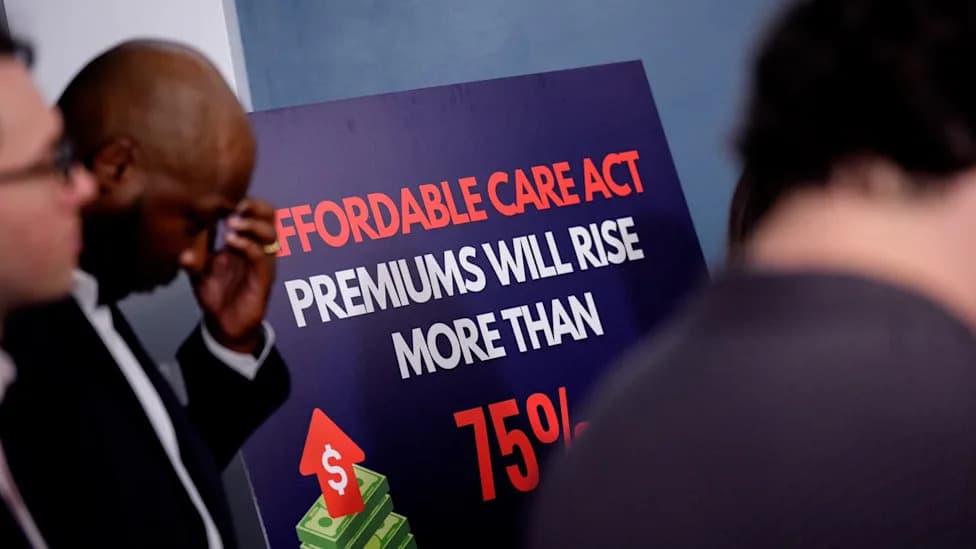
Since 2014 the ACA has enrolled more than 20 million Americans, roughly half of whom live at, below, or just above the federal poverty level. The law currently limits beneficiaries’ costs through income-based sliding-scale subsidies. If those subsidies expire in 2026, enrollees would face an average premium increase of about 114 percent. For example, an individual in a household earning $18,000 could see a monthly premium rise from $0 to $378, while someone in a $28,000 household could go from $325 to $1,562.
Analysts estimate roughly 3.8 million more Americans would become uninsured. Without insurance, emergency treatment averages about $5,800 and a three-day hospital stay about $30,000. As people leave the insurance pool, premiums for remaining ACA enrollees would likely rise faster over time.
Pressure on hospitals and rural communities
These policy shifts compound existing pressures on hospitals: depressed patient volumes, a physician shortage (exacerbated by stricter immigration policies), rising non-labor costs, and growing uncompensated care. Rural hospitals are especially vulnerable: one in four adults in rural areas is on Medicaid, and Medicaid covers roughly 47 percent of births, 65 percent of nursing-home residents, and 63 percent of hospital-based obstetrics in rural counties.
In 2023, 48 percent of rural hospitals operated below breakeven, and about 300 of them teeter near closure. At least 1.8 million people served by rural hospitals are likely to lose coverage by 2034. The $50 billion in Senate subsidies proposed to support the One Big Beautiful Bill, paid over 10 years, would not come close to offsetting these losses.
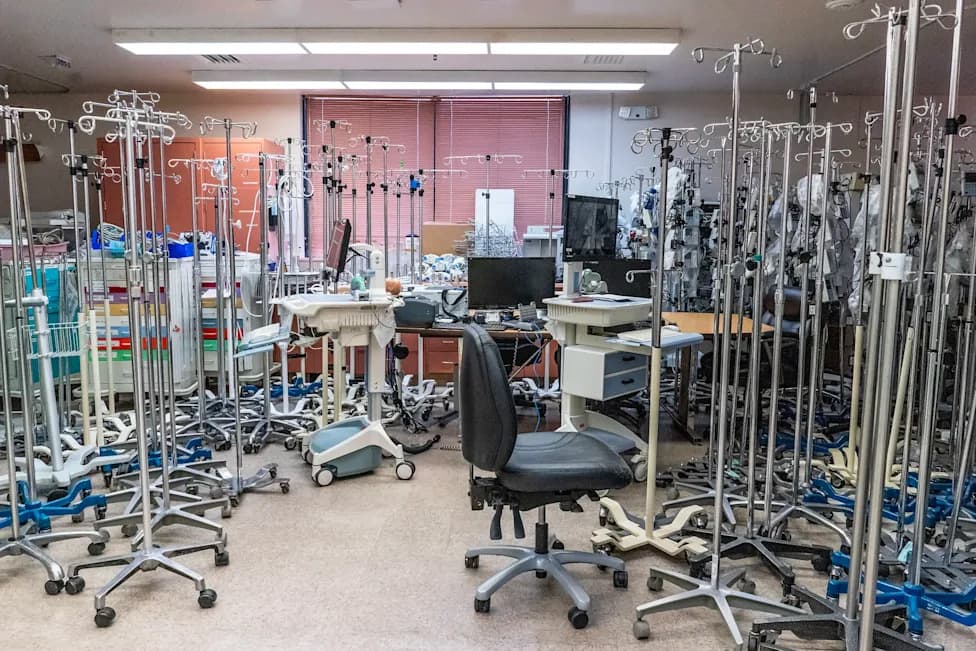
Emergency departments nationwide will feel the strain. The Emergency Medical Treatment and Labor Act (EMTALA) requires hospitals to treat all patients and absorb costs when patients cannot pay. Today, 25–35 percent of emergency patients requiring admission wait at least four hours for a bed; about 5 percent of admitted patients — roughly 2.3 million people — wait 24 hours or longer. Those delays are likely to worsen as the uninsured population grows.
Politics and proposals
For the past decade, Donald Trump has promised to repeal and replace “Obamacare.” He has not yet succeeded, even when Republicans controlled both houses of Congress, and the ACA has become broadly popular. Most Americans also oppose cuts to Medicaid funding. A recent AP‑NORC poll finds just 34 percent of Americans approve of President Trump’s handling of health care.
Earlier this month, Trump proposed sending every American — except high-income earners — $2,000 funded by tariff revenue so “they can purchase their own, much better, health care.” The idea faces huge logistical and political obstacles and would be unlikely to compensate for the loss of targeted subsidies and program coverage.
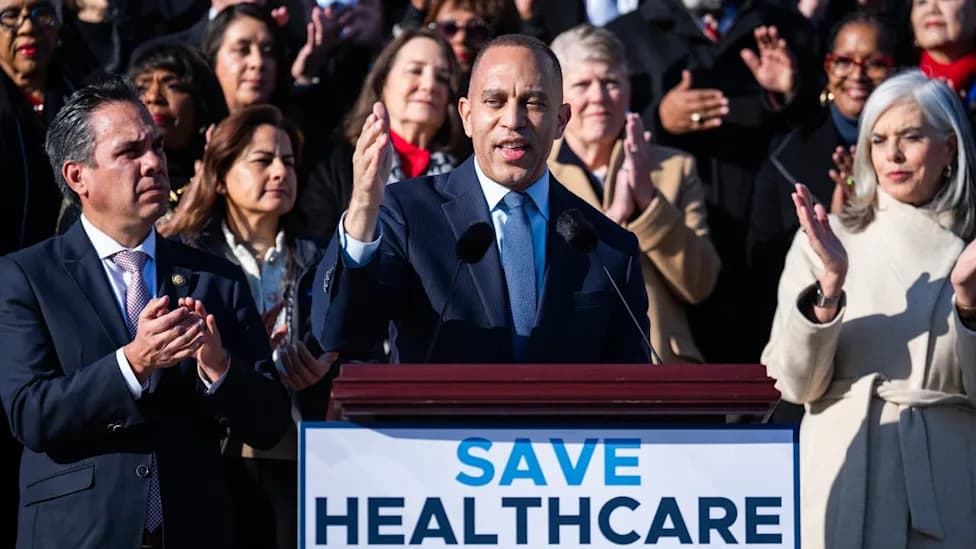
The proposed two-year extension of the ACA with tighter income caps and mandatory minimum premium payments drew sharp opposition from conservative Republicans, who called it “Obamacare‑Lite,” prompting the White House to postpone an announcement.
Glenn C. Altschuler is the Thomas and Dorothy Litwin Emeritus Professor of American Studies at Cornell University.
Help us improve.