The Trump administration outlined “The Great Healthcare Plan,” aiming to lower costs by cutting drug prices, boosting price transparency and redirecting some subsidies to individuals. The proposal reiterates past ideas — including direct federal payments and routing funds into HSAs — but offers few implementation details and would require congressional approval. Experts warn the changes could destabilize ACA marketplaces, especially given that sign-ups are running over 800,000 below last year’s pace. Lawmakers remain divided: the House passed a three-year extension of enhanced ACA credits while the Senate crafts its own bill and the White House signals a preference for direct payments.
Trump Unveils “The Great Healthcare Plan” to Cut Costs — Lacks Key Details and Needs Congress
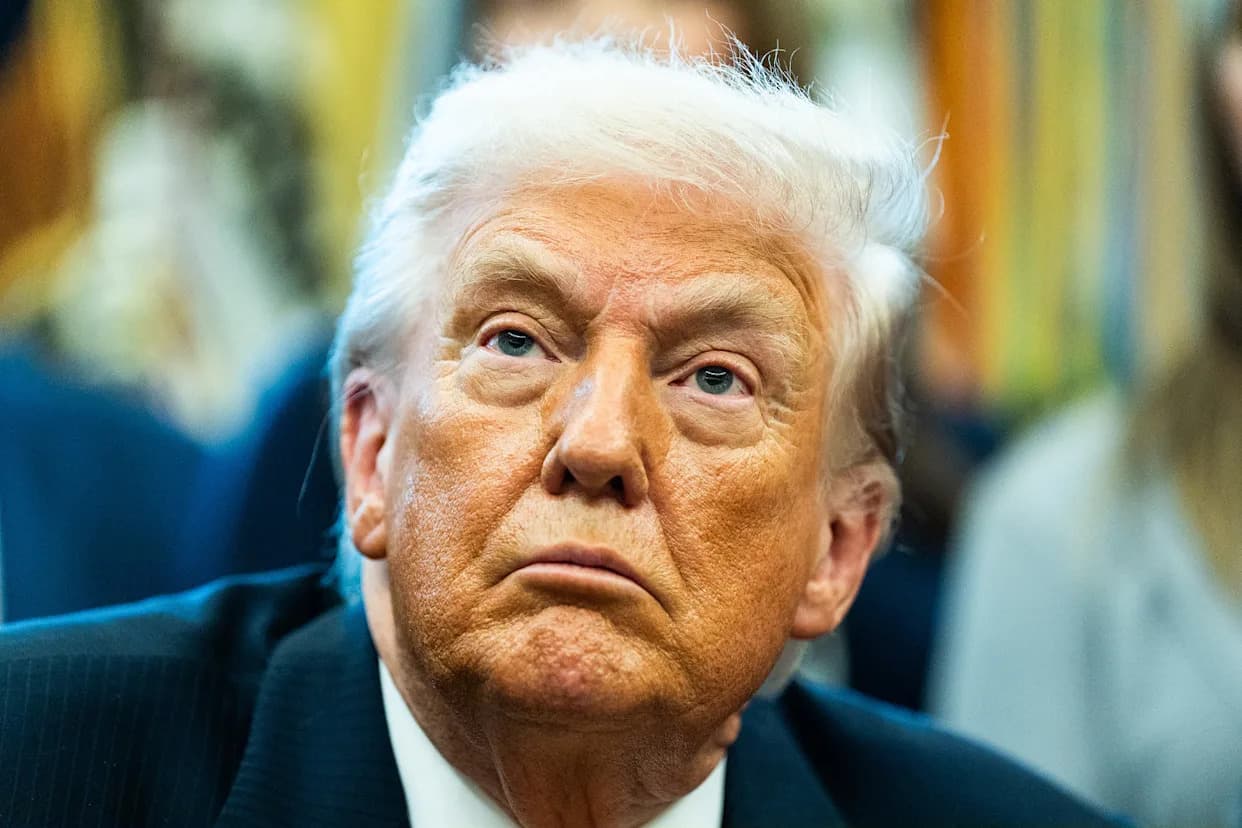
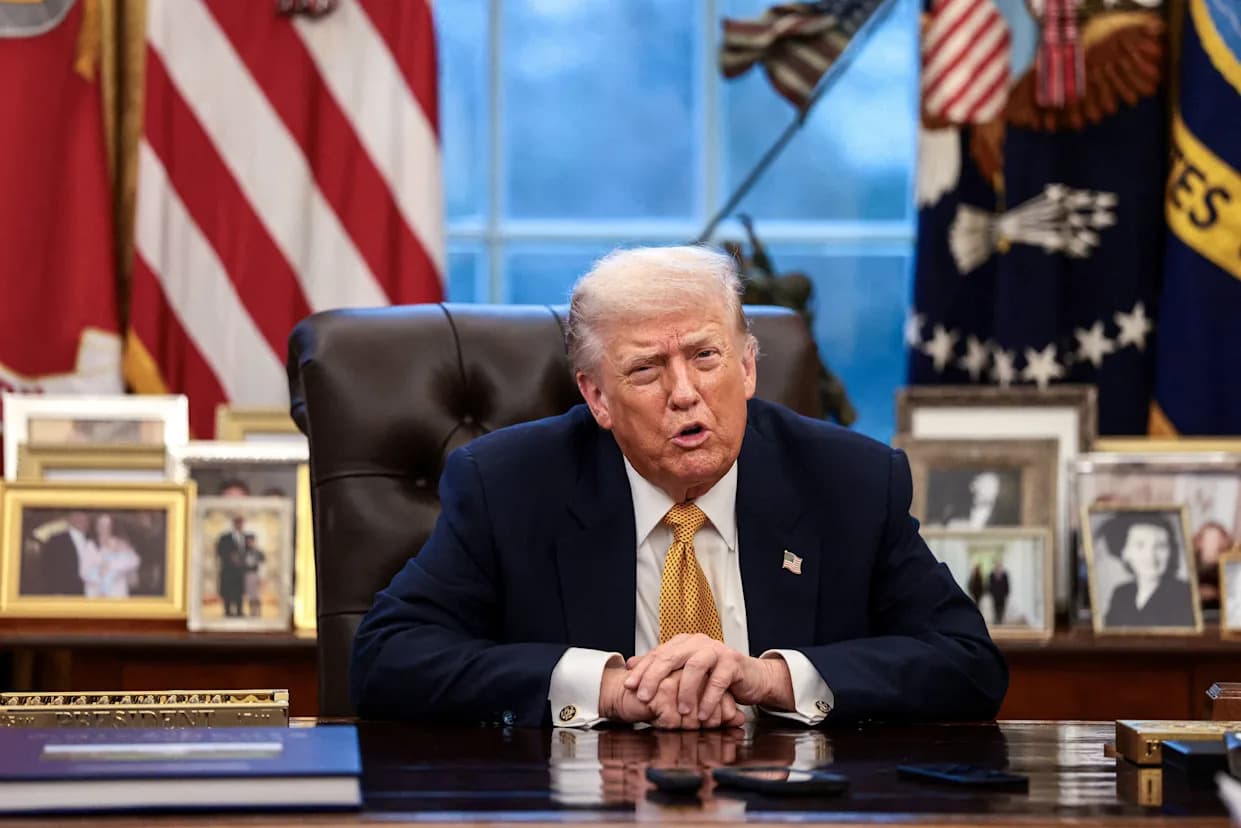
President Donald Trump in the Oval Office on Wednesday. (Demetrius Freeman / The Washington Post / Getty Images)
The Trump administration on Thursday outlined “The Great Healthcare Plan,” a broad proposal it says is intended to lower U.S. health care costs by cutting prescription drug prices, expanding price transparency and redirecting some government subsidies from insurers to consumers. The plan restates many ideas the president has promoted before but provides few specifics on implementation and would require congressional approval to become law.
What the Plan Proposes
Administration officials framed the proposal around three main goals: lowering drug costs through international price comparisons, increasing transparency so patients can see and compare prices, and channeling some federal subsidies directly to individuals rather than to insurers. Officials also floated routing funds into Health Savings Accounts (HSAs) so recipients could use them for out-of-pocket expenses such as deductibles and copays.
Direct Payments: Concept Without Details
President Trump has repeatedly proposed sending federal funds “directly to you,” saying recipients could then buy their own health care. But administration officials provided no specifics on how direct payments would be distributed, how large they would be or who would qualify. One official said the administration was leaving "broad" leeway for Congress to design the mechanism.
“When it comes to health reform, the devil is in the details, and this is very light on details,” said Cynthia Cox, director of the program on the Affordable Care Act at KFF, a nonpartisan health policy research group.
Expert Concerns
Health policy experts warned that converting monthly premium tax credits into direct payments or lump sums could destabilize ACA marketplaces. Under current law, premium tax credits are applied each month to lower enrollees’ premium bills; moving to a different system could increase out-of-pocket costs and reduce enrollment, particularly for people with pre-existing conditions.
Art Caplan, head of the medical ethics division at NYU Grossman School of Medicine, criticized the idea of treating patients as "savvy shoppers" in urgent medical situations, suggesting direct payments risk leaving vulnerable consumers exposed to scams or inappropriate choices.
Political Context And Timing
The announcement coincided with the end of most Affordable Care Act open-enrollment periods and comes as House Republicans pursue a bill to extend enhanced ACA tax credits that expired on Dec. 31. The federal government reported ACA sign-ups running more than 800,000 below this time last year, a decline advocates and analysts worry could worsen if credits are changed or removed.
Congressional action would be required for many of the administration’s proposals. The House has passed a bill to extend the enhanced credits for three years, and the Senate is drafting its own version; administration officials said they prefer direct payments and signaled the White House might veto an extension crafted by Congress.
Drug Pricing And New Platforms
On the call, officials touted the administration’s “most favored nation” drug-pricing approach, which would tie certain U.S. drug prices to those paid in other wealthy countries. The administration also promoted TrumpRx, a new self-pay prescription drug platform expected to launch soon.
Experts have questioned how much insured patients would save on a self-pay platform given that many already receive lower negotiated prices through coverage, and Medicaid often pays among the lowest rates. Observers also noted some drugs expected on the platform already have cheaper generic alternatives.
Bottom Line
The proposal signals the administration’s priorities on drug pricing, transparency and consumer-directed subsidy models, but it remains an outline rather than a detailed plan. Key components would require legislation, and analysts warn that without careful design the changes could undermine the stability of ACA marketplaces and reduce access for people with pre-existing conditions.
Help us improve.