The temporary expansion of ACA premium tax credits expired on Dec. 31, 2025, risking sizable premium increases and rising uninsured rates for millions. Enhanced credits helped nearly 24 million people enroll in 2025 and often produced $0 monthly premiums. Analysts project average premiums could rise about 26% and annual enrollee payments could climb roughly 114% (~$1,016), with 2.2–7.3 million people possibly dropping coverage. Lawmakers can still act, but retroactive fixes would be complex and time-consuming.
Enhanced ACA Subsidies Lapse — Premiums Set To Soar for Millions; What Comes Next

ObamaCare subsidies expire; premiums spike for millions: What to know
The temporary expansion of Affordable Care Act (ACA) premium tax credits expired on Dec. 31, 2025, putting millions of consumers at risk of significantly higher premiums and increased uninsured rates unless Congress acts quickly. Insurers largely priced plans assuming the credits would not be extended, and marketplaces are preparing for complex, time-consuming changes if lawmakers restore the subsidies retroactively.
What Happened
Congress had until Dec. 31, 2025 to extend enhanced premium tax credits first enacted during the COVID-19 pandemic and later continued under the Inflation Reduction Act. Lawmakers left for the holiday recess on Dec. 19 without a final agreement. The enrollment deadline to have coverage effective Jan. 1, 2026, was Dec. 15; people can still sign up through Jan. 15 for coverage beginning Feb. 1.
Why The Credits Matter
Policymakers and analysts credit the enhanced credits with boosting ACA enrollment to record levels: nearly 24 million people were enrolled in 2025. The enhancements lowered monthly premiums for millions (many qualified for $0 plans) and expanded eligibility to people with incomes above 400% of the federal poverty level.
Who Will Be Hit Hardest
Experts expect the lapse to affect some groups more than others. Young adults are projected to see the largest rise in uninsured rates by age. By race, Black, non-Hispanic people are expected to experience the largest increase in uninsured rates, followed by white, non-Hispanic people. By income, people earning between 250% and 400% of the federal poverty level — those in the middle of the subsidy-eligible group — are forecast to have the highest percentage increase in being uninsured (about 26%).
How Much Will Costs Rise?
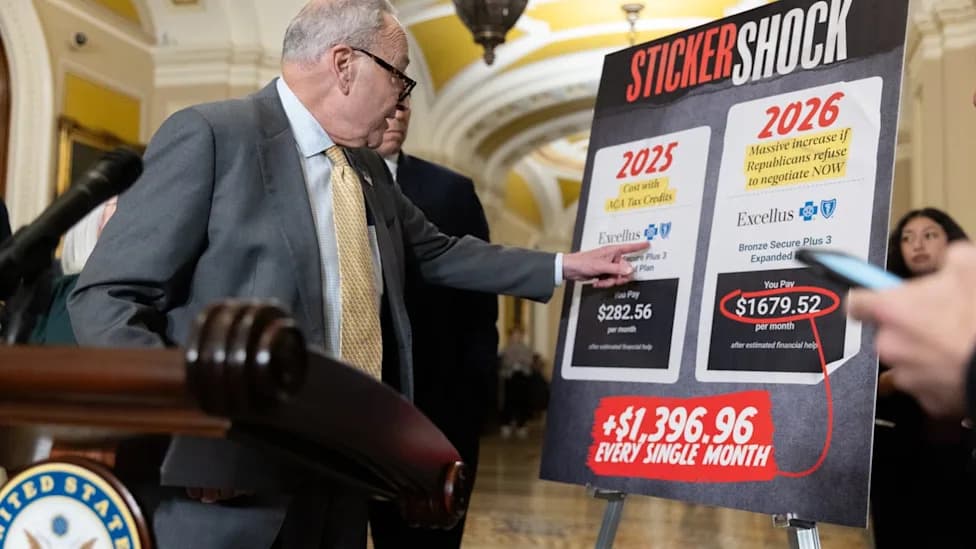
Analysts project average benchmark premiums to jump nationwide by roughly 26%, with smaller increases in states that run their own marketplaces and larger increases in states that use Healthcare.gov. The Kaiser Family Foundation (KFF) estimates average annual premium payments for enrollees would more than double — up about 114% on average (roughly $1,016 more per enrollee per year).
Estimates of how many people might drop coverage vary widely: between 2.2 million and 7.3 million people could decide not to renew because of higher costs. Early signs of fallout include a 32% drop in new sign-ups in California, roughly 13,000 residents in Massachusetts opting out of 2026 coverage, and an expectation that about 200,000 Mississippians may leave ACA plans.
State-Level Impacts
Premium spikes will be uneven across states. KFF projects Arkansas will see the largest percentage increase (about 69%) for its benchmark second-lowest-cost Silver plan, followed by Washington (~41%), then Tennessee and Mississippi. States such as Alaska, Vermont, New York and Washington, D.C., are among those expected to see the smallest increases.
Politics And Next Steps
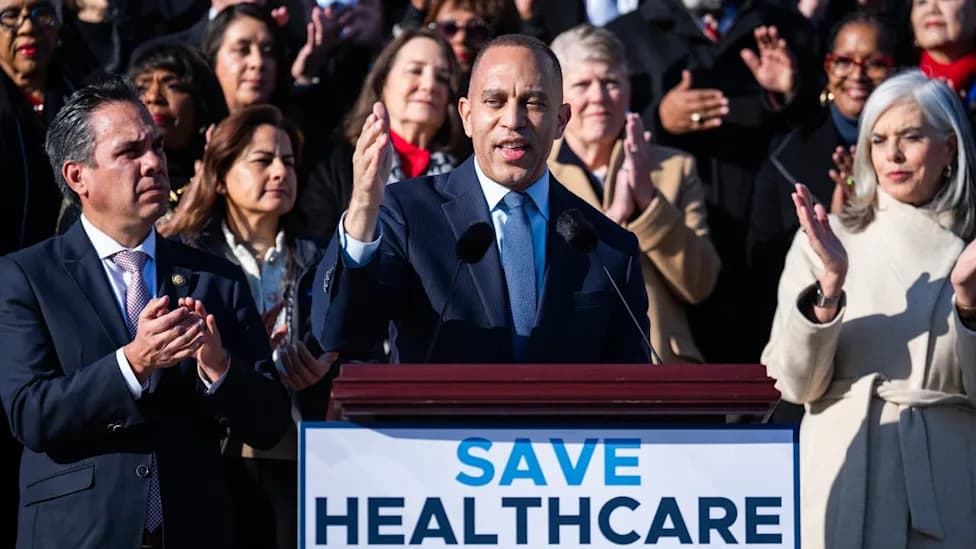
Congress can still act to blunt some cost increases when lawmakers return. Shortly before recess, House Speaker Mike Johnson (R-La.) sided with opponents of extending the credits. At the same time, four House Republicans joined Democrats on a discharge petition to force a floor vote on a three-year extension; that measure is likely to pass the House but faces hurdles in the Senate. Some Republicans want added restrictions such as income caps and minimum-premium requirements.
State marketplace leaders say they are prepared to implement whatever Congress passes. However, retroactively restoring enhanced credits would be operationally complex: systems must be reloaded, notices resent, and consumers given time to shop and switch plans. As Jessica Altman, executive director of Covered California, observed, even a clean extension would require weeks or more to reprocess enrollments and notifications.
What Consumers Should Do
If you need coverage at the start of 2026, note that the general signup window for Feb. 1 coverage closes on Jan. 15. Check your state marketplace or Healthcare.gov for deadlines, current plan pricing, and possible special guidance if Congress restores credits. Consumers should compare plans, check eligibility for other programs (Medicaid, employer options), and contact their marketplace for help.
‘We stand ready to move mountains… to make sure that Idahoans receive all the savings that they're eligible for,’ said Pat Kelly, executive director of Your Health Idaho, illustrating how state marketplaces are preparing for multiple outcomes.
Help us improve.