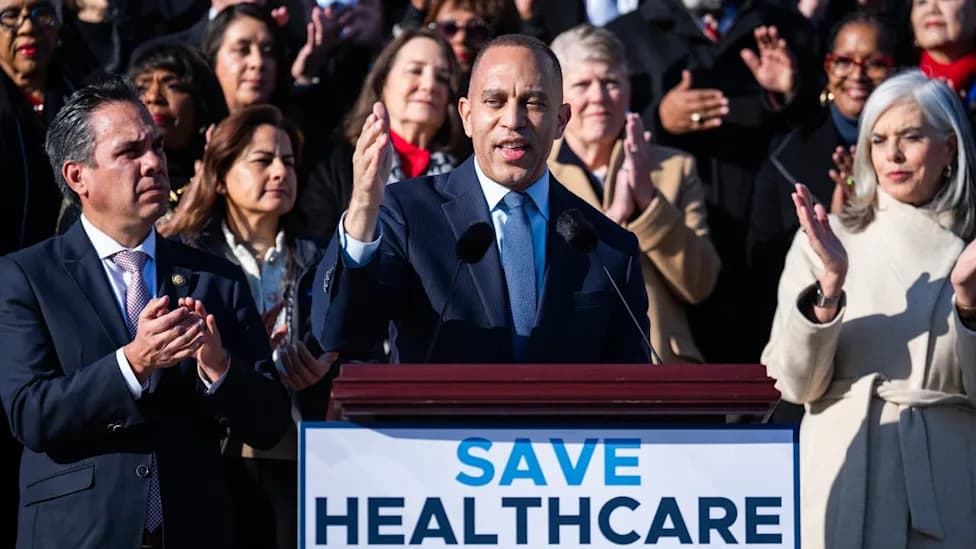
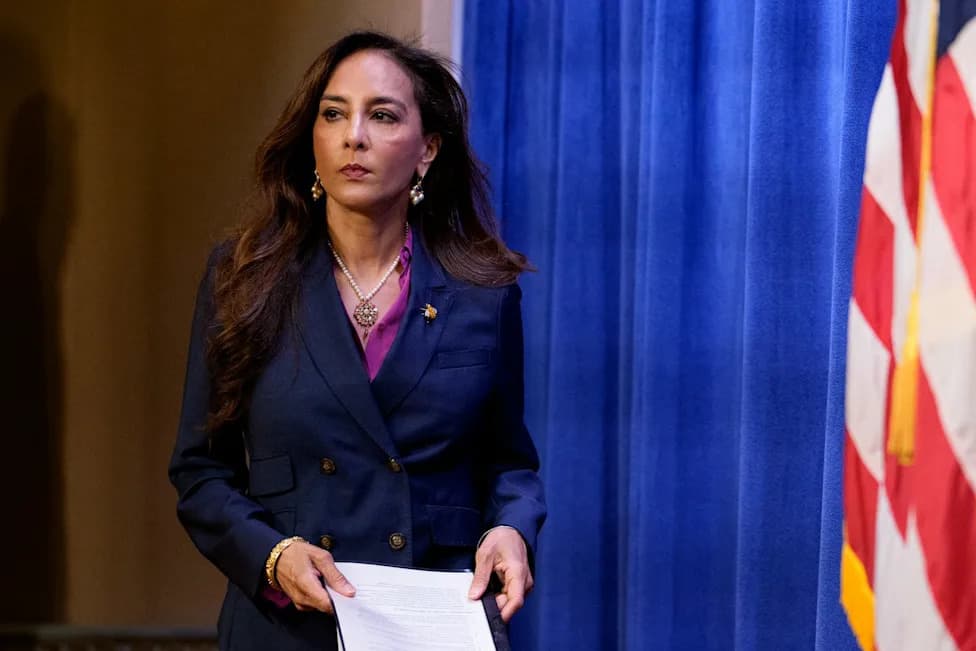
Key Point: Bipartisan negotiators generally support restoring enhanced ACA premium subsidies that lapsed Jan. 1, but a deep dispute over abortion coverage in marketplace plans threatens a deal. Republicans want tighter limits and state audits of fund segregation; Democrats oppose new restrictions. A two-year compromise with an optional HSA in year two and an extended open-enrollment window is close, but advocacy pressure and the abortion fight risk leaving millions facing higher premiums.
Abortion Fight Threatens Bipartisan Deal to Restore ACA Premium Subsidies
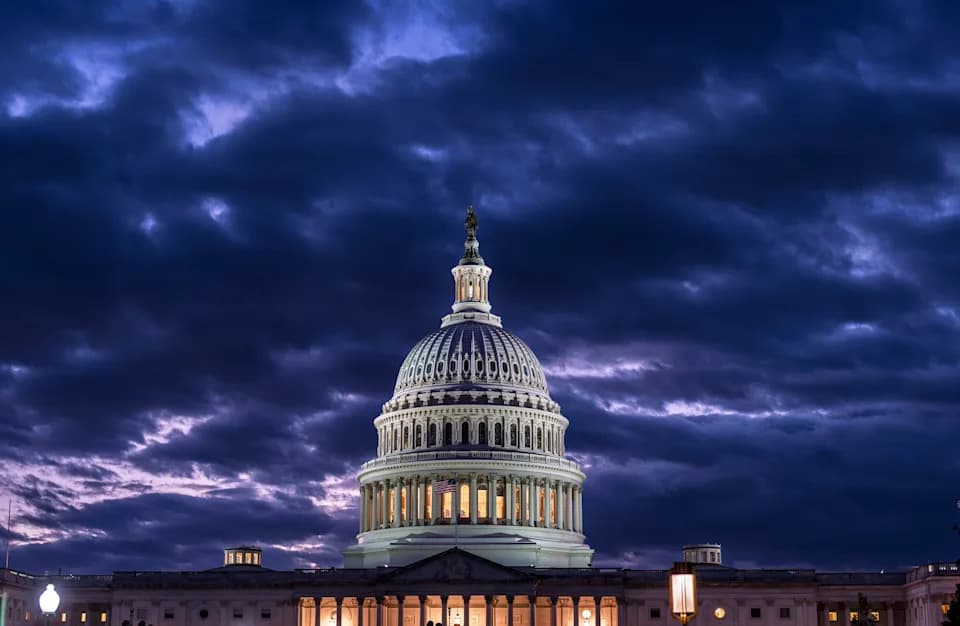
FILE - The Capitol is seen at nightfall in Washington on Oct. 22, 2025. (AP Photo/J. Scott Applewhite, File)(ASSOCIATED PRESS)
WASHINGTON — Lawmakers from both parties broadly support reviving federal health insurance subsidies under the Affordable Care Act (ACA) that expired at the beginning of the year. But a persistent dispute over abortion coverage in marketplace plans threatens to derail a deal and could leave millions of Americans facing significantly higher premiums.
Negotiations Stall Over Abortion Coverage
Senators involved in bipartisan talks say there is substantial agreement on most issues, but the abortion question remains a major sticking point. "Once we get past this issue, there's decent agreement on everything else," Sen. Bernie Moreno (R-Ohio), a lead negotiator, told reporters. Still, progress has been hard to find as each side digs in.
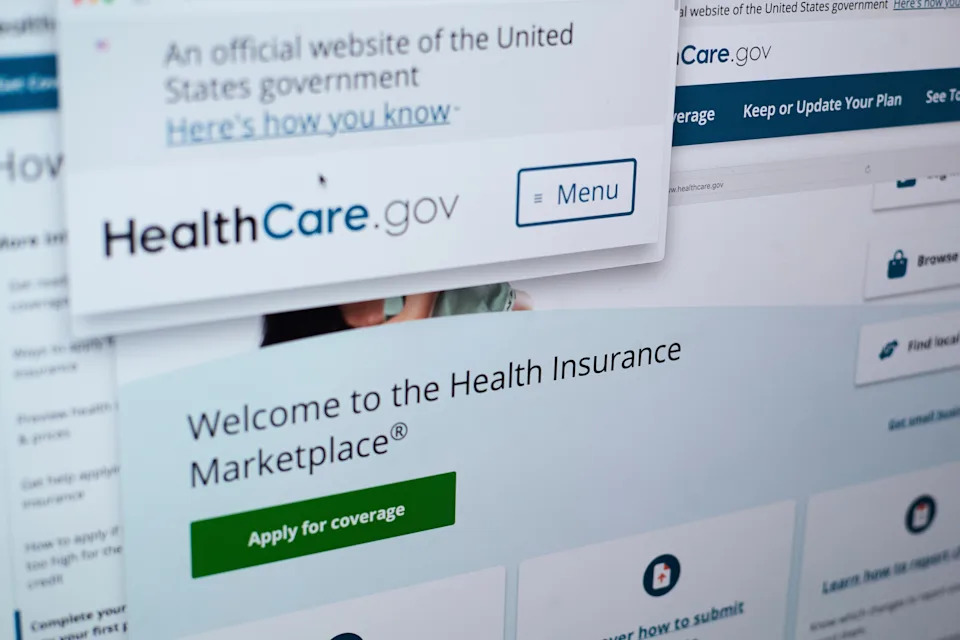
FILE - Pages from the U.S. Affordable Care Act health insurance website healthcare.gov are seen on a computer screen in New York, Aug. 19, 2025. (AP Photo/Patrick Sison, File)(ASSOCIATED PRESS)
What Republicans Are Seeking
Republicans want tightened limits on abortion coverage for plans sold on ACA marketplaces. Some GOP lawmakers and anti-abortion groups argue that the current system — which requires states to segregate nonfederal funds used to cover elective abortions — is an improper loophole that still results in taxpayer money being used for abortions. One Republican proposal under discussion would audit states to ensure they are properly segregating funds.
Democratic Opposition
Democrats strongly oppose adding new restrictions, especially after the Supreme Court's decision in 2022 to overturn Roe v. Wade. They argue that attempting to change abortion coverage is a distracting concession that would make it harder for people to access care and would jeopardize efforts to keep premiums affordable.
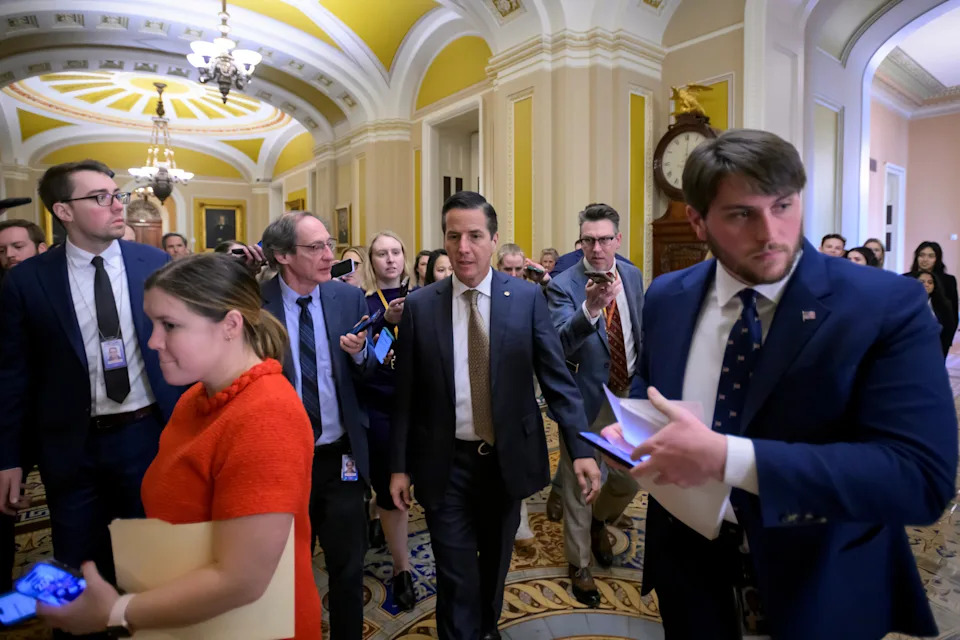
Sen. Bernie Moreno, R-Ohio, center, talks with reporters as he walks through the Ohio Clock Corridor at the Capitol, Tuesday, Jan. 13, 2026, in Washington. (AP Photo/Rod Lamkey, Jr.)(ASSOCIATED PRESS)
“I have zero appetite to make it harder for people to access abortions,” said Sen. Chris Murphy (D-Conn.).
Political Pressure and Recent Developments
President Donald Trump signaled last week that negotiators should be "a little flexible" on rules barring federal dollars from paying for abortions. His comment preceded a House vote in which 17 Republicans joined Democrats to pass a three-year extension of ACA premium tax credits; the House bill did not include new abortion limits. Anti-abortion groups immediately warned they would punish Republicans who supported the extension.
Where A Potential Compromise Stands
The bipartisan group has reportedly made progress on several provisions: a two-year extension of enhanced subsidies, added guardrails, and an option in year two to adopt a health savings account (HSA) component preferred by Republican negotiators. The proposal also contemplates extending the ACA open-enrollment window to March 1 to give consumers more time to adjust following the lapse of enhanced subsidies.

Sen. Susan Collins, R-Maine, chair of the Senate Appropriations Committee, is met by reporters outside the Senate chamber, at the Capitol in Washington, Tuesday, Jan. 6, 2026. (AP Photo/J. Scott Applewhite)(ASSOCIATED PRESS)
Facts and Stakes
According to KFF, 25 states bar abortion coverage in ACA plans, 12 require it, and 13 states plus the District of Columbia have no coverage limitations or requirements. Without renewed subsidies, the average subsidized enrollee faces more than double the monthly premium costs for 2026, KFF estimates — a political liability lawmakers on both sides acknowledge.
Advocacy groups on both sides are actively pressuring negotiators, making compromise more difficult. With midterm politics looming and intense public interest in both health care costs and abortion access, the dispute could determine whether millions keep affordable coverage or face higher expenses.
Associated Press writers Ali Swenson in New York and Joey Cappelletti and Lisa Mascaro contributed to this report.
Help us improve.