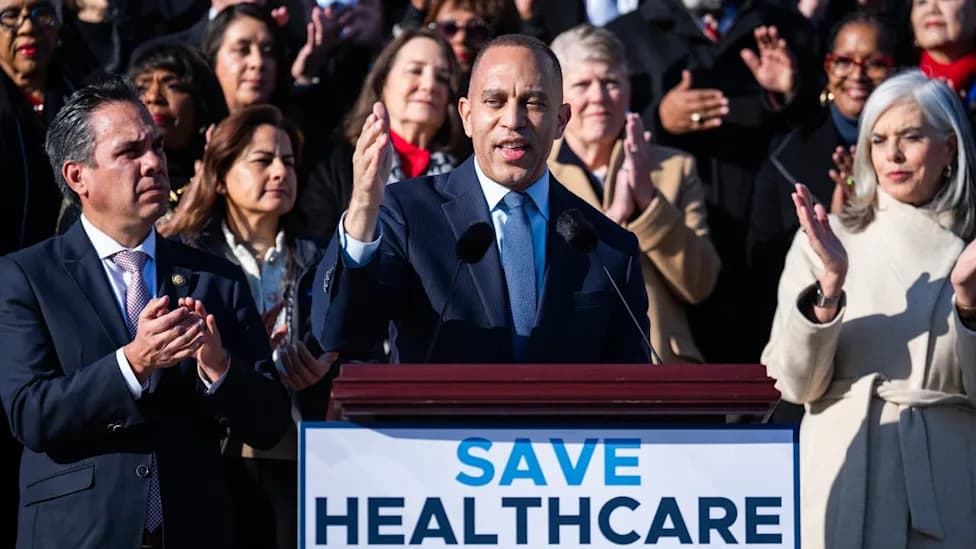
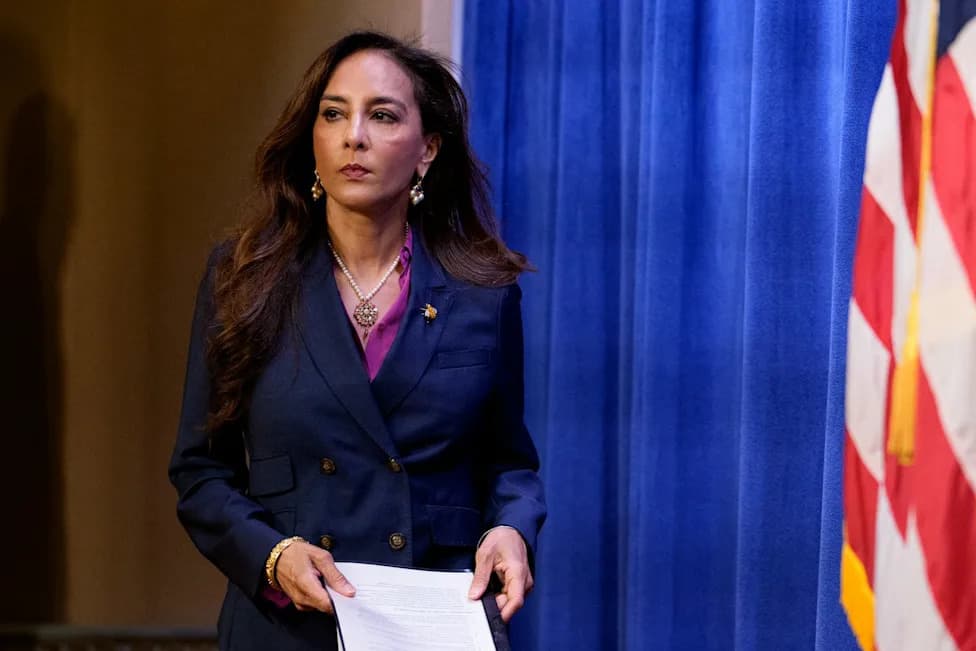
The debate over health care has returned to Washington after the expiration of key ACA subsidies, which has increased premiums for millions. The dispute revives long-running arguments about the government’s role in health care as spending approaches 18% of GDP. Lawmakers are weighing temporary subsidy extensions, proposals to expand health savings accounts, and a revived public-option push amid powerful industry lobbying.
Health Care Fight Returns to Washington: Expired ACA Subsidies Reignite a Generational Debate
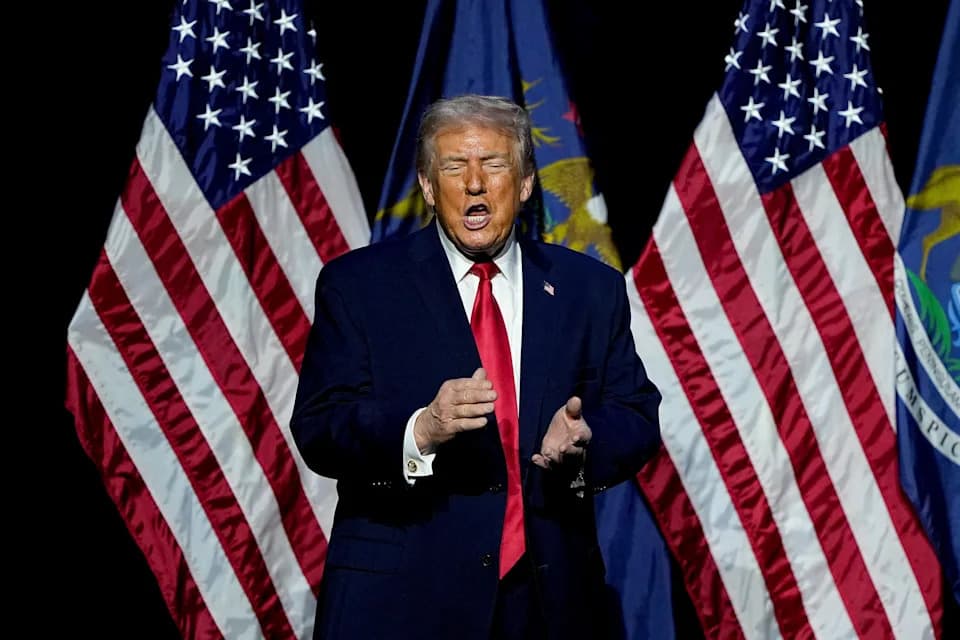
President Donald Trump speaks at the Detroit Economic Club Tuesday, Jan. 13, 2026 in Detroit. (AP Photo/Ryan Sun)(ASSOCIATED PRESS)
WASHINGTON — The national debate over health care has flared again as Republican-led Congress allowed key Affordable Care Act (ACA) subsidies to expire, sharply raising costs for millions of Americans. The dispute revives questions that have shaped U.S. policy since President Harry Truman’s failed 1945 push for a national health program.
Historic Echoes, Current Stakes
On Capitol Hill, the arguments are familiar: Democrats press for broader, government-backed coverage while Republicans, often supported by powerful industry lobbying, warn about rising costs and expanded government roles. Health care spending now consumes nearly 18% of the U.S. economy, underscoring the high stakes of any policy shift.
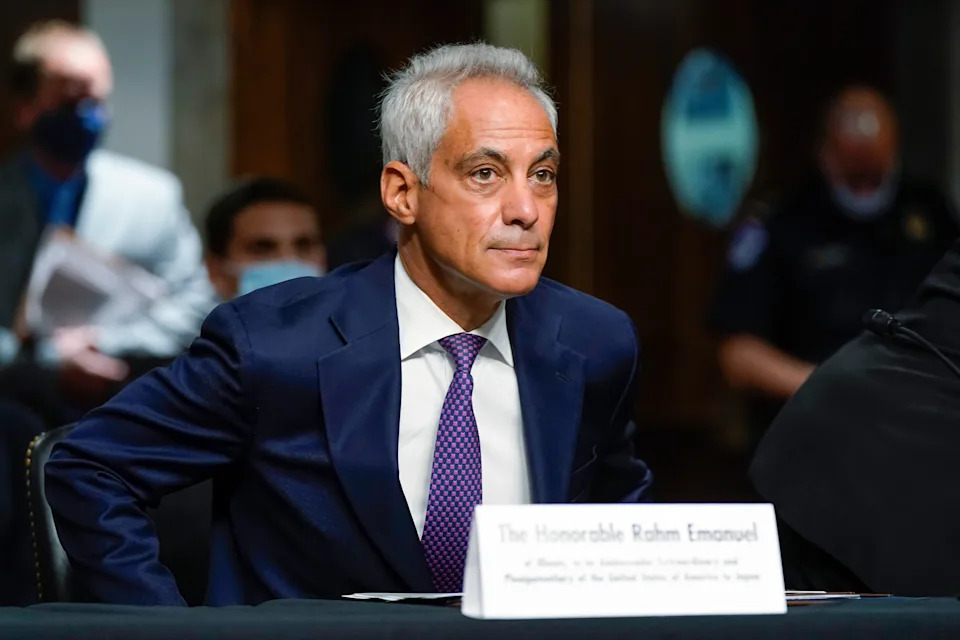
FILE - U.S. Ambassador to Japan nominee Rahm Emanuel arrives for a hearing to examine his nomination before the Senate Foreign Relations Committee on Capitol Hill in Washington, Oct. 20, 2021. (AP Photo/Patrick Semansky, File)(ASSOCIATED PRESS)
What Happened
Congress allowed ACA premium subsidies to lapse this year, increasing costs for many who buy coverage on the exchanges. While subsidies are only one element of the law, their expiration has reopened long-standing disputes about the ACA’s legacy, the federal government’s role in health care, and how to control costs.
Political Landscape
The ACA, enacted in 2010 without a single Republican vote, expanded coverage for millions. Last year a record 24 million people were enrolled through the exchanges, though enrollment appears to be down this year amid higher net premiums. Public opinion has shifted in the law’s favor: a KFF poll in September 2025 found roughly two-thirds of Americans view the ACA positively.

FILE - Sen. Max Baucus, D-Mont., enters the Speaker's office for a meeting about tax cuts on Capitol Hill in Washington, Dec. 1, 2010.(AP Photo/Alex Brandon, File)(ASSOCIATED PRESS)
Republicans have repeatedly pledged alternatives but have not produced a comprehensive replacement. Former President Donald Trump has criticized the law and said he will soon unveil a "health care affordability framework," but has not presented a detailed legislative plan.
Short-Term Fixes and Long-Term Debates
Some bipartisan lawmakers are discussing temporary extensions of the subsidies as a bridge to broader reform. Others propose expanding Health Savings Accounts; critics say such measures do little to address the underlying drivers of health costs.
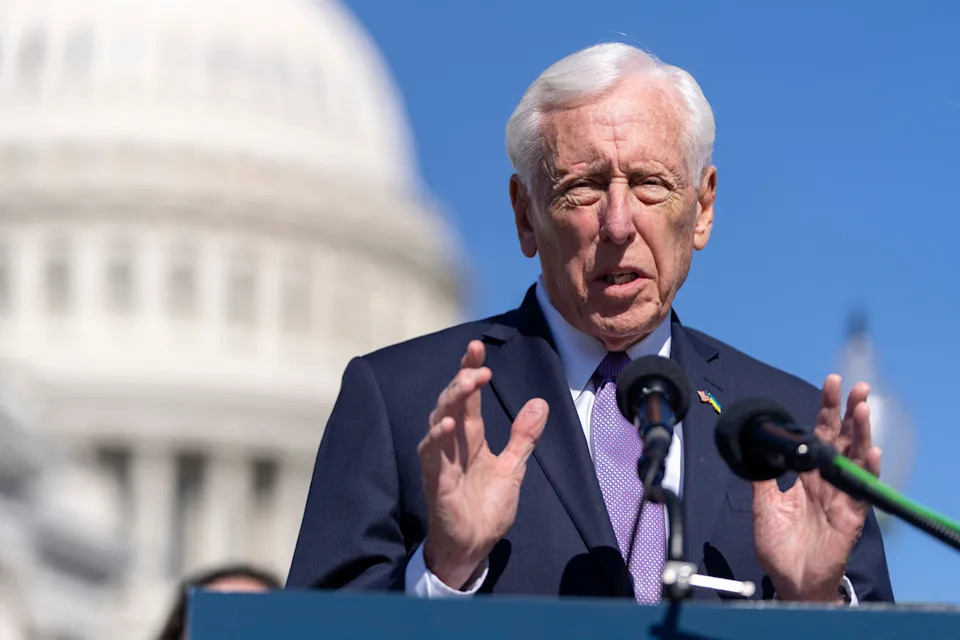
FILE -Rep. Steny Hoyer, D-Md., speaks at a news conference about the Protect Our Probationary Employees Act on Capitol Hill, March 11, 2025, in Washington. (AP Photo/Mark Schiefelbein, File)(ASSOCIATED PRESS)
At the same time, a small group of Democrats has reintroduced a push for a public-option plan on ACA exchanges. Sens. Sheldon Whitehouse and Elissa Slotkin and Rep. Jan Schakowsky introduced legislation to create a government-run plan that would compete with private insurers, though prospects for passage in a Republican-controlled Congress appear slim.
Powerful Interests and Political Reality
Major industry groups — including pharmaceutical companies, hospitals, insurers and nursing homes — remain formidable opponents of changes that could reduce revenues. OpenSecrets reported these groups spent more than $653 million on lobbying in 2025.
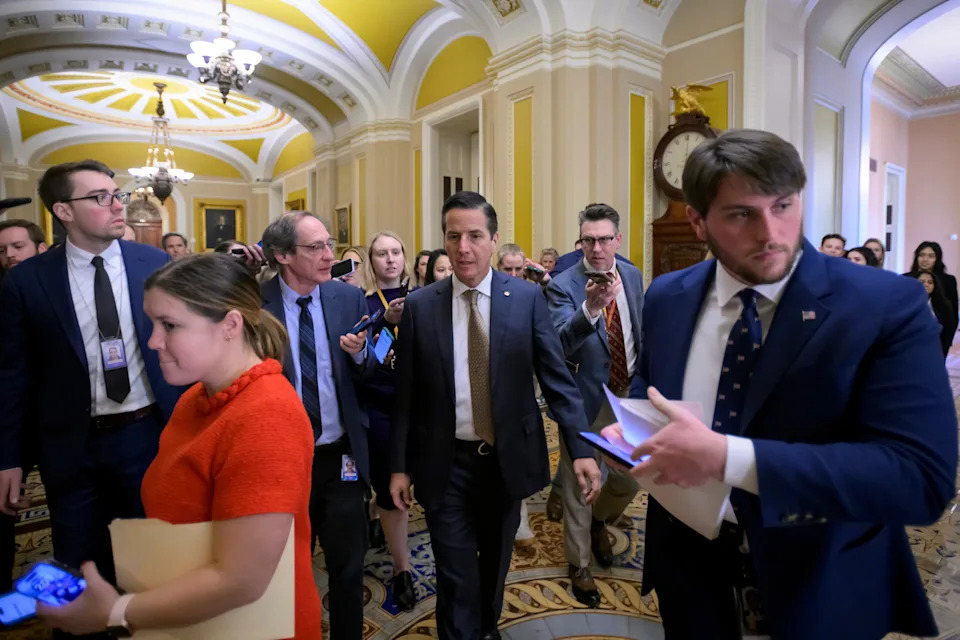
Sen. Bernie Moreno, R-Ohio, center, talks with reporters as he walks through the Ohio Clock Corridor at the Capitol, Tuesday, Jan. 13, 2026, in Washington. (AP Photo/Rod Lamkey, Jr.)(ASSOCIATED PRESS)
Veterans of the ACA process acknowledge the law’s limits. Former Sen. Max Baucus, who helped craft the bill, said "nothing is perfect," noting that bending the health care cost curve has proven difficult. And lawmakers who remember the protracted negotiations that produced the ACA caution that meaningful reform typically requires lengthy, detailed bargaining.
Voices on the Hill
Sen. Bernie Moreno (R-Ohio), a freshman lawmaker leading a bipartisan group exploring subsidy extensions, urged colleagues to "take two years to actually deliver for the American people truly affordable health care." Rep. Steny Hoyer (D-Md.), who announced he will not seek reelection, pointed out that Republicans have had years to propose a credible alternative.
Asked whether he had studied past negotiations, Sen. Moreno — in office only a year — said bluntly he lacked the experience and the "scars" that come from long fights over health policy.
Bottom line: The subsidy lapse has turned a technical policy dispute into a potent political issue ahead of elections, forcing both parties to balance short-term fixes with long-term plans to rein in costs and expand access.
___
Associated Press writer Amelia Thomson-DeVeaux in Washington contributed to this report.
Help us improve.