Democrats are fighting to preserve zero‑dollar Obamacare plans as talks to renew enhanced premium subsidies stall. Republicans argue a nominal minimum premium—proposals include $5/month—would reduce fraud, while Democrats warn even small fees could push low‑income people off coverage. Conflicting estimates and new pressure from advocacy groups and some House Republicans have elevated the debate, and lawmakers are awaiting CBO analysis on potential coverage losses.
Battle Over Zero‑Dollar Obamacare Plans Intensifies as Subsidy Talks Stall
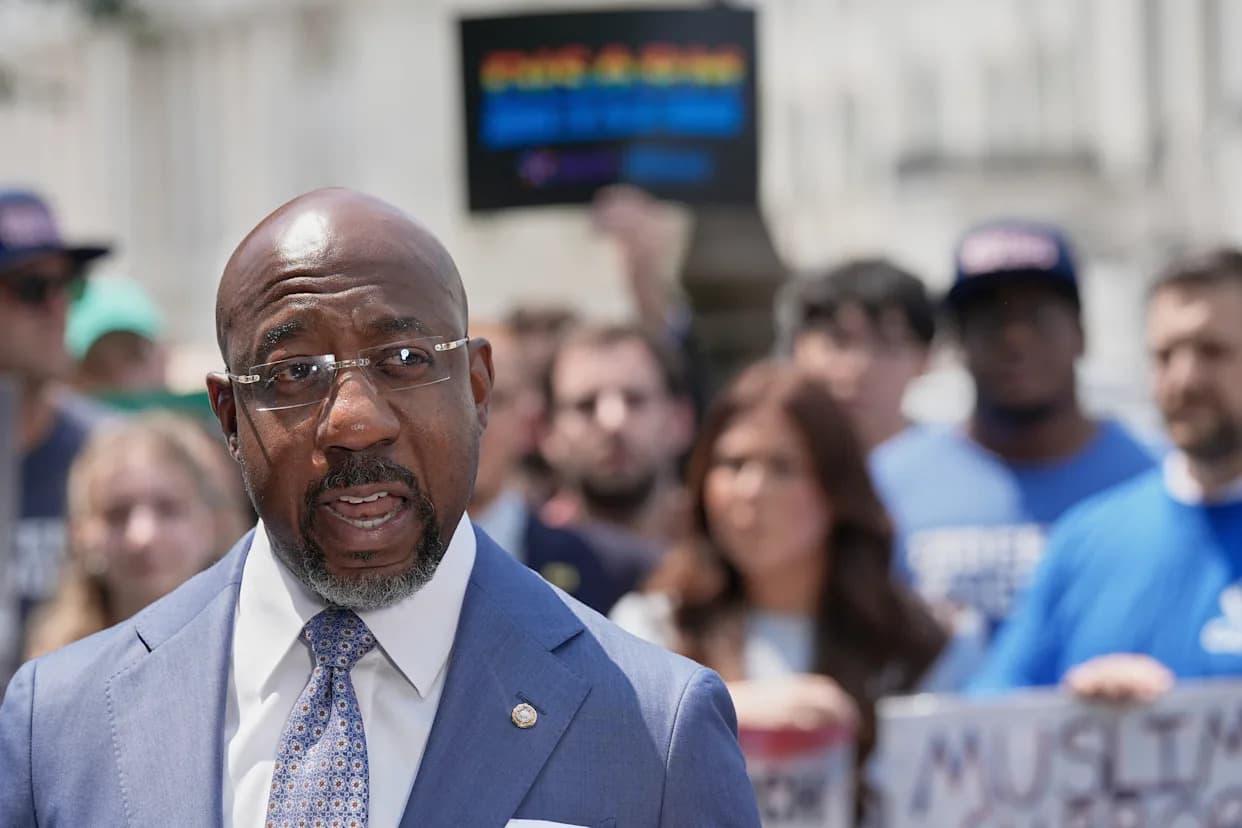
Lawmakers are locked in a tense debate over whether to preserve so‑called zero‑dollar Obamacare plans as negotiations to renew enhanced premium subsidies remain unresolved. The enhanced subsidies, which lowered premiums for many low‑income enrollees, expired on Dec. 31; Democrats argue that reinstating a minimum premium would push vulnerable people off coverage, while Republicans say a nominal fee would curb fraud from so‑called "phantom enrollees."
Where the Parties Stand
Republicans back a small, mandatory premium—one proposal would require about $5 per month (roughly $60 per year)—claiming it would reduce fraudulent enrollments by making consumers take an affirmative step to pay. Democrats counter that even minimal charges or added administrative steps could lead low‑income people to miss payments and lose coverage, particularly in states that did not expand Medicaid.
Why It Matters
The debate is especially acute in roughly 10 states that did not fully expand Medicaid, where a larger share of lower‑income residents rely on Affordable Care Act (ACA) exchange plans. Senate Democrats—including Sen. Raphael Warnock (D‑Ga.)—have pushed against a minimum premium and sought a Congressional Budget Office (CBO) estimate of how many people might lose coverage if a fee is reinstated.
Data, Estimates, And Disputes
Analysts disagree on the scale and implications of zero‑dollar plans. The Kaiser Family Foundation (KFF) estimates that, without enhanced subsidies, subsidized enrollees would face about $1,016 higher premiums on average this year. The conservative Paragon Health Institute has claimed roughly 10 million people enrolled in zero‑premium plans since the enhanced credits began in 2022 and noted the share of enrollees with no medical claims rose from 20% in 2021 to 35% in 2024—an argument it uses to suggest "phantom enrollees." Many experts caution that a lack of claims does not itself prove fraud.
Alternative figures: HealthSherpa reported helping 6.1 million people enroll for 2024 and said 59% of those had no‑premium plans; KFF estimated about 5 million uninsured people were eligible for no‑premium plans in 2023; Brookings estimated about 8 million people had no‑premium plans in 2025. A 2024 Health Affairs study of Massachusetts’ marketplace found that plans that introduced nominal premiums saw enrollment drop about 14% the following year versus plans that kept zero‑dollar premiums.
Political Context And Outlook
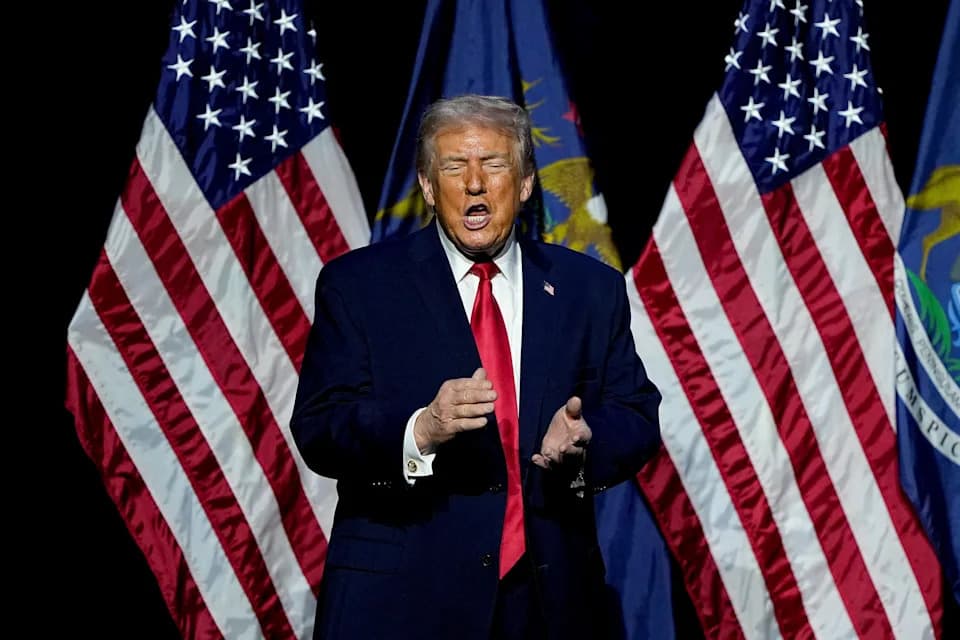
A clean three‑year extension of the enhanced subsidies appears uncertain in the Senate, though 17 House Republicans joined Democrats in favor of such an extension in the House. Bipartisan talks in the Senate, led by Sens. Bernie Moreno (R‑Ohio) and Susan Collins (R‑Maine), have continued, but lawmakers left for a recess without final text. Meanwhile, President Trump proposed a plan that would not extend the enhanced subsidies or change zero‑dollar policies; it would add funds to Health Savings Accounts instead, usable for out‑of‑pocket costs but not premiums.
Advocacy groups and unions—including AFL‑CIO, SEIU and Protect Our Care—are pressuring Democrats to resist any reinstated minimum premium, arguing that it would cause coverage losses among the lowest‑income enrollees. With CBO analysis pending and strong disagreement on both sides, the fate of zero‑dollar plans remains a central and unresolved element of the broader subsidy negotiations.
Bottom line: The choice is stark—impose a small premium to potentially reduce fraudulent enrollments or preserve zero‑dollar plans to avoid creating new barriers to coverage for millions of low‑income Americans.
Help us improve.