At a San Marcos campaign tailgate, Gov. Greg Abbott defended Texas’ congressional map as partisan rather than racially motivated and said he expects the U.S. Supreme Court to weigh in. He explained his proclamation labeling CAIR a terrorist organization and defended keeping roughly 3,000 National Guard members at the border. The report also covers fallout from a Ten Commandments classroom mandate, reforms closing the Dead Suspect records loophole, and Texas A&M’s highway efforts to protect migrating monarch butterflies.
Abbott Defends Texas Redistricting, Labels CAIR, Keeps National Guard at Border — Schools, Transparency and Monarchs Also in Focus

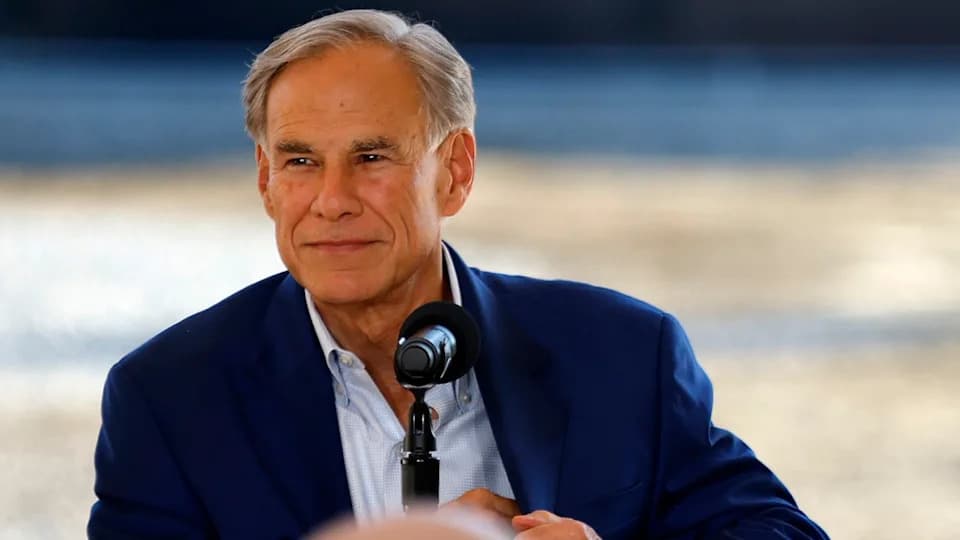
Speaking at a campaign tailgate in San Marcos before a Texas State football game, Governor Greg Abbott used a lively setting to address a string of high‑profile issues shaping his re‑election campaign and the state's recent headlines. He discussed the legal fight over the state's congressional map, his proclamation about the Council on American‑Islamic Relations (CAIR), National Guard deployments along the border, a contentious new Ten Commandments classroom mandate, transparency reforms after investigative reporting, and conservation efforts to protect migrating monarch butterflies.
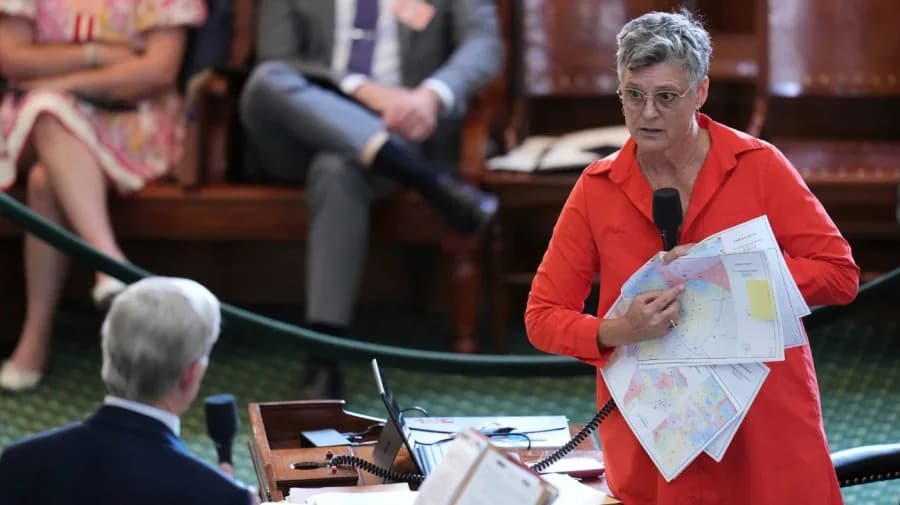
Redistricting dispute heads to the Supreme Court
Abbott responded to questions about a federal district court opinion that cited some of his remarks as evidence the state’s redistricting amounted to racial gerrymandering. He pushed back, characterizing the map as a partisan effort to help Republicans rather than a racially motivated plan, and emphasized that the governor does not vote on legislative maps.
“Everything was done exactly as it needed to be done. The only thing that matters evidentially is to make sure of what the legislative intent was…and the governor doesn’t vote on the maps. So we know for a fact that there is no racial bias whatsoever,” Abbott said.
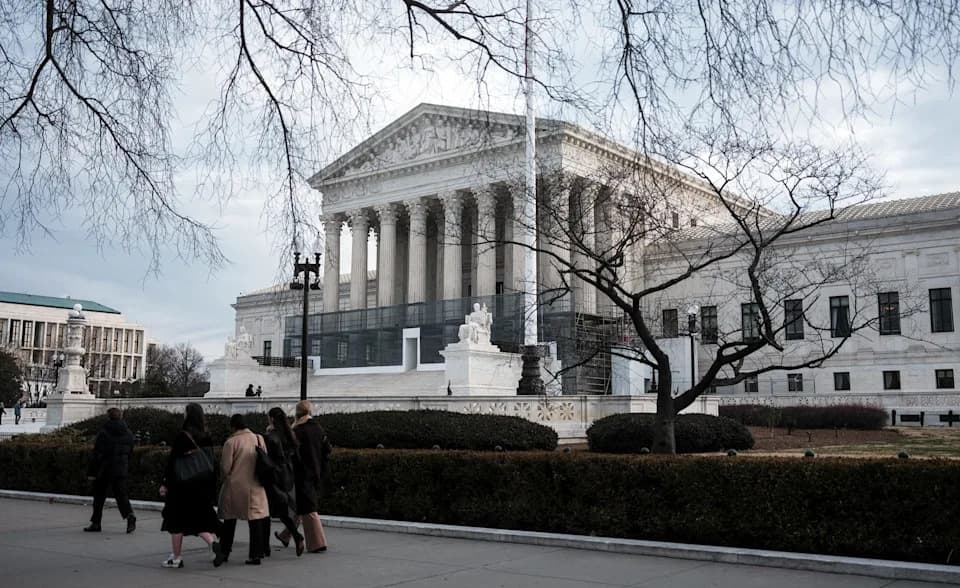
The case is now before the U.S. Supreme Court. Abbott said he expects the justices to allow the congressional plan approved by Texas lawmakers to stand, calling a recent temporary pause by the high court a "very promising sign." The ultimate decision could shape Texas’ congressional districts for years to come.
CAIR proclamation and lawsuit
Abbott drew national attention when he issued a state proclamation declaring the Council on American‑Islamic Relations (CAIR) a terrorist organization. Asked to explain the move, he cited two items he said connected elements of the organization to terrorism: that one founder of the Texas chapter is serving a lengthy prison term for financing terrorism and that some CAIR leaders publicly commented on violence after October 7.
“We need to make sure we’re not going to have organizations in the state of Texas that sponsor terror,” Abbott said, framing the proclamation as part of his law enforcement agenda.
CAIR has filed a defamation lawsuit against the governor and described the proclamation as an anti‑Muslim publicity stunt; the group maintains it is a civil rights organization. Abbott has defended the action as necessary to protect Texans.
Border security and the National Guard
Abbott confirmed that Texas National Guard troops sent to Illinois would return before Thanksgiving, and when asked whether he would scale back troops assigned to the southern border, he said the state currently deploys more than 3,000 Guardsmen there and expects to keep a similar level during the Trump administration.
He credited federal policy changes for a drop in border crossings and pointed to recent funding that he said will support construction of barriers and additional border resources in Texas.
Abbott also described cooperative arrangements in which some National Guard members are deputized for border duties and state public safety officers work alongside federal immigration authorities.
On the campaign trail
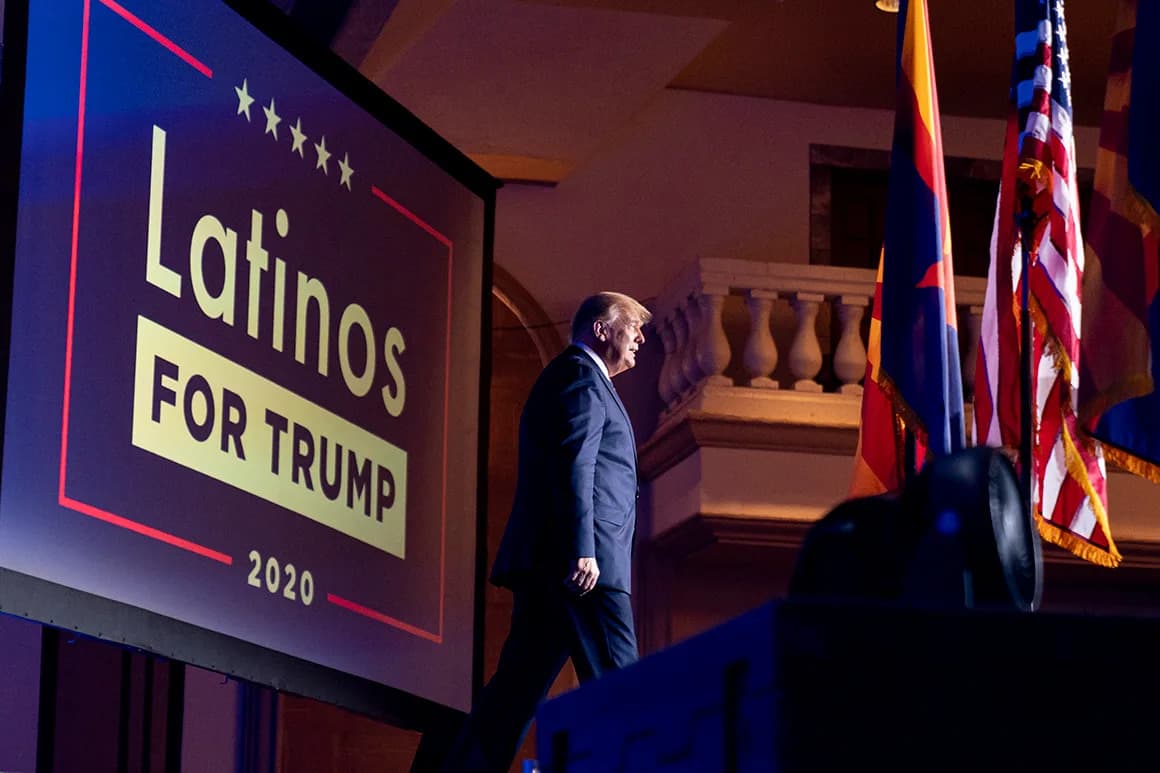
At the event, Abbott posed for photos and spoke directly with supporters. He said attendees praised his border policies and pressed for passage of his property tax relief proposals. “Everyone says they love what we’re doing, especially what we’re doing to secure the border… They talk to me about cutting property taxes,” he said.
Ten Commandments mandate prompts resignations and court fights
A new state law requiring Ten Commandments displays in public school classrooms has provoked resignations, legal challenges and intense local debate. Fort Worth theater teacher Gigi Cervantes resigned rather than comply, saying she would not impose religious doctrine on students; she completed the semester by directing a production of Molière’s The Imaginary Invalid.
Federal judges have blocked the displays in more than two dozen of roughly 1,200 Texas school districts, and a recent ruling held the mandate violates the First Amendment’s prohibition on government establishment of religion. Courts in other states have reached similar conclusions, and the issue may ultimately reach the U.S. Supreme Court.
Some districts have moved quickly: Frisco ISD spent about $1,800 to print nearly 5,000 posters, even though the law requires displays only when they are donated. Other districts delayed posting and faced state enforcement actions, and the Texas attorney general has filed suits against districts he says are violating the law. Teachers and legal advocates are seeking guidance on whether educators can refuse to hang the posters or display materials from other faiths; some experts advise referring student questions to families.
Closing the 'Dead Suspect' loophole
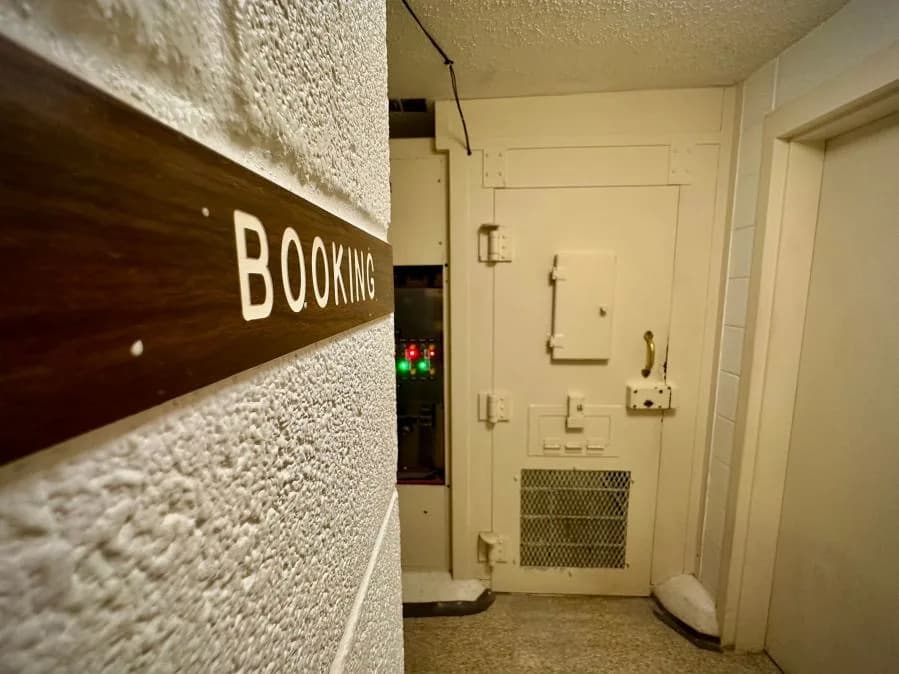
Following years of investigative reporting by a project called DENIED, lawmakers closed a controversial records gap known as the Dead Suspect Loophole. The provision—created in the 1990s to protect people arrested but not convicted—was increasingly used by some law enforcement agencies to withhold narrative records when a suspect died in custody.
Kelley Shannon, executive director of the Freedom of Information Foundation of Texas, explained that open records are essential to accountability and can affect everything from school budgets to public safety. The recent reform aims to make investigations and records more transparent when deaths in custody occur.
Monarch butterfly conservation along Texas highways
Texas A&M researchers, working with the Texas Department of Transportation, are piloting measures to reduce monarch butterfly roadkill. After tracking migration routes and identifying highway stretches with high mortality, teams have installed tall mesh fences—similar to golf driving‑range netting—to encourage butterflies to fly higher and clear oncoming vehicles.
Professor Robert Coulson said winter habitat occupied by eastern monarchs in Mexico nearly doubled in the most recent count, but federal protections face uncertainty amid proposed regulatory changes. Conservation leaders such as Stephanie Lopez of the National Butterfly Center urged continued habitat restoration—planting milkweed and protecting native areas—to sustain monarchs and the ecosystems they support.
Taken together, the governor’s comments at this local event touched on legal battles, public safety initiatives, school policy disputes, government transparency reforms and conservation projects — reflecting the wide range of debates shaping Texas politics today.
Help us improve.