The Jan. 1 Texas law requiring county sheriffs who operate jails to sign 287(g) agreements with ICE prompted a rapid increase in local-federal immigration partnerships, with about 265 Texas agreements reported soon after the law took effect. The move makes Texas second only to Florida in 287(g) participation. Gov. Greg Abbott ordered a freeze on H‑1B applications for state agencies and public colleges through May 2027 and demanded detailed reporting. Separately, the TEA’s 2025 report shows a 600%+ rise in students with dyslexia in special education—largely driven by mandatory screening and HB 3928.
Texas Law Spurs Rapid Rise In Local ICE Partnerships As New Rules Take Effect
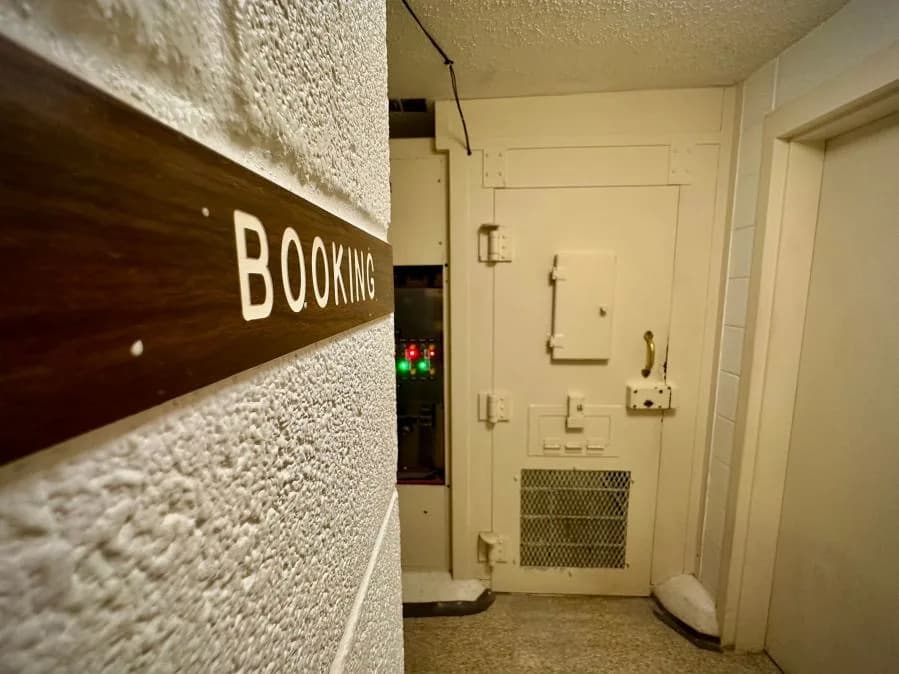
State of Texas: Agreements between law enforcement agencies and ICE rise as new law takes effect
A new Texas law that took effect on Jan. 1 has accelerated local partnerships with U.S. Immigration and Customs Enforcement (ICE), requiring sheriff’s offices in every county that operates a jail to enter into 287(g) agreements. Within weeks of the law’s implementation, ICE data showed roughly 265 active 287(g) agreements with Texas law enforcement agencies, making Texas second only to Florida in the number of such agreements.
What 287(g) Allows
Under the 287(g) program, participating agencies can expand immigration enforcement authority through four models:
- Jail Enforcement — Identify and process people with pending or active criminal charges.
- Warrant Services Officer — Serve and execute administrative immigration warrants in jails.
- Task Force — Allow local officers to exercise limited immigration authorities during routine duties under ICE oversight.
- Tribal Task Force — Similar to the task force model for tribal law enforcement (no Texas agencies were listed under this model in ICE data).
As of Jan. 16, federal data showed 1,316 total 287(g) agreements nationwide across 39 states and the U.S. territory of Guam. In Texas, agreements were reported in at least 167 counties shortly after the law’s rollout, with Florida remaining the national leader at 340 agreements.
State Moves On H‑1B Visas
Separately, Gov. Greg Abbott announced an investigation into the federal H‑1B visa program "in light of recent reports of abuse." He directed state agencies led by gubernatorial appointees and public institutions of higher education to freeze all H‑1B visa applications through May 2027. These entities must also submit detailed reports to the Texas Workforce Commission by March 27 listing current H‑1B sponsorships, application and renewal counts, each sponsored worker’s country of origin and role, visa expiration dates, and documentation showing whether the position was first offered to Texas candidates.
The Texas Workforce Commission told Nexstar it does not centrally track H‑1B sponsorships because the program is administered federally.
Political Context
With early voting approaching, Senate campaigns in Texas intensified. Democrats Jasmine Crockett and James Talarico debated as they compete for the party’s Senate nomination. On the Republican side, Rep. Wesley Hunt publicly challenged incumbent Sen. John Cornyn to multiple debates; Cornyn declined, saying he did not expect Hunt’s campaign to survive the primary. Attorney General Ken Paxton, a leading Republican in polls, did not grant an interview for coverage.
Education: Dyslexia Identification Rises Sharply
The Texas Education Agency’s (TEA) 2025 annual report highlighted a dramatic rise in students identified with dyslexia and placed in special education: a more than 600% increase over six years, with just over 212,000 students recorded in 2024–25. Officials attribute the spike largely to improved, mandatory screening and the passage of HB 3928 in 2023, which formally added dyslexia to special education services and provides funding per identified student.
TEA Deputy Commissioner Kristin McGuire said districts are working to expand capacity and train staff to deliver evidence-based dyslexia programs. Local educators noted that earlier identification often relied on teacher or parent requests rather than systemwide screening.
National Backdrop And Local Impact
The expansion of 287(g) partnerships in Texas comes amid heightened national scrutiny of immigration enforcement after recent incidents involving ICE agents and subsequent protests. Advocates and critics alike say the law will have far-reaching implications for policing, immigrant communities, and local-federal relationships across Texas.
Sources: U.S. Immigration and Customs Enforcement data; Texas Governor’s office announcements; Texas Education Agency 2025 report; Nexstar reporting.
Help us improve.