Democrats won two Texas special elections, narrowing the House GOP majority to 218-214 and flipping a Tarrant County state Senate seat for the first time in decades. Taylor Rehmet defeated Leigh Wambsganss 57%-43% in a low-turnout race, while Christian Menefee won a Houston-area congressional runoff. Republicans describe the results as a "wake-up call," pointing to voter mobilization, Latino shifts and redistricting trade-offs as key factors to watch ahead of November.
Texas Special-Election Shocks: Democrats Flip Tarrant County Seat; House GOP Majority Narrows to 218-214
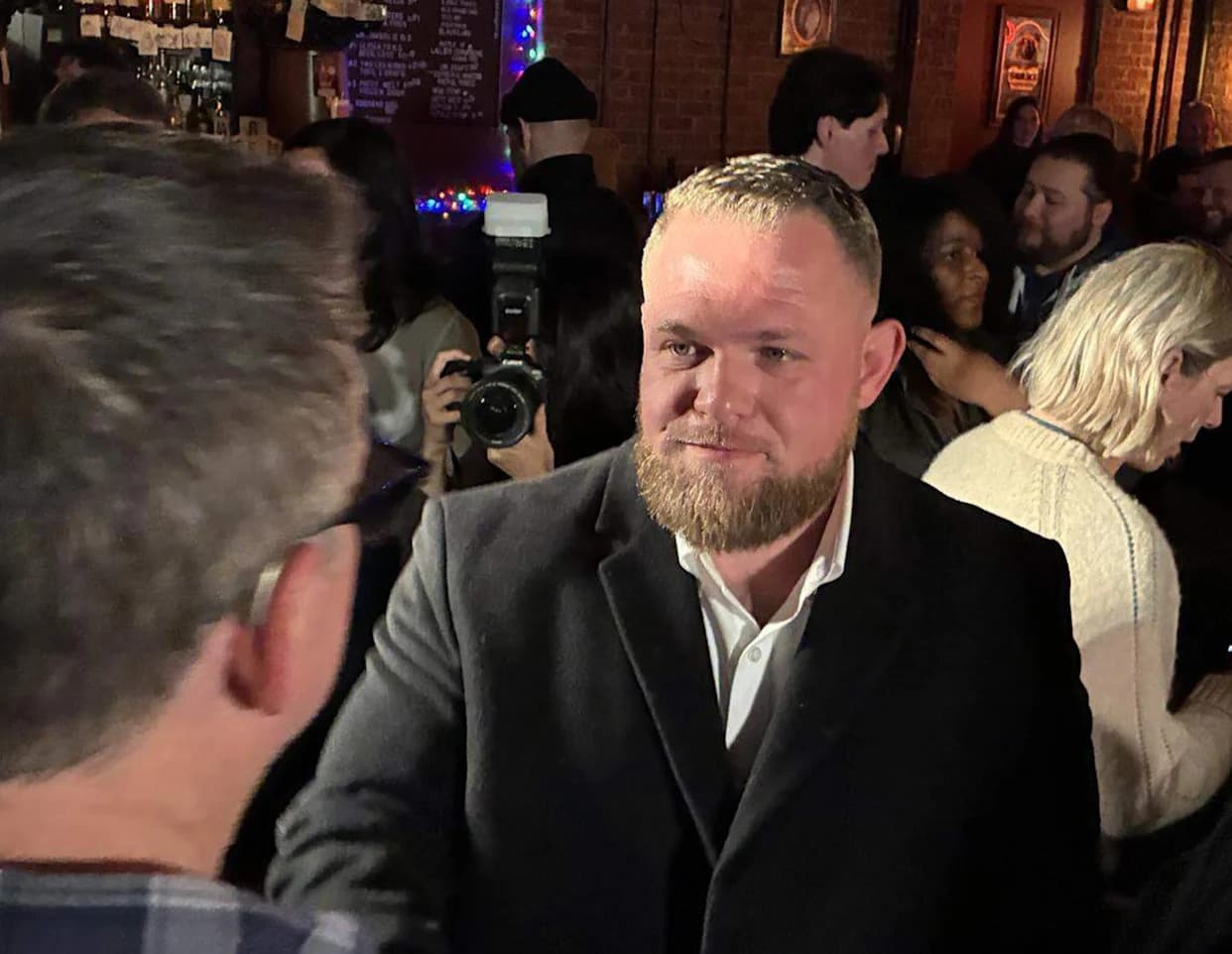
Texas GOP sounds alarm after Dem victory: "Cannot take anything for granted"
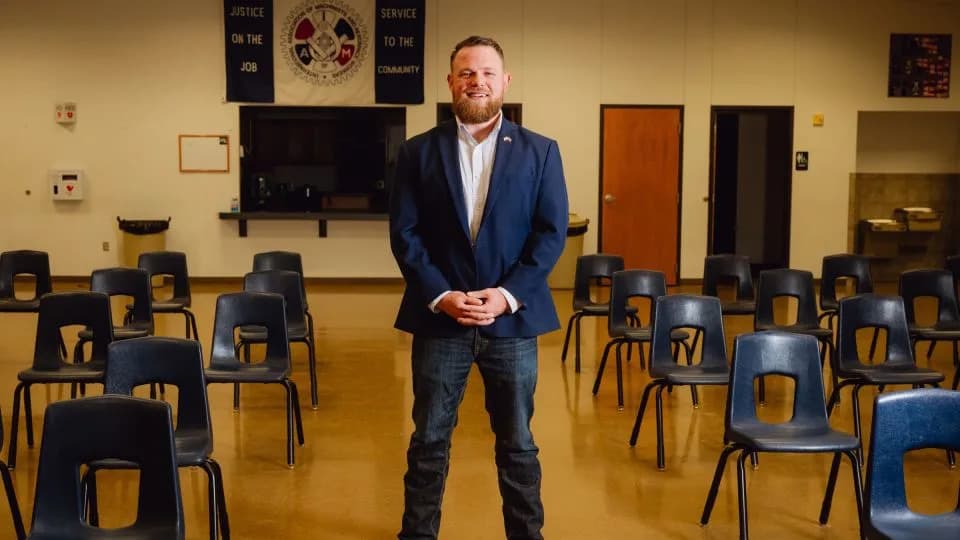
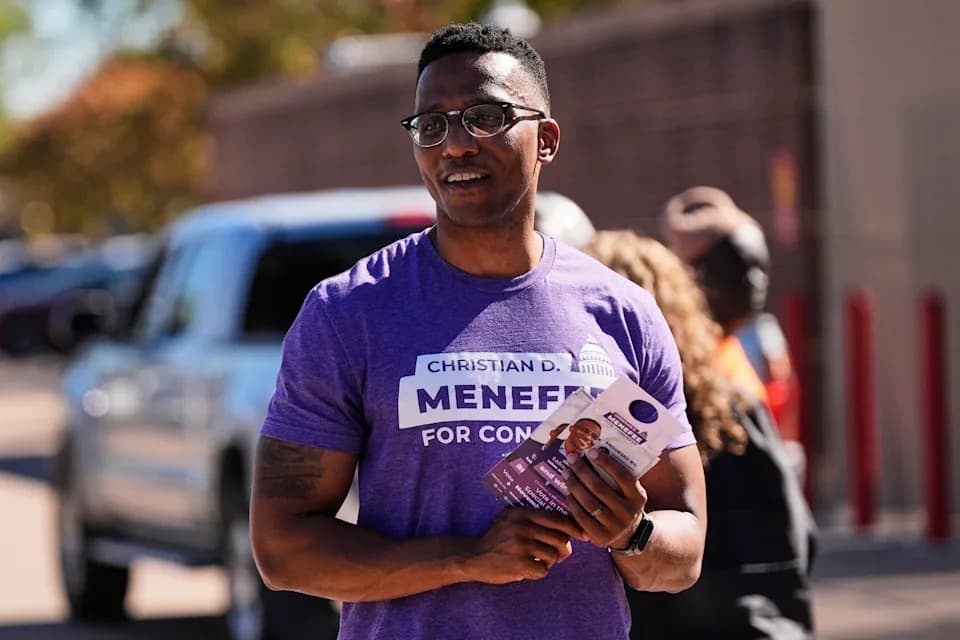
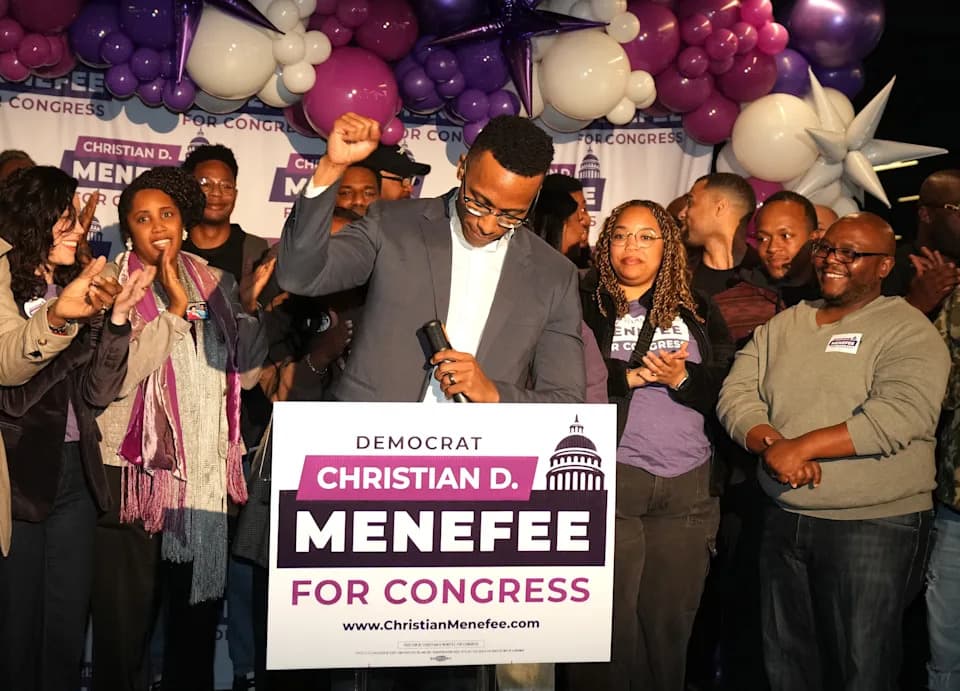
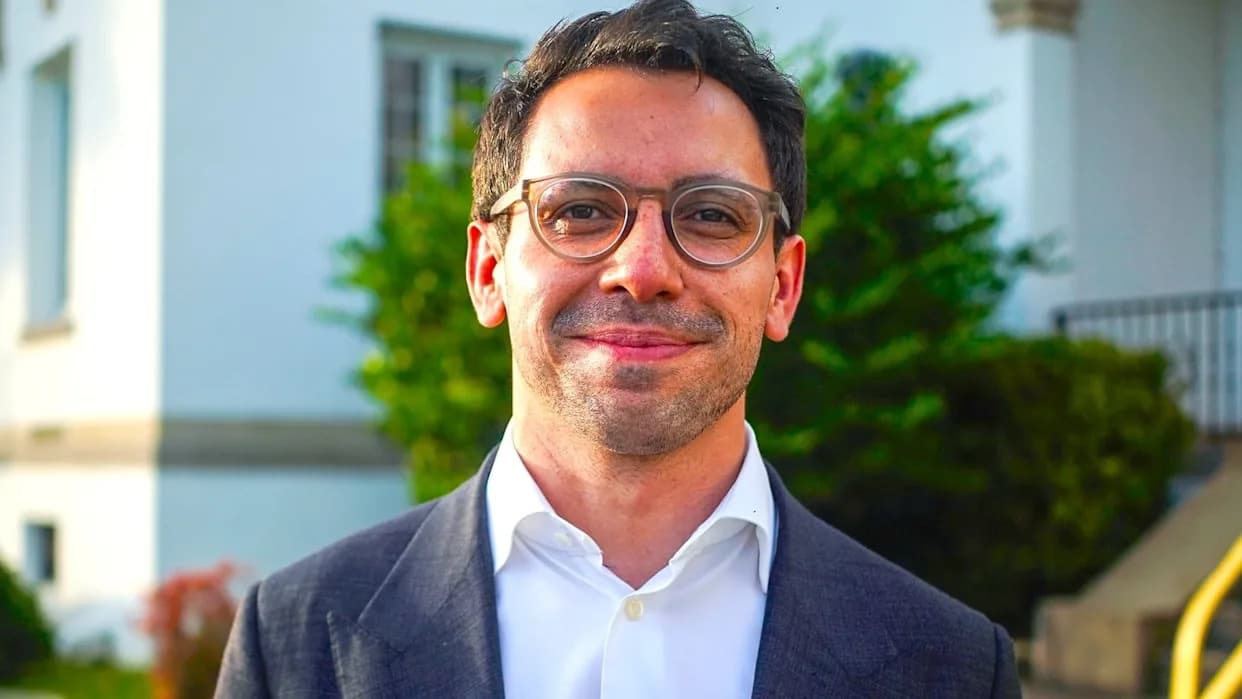
Democrats scored two unexpected wins in Texas special elections over the weekend that have energized their ranks and rattled Republican strategists. Christian Menefee won a Houston-area congressional runoff, narrowing the GOP's House majority to 218-214, while Democrat Taylor Rehmet flipped a Tarrant County state Senate seat, defeating Republican Leigh Wambsganss 57% to 43%.
Why These Results Matter
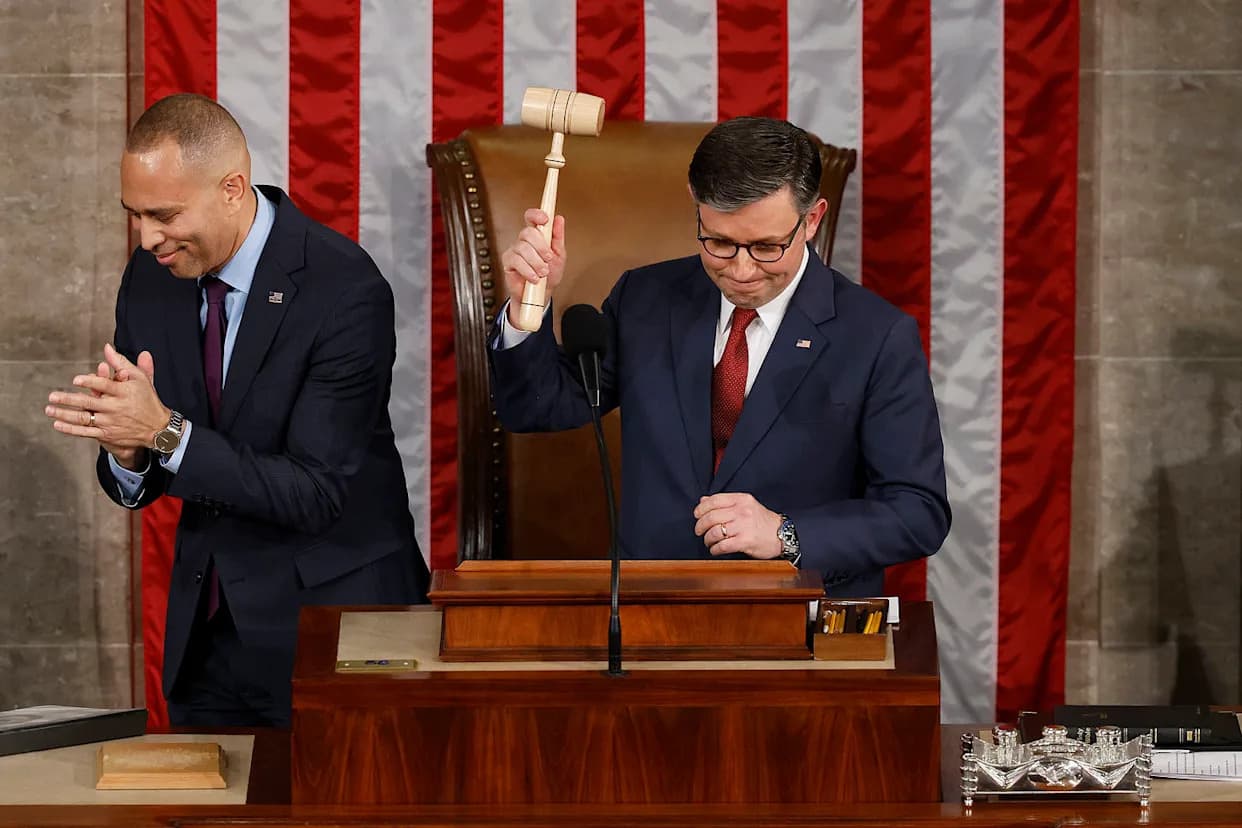
The congressional runoff result reduces Speaker Mike Johnson's working margin to a single vote on strictly party-line roll calls, assuming all alignments remain unchanged. The state Senate flip is especially striking because Democrats had not won that Tarrant County seat in more than four decades, and the district favored Donald Trump by roughly 17 points in 2024.
Campaigns, Turnout And Ground Game
Rehmet, a union leader, credited his victory to classic retail politics: "going and showing up, knocking doors, making phone calls and really listening." The special election was low-turnout and took place on a cold Saturday in January — factors Republicans say amplify the impact of energized Democratic voters. Political scientist Mark Jones observed that Democratic voters were simply more mobilized and that some moderate Republicans defected on Election Day.
Redistricting Trade-Offs
Last year's mid-decade redistricting in Texas — pushed publicly by former President Trump — aimed to net Republicans several congressional seats, particularly in South Texas. But experts say the maps came with trade-offs: in making some Democratic districts more favorable to Republicans, mapmakers also made a handful of solidly Republican districts somewhat more competitive. Joshua Blank of the Texas Politics Project warned that the plan appeared to rely on a narrow electoral snapshot and could have unintended consequences.
Reactions From Republicans And Democrats
Texas Lt. Gov. Dan Patrick called the outcome a "wake-up call," writing that "our voters cannot take anything for granted" and pledging to reclaim the seat in November. Florida Gov. Ron DeSantis urged Republicans to be "clear-eyed" about the political environment heading into the midterms. Former President Trump had endorsed Wambsganss and posted on social media to encourage turnout, but he cautioned reporters that it was unclear how transferable these special-election results are to wider races.
Democratic strategists celebrated the wins as evidence that focused outreach can produce surprising results. Texas strategist Chuck Rocha highlighted a notable shift among Latino voters, saying their movement back toward Democrats in this race should alarm Republicans. Jorge Martinez of Libre pointed to local immigration-enforcement actions as a factor that may have unsettled some independent and moderate voters.
Immediate Impact And What’s Next
Because the Texas Legislature is not scheduled to reconvene until 2027, Rehmet is unlikely to cast votes in Austin before then, making this victory symbolic but politically significant heading into November. Rehmet and Wambsganss will face each other again in the general election, while Menefee may face a tougher map after redistricting that puts him in the same district as Rep. Al Green.
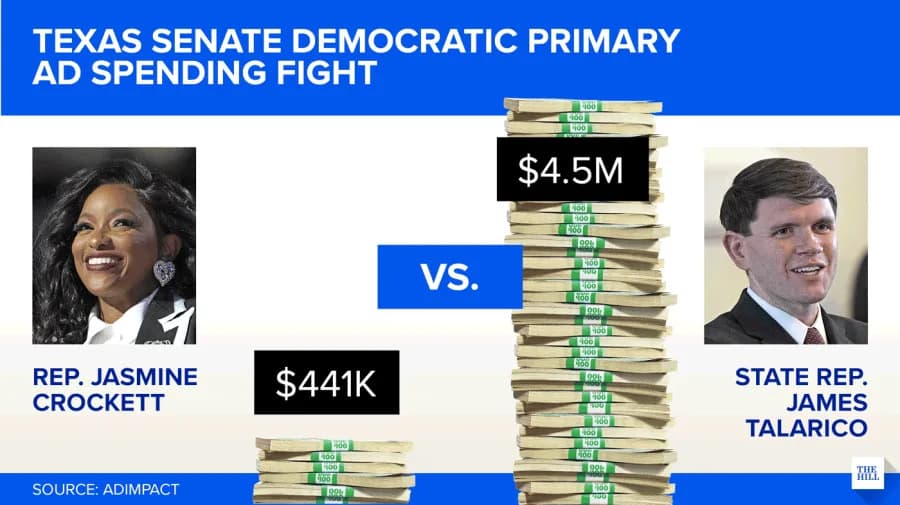
Early voting in Texas begins Feb. 17 for the March 3 primary. High-profile contests include the GOP Senate primary (featuring Sen. John Cornyn, AG Ken Paxton and Rep. Wesley Hunt) and the Democratic primary to challenge the GOP nominee (including Reps. Jasmine Crockett and James Talarico). Observers say these special-election outcomes are an early signal of campaign energy and voter priorities — especially on education, cost of living and immigration — to watch heading into the midterms.
Bottom line: The weekend's special-election results tightened the House margin and exposed vulnerabilities in some traditionally GOP areas, underscoring the importance of turnout, targeted ground operations and the trade-offs of redistricting.
Help us improve.