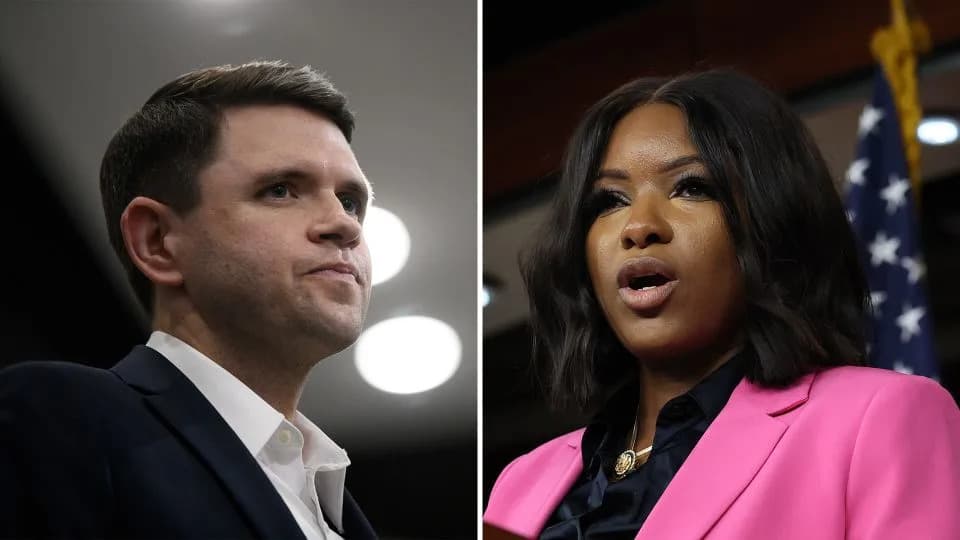
Top Texas Democratic Senate contenders Jasmine Crockett and James Talarico called for an overhaul — and, in Talarico's case, dismantling — of ICE hours after a deadly immigration-agent shooting in Minneapolis. Both backed impeachment inquiries into senior officials, urged Supreme Court reform or term limits, and debated how to pair border security with pathways to citizenship. They differed on strategy: Crockett stressed electability and targeted filibuster carveouts, while Talarico emphasized grassroots fundraising and eliminating the filibuster.
Texas Senate Debate Turns to ICE Overhaul After Minneapolis Shooting
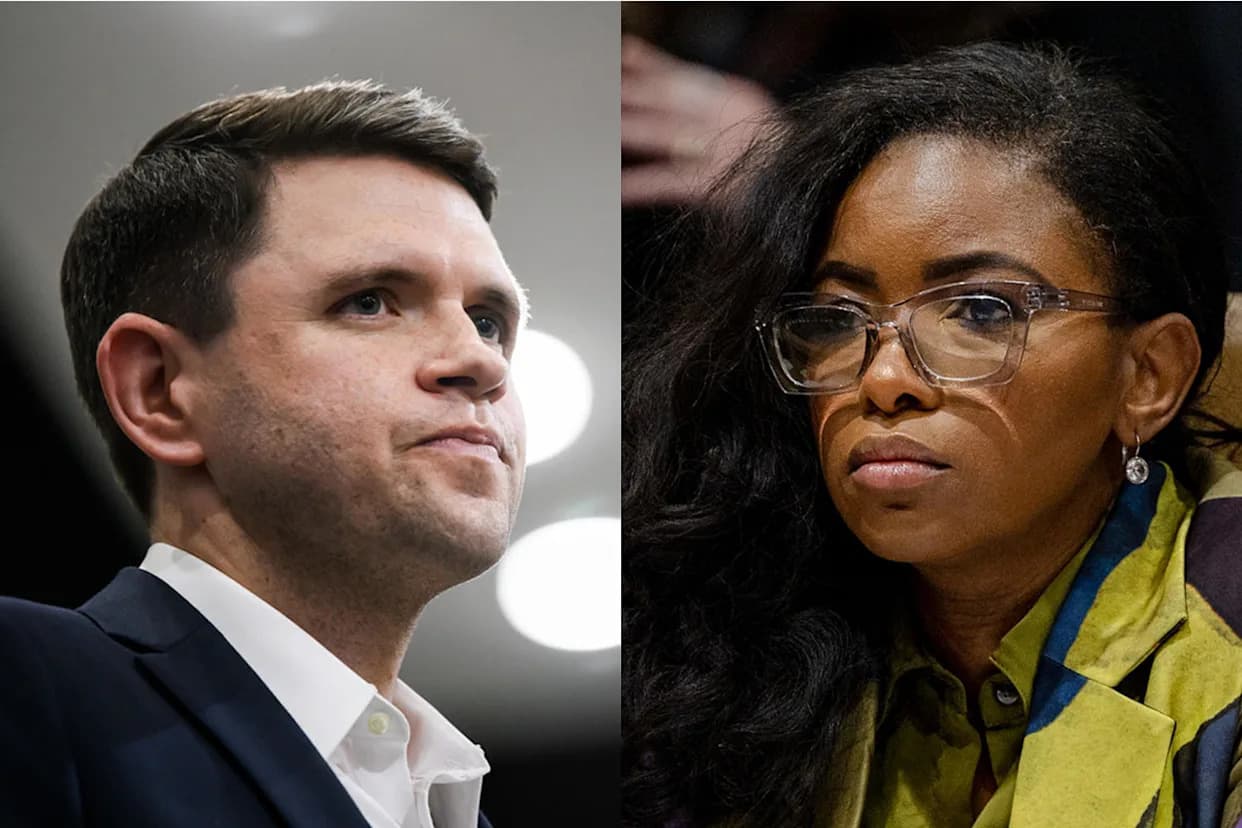
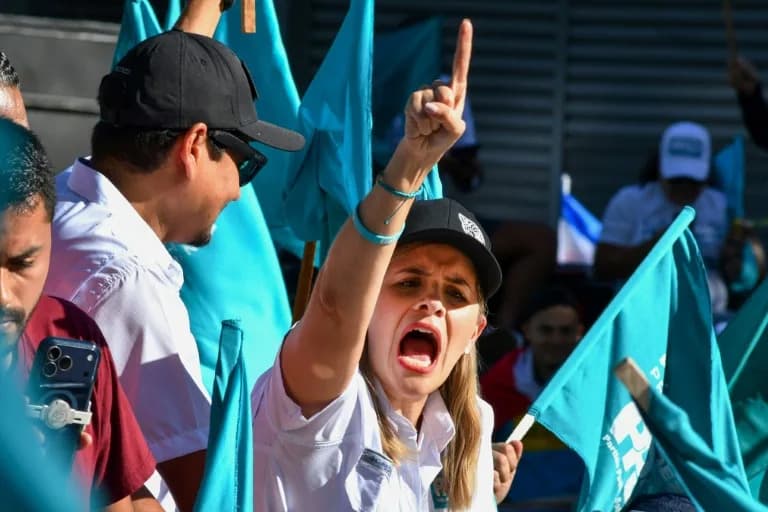
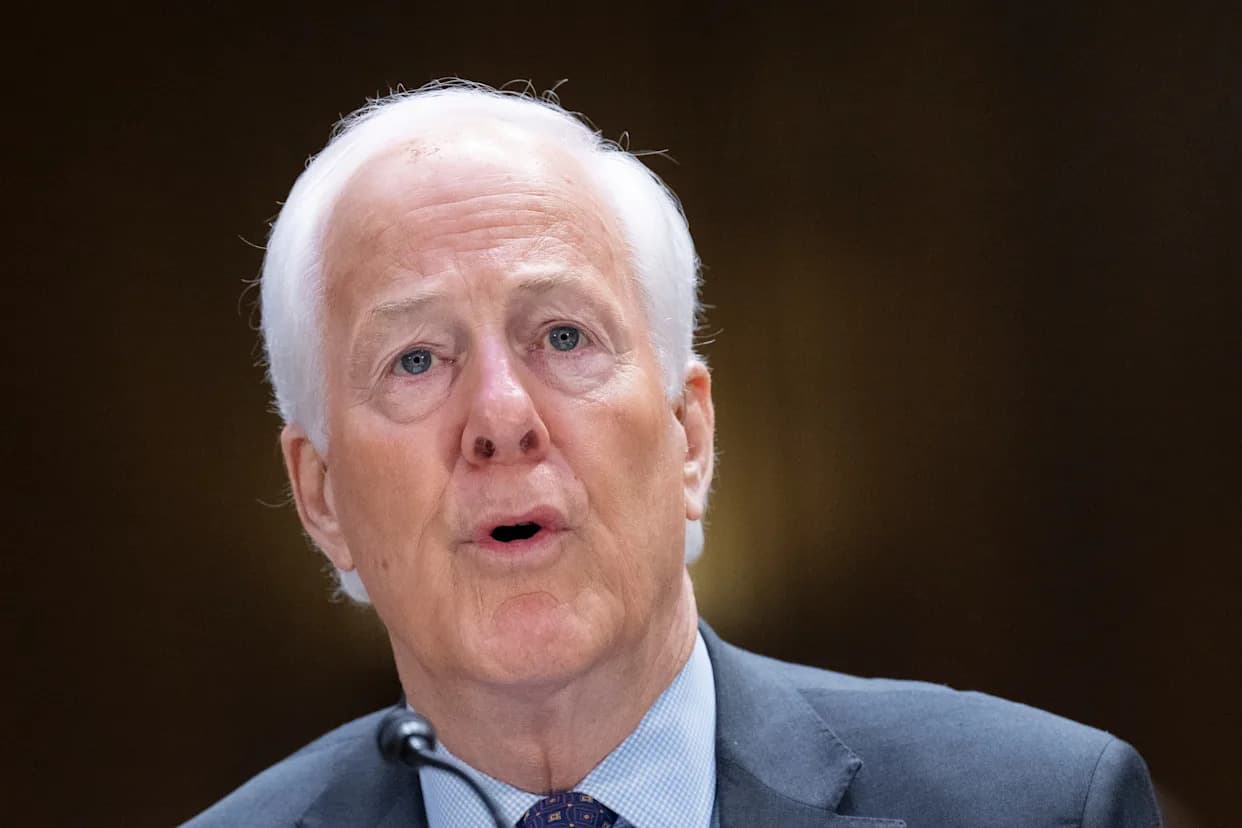
State Rep. James Talarico; Rep. Jasmine Crockett. (Getty Images)(Getty Images)
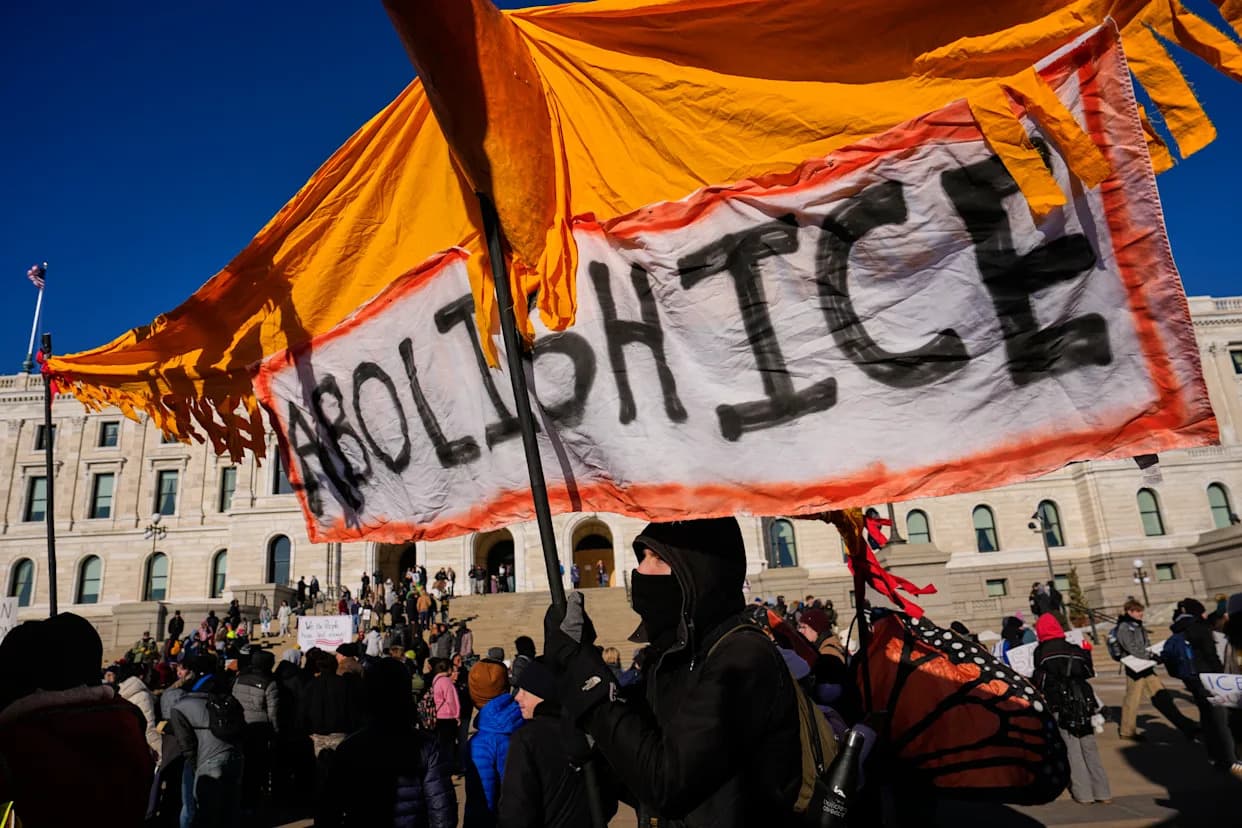
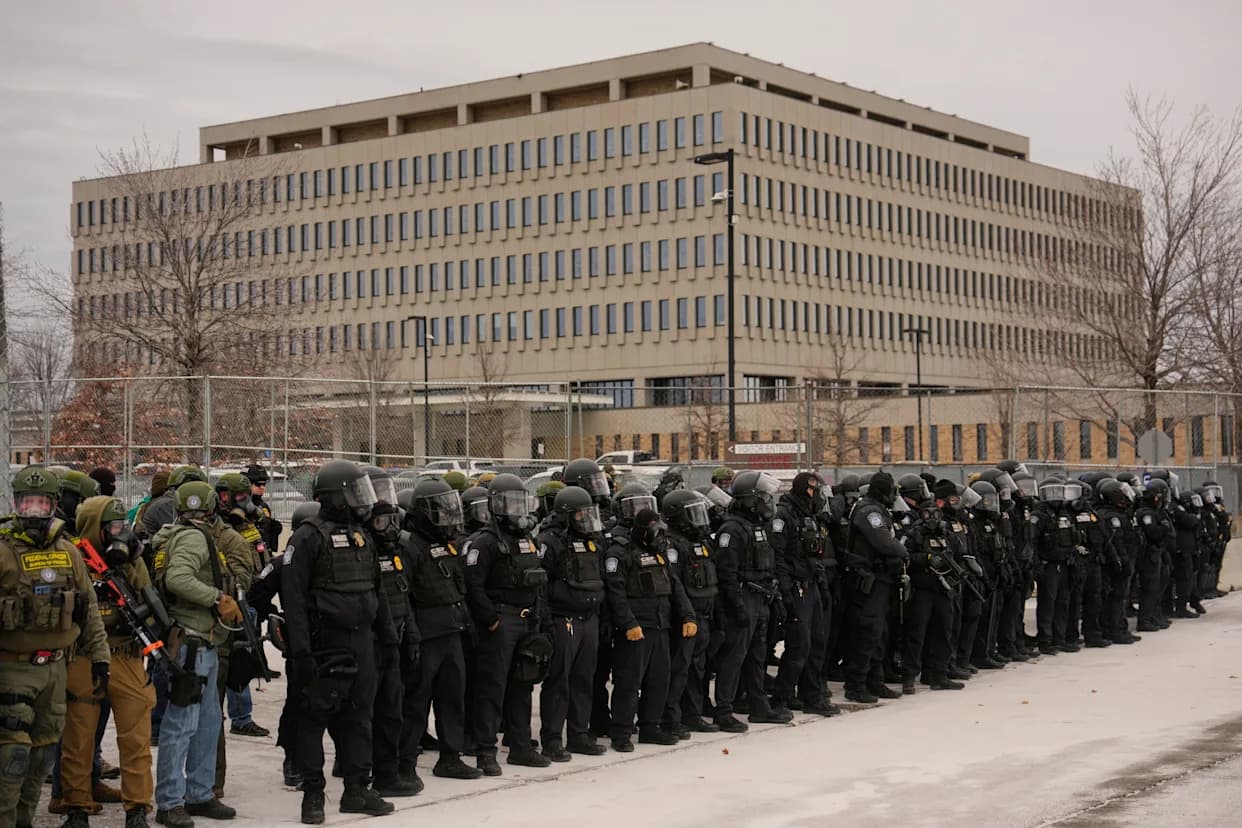
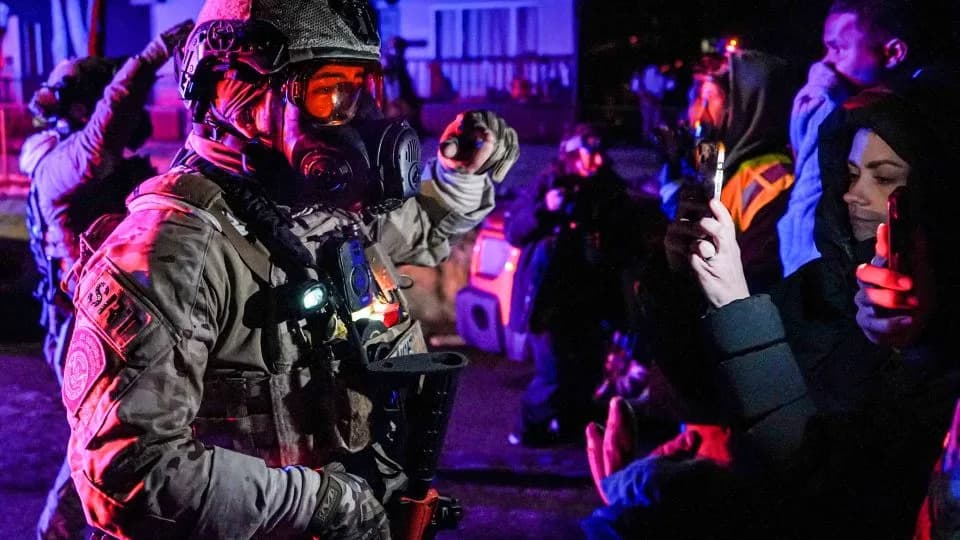
Hours after a deadly encounter in Minneapolis involving federal immigration agents, Texas Democratic Senate contenders Rep. Jasmine Crockett and state Rep. James Talarico appeared together at a debate and both called for a major overhaul — and in some language, the dismantling — of Immigration and Customs Enforcement (ICE).
Debate Context
The debate, hosted by the Texas AFL-CIO and moderated by Nexstar's KXAN-TV and The Dallas Morning News, came just weeks before the March 3 primary. Crockett and Talarico used the platform to emphasize sharp critiques of immigration enforcement and to stake out shared progressive priorities while drawing contrasts on strategy and electability.
Immigration Enforcement and ICE
Crockett opened by invoking the Minneapolis shooting to underline the stakes. "Listen, we are not looking at politics as usual. Just today, we just had another person gunned down in the streets in Minneapolis," she said, arguing that ICE has overreached and violated civil rights.
"There was no way I was going to continue to pump a historic amount of money into this rogue organization that is going out and is violating people’s rights every single day in American cities," Crockett said, explaining her vote against a Department of Homeland Security funding bill.
Talarico, who also called for accountability, used stronger dismantling language: "It’s time to tear down this secret police force and replace it with an agency that actually is going to focus on public safety," he said, citing several high-profile immigration-enforcement incidents as evidence the agency has become dangerous.
Balancing Border Security and Reform
Both candidates acknowledged the political realities of Texas, a state Donald Trump carried by 14 points in 2024, where many voters support deportation policies. Crockett framed the critique as a protection of civil liberties: ICE should enforce immigration law, not target U.S. citizens or documented residents. Talarico, drawing on his family ties to a Texas border town, advocated a balance: secure the border while creating pathways to citizenship for long-standing residents.
Impeachment, the Supreme Court and Other Priorities
On other issues, the two Democrats largely aligned. Both said senior officials, including Homeland Security Secretary Kristi Noem, deserve scrutiny and expressed support for impeachment inquiries; Crockett said President Trump had committed impeachable offenses, and Talarico said the administration had engaged in conduct deserving review.
They also discussed Supreme Court reform: Crockett supported expanding the court, while Talarico said he would be "open" to expansion and suggested term limits as an alternative to reduce partisanship.
Where They Differ
Strategic and tactical differences emerged. Crockett emphasized electability, arguing her profile with working-class, Black and female voters makes her the stronger November candidate and pledging a more confrontational approach to Trump and his allies. Talarico emphasized grassroots organizing and anti-billionaire messaging, noting his campaign has rejected corporate PAC money while also defending a past donation from a pro-gambling PAC tied to GOP megadonor Miriam Adelson as unrelated to his current platform.
They also split on filibuster strategy: Talarico supports eliminating the filibuster outright; Crockett favors targeted carveouts for key issues such as voting rights.
Closing Notes
The debate underscored high stakes for Democrats seeking to flip a Republican-leaning Senate seat in Texas. Both candidates framed the race as consequential for civil rights, the courts, campaign finance and immigration policy — and as a test of the party's ability to win statewide in November.
Help us improve.