Kyrgyzstan held a surprise parliamentary election that critics say lacked meaningful party competition and could further concentrate power in President Sadyr Japarov's hands. About 4.3 million voters were asked to choose 90 MPs from 467 candidates, with 30 seats reserved for women. Observers warn that weakened party structures, recent detentions of opponents and an ongoing energy crisis risk strengthening executive control amid competing Russian and Chinese influence.
Snap Kyrgyz Parliamentary Vote Poised to Cement President Sadyr Japarov's Power

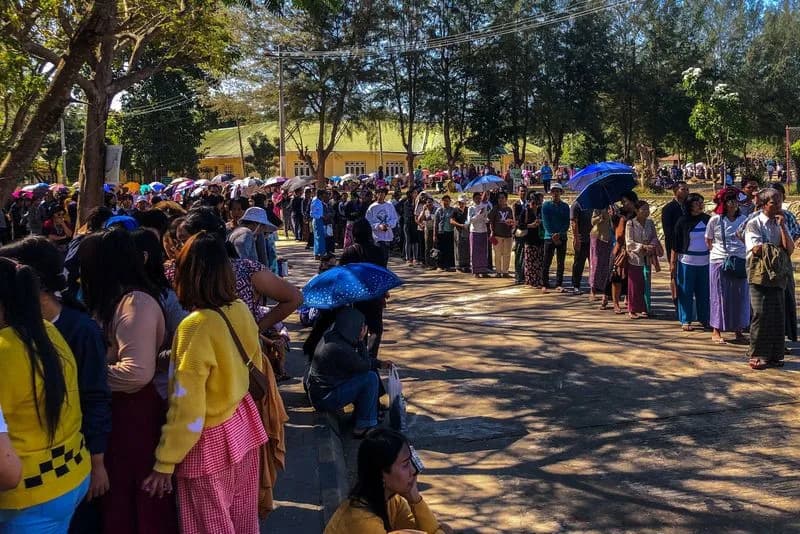
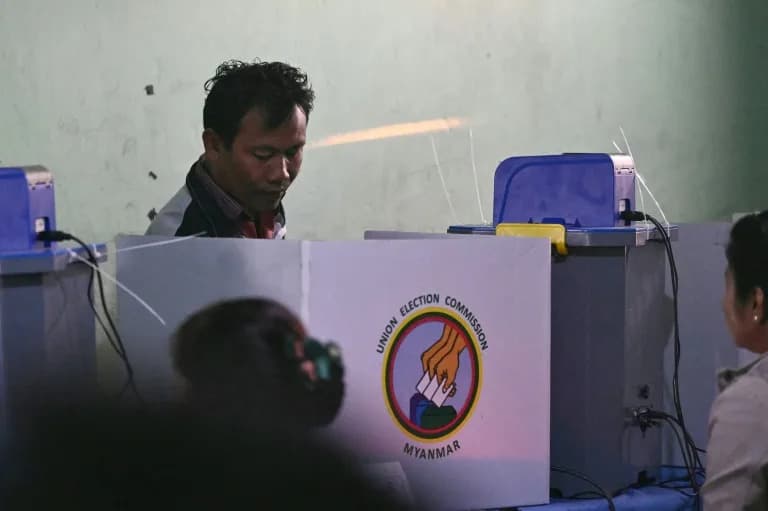
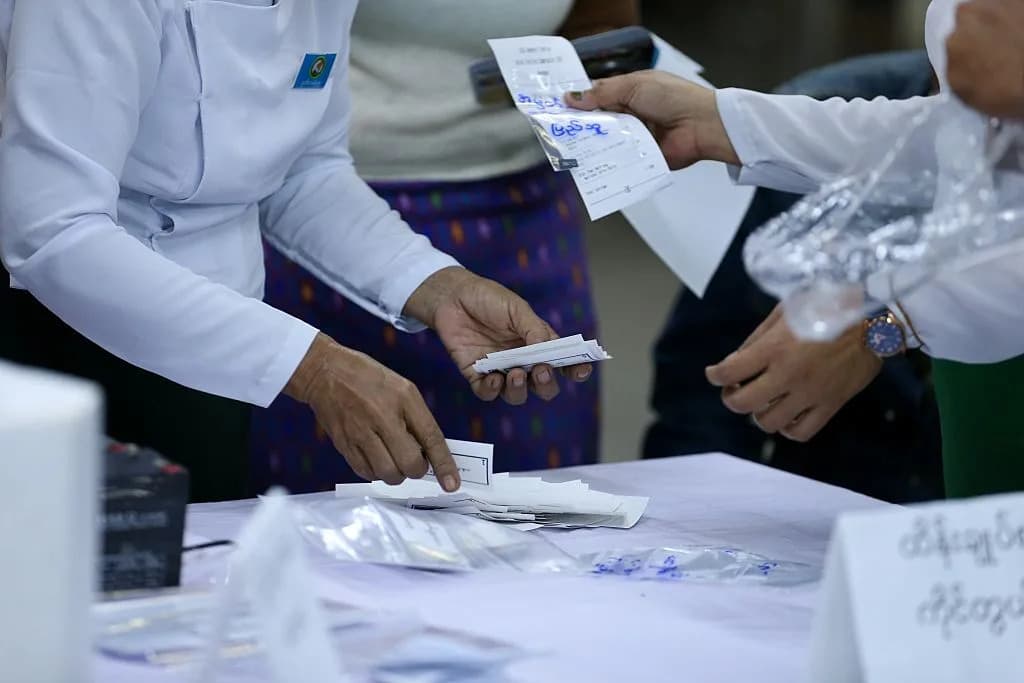
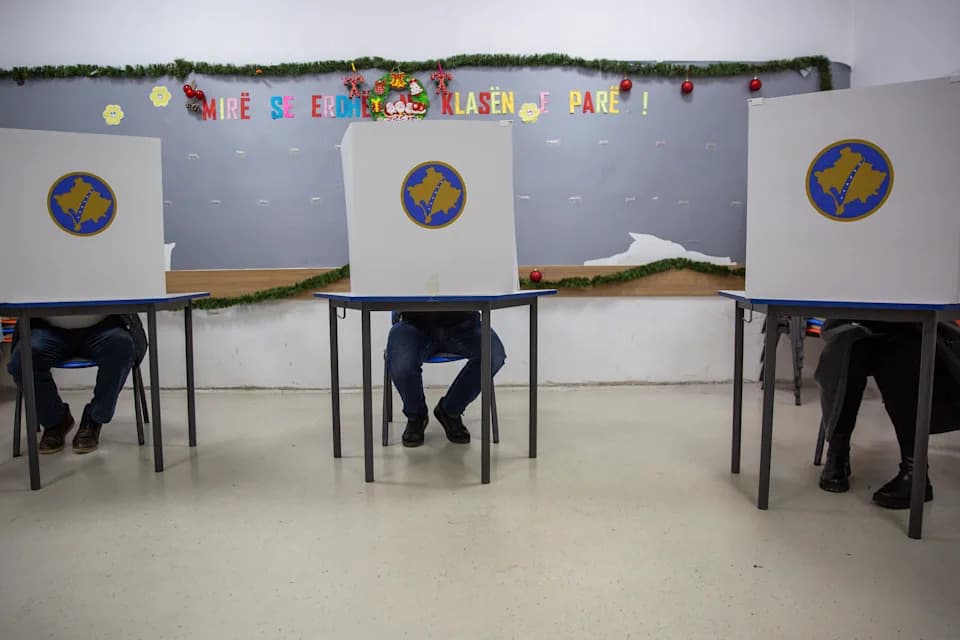
Kyrgyzstan held a snap parliamentary election on Sunday that critics say lacks genuine opposition and formal party competition, a vote that could further consolidate the authority of President Sadyr Japarov. Polling stations opened at 8:00 a.m. local time. About 4.3 million registered voters were called to choose 90 members of parliament from a field of 467 candidates; at least 30 seats are reserved for women.
Political context
Once regarded as one of Central Asia's more open societies, Kyrgyzstan has experienced three revolutions since the Soviet collapse (2005, 2010 and 2020). Since coming to power after the 2020 upheaval, President Japarov has pushed changes that critics say amount to a rollback of democratic checks and balances. He has publicly pledged to curtail future upheavals, declaring,
"From now on, you will only see coups in your dreams,"and has asserted confidence that he could win an overwhelming share of the vote in future presidential contests.
Electoral changes and restrictions
Human rights groups and media-watchers report a deterioration of press freedom and restrictions on dissent. In the days before the election, authorities detained several of Japarov's critics, adding to a list of politicians and journalists accused by the state of plotting coups.
Although official records show hundreds of registered political parties, recent changes to the electoral rules have weakened party structures: only one party qualified to participate in this ballot compared with 16 in 2020. Observers warn that the absence of strong, organized parties makes results harder to interpret and reduces the ability of MPs to form coherent policy platforms.
Emil Dzhuraev, a professor at the OSCE Academy in Bishkek, said: "Where there are no strong parties, people vote by district, based on the personalities of individual candidates. Naturally, this does not lead to any political development. This leads to the further strengthening of executive power."
Demographics, economy and migration
Roughly two-thirds of Kyrgyzstan's population of about seven million are under 35 and have no living memory of the Soviet era. Yet close ties with Russia remain important: Russian retains official language status, and remittances from Kyrgyz labour migrants in Russia account for roughly a quarter of national GDP. Local reporting indicates dozens of Kyrgyz nationals have been killed after being recruited to fight for Russia in Ukraine.
Speaking about economic drivers of migration, 20-year-old student Daniel Medetbek Uulu said: "People mainly leave because wages are low. Authorities should raise wages and build factories to create jobs so people can work in Kyrgyzstan."
Energy, climate and infrastructure
Kyrgyzstan is one of the world's most mountainous countries; high glaciers supply vital water reserves that feed major hydroelectric facilities such as the Toktogul plant. Climate-driven reductions in water availability have undermined hydro output and contributed to electricity shortages—an issue that became a central theme of the campaign. The president has accused rivals of overstating the crisis to manipulate public opinion.
Geopolitics and foreign investment
Major powers—the European Union, the United States, Russia and China—compete for influence in strategically important Central Asia. China has become Kyrgyzstan's largest trading partner through increased investment tied to its Belt and Road infrastructure projects. While these investments boost economic activity, the growing presence of Chinese businesses and visitors has provoked unease among some segments of the population.
Implications
With weakened party structures, a curtailed opposition and tightened executive control, the parliamentary outcome is likely to produce a legislature less able to check the presidency. Observers say the election's format and surrounding arrests make it difficult to read voter intent and raise concerns about the future balance of power in Kyrgyz politics.
Help us improve.