Key takeaway: The military‑backed Union and Solidarity and Development Party (USDP) secured a commanding share of contested seats in Myanmar’s three‑phase election, held amid a civil war and widespread repression. Critics—including ASEAN, rights groups and Western governments—denounced the vote as a sham, while the junta insisted it was legitimate. Parliament is due to meet in March to elect a president and a new administration is expected in April; turnout was about 55% and fighting prevented voting in many areas.
Military-Backed USDP Claims Sweeping Victory in Myanmar Election Amid Ongoing Civil War
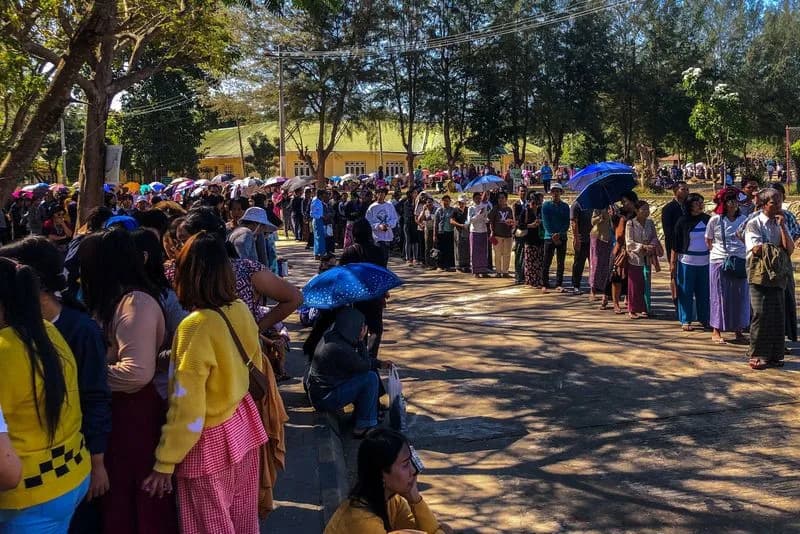
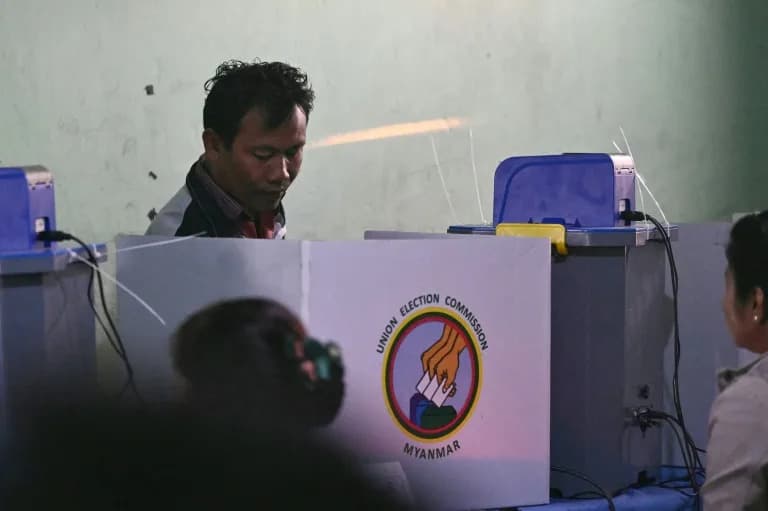
FILE PHOTO: People queue to cast their votes at a polling station during Myanmar's general election in Naypyitaw, Myanmar, December 28, 2025. REUTERS/Stringer/File Photo
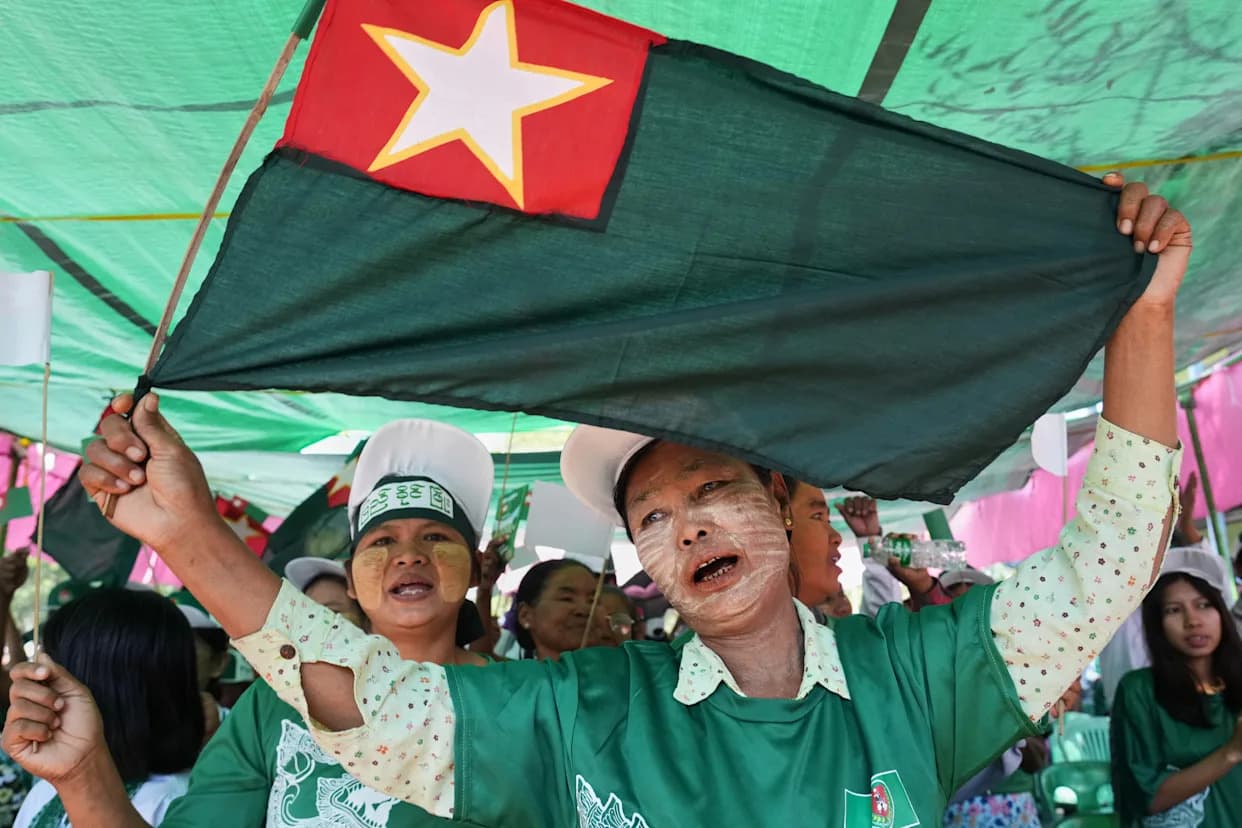
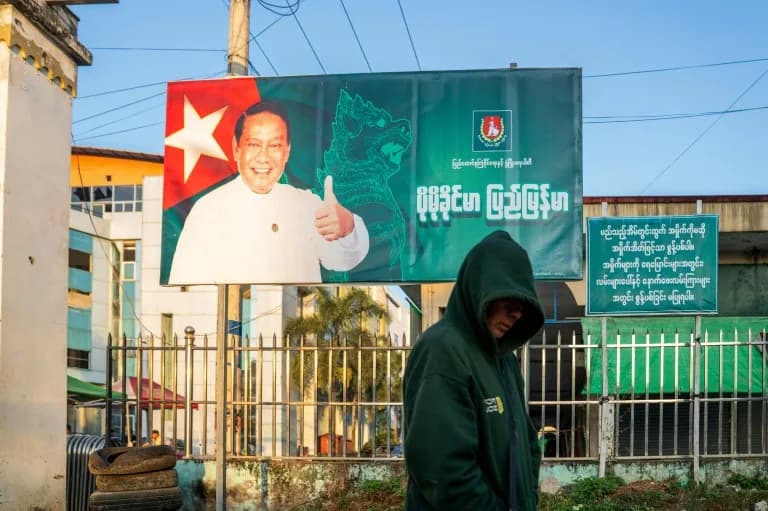
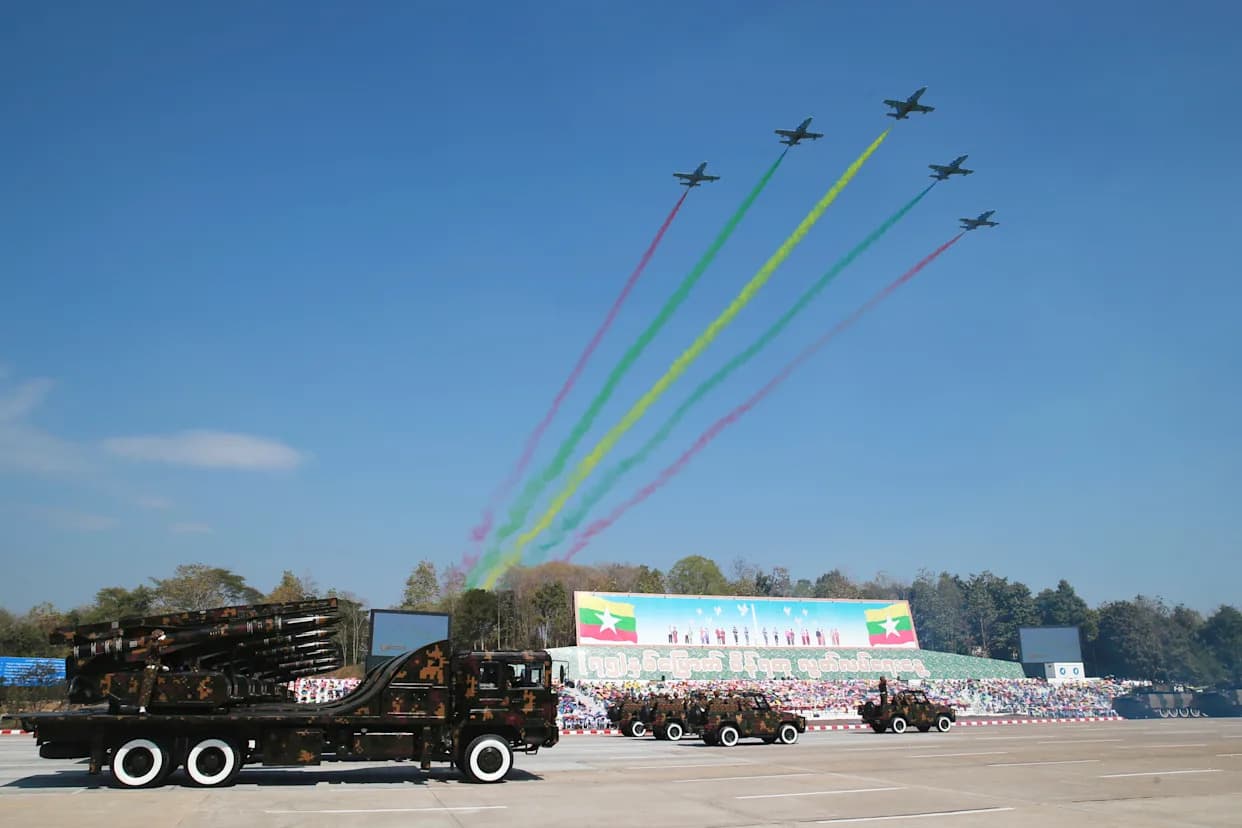
State media reported on Jan. 30 that Myanmar's military‑backed Union and Solidarity and Development Party (USDP) has won a decisive majority across the country's three‑phase general election, concluding a tightly controlled voting process held amid civil war and widespread repression.
Results and Timeline
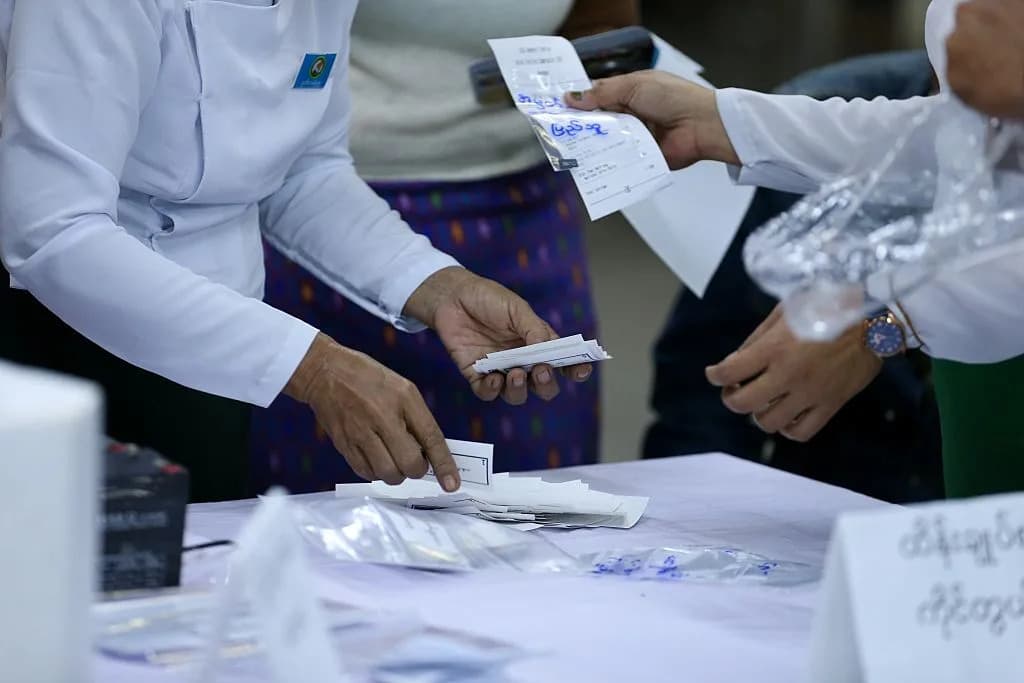
According to results released Thursday and Friday, the USDP captured 232 of the 263 contested seats in the lower house (Pyithu Hluttaw) and 109 of the 157 seats announced so far in the upper house (Amyotha Hluttaw). Voting began on Dec. 28 and concluded in late January. Pro‑military Eleven Media Group, citing junta spokesman Zaw Min Tun, reported that parliament is expected to convene in March to elect a president, with a new administration due to take office in April.
Domestic and International Reaction
The election was widely criticised. The 10‑plus1 member Association of Southeast Asian Nations (ASEAN) declined to endorse the process, and human rights groups and several Western governments called the vote a sham. The military government, however, maintains the polls were free, fair and supported by the public.
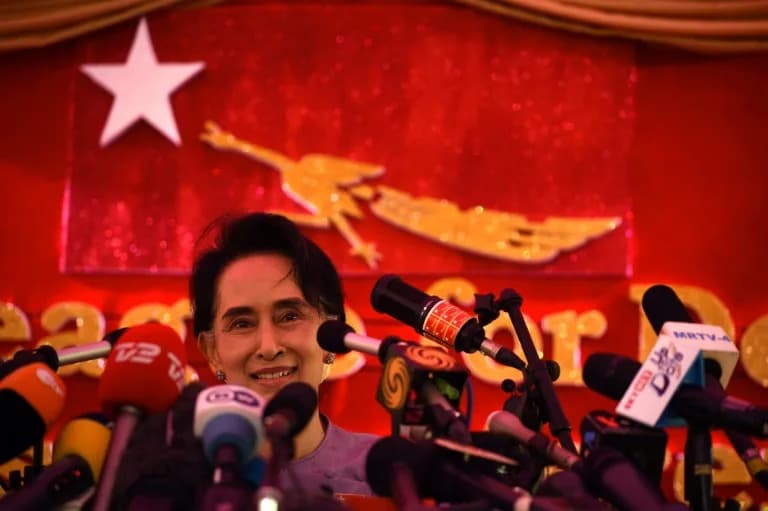
Many opposition forces were sidelined: Nobel laureate Aung San Suu Kyi's National League for Democracy (NLD) was dissolved, dozens of parties were deregistered, and some parties chose not to participate—moves critics say were intended to entrench military rule. Under Myanmar's constitution, the armed forces (Tatmadaw) are guaranteed 25% of parliamentary seats, ensuring continued influence even after a civilian administration takes office.
USDP: A Proxy for the Tatmadaw
The USDP, founded in 2010 after decades of military rule, is widely viewed as a political vehicle for the armed forces. Chaired by a retired brigadier general and staffed with former senior officers, the party fielded 1,018 candidates—about one‑fifth of all registered contestants.
“Regardless of any changes among political parties or organizations in the country, Tatmadaw continues to carry out its responsibilities for national defence and security faithfully and without neglect up to the present day,” junta chief Min Aung Hlaing was quoted as saying by state media.
Turnout and Disruptions
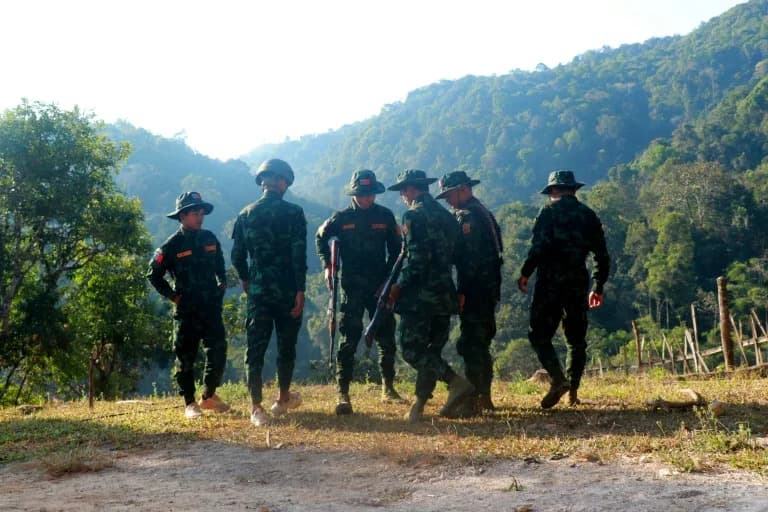
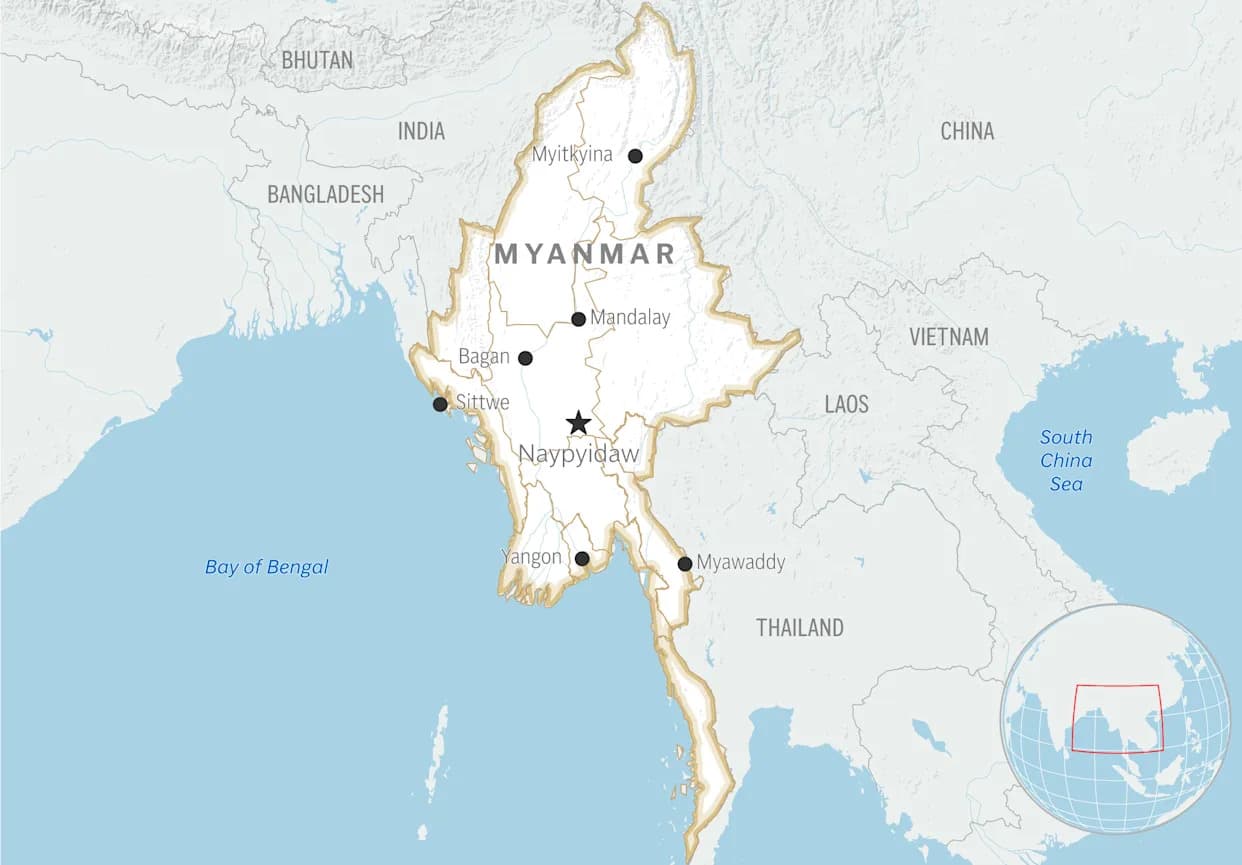
Voter turnout across the three phases was roughly 55%, down from about 70% in previous national polls. Balloting took place in 263 of Myanmar’s 330 townships; voting was cancelled in many areas because of ongoing clashes between the military, ethnic armed groups and local resistance forces that have fought since the 2021 coup.
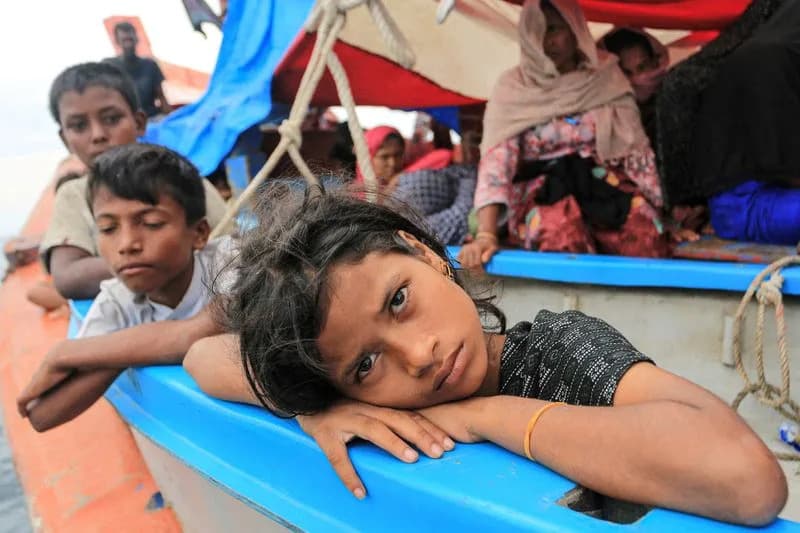
The United Nations estimates some 3.6 million people have been displaced since the coup that toppled the elected government in 2021, underscoring the humanitarian toll accompanying the political crisis.
Outlook
With the USDP dominant in contested seats and the Tatmadaw guaranteed a parliamentary bloc, Myanmar’s next government is expected to be closely aligned with the military. International pressure and non‑recognition by some states and organisations are likely to shape diplomatic and economic responses in the coming months as the new parliament prepares to select a president.
Help us improve.