The pro-military Union Solidarity and Development Party says it has won Kawhmu, the former seat of Aung San Suu Kyi, as Myanmar continues a month-long vote criticised as engineered to bolster junta rule. The USDP reported winning 15 of 16 lower house seats in Yangon after phase two, while official phase-one results gave it nearly 90% of lower house seats. Critics highlight a constitutionally reserved 25% of seats for the military, ongoing civil conflict with an estimated 90,000 dead (ACLED), and more than 22,000 political detainees (AAPP), raising serious doubts about the poll's legitimacy.
Pro-Military USDP Says It Won Aung San Suu Kyi’s Former Kawhmu Seat As Junta-Run Vote Draws Criticism

Myanmar's military deposed democratic leader Aung San Suu Kyi in 2021 after claiming she won a landslide election victory by massive voter fraud (ROMEO GACAD)(ROMEO GACAD/AFP/AFP)
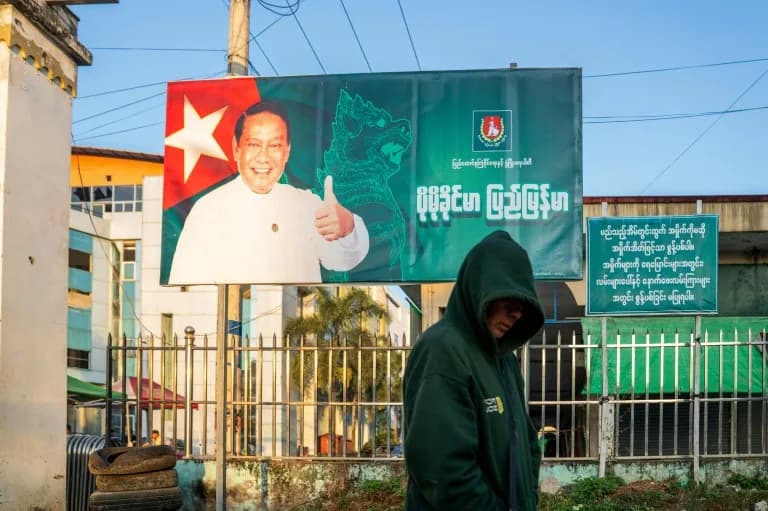
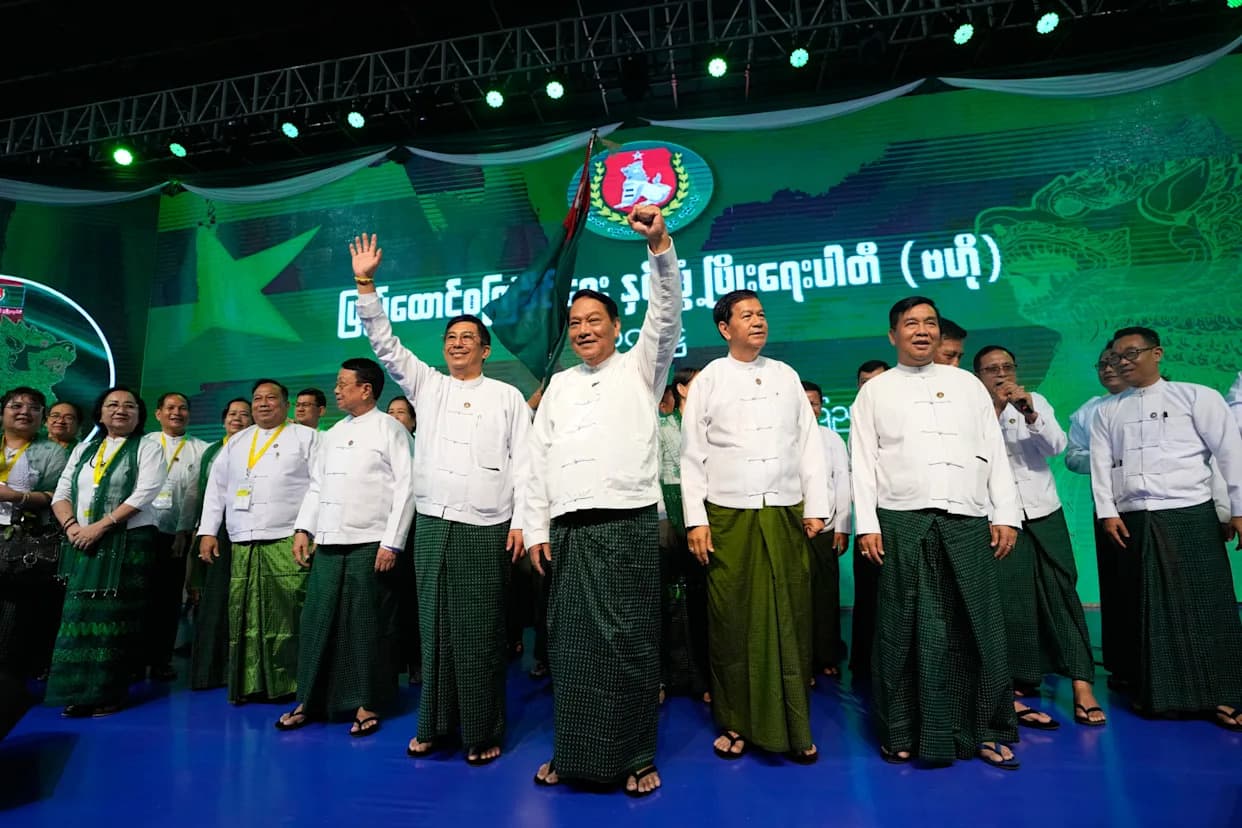
The Union Solidarity and Development Party (USDP), Myanmar's main pro-military party, on Monday claimed victory in Kawhmu — the parliamentary constituency formerly held by Aung San Suu Kyi — as a month-long, junta-run election continues toward its final phase on January 25.
Election Claim and Context
An unnamed USDP official, speaking because they were not authorised to release results, said the party 'won in Kawhmu' and reported winning 15 of 16 lower house seats in Yangon region after the second stage of voting. Formal results for the second round have not yet been published by the election commission, which critics say is stacked by the junta.
Background: Coup and Contested Ballot
Myanmar's armed forces have dominated the country for much of its post-independence history. A decade-long democratic opening ended with the 2021 coup, when the military seized power, deposed and detained Aung San Suu Kyi, and alleged her earlier electoral victory involved widespread fraud.
The junta says the current vote will return authority to the people. Democracy advocates counter that the ballot has been undermined by a crackdown on dissent, the dissolution of Suu Kyi's National League for Democracy, and an electoral field stacked with military-friendly candidates.
'It should surprise no one that the military-backed party has claimed a landslide victory,' UN rights expert Tom Andrews said, adding that the junta had 'engineered the polls to ensure victory for its proxy, entrench military domination, and manufacture a facade of legitimacy.'
Seat Allocation, Conflict and Restrictions
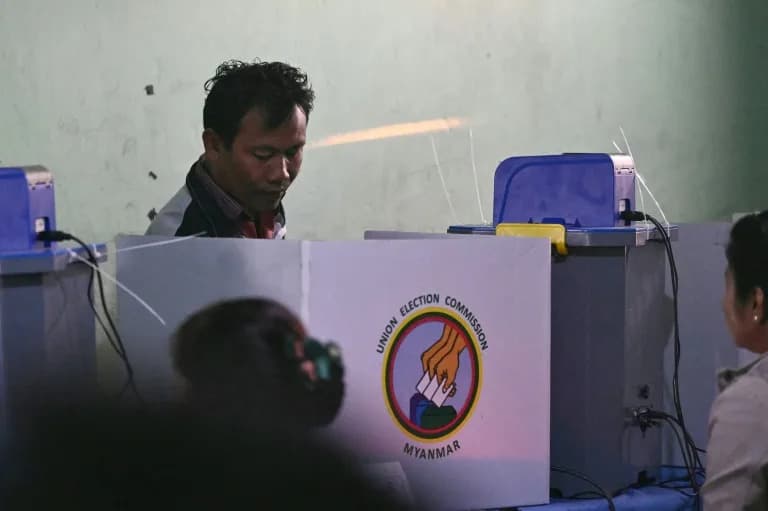
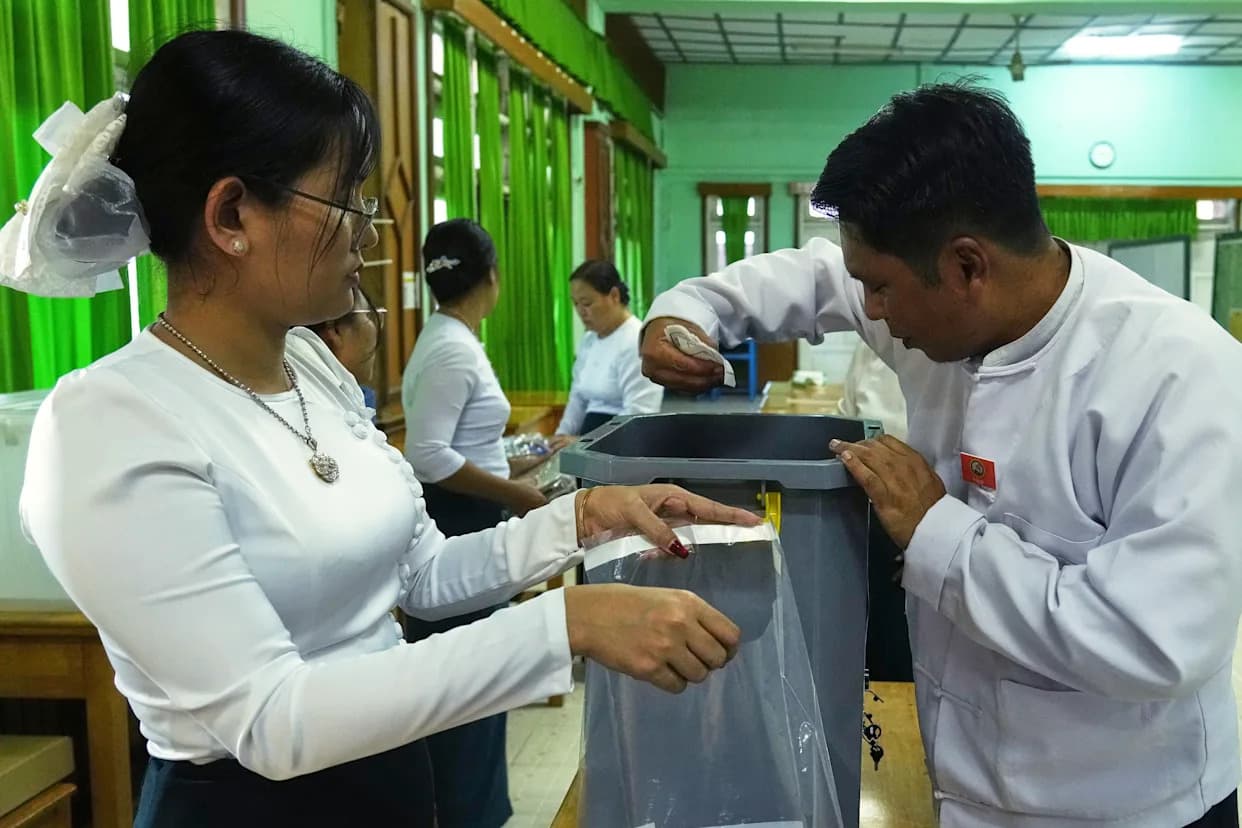
Official results from the election's first phase show the USDP secured nearly 90% of lower house seats, according to junta figures. Regardless of vote totals, Myanmar's constitution — drafted under earlier military rule — guarantees the armed forces one quarter of parliamentary seats.
The 2021 coup plunged the country into widespread armed conflict. Voting is not taking place across large areas controlled by rebel groups that have set up parallel administrations in defiance of the military. Monitoring group ACLED estimates roughly 90,000 people have been killed since the coup, and reported that the first phase of voting on December 28 saw 52 violent incidents and 68 fatalities — the highest single-day toll in eight months.
Repression and Detentions
The junta has enacted new laws that criminalise protest and criticism of the vote; more than 330 people are being pursued under those provisions. Advocacy group the Assistance Association for Political Prisoners (AAPP) estimates that more than 22,000 political detainees, including Aung San Suu Kyi, remain in junta custody.
International observers and rights groups say these factors — restricted voting in many areas, a commission perceived as biased, legal penalties for dissent and mass detentions — call into question the credibility and legitimacy of the election process.
Help us improve.