Kosovo detained 109 people in a probe of alleged ballot manipulation that has prompted a full recount of the Dec. 28 parliamentary election. Prosecutors in Prizren say the suspected fraud may involve 68,017 ballots there; the recount is expected to take several weeks. Prime Minister Albin Kurti’s Vetevendosje won roughly 51% of the vote, but the dispute risks delaying parliament and government formation and could force another snap election if a president is not chosen by early March.
Kosovo Detains 109 in Vote-Fraud Probe as Full Recount of Dec. 28 Election Begins
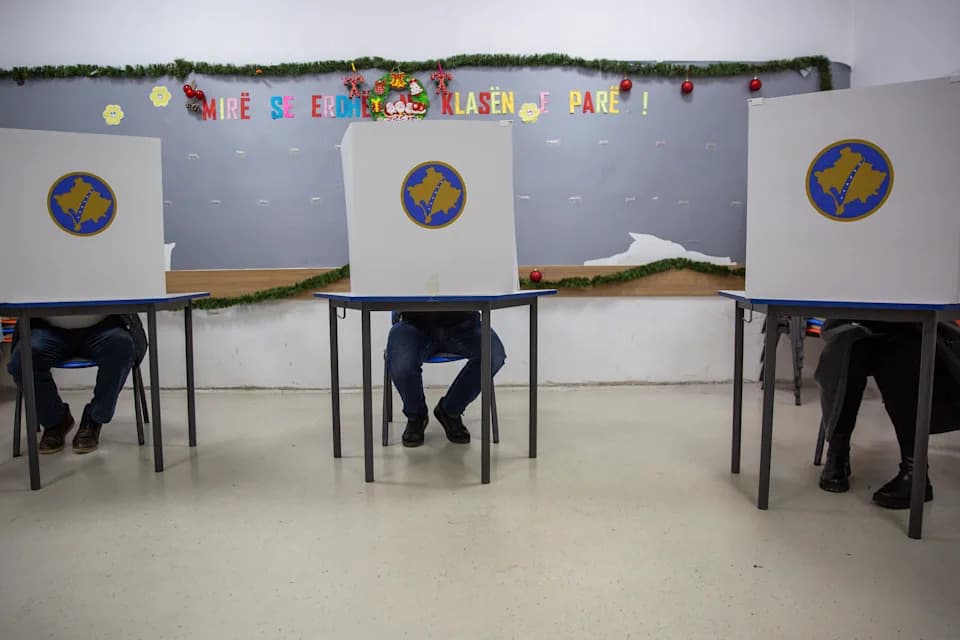
Voters fill their ballots behind voting booths for early parliamentary election in Kosovo's capital Pristina, Sunday Dec. 28, 2025. (AP Photo/Visar Kryeziu)(ASSOCIATED PRESS)
Authorities in Kosovo announced on Friday that 109 people have been detained in connection with alleged ballot manipulation that prompted a full recount of the Dec. 28 early parliamentary election.
Probes and Allegations
Prosecutors in the southern municipality of Prizren said the detainees face charges including falsifying election results, exerting pressure, threats and bribery. Chief local prosecutor Petrit Kryeziu told reporters that investigators believe some 68,017 ballots in Prizren may have been affected.
Recount Underway
The State Election Commission ordered a complete recount earlier this week after flagging widespread irregularities. Officials say the recount is expected to take several weeks. They have indicated, however, that the overall allocation of seats is unlikely to change because the alleged manipulation appears to concern votes for individual candidates within parties rather than wholesale tampering of party totals.
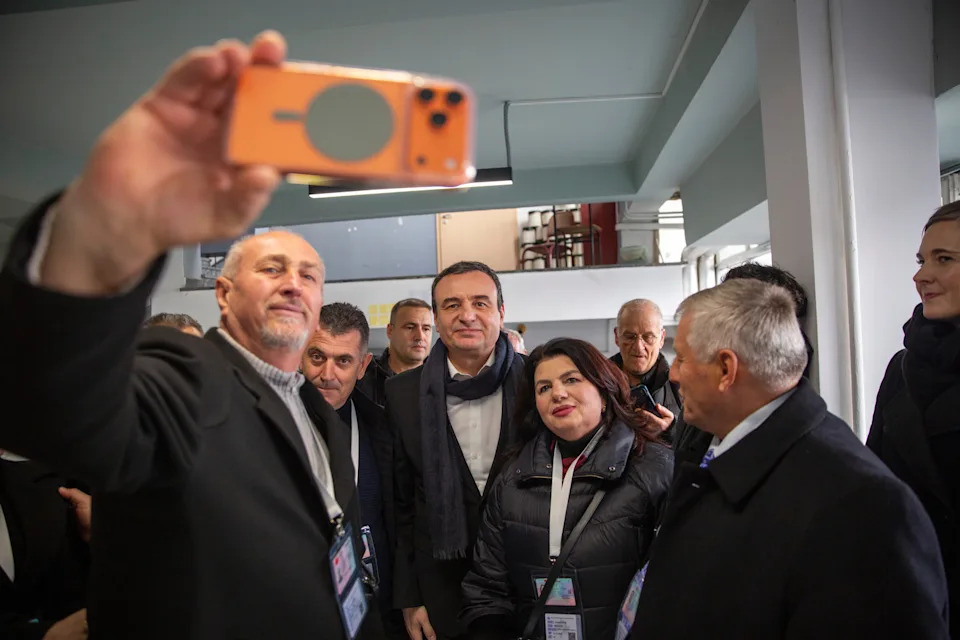
People take a photo with Kosovo's acting prime minister and leader of VeteVendosje political party Albin Kurti after voting in Kosovo's capital Pristina, Sunday Dec. 28, 2025. (AP Photo/Visar Kryeziu)(ASSOCIATED PRESS)
Political Impact and Risks
Turnout in the Dec. 28 vote was roughly 44% of Kosovo’s 1.9 million registered voters. Prime Minister Albin Kurti’s Vetevendosje (Self-Determination) movement secured about 51% of the ballots in December. The party had also won the most votes in a February 2025 election but failed to form a government then, a stalemate that produced the snap vote last month.
Observers and political actors warn the recount could delay the formation of the new parliament and government, extending a yearlong political crisis. Kosovo is already operating without an approved budget, and if lawmakers miss an early March deadline to elect a president, the constitution would trigger another snap election.
Background
Kosovo declared independence from Serbia in 2008 following the 1998–99 conflict. It remains one of Europe’s poorest economies and is among six Western Balkan countries seeking eventual membership in the European Union.
Associated Press. Jovana Gec contributed from Belgrade, Serbia.
Help us improve.