Bangladesh will hold parliamentary elections on February 12, the first national vote since the July 2024 student uprising that toppled Sheikh Hasina. About 127 million voters will elect 350 MPs across 300 constituencies while deciding a referendum on the July National Charter 2025. The main contenders are the BNP under Tarique Rahman and a Jamaat-led alliance that includes the new National Citizen Party; the Awami League remains banned and Hasina is in exile. Interim chief adviser Muhammad Yunus and Army Chief General Waker-Uz-Zaman are pivotal to ensuring a credible, stable vote.
Bangladesh Vote: Key Parties, Leaders and Power Brokers Ahead of February 12
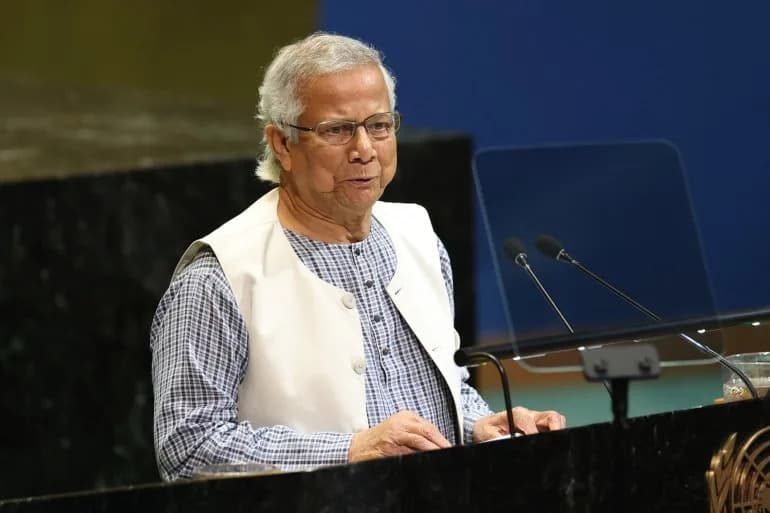
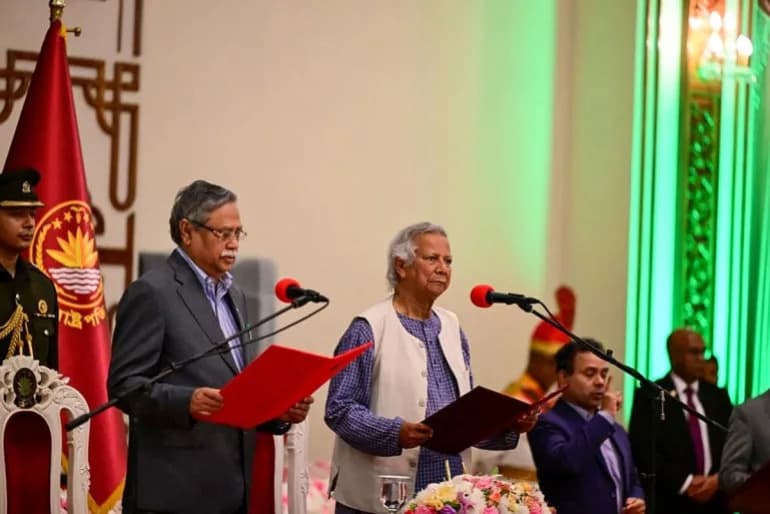
Muhammad Yunus addresses the United Nations General Assembly in New York, US [File: AFP]
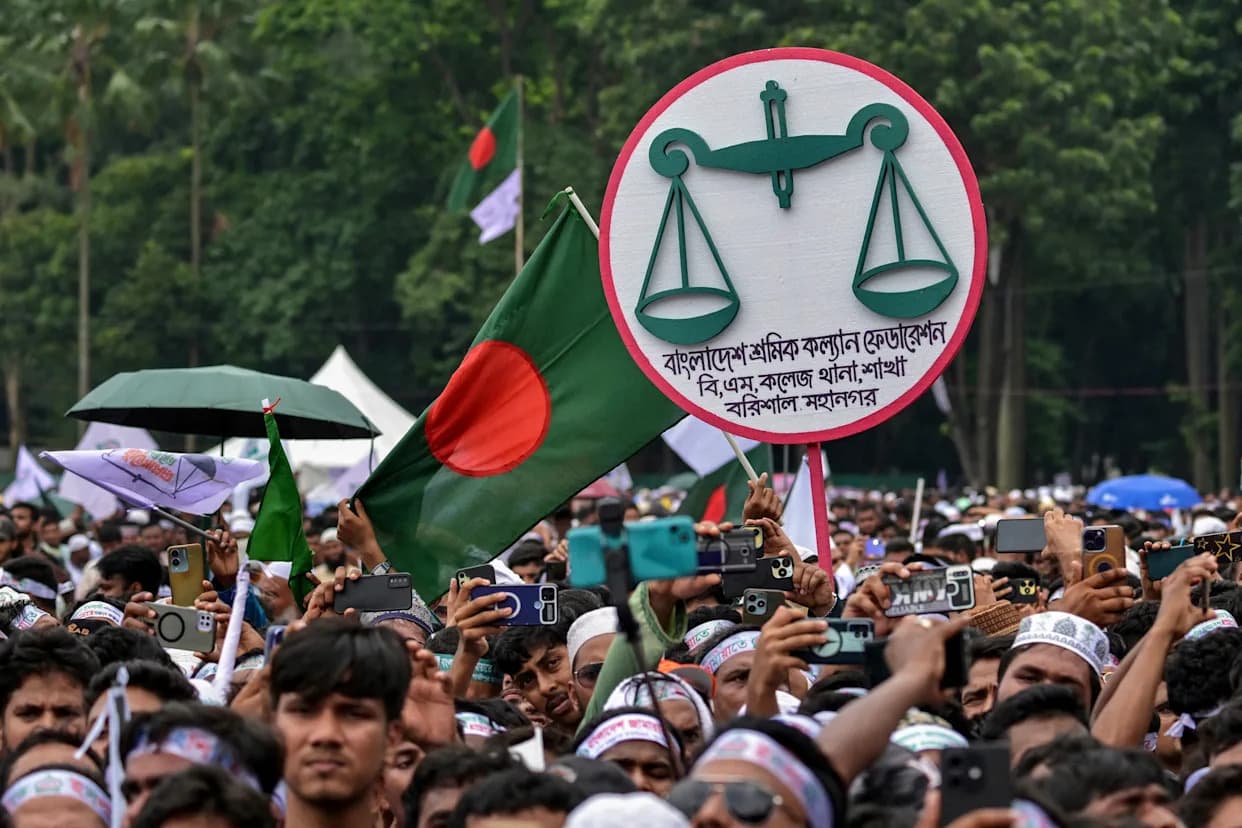
Bangladesh will hold parliamentary elections on February 12, the first nationwide vote since the July 2024 student uprising that toppled long-time leader Sheikh Hasina. About 127 million registered voters are eligible to elect 350 members of the Jatiya Sangsad across 300 constituencies. A simultaneous referendum will ask citizens to approve or reject the July National Charter 2025, a set of governance reforms developed after the protests.
Caretaker Government and Context
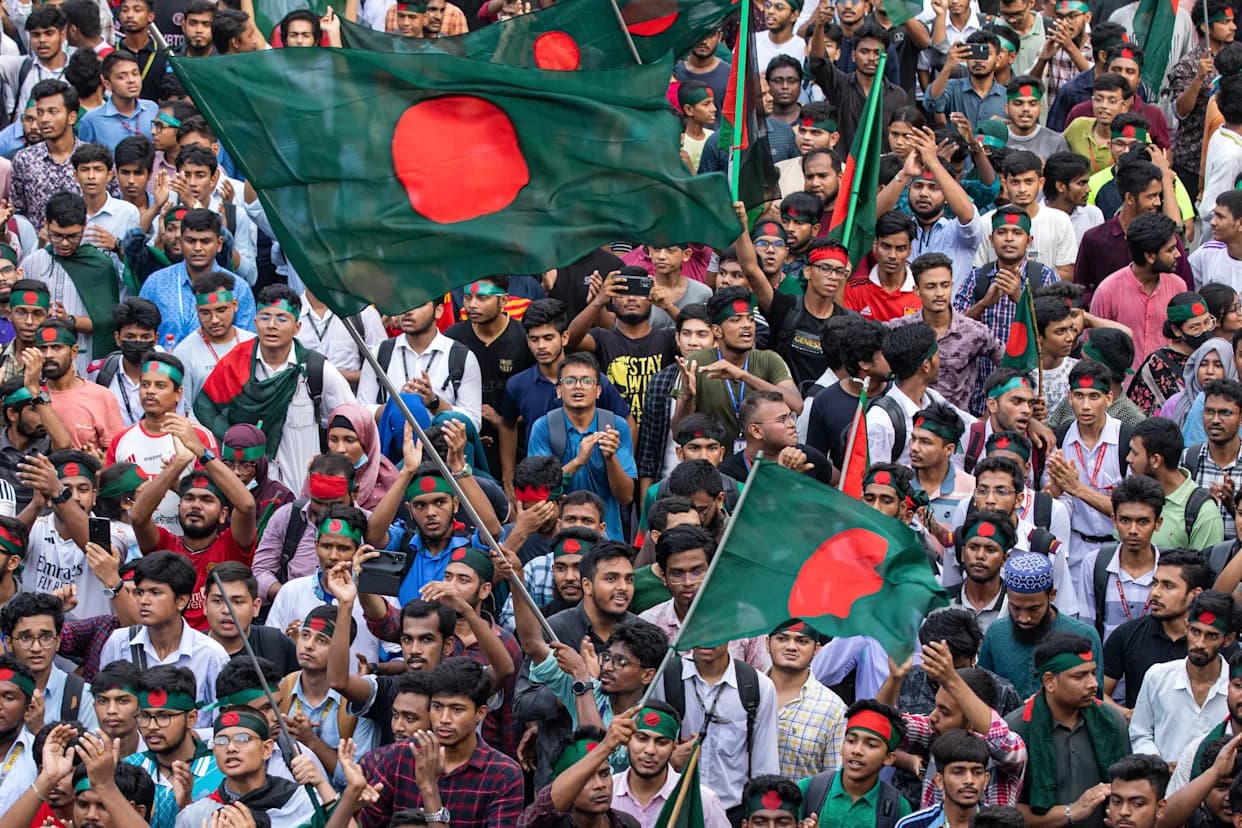
A caretaker administration led by Nobel laureate Muhammad Yunus has overseen the transition since August 2024, when student-led demonstrations ended Hasina's long rule. Human rights groups and local sources say a violent crackdown ordered by Hasina left roughly 1,400 people dead. Hasina was subsequently sentenced to death in absentia by a Bangladeshi tribunal and remains in exile in India; her Awami League party is currently banned from political activity and barred from contesting the election.
Two Principal Blocs and Notable Independents
The main national contest pits two blocs against each other: the Bangladesh Nationalist Party (BNP), leading a coalition of 10 parties, and a Jamaat-e-Islami (Jamaat) led alliance of 11 parties that includes the newly formed National Citizen Party (NCP). Other contenders, such as Islami Andolan Bangladesh (which broke from Jamaat) and the Jatiya Party (historically linked with the Awami League), are campaigning independently and could influence local outcomes and post-election coalitions.
BNP: Revival Under Tarique Rahman
Led by Tarique Rahman, son of former prime minister Khaleda Zia, the center-right BNP has re-emerged as a principal contender. Founded in 1978 by Ziaur Rahman on a platform of Bangladeshi nationalism, the BNP has alternated in power with the Awami League for decades. A December survey by the International Republican Institute (IRI) indicated roughly 33% support for the BNP during a month when it briefly distanced itself from Jamaat.
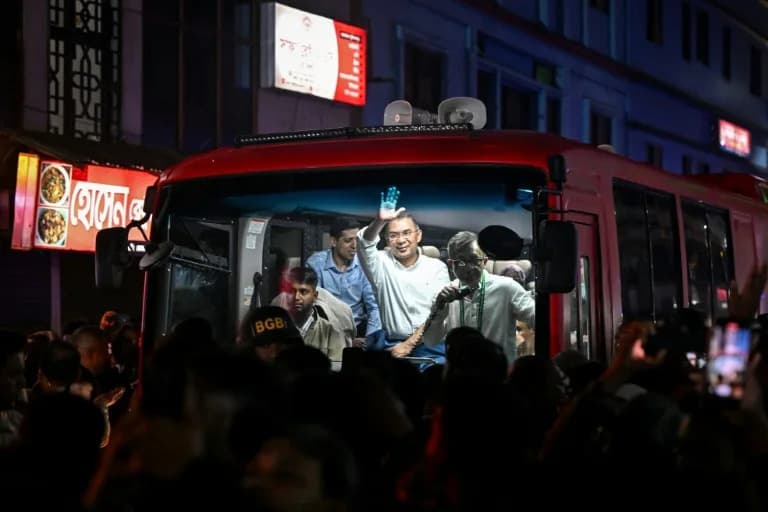
Tarique Rahman, who lived in London after leaving Bangladesh in 2008, returned to Dhaka on 25 December 2025 and has campaigned on inclusive appeals across religious and ethnic lines and on pledges to improve infrastructure, health care and youth opportunity. Analysts say the BNP has become more organized and disciplined since his return, drawing large crowds at rallies and moderating public rhetoric to broaden appeal.
Jamaat-e-Islami: Restored And Reorganizing
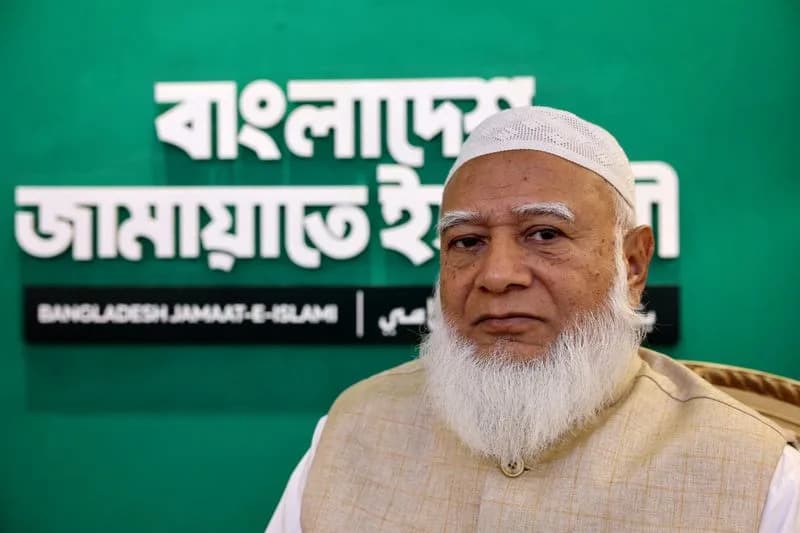
Jamaat-e-Islami, founded in 1941 and long controversial for its opposition to Bangladesh's independence in 1971, had been banned from elections until the Supreme Court restored its registration in June 2025. Under leader Shafiqur Rahman, the party has rebuilt its grassroots networks and formed an 11-party alliance that includes the NCP and the Liberal Democratic Party. An IRI survey placed the Jamaat-led alliance near 29% support.
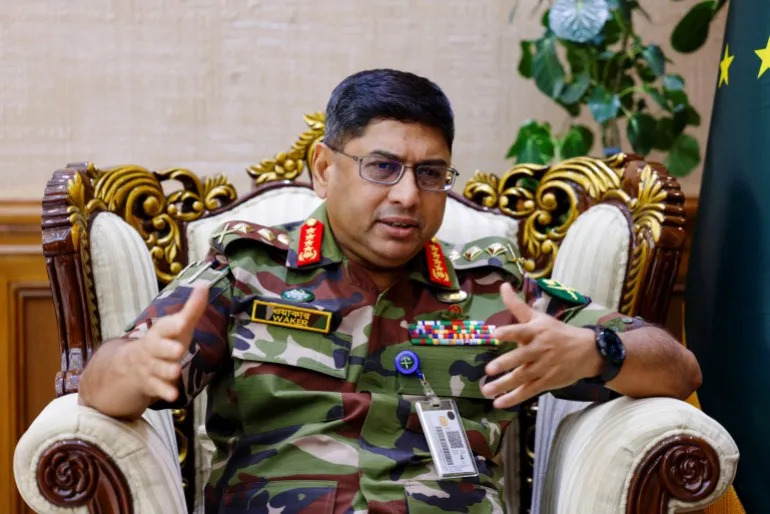
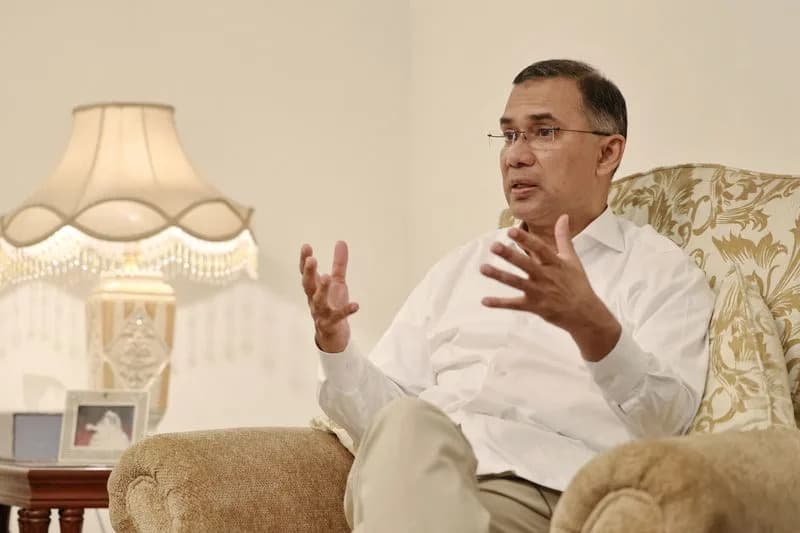
General Waker-uz-Zaman gestures during an interview with Reuters at his office in the Bangladesh army headquarters in Dhaka [File: Mohammad Ponir Hossain/Reuters]
Jamaat's resurgence has raised concerns among critics who fear a more prominent role for Islamist politics could threaten civil liberties, especially for women and religious minorities. Party leaders deny such intentions and emphasize electoral outreach, including fielding a Hindu candidate in Khulna as part of a broader effort to attract non-Muslim voters.
National Citizen Party (NCP): From Protest Movement to Electoral Partner
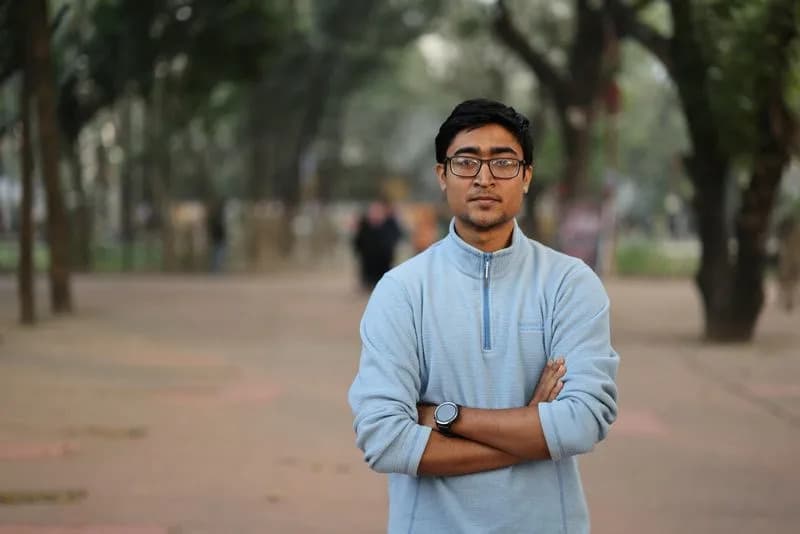
The NCP was formed in February 2025 by student leaders of the July 2024 protests. Led by 27-year-old Nahid Islam, the party campaigns on anti-corruption, press freedom, greater women's representation and improved regional ties. Lacking funds and experience, the NCP joined Jamaat's alliance to secure electoral tickets; the move provoked internal resignations and public debate about the costs of such strategic alliances.
Power Brokers: Muhammad Yunus And The Army Chief
Beyond party leaders, two non-electoral figures are central to the post-crisis transition. Muhammad Yunus, as chief adviser of the interim government, is overseeing the vote and promoting the July National Charter 2025, the product of the Constitution Reform Commission (CRC) he established. The charter proposes anticorruption measures, electoral reforms and new policing rules, and will be decided in the referendum held alongside the parliamentary election. Critics have questioned whether the referendum process fully satisfies constitutional requirements.
The other pivotal figure is Army Chief General Waker-Uz-Zaman. While the military is not contesting power at the ballot box, it is responsible for security during voting and retains the ability to shape political outcomes during a crisis. In September 2024 General Zaman pledged support for the interim government and set an 18-month timeline for elections, underscoring the military's influence over the transition's stability.
Hasina In Exile And The Risk Of Unrest
Sheikh Hasina, now in India and barred from Bangladesh political activity, has denounced elections that exclude her party. In media messages she warned that 'a government born of exclusion cannot unite a divided nation' and argued that banning major political participation risks deepening resentment. Dhaka's foreign ministry criticized India for allowing Hasina to address the public, while the interim government has prohibited her speeches from Bangladeshi media and sought her extradition after the in‑absentia conviction.
Analysts say Hasina remains a polarizing figure whose influence could contribute to unrest as the election approaches, particularly among Awami League supporters suddenly deprived of formal representation on the ballot.
What’s At Stake
The parliamentary election and the July Charter referendum will shape Bangladesh's political trajectory after a turbulent period of protests, a violent crackdown, and the temporary exclusion of a dominant party. Voters will decide not only representation across hundreds of constituencies, but also whether to accept sweeping governance reforms. The outcome will affect civil liberties, the balance between religious and secular politics, and the country's regional relationships for years to come.
Key Data: Approximately 127 million registered voters; 350 parliamentary seats across 300 constituencies; simultaneous referendum on the July National Charter 2025.
Help us improve.