Harris Neck, a Gullah Geechee community in coastal Georgia, was uprooted in 1942 when federal authorities seized 2,687 acres to build a wartime airfield. Descendants organized into the Harris Neck Land Trust (2005) and the Direct Descendants of Harris Neck Community (2019) to seek restitution, cultural restoration and a proposed 500-acre land transfer. Small gains include a 2007 county resolution and a 2020 memorandum of understanding with the U.S. Fish and Wildlife Service, but legal and political obstacles persist. Annual commemorations, tours and educational programs are preserving the community’s history and passing traditions to younger generations.
Harris Neck: Gullah Geechee Descendants Fight to Reclaim Land Taken in 1942

Harris Neck, a once-thriving Gullah Geechee community on Georgia’s coast, was largely uprooted in 1942 when federal authorities seized 2,687 acres to build an Army airfield. The area had supported 75 Black households and a self-sufficient community with a schoolhouse, general store, firehouse and seafood processing facilities. The people were Gullah Geechee — descendants of enslaved West Africans who preserved distinctive language, culture and skills on the Sea Islands after the Civil War.
History of the land and removal
The land’s modern ownership traces to 1865, when plantation owner Margaret Ann Harris bequeathed more than 2,000 acres to Robert Delegal, a formerly enslaved man; Delegal later sold parcels to 75 Gullah Geechee families that built Harris Neck into a productive and resilient community. In July 1942, during harvest season, families were given only weeks to vacate the property; many lost homes, crops and businesses. In 1943 the Army Corps of Engineers built an airfield that was used briefly, and in the 1960s the property was transferred to the U.S. Fish and Wildlife Service and became the Harris Neck National Wildlife Refuge.
The long campaign to return home
Descendants have organized for decades to reclaim the land. In the late 1970s and early 1980s, former residents staged marches and sit-ins; a 1980 legal motion seeking return of the property was dismissed as a matter for Congress. Renewed, organized efforts emerged in the 2000s. The Harris Neck Land Trust was founded in 2005 to represent descendants of the original 75 families, and the Direct Descendants of Harris Neck Community (DDHNC) began in 2019 to center descendants’ voices and stories.
What descendants are asking for
The Harris Neck Land Trust has proposed that the federal government transfer 500 acres back to descendants. Plans include offering small plots to families, establishing a Gullah Geechee restaurant, and building a public replica homestead (home, garden and live animals) where traditional practices such as sweetgrass basket weaving would be taught and demonstrated. DDHNC is also requesting reconstruction of the original community school and broader cultural and educational programming.
Community stewardship and public education
Descendants continue to steward the land and keep the story alive through annual commemorations, guided tours and youth outreach. The groups have partnered with the U.S. Fish and Wildlife Service to install interpretive placards with QR codes that let visitors hear descendants’ accounts. Older community members teach younger generations, and leaders use social media to broaden engagement and unite relatives spread across the country.
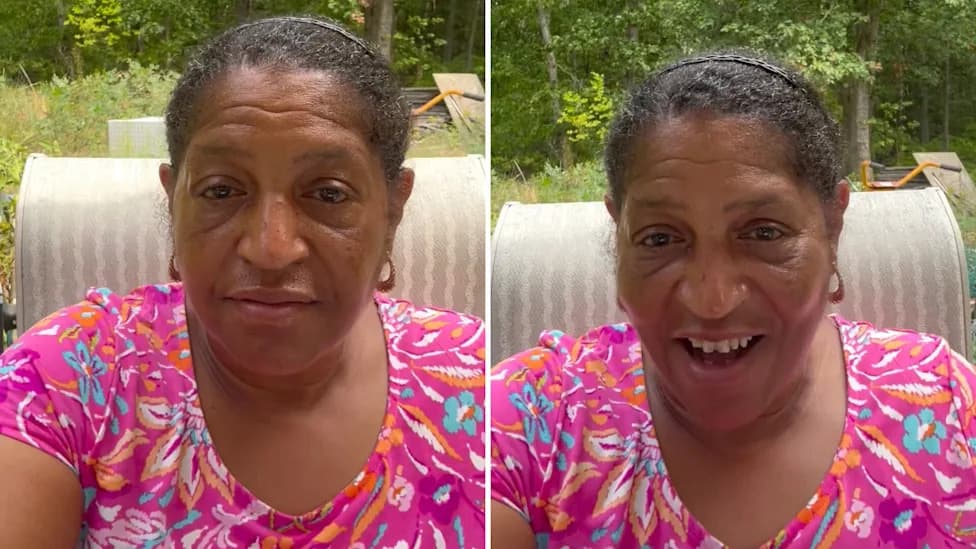
"We never gave up hope. Even right now, we have not given up hope of going back home," said Tyrone Timmons, president of DDHNC and a descendant whose family once operated an oyster factory on the property.
Progress and obstacles
Advocates have won small, symbolic gains: the McIntosh County Board of Commissioners passed a resolution in 2007 acknowledging the county’s role in the 1942 takeover, and DDHNC signed a memorandum of understanding in 2020 with the U.S. Fish and Wildlife Service to collaborate on interpreting Harris Neck's history. But legal and political barriers remain: past compensation for seized land was lower for Black owners than for white owners, and efforts to gain congressional or federal restitution have met resistance.
Why this matters
Harris Neck’s struggle touches on larger questions of land justice, historical memory and cultural survival. The descendants’ campaign seeks not only property but a place to practice and teach Gullah Geechee traditions and to preserve the stories of a community that rebuilt itself despite displacement. Their decades-long, peaceful advocacy — through legal petitions, public education and stewardship — keeps alive a bid for restorative justice grounded in family history and cultural continuity.
Help us improve.