A Fulton County judge has temporarily halted Stacey Humphreys' scheduled Dec. 17 execution while questioning whether two Georgia parole board members should be disqualified from his clemency hearing. Humphreys was convicted in the 2003 murders of Cyndi Williams and Lori Brown in Cobb County. Attorneys say one board member was a victim advocate on the case and another was the sheriff overseeing security when the trial was moved to Glynn County. The judge has ordered additional briefs by Jan. 19 to determine whether an impartial parole board can consider the clemency petition.
Judge Temporarily Pauses Georgia Execution Over Alleged Parole Board Conflicts
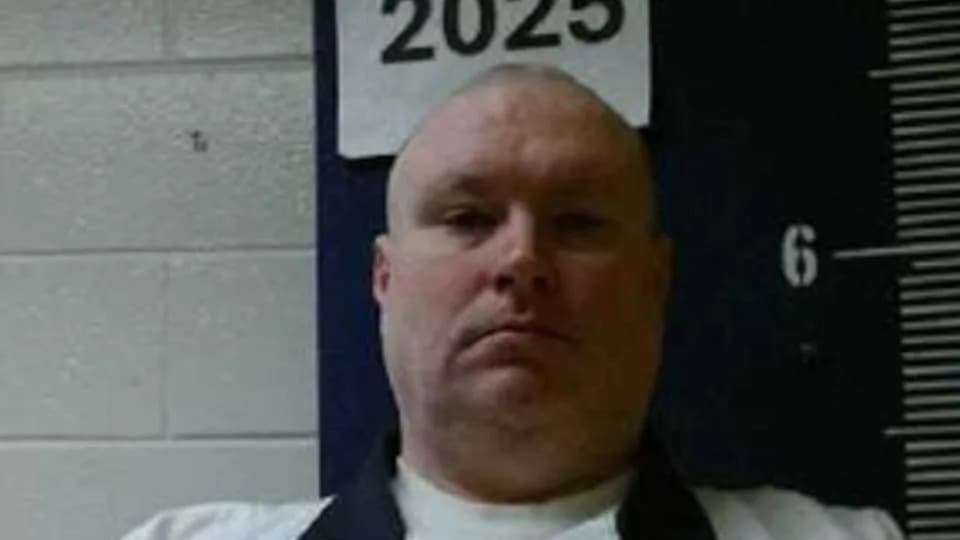
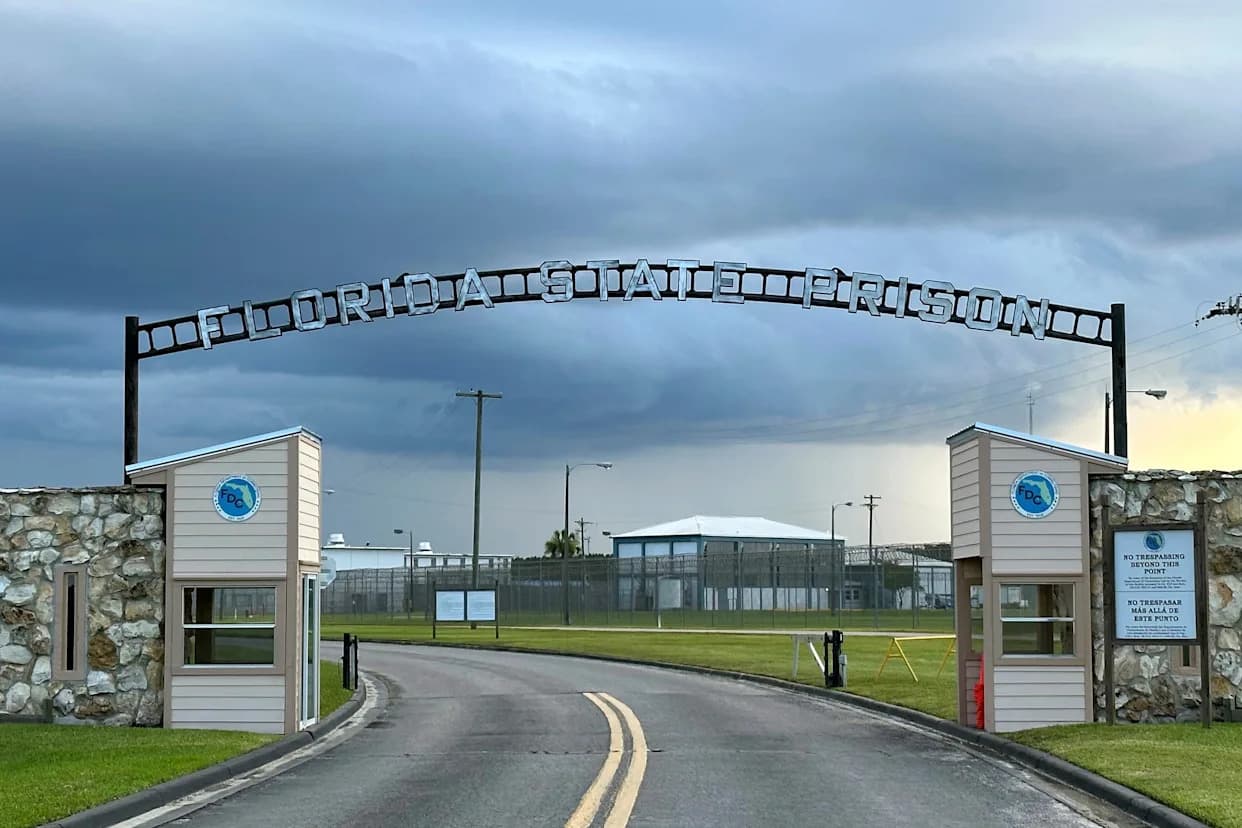
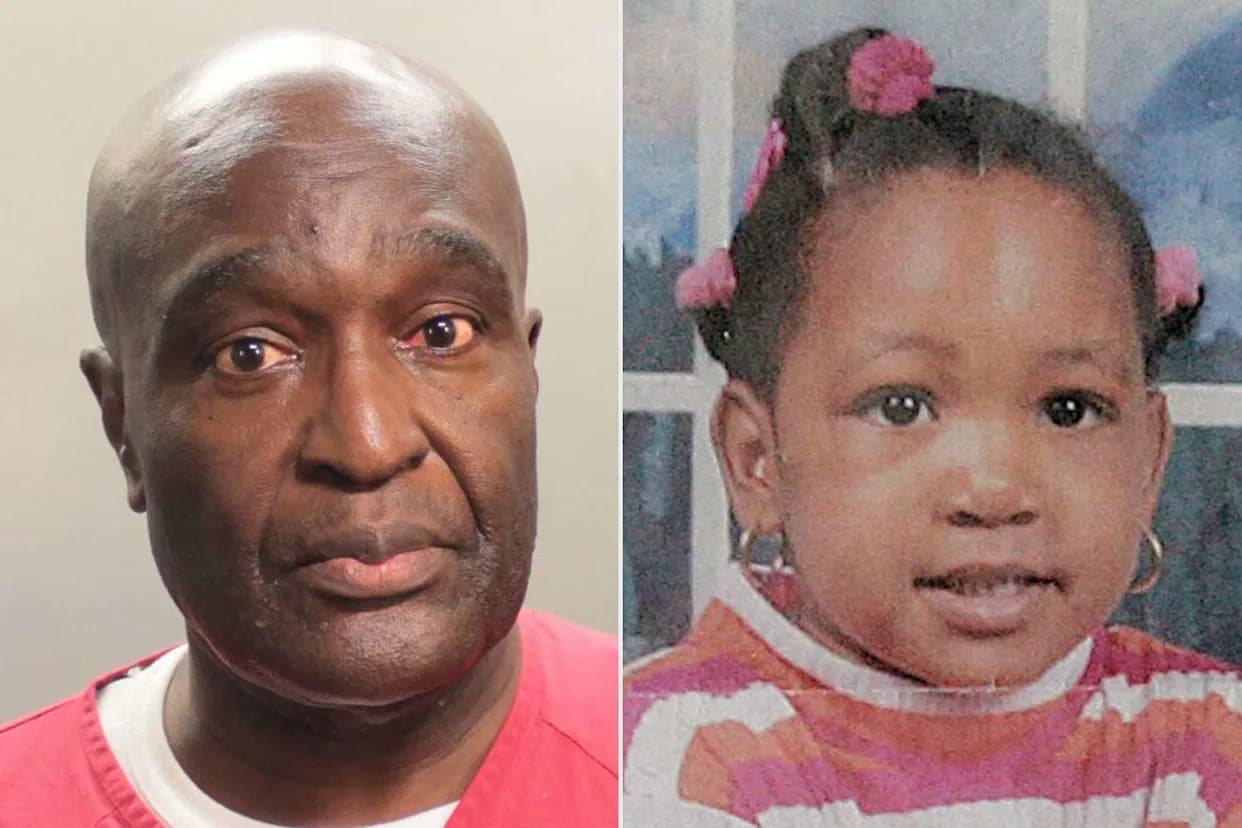
Stacey Humphreys, 52, was facing scheduled execution Dec. 17 but the procedure was paused just days before he was to have received a lethal injection. - Georgia Department of Corrections
A Fulton County judge on Monday issued a temporary pause to the scheduled Dec. 17 execution of Stacey Humphreys, saying unresolved questions about the composition of Georgia's parole board must be addressed before any clemency decision can proceed.
Humphreys, 52, had been convicted of malice murder and related charges in the 2003 shootings that killed Cyndi Williams, 33, and Lori Brown, 21, at a real estate office in Cobb County, northwest of Atlanta. The lethal injection had already been stayed days before the scheduled date.
Grounds for the Pause
Defense attorneys argue that two members of the state parole board have potential conflicts of interest that could taint a clemency hearing. They filed a petition this month asking a judge to order the two members to recuse themselves from considering Humphreys' clemency request.
According to the petition, one board member, Kimberly McCoy, previously served as a victim advocate in the Cobb County district attorney's office and was assigned to work with victims in Humphreys' case at the time of the trial. The other member, Wayne Bennett, was Glynn County sheriff when the trial was moved there because of pretrial publicity; Humphreys' lawyers say Bennett oversaw security for jurors and the defendant during the proceedings.
Fulton County Superior Court Judge Robert McBurney wrote that pressing a pause "on the execution machinery until we answer the non-frivolous question raised by Petitioner concerning the proper composition of the Board for his clemency hearing is the correct course of action."
Judge McBurney ordered attorneys for both sides to file additional legal briefs addressing the recusal and conflict-of-interest questions by Jan. 19. He emphasized that Humphreys is entitled to a complete and thorough examination of whether the parole board can be free of conflicts when deciding his clemency petition.
Why This Matters
The decision highlights how procedural and ethical questions about clemency and recusal can affect death-penalty cases, potentially delaying executions while courts resolve whether those charged with reviewing mercy petitions can act impartially.
More details are expected after the briefs are submitted and the court reviews the arguments raised by both sides.
Help us improve.