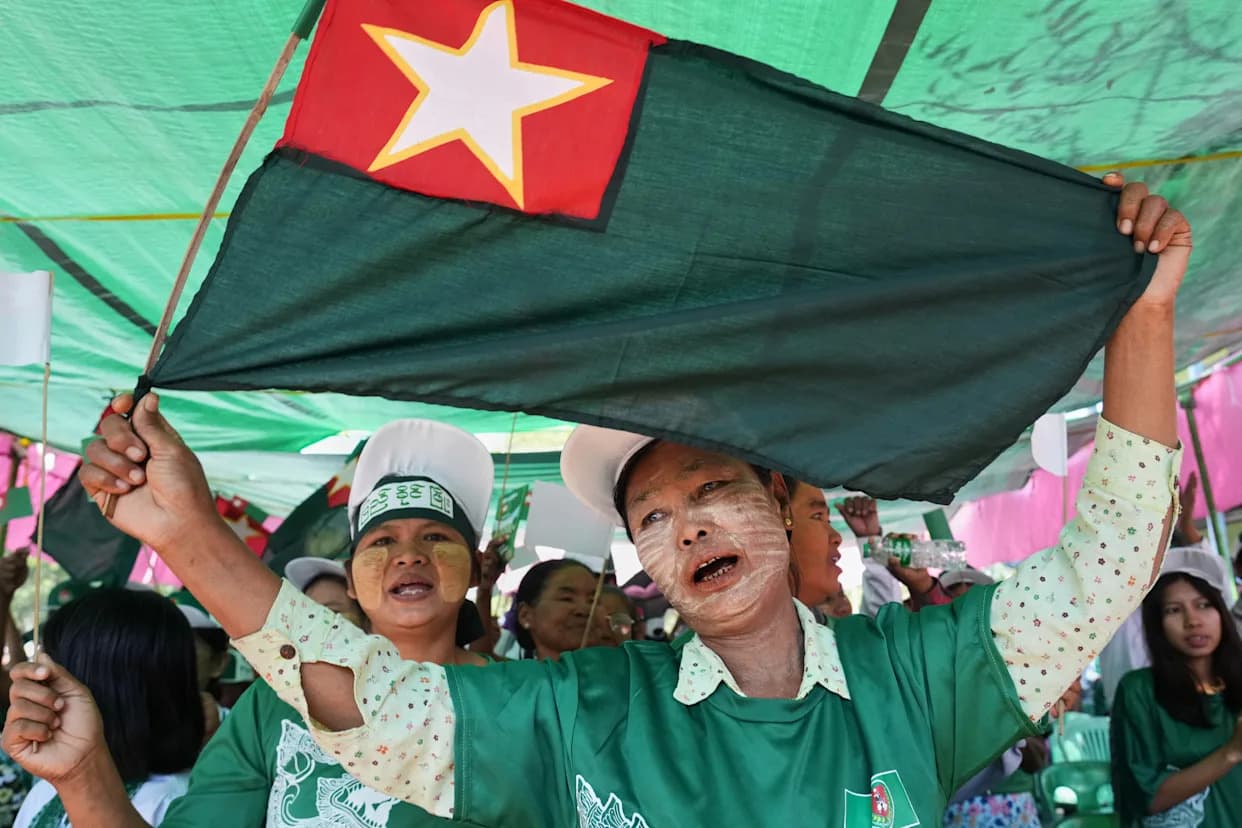
The UN says Myanmar's December 28 election cannot be free or fair amid a continuing civil war and military rule since the 2021 coup. UN officials warn the junta has expanded AI-driven biometric surveillance and may deploy it at polling stations. The vote will be electronic-only, many parties and minority communities are excluded, and civilians in contested areas face coercion and threats. These factors raise serious doubts about the credibility and safety of the ballot.
UN Warns Myanmar Vote May Be Undermined by Mass Electronic Surveillance

The United Nations has warned that the upcoming December 28 elections in military-ruled Myanmar cannot be free or fair amid ongoing conflict and widespread repression. UN officials say the junta may deploy extensive AI-driven biometric surveillance at polling sites, raising fears that voters could be identified and targeted for reprisals.
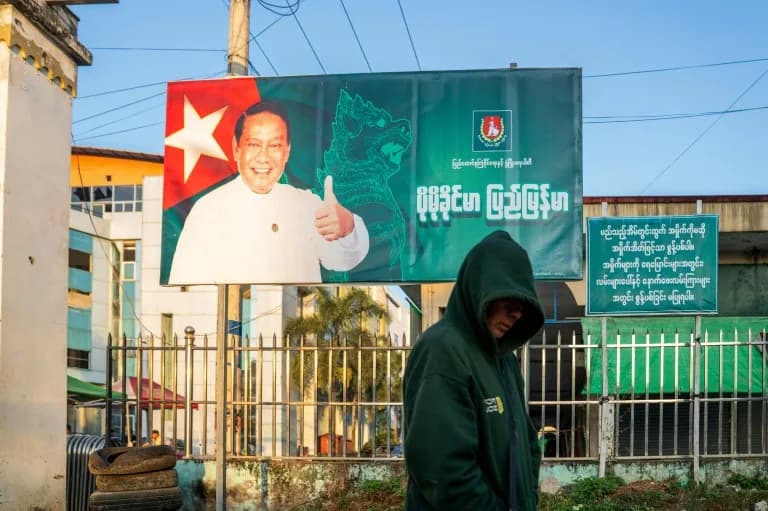
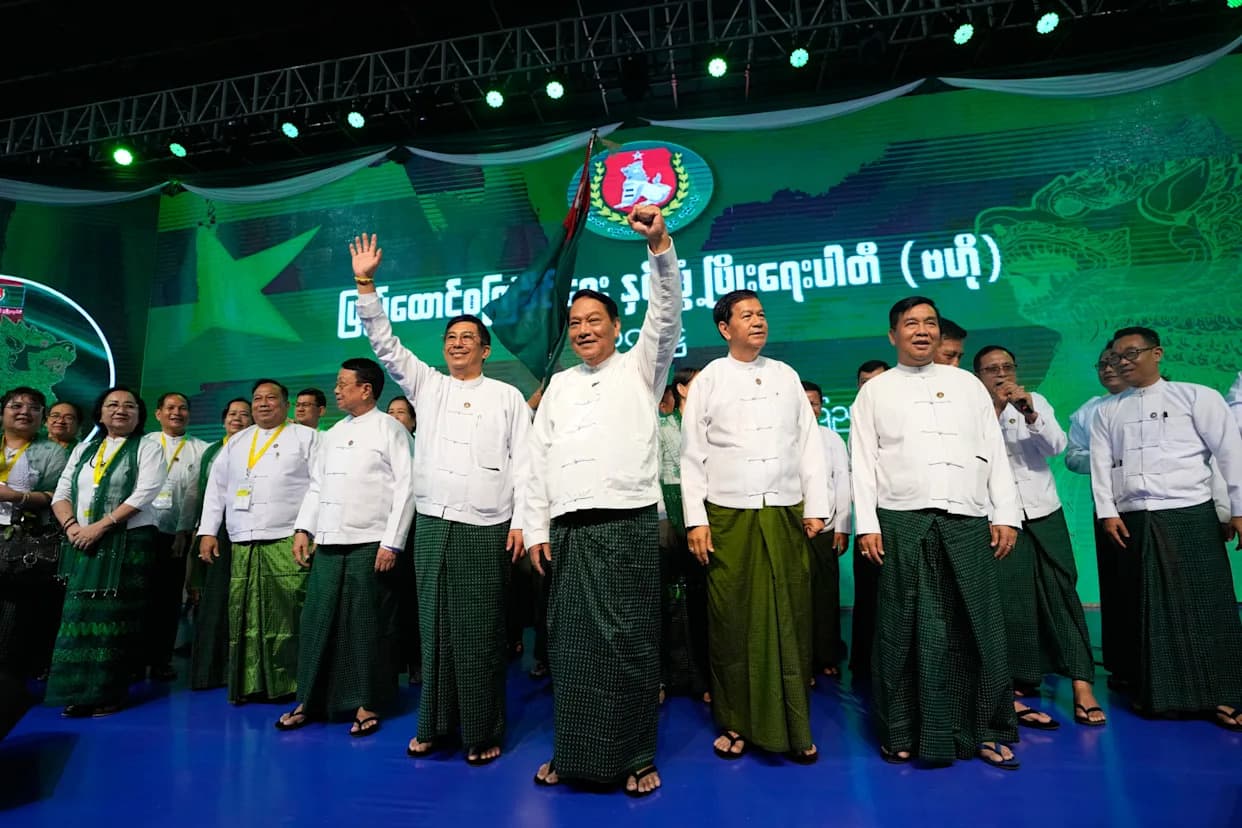
Myanmar's military seized power in a 2021 coup, triggering a civil war and the detention of democratic leader Aung San Suu Kyi. The junta presents the election as a route to reconciliation, but observers note that voting will be blocked in many rebel-held areas and that major parties and whole minority communities have been excluded.
Exclusions and coercion
UN rights office spokesman Jeremy Laurence cautioned that the vote will take place "in an atmosphere rife with threats and violence, putting the lives of civilians at risk." He said insecurity and a lack of protections raise serious concerns for people who either choose or are forced to participate. Many major parties and minority groups — including Rohingya, Tamils, Gurkhas and Chinese communities — have reportedly been excluded from the process.
Surveillance and electronic voting
James Rodehaver, head of the rights office's Myanmar team, said the military has "introduced a wide range of electronic surveillance throughout the country utilising AI-biometric tracking." He warned there is a real risk this technology could be used at polling stations to monitor how people vote and to identify dissidents.
"There's a real worry that this electronic surveillance technology is going to be used to monitor how people are voting," Rodehaver said.
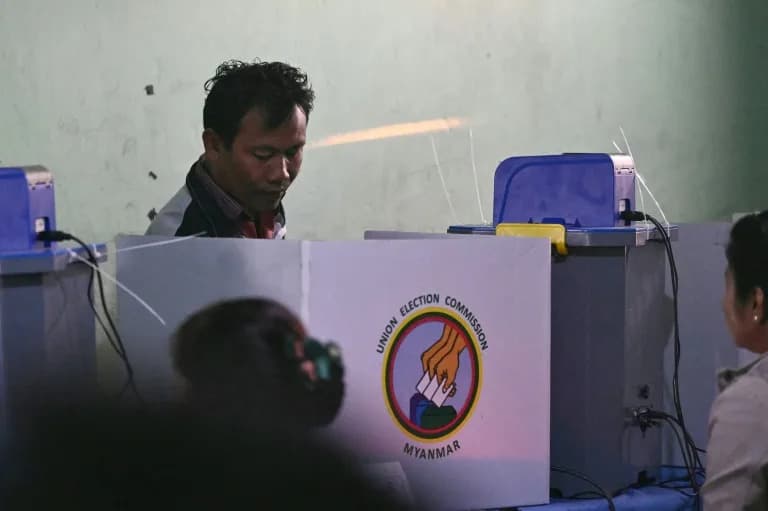
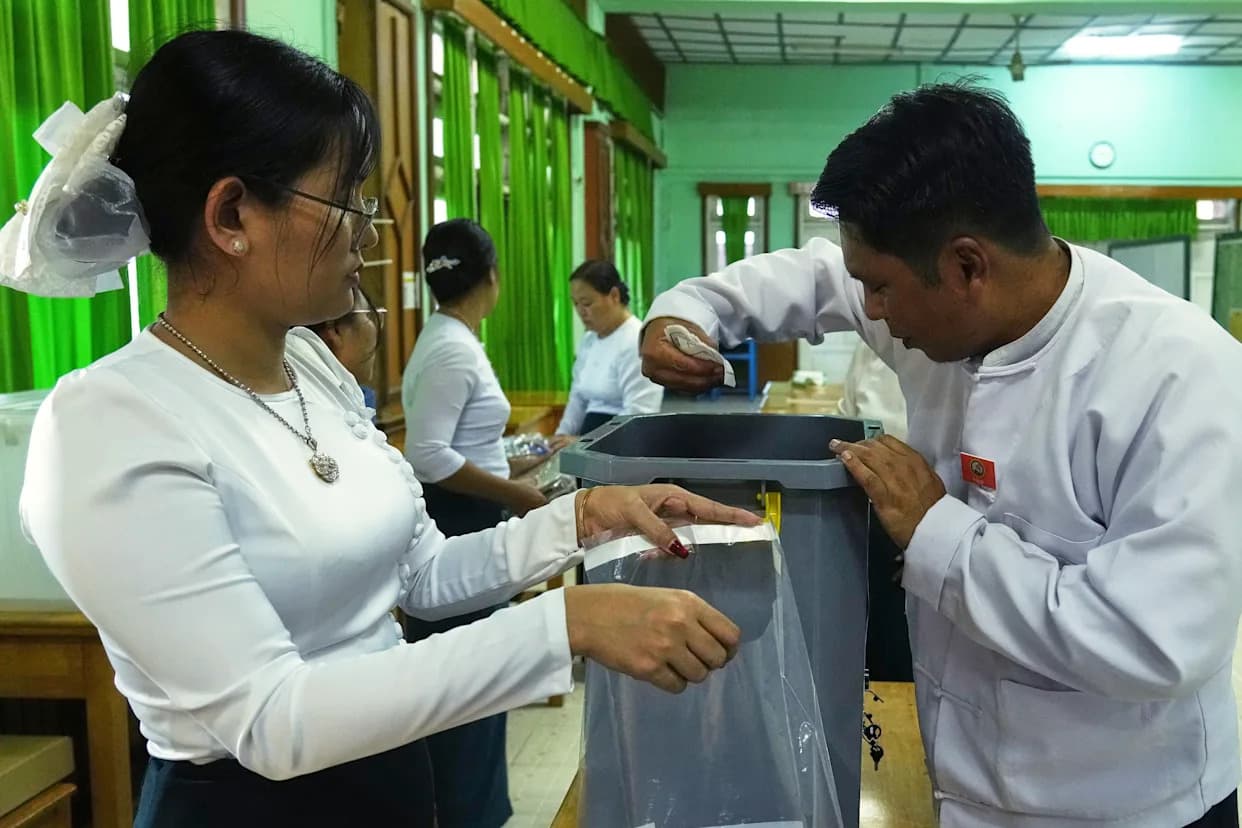
The election commission has determined the ballot will be conducted solely via electronic voting, which raises additional concerns about whether votes can be traced to individuals and how that data might be exploited by the military or armed groups. In contested areas, villagers have reportedly been compelled to attend training on electronic voting machines; some participants were then warned by armed groups not to vote, leaving civilians caught between rival forces.
Implications
Rights experts say these conditions — exclusion of key political actors and communities, coercion, restricted access in conflict zones, and the expansion of biometric surveillance tied to an electronic-only voting system — make the credibility of the ballot highly questionable. The UN stresses that without guarantees of safety, impartiality and transparency the vote cannot meet international standards for free and fair elections.
Quoted sources: Jeremy Laurence and James Rodehaver, UN rights office spokespeople.
Help us improve.