Researchers at the Karlsruhe Institute of Technology used simulations to show that liquid water confined between molecules can store significant energy. When another molecule displaces this trapped water, the expelled water releases energy that can strengthen the incoming molecule's binding and affect nearby intermolecular bonds. The effect depends on the host chemistry and could be exploited to improve drug design and material engineering, though experimental validation is still needed.
Trapped Water Releases Bursts of Energy That Strengthen Molecular Bonds

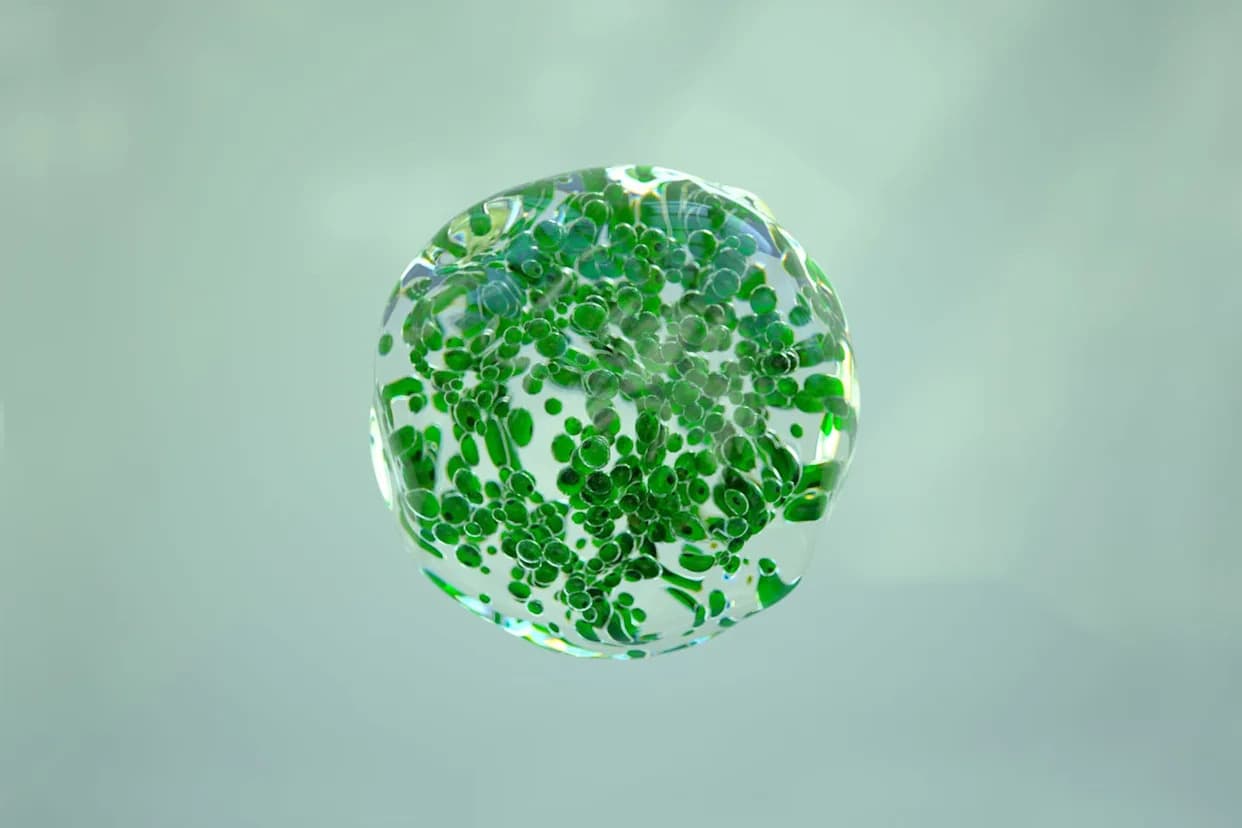
Liquid water confined in the tiny gaps between molecules can store substantial energy even though it is immobile. Chemists led by Frank Biedermann at the Karlsruhe Institute of Technology (KIT) used computer simulations to show that when a third molecule displaces this trapped water, the expelled water releases that stored energy. The energy release can strengthen the incoming molecule's attachment to the vacated site and modify nearby intermolecular bonds, with the magnitude of the effect depending on the chemical nature of the host environment.
The team modeled simplified host–guest systems to isolate the thermodynamic role of confined water during binding events. Their results indicate that the thermodynamic properties of water in binding pockets — and how favorable it is to displace that water — strongly influence binding affinities.
"The present computational analysis of simplified host–guest systems clearly shows that binding affinities are strongly influenced by the thermodynamic properties of the water displaced from binding sites," Biedermann and colleagues write in their paper published in Angewandte Chemie.
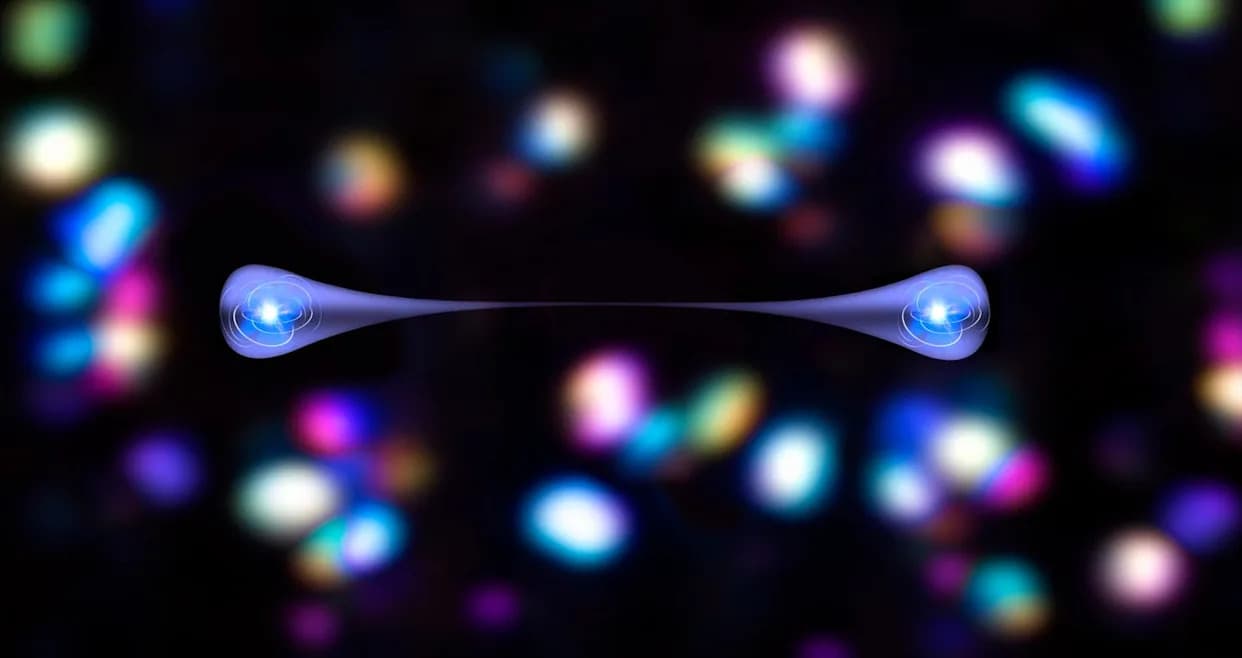
To make the phenomenon intuitive, the researchers compare it to a crowded subway car. When the cramped passengers (the trapped water) surge out, people waiting to board rush in and claim the space; the sudden flow of people can accelerate and strengthen how quickly and tightly the new arrivals take hold. Similarly, the expelled water's stored energy can act like a transient driving force that helps an incoming molecule bind more strongly.
Importantly, the effect varies with the chemical compatibility between the displaced water and the surrounding host molecules. Some confined water pockets release enough energy to noticeably increase binding strength, while others contribute less — so the outcome depends on the specific molecular context.
These findings have practical implications. If trapped, energetic water is present in biological targets or material assemblies, deliberately designing compounds that displace that water could improve drug binding or enhance material cohesion. Because this study is computational, the authors emphasize the need for experimental validation and for extending the models to complex, real-world macromolecules.
In summary, the work highlights a previously underappreciated thermodynamic contributor to molecular recognition: highly energetic, confined water. Accounting for this factor could help chemists and drug designers tune interactions by using water displacement as a tool to strengthen desired bonds.
Help us improve.