Scientists from North Carolina State, Princeton and Texas A&M used femtosecond laser pulses and TALIF to directly detect and image isolated oxygen atoms in liquid water for the first time. They observed excited oxygen atoms surviving for tens of microseconds and penetrating hundreds of micrometres, far longer and deeper than expected. Calibrated with a xenon reference and supported by simulations, the team estimates near-surface densities of ~1016 cm−3, though this figure is likely an upper bound. The findings suggest models of oxygen reactivity and transport in water need revision.
For the First Time, Scientists Image Isolated Oxygen Atoms Inside Liquid Water
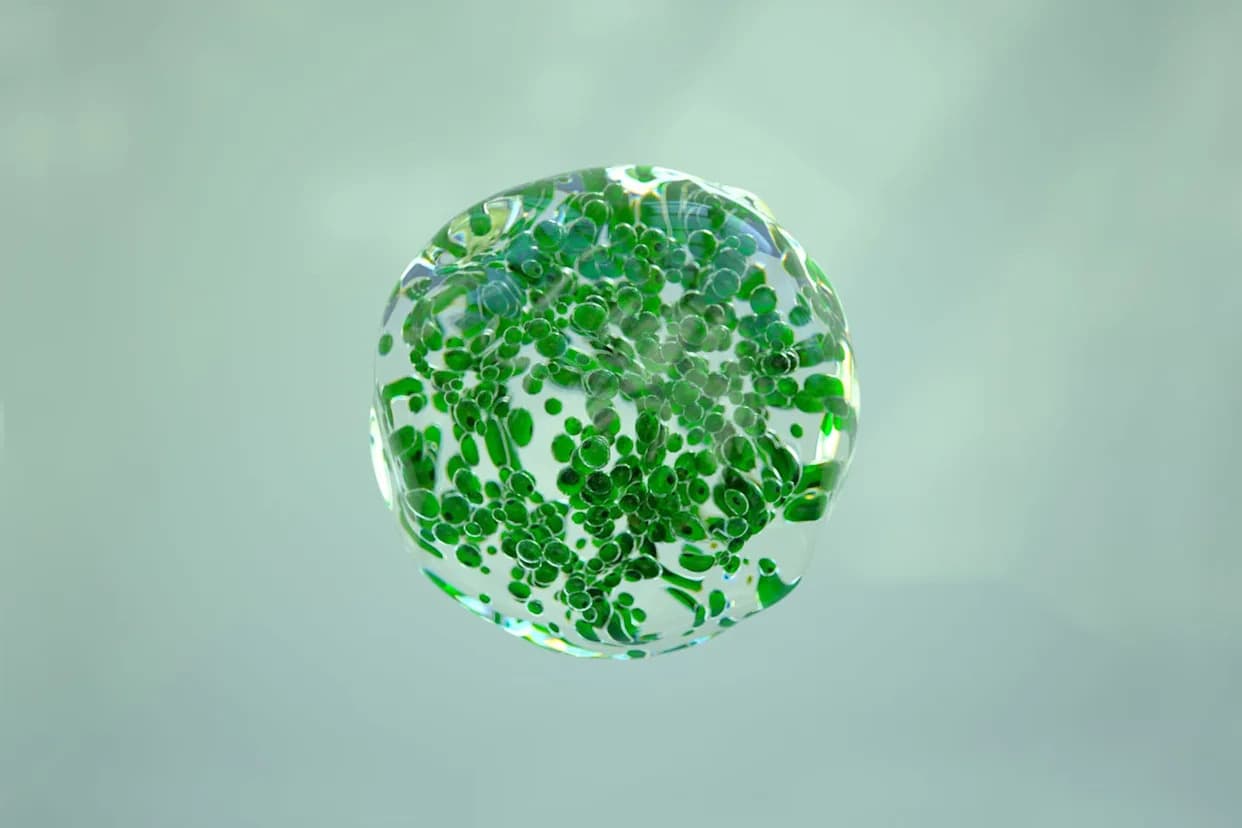
Scientists Finally Captured Oxygen Alone in WaterAndriy Onufriyenko - Getty Images
Researchers have, for the first time, directly detected and imaged isolated oxygen atoms inside liquid water using an ultrafast laser technique — a breakthrough that changes how we think about oxygen’s behavior in aqueous environments.
How the Experiment Worked
A team from North Carolina State University, Princeton University and Texas A&M University published the results in Nature Communications. They combined a femtosecond laser (pulses lasting one quadrillionth of a second) with two-photon absorption laser-induced fluorescence (TALIF) to excite individual oxygen atoms and capture the brief flashes of light those atoms emit before the surrounding water quenches them.
TALIF forces atoms to absorb two photons at once, promoting them to an excited electronic state. When those atoms relax back to their ground state they emit fluorescence; measuring that light lets researchers infer the presence and concentration of specific atomic species. Previous attempts failed because liquid water typically de-excites these atoms too quickly for conventional techniques to record their fluorescence.
Key Measurements and Calibration
To ensure accuracy the researchers calibrated oxygen signals against a xenon reference with a nearly identical two-photon excitation and emission scheme. They also ran simulations of collision rates between excited oxygen atoms and water molecules. From these measurements and models the team estimated a near-surface density of roughly 1016 cm−3 for isolated oxygen atoms — a value the authors caution should be treated as an upper-bound estimate because their analysis assumes every collision causes de-excitation.
"Measurements show that oxygen atoms persist for tens of microseconds in water, penetrating hundreds of micrometres into the liquid," the authors wrote, noting these lifetimes and distances exceed prior expectations and have important implications for models of solvated atomic oxygen reactivity and transport.
Surprising Longevity and Implications
The study found that excited oxygen atoms can survive for tens of microseconds and travel hundreds of micrometres into the liquid. While tiny on human scales, these lifetimes and distances are much longer than previously thought and may affect how oxidation chemistry occurs in biological, environmental and industrial contexts. The result suggests existing models of oxygen transport and reactivity in water should be revisited.
Limitations and Next Steps
The authors emphasize caveats: their density estimate assumes every collision with a water molecule quenches the excited atom — if some collisions do not cause de-excitation, the true density could be lower. Future work will test different aqueous conditions, refine branching-ratio measurements (the fraction of excited atoms that emit photons), and extend the method to other short-lived reactive species in solution.
This advance both improves fundamental understanding of an element essential for life and opens new experimental possibilities for studying transient atomic-scale chemistry in liquids.
Help us improve.