This opinion warns that a recent OMB directive allows agencies to rescind major federal rules by asserting they are unlawful without awaiting court decisions, and to do so while minimizing public consultation. The authors argue this undermines protections on clean air, consumer finance, accessibility and privacy. Drawing on their DOJ and CFPB experience, they emphasize that open, evidence-based rulemaking ensures rigor, limits overreach and enables oversight.
The Quiet Wrecking Ball: How OMB Sidelines Public Input in Federal Rulemaking

Last month, dramatic images of the East Wing in ruins dominated headlines. Less visible but no less consequential was a regulatory shift from the Office of Management and Budget (OMB) that quietly undermines a cornerstone of democratic governance: public participation in federal rulemaking.
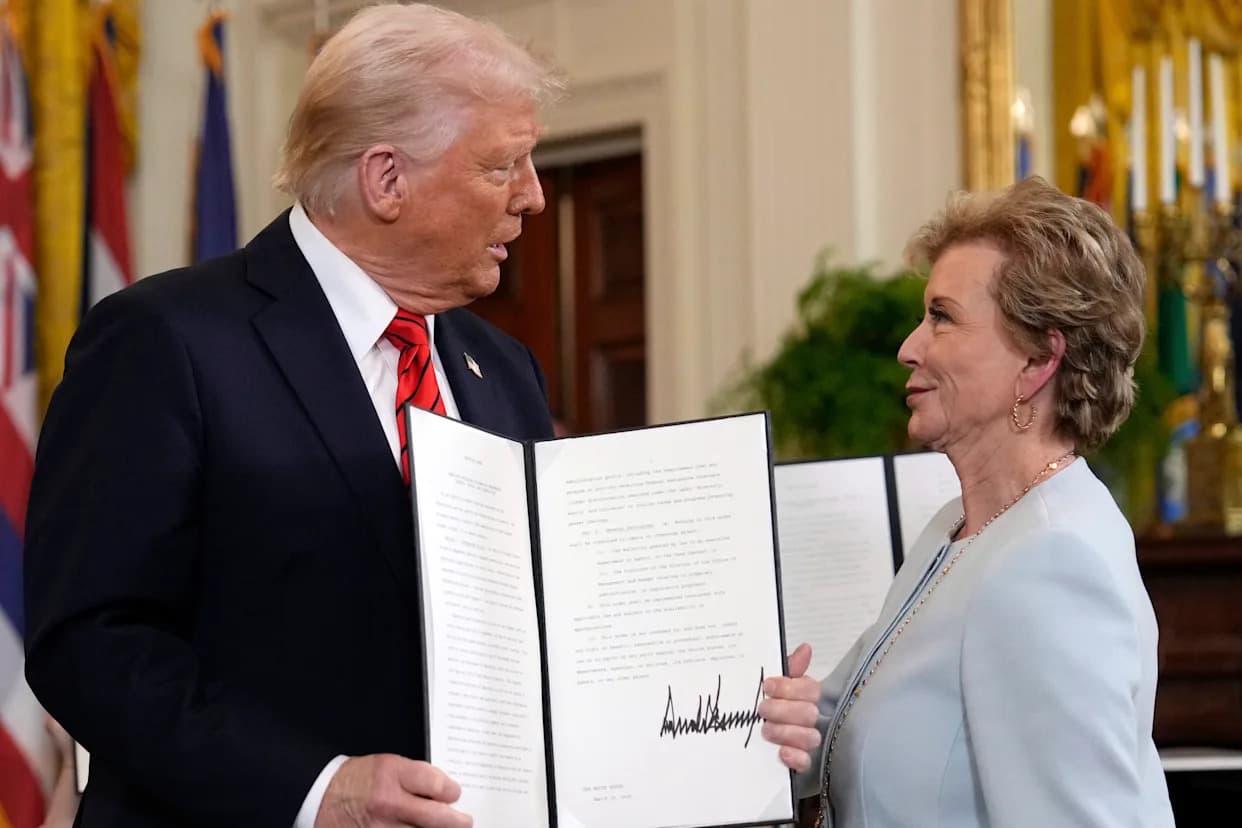
In a terse, technical directive, OMB instructed agencies that they may rescind major rules if they can argue the rules are unlawful — even without a court ruling — and advised agencies to minimize public engagement, avoid consulting state and local officials, and downplay the consequences of rollbacks. Taken together, this guidance effectively permits agencies to unwind protections without the usual information-gathering and public scrutiny that statute and tradition require.
Why this matters
Federal rules shape everyday life: whether the air we breathe meets health standards, whether loans are offered fairly and transparently, whether schools and workplaces prevent discrimination, whether websites are accessible, and whether personal data is protected online. For decades, agencies have been required to publish proposed rules, solicit public comment, meet with stakeholders, and weigh evidence before acting. That process brings real-world experience into policymaking and creates records that courts, watchdogs, and the public can review.
The practical impact
When rulemaking is open, it forces agencies to confront opposing views and justify their choices. For example, rules developed at the Department of Justice that improved web accessibility and ensured diagnostic equipment works for diverse bodies drew on input from people who had been excluded by inaccessible sites and from clinicians and engineers who understood technical constraints. Similarly, Consumer Financial Protection Bureau rulemaking on mortgages benefited from testimony by homeowners who lost their homes, as well as bankers and legal experts.
Removing robust public participation risks regulatory decisions made without rigorous evidence or accountability. Agencies could repeal protections on the basis of internal legal theories rather than court determinations, and affected communities — from workers and students to borrowers and people with disabilities — would have fewer opportunities to make their experiences part of the record.
Protecting democratic rulemaking
Good rulemaking is not a formality; it is a conversation between the governed and those who govern, subject to scrutiny and oversight. Restoring and preserving transparent procedures ensures policies reflect lived experience, limits unchecked agency action, and creates documentation that courts and the public can evaluate. Without those guardrails, regulation becomes more fragile and less responsive to the people it affects.
About the authors: Rebecca B. Bond is the former chief of the Disability Rights Section in the Civil Rights Division at the U.S. Department of Justice. Diane Thompson is deputy director and chief advocacy officer at the National Consumer Law Center, founder of the Consumer Rights Regulatory Engagement Project, and a former senior adviser to the director of the Consumer Financial Protection Bureau.
Help us improve.