Summary: The White House’s claim that the Trump administration is uniquely transparent clashes with multiple incidents suggesting restricted access and secrecy. Key episodes include the exclusion of AP reporters (ruled unlawful by a court), a Pentagon policy limiting journalists’ use of unapproved material (now the subject of litigation), an IG finding about Secretary Hegseth’s unsecured messaging, and widespread concerns after the firing and vacancy of inspectors general. Disputes over airstrike legal memos and the handling of Epstein files further highlight inconsistent public commitments to openness.
Opinion: The Trump Administration Deserves an F‑Minus for Transparency — A Record of Secrecy and Mixed Signals

Last month the White House website proclaimed that "the Trump Administration has been the most transparent and accessible administration in modern American history … ensuring the American people are constantly in touch with what their government is doing." Yet a string of high‑profile incidents, court rulings and internal actions paint a very different picture.
Press Access and Legal Pushback
In February, the administration excluded reporters and photographers from The Associated Press from White House events after a dispute reportedly tied to the president’s executive order renaming the Gulf of Mexico to the "Gulf of America." A federal court later found the ban violated the AP’s free‑speech rights.
In September, the Department of Defense required journalists seeking physical access to the Pentagon to sign an agreement promising not to use any material — classified or unclassified — that had not been approved by officials. Journalists who refused the terms lost access. The New York Times sued, arguing the policy blocks "scrutiny by independent news organizations for the public benefit" and therefore violates the First Amendment.
Pentagon Oversight and an Inspector General Finding
In December the Pentagon’s Inspector General concluded that Secretary of Defense Pete Hegseth jeopardized U.S. personnel by sharing information about an imminent strike on Houthi targets in Yemen over an unsecured messaging app. Hegseth declined to be interviewed by the inspector general and said in writing he believed he had the authority to declassify the material but did not say he had done so. Despite the IG’s findings, a Pentagon official described the report as "a total exoneration."
Those incidents occur in the context of broader concerns about weakened oversight: President Trump has fired 17 inspectors general, left roughly 75% of presidentially appointed inspector general posts vacant and blocked congressional appropriations for the Council of the Inspectors General on Integrity and Efficiency. The administration has also been slow to respond to Freedom of Information Act requests and is reportedly preparing a rule that would reduce longstanding legal protections for federal whistleblowers.
Airstrikes, OLC Opinions and Questions of Law
The American Civil Liberties Union sued the Department of Justice seeking release of Office of Legal Counsel (OLC) documents that plaintiffs say justify U.S. airstrikes against alleged drug traffickers. Lawyers, members of both parties in Congress and some military officials have questioned whether drug trafficking fits accepted definitions of threats to national security, armed conflict or foreign terrorism. Critics argue that, since most traffickers have not attacked U.S. citizens and are afforded due process protections, strikes on such targets could amount to unlawful extrajudicial killings.
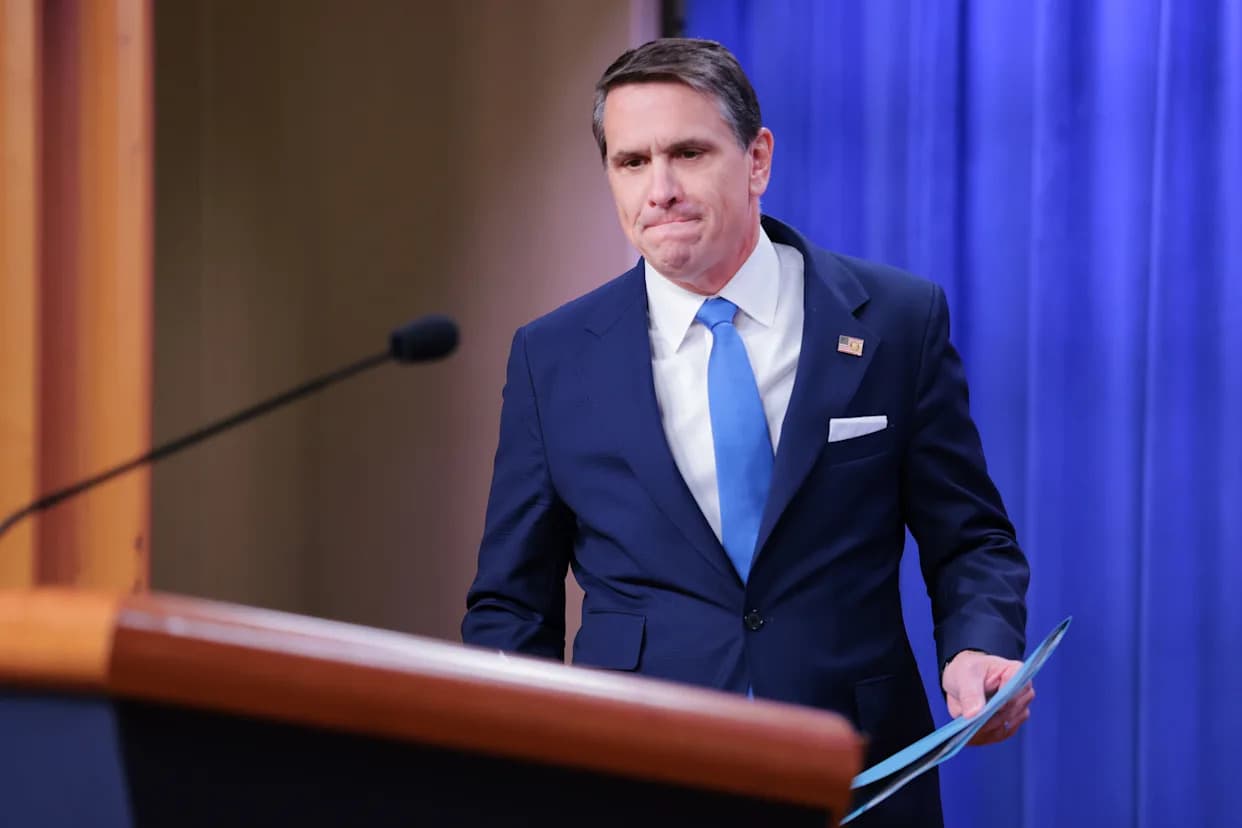
Members of Congress asked to review the OLC opinion but were rebuffed. Charles Young, general counsel of the U.S. Army, said the Constitution gives the president discretion over releasing information, but did not explain why that discretion had not been exercised in the name of transparency.
Video Releases, Epstein Files and Inconsistent Messaging
Asked about releasing an unedited video of a Sept. 2 strike that reportedly killed two shipwrecked survivors, President Trump initially said, "I don’t know what they have, but whatever they have, we’d certainly release, no problem." Days later he denied making the statement and called the report "ABC fake news," then criticized the reporter. Secretary Hegseth has said he will not publicly release the full video.
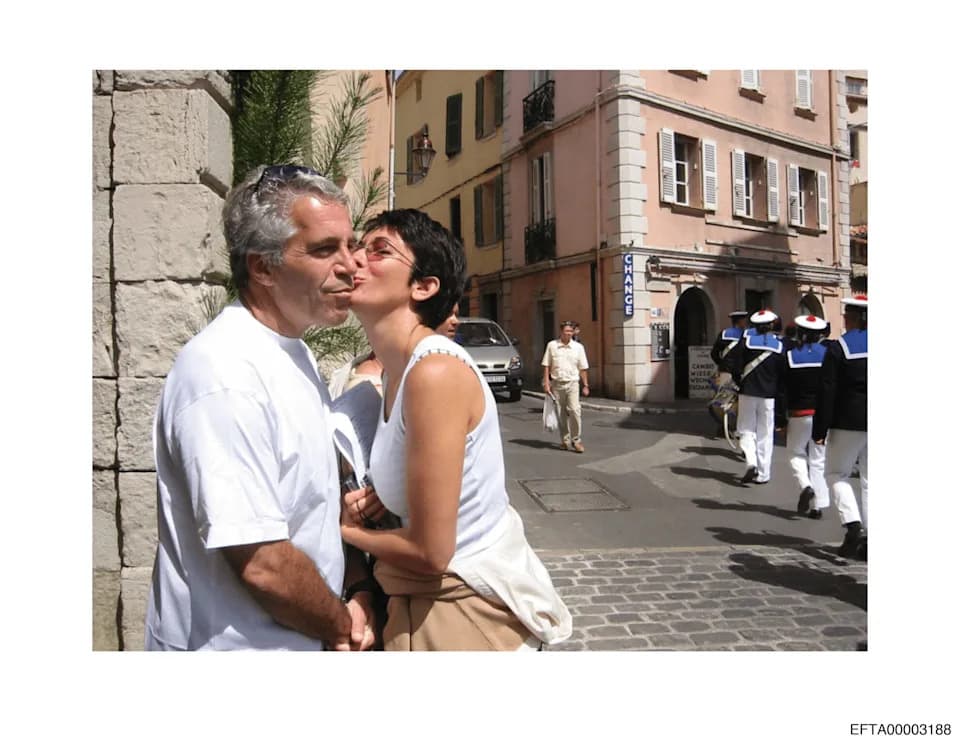
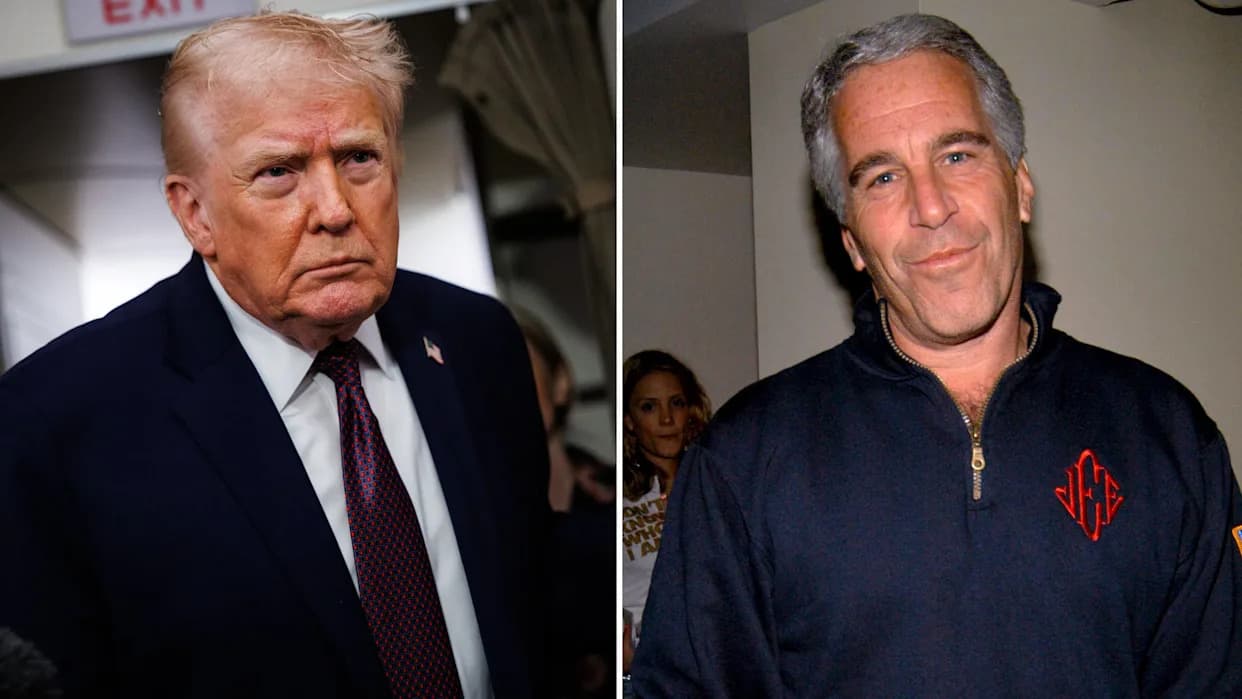
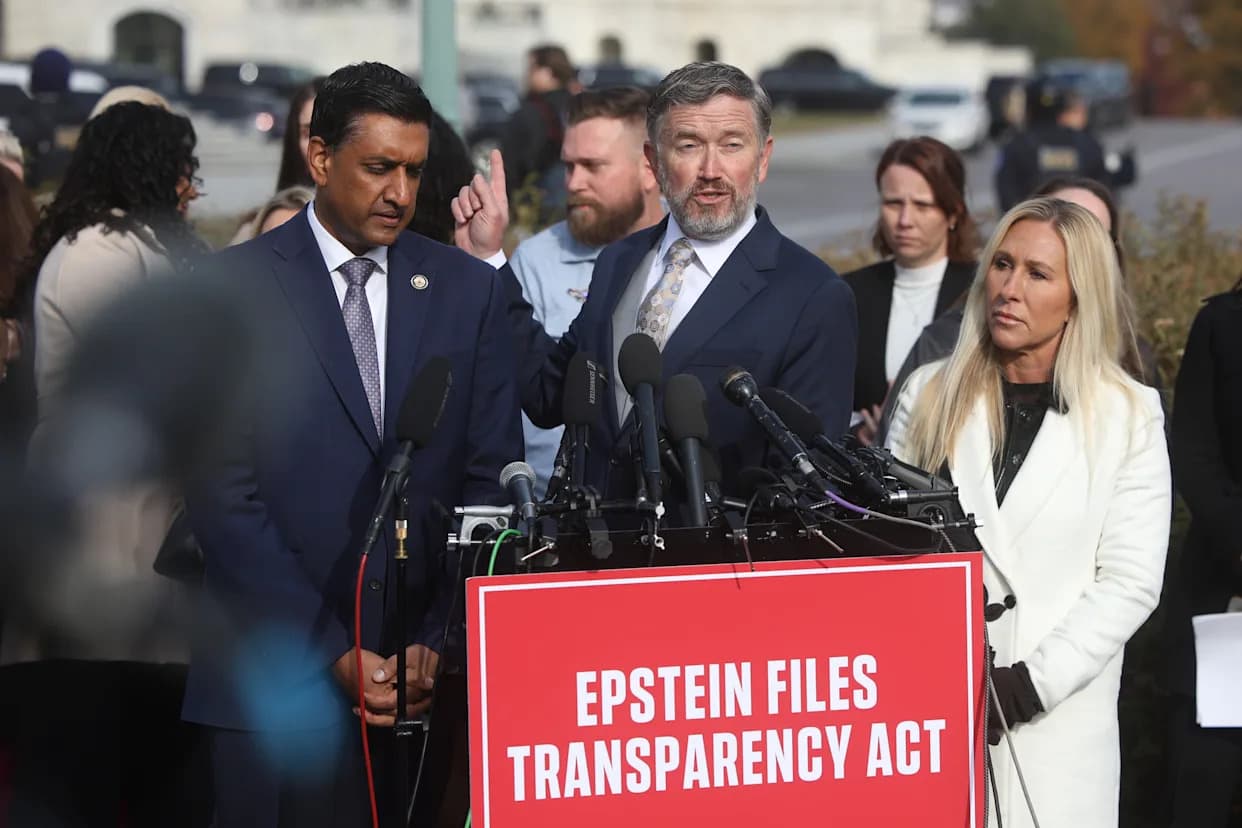
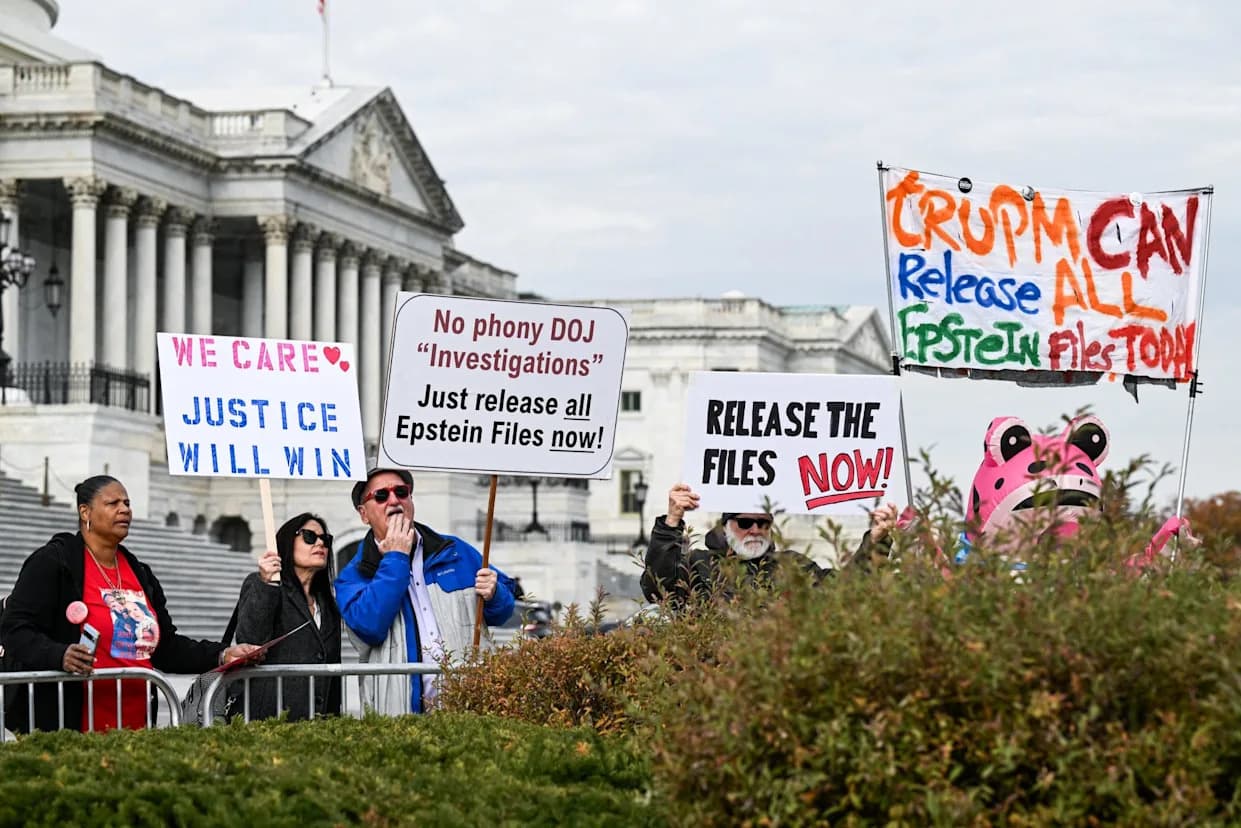
Calls for openness also focused on the so‑called Epstein files. In June 2024 and again in September, President Trump said he would declassify the documents if re‑elected. In February 2025, Attorney General Pam Bondi said the files were "sitting on my desk right now to review" and released a first batch of documents — most already public. The president then reversed course, dismissing the files as fabricated and pressuring House Republicans to oppose efforts that would force the Justice Department to release all records.
Conclusion
The administration’s rhetoric about transparency often clashes with its record. From curtailed press access and legal battles to inspector general vacancies, disputed legal opinions and mixed public statements from the president and senior officials, the pattern undermines claims of exceptional openness. Those who advocate for accountability — lawmakers, courts, journalists and watchdogs — have repeatedly raised concerns that merit close public attention.
Glenn C. Altschuler is the Thomas and Dorothy Litwin Emeritus Professor of American Studies at Cornell University.
Copyright 2025 Nexstar Media, Inc. All rights reserved. This material may not be published, broadcast, rewritten, or redistributed.
Help us improve.