The Supreme Court votes privately after oral arguments, and the majority produces a written opinion. If Chief Justice Roberts is in the majority he assigns or writes the opinion; otherwise the senior justice in the majority does. Draft opinions circulate confidentially and can change as justices persuade one another — a process exposed briefly by the 2022 Dobbs draft leak. Many deliberative details only emerge later through leaks, reporting or archived papers.
Behind Closed Doors: How the Supreme Court Deliberates, Drafts Opinions and Sometimes Changes Minds
After oral arguments conclude, the Supreme Court’s work continues in private. The justices meet in conference, cast an internal vote on the outcome, and the majority prepares a written opinion explaining the Court’s decision.
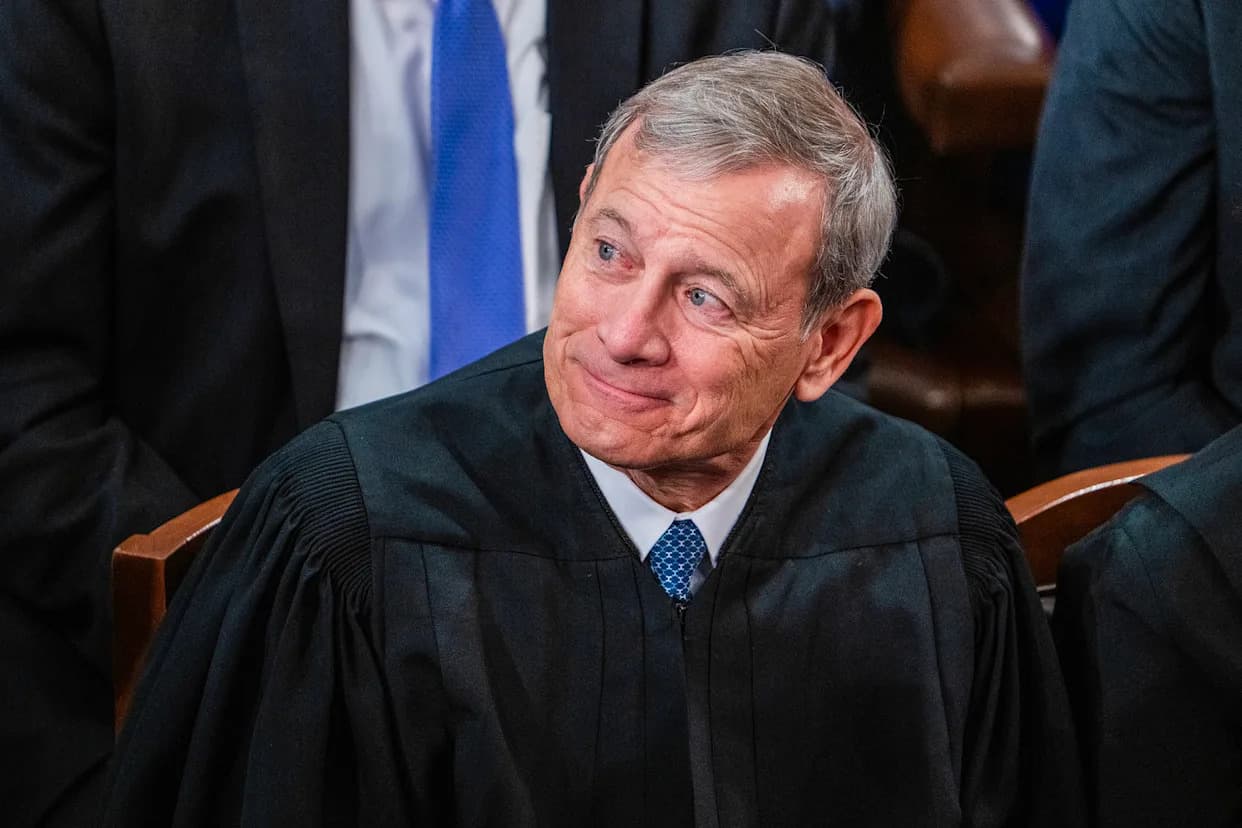
Who Writes the Opinion? If Chief Justice John Roberts is in the majority, he either authors the opinion or assigns it to another justice in the majority. If the chief justice is in the minority, the most senior justice in the majority makes that assignment. Those drafting and editing decisions happen behind closed doors; the public usually sees only the final published opinions.
Drafts, Circulation and Editing Draft opinions routinely circulate among the justices and their clerks as part of the Court’s confidential deliberative work. These drafts are not final: colleagues can suggest edits, request clarifications, or propose changes small and large — from rewording passages to adjusting footnotes — to build a stable majority.
“Justices circulate draft opinions internally as a routine and essential part of the Court’s confidential deliberative work,” the Court said after the 2022 Dobbs draft leak, noting the draft did not represent a final Court decision.
When Drafts Become Public Leaks and later disclosures provide rare windows into this secretive process. The May 2022 leak of a draft opinion in Dobbs v. Jackson Women’s Health Organization — the case that overturned Roe v. Wade — showed how internal drafts can reveal early alignments and attract intense public scrutiny. Reporting afterward suggested the leak made it harder for some justices to shift positions as deliberations continued.
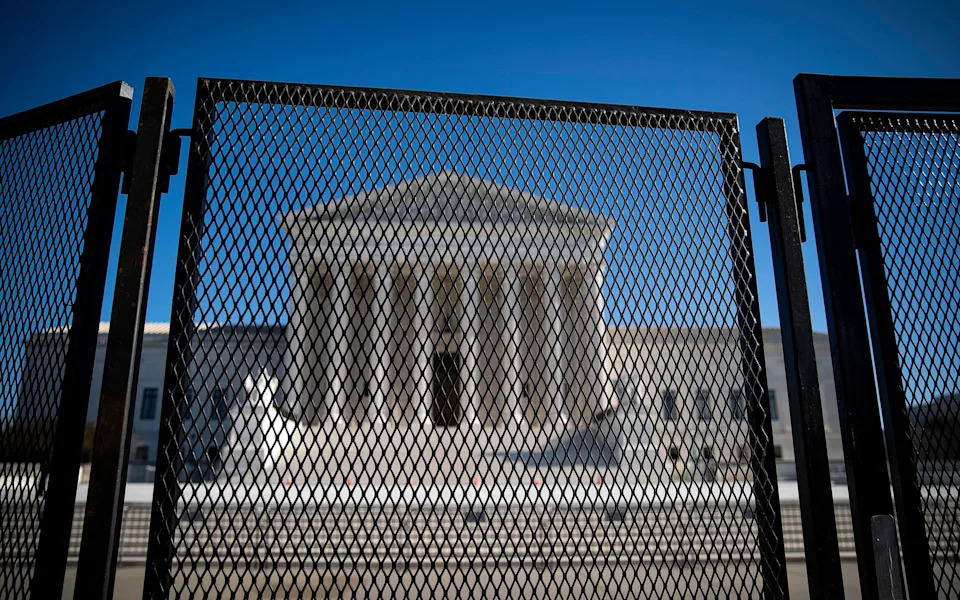
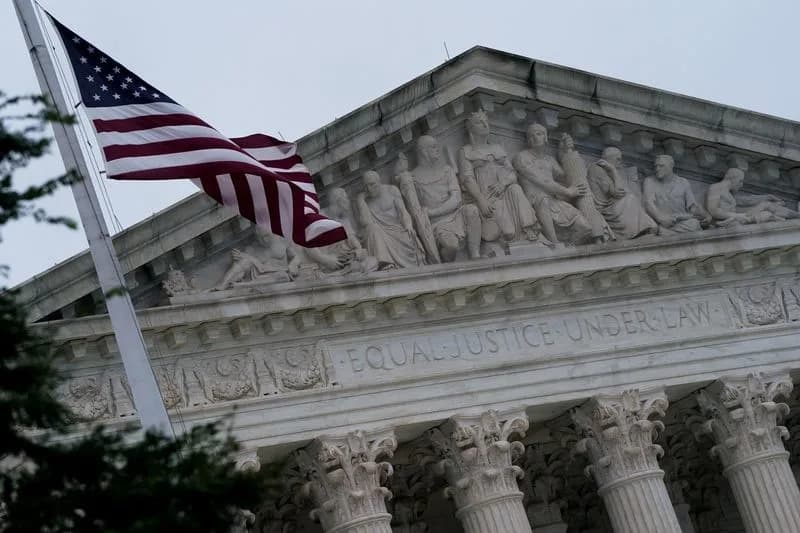
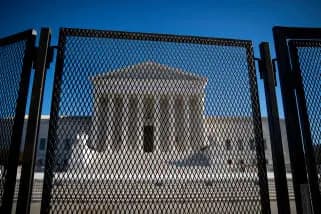
Protective fencing is erected around the U.S. Supreme Court on Jan. 10, 2021.(Al Drago / Getty Images)
Persuasion and Vote Changes Deliberation can change outcomes. Justice Ruth Bader Ginsburg once recalled writing a dissent that began with only one other vote but later persuaded enough colleagues to become the Court’s majority opinion. In other famous moments, investigative reporting has revealed late shifts — for example, reporting that Chief Justice Roberts changed his vote in the Affordable Care Act case (NFIB v. Sebelius) in 2012.
What We Usually Don’t See Most negotiations and bargaining over language, scope and legal rationale remain hidden from contemporaneous view. Sometimes later disclosures — in news reporting or in justices’ archived papers released after they leave the bench — illuminate these private exchanges. For now, many of the Court’s internal dynamics are known only to the participants.
Timing The Court typically issues its final opinions for the term by early July, though the internal drafting and vote-shaping occur over weeks or months beforehand.
If you have a question for this column, submit it through the Ask Jordan form for a chance to be featured in a future edition.
Help us improve.