Federal immigration agencies use plate-reading technology and a phone app called Mobile Companion to link license-plate scans to driver's-license records, credit-header data and other personal databases. Border Patrol has also deployed hidden cameras—originally to catch smugglers—that now form a long-term domestic surveillance program. Documented cases show that monitoring can prompt traffic stops and intrusive searches of innocent motorists, and internal communications reveal extensive intelligence-sharing with local police. Some camera deployments extend far beyond the 100-mile border zone, raising civil-liberties concerns.
Driving for the Holidays? How ICE and Border Patrol May Be Tracking Your Route

If you're planning a holiday drive, it's worth knowing that federal immigration agencies have tools that can turn routine license-plate reads into a rich map of personal information. Recent reporting has revealed how Immigration and Customs Enforcement (ICE) and Border Patrol combine plate-reading technology, phone apps and partnership with local police to monitor vehicle movements across large swaths of the country.
What ICE agents can do from a phone
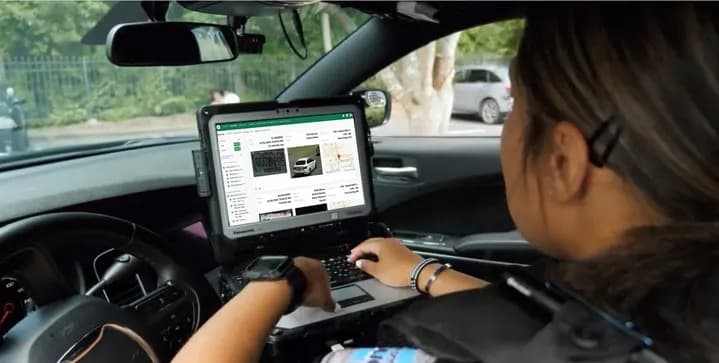
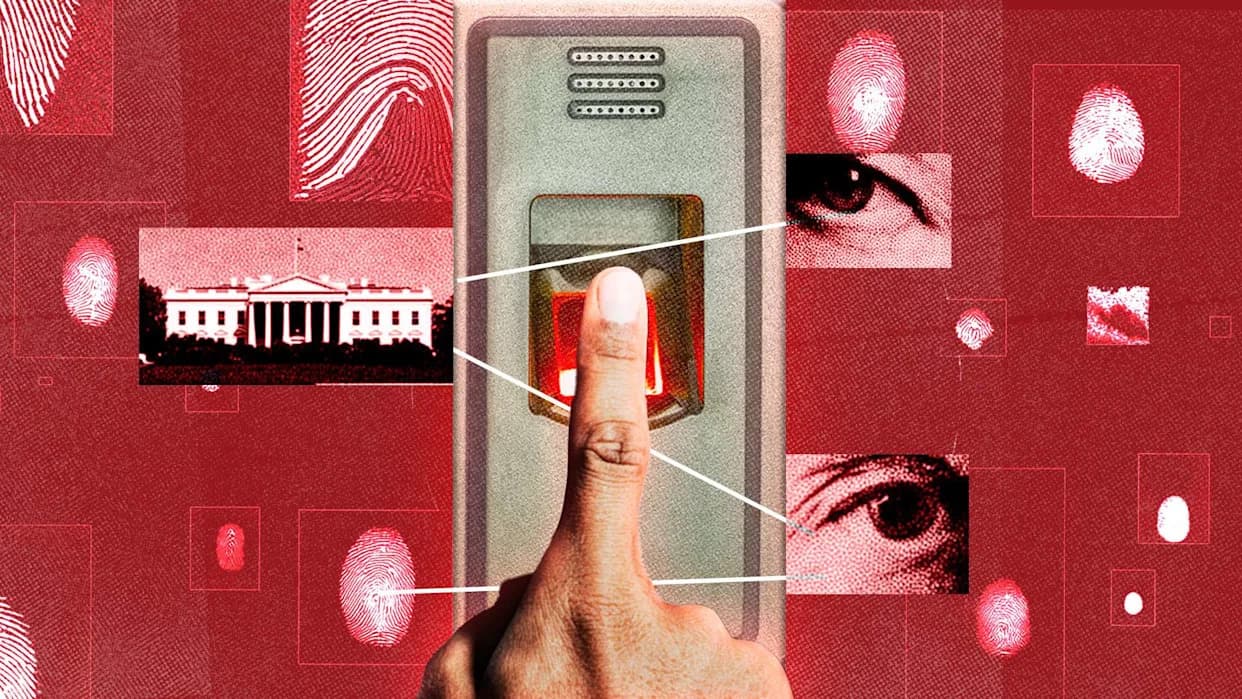
ICE has demonstrated an app called Mobile Companion that allows agents to scan a license plate from a cellphone and instantly cross-reference that plate with a range of records: nationwide sighting logs, driver's-license information, credit-header data, marriage records, vehicle ownership files and voter registrations. The app pairs with a desktop system known as Vehicle Manager, and it is described as a tool for Enforcement and Removal Operations—the ICE unit focused on locating and removing noncitizens rather than routine criminal investigations.
Private data and camera networks
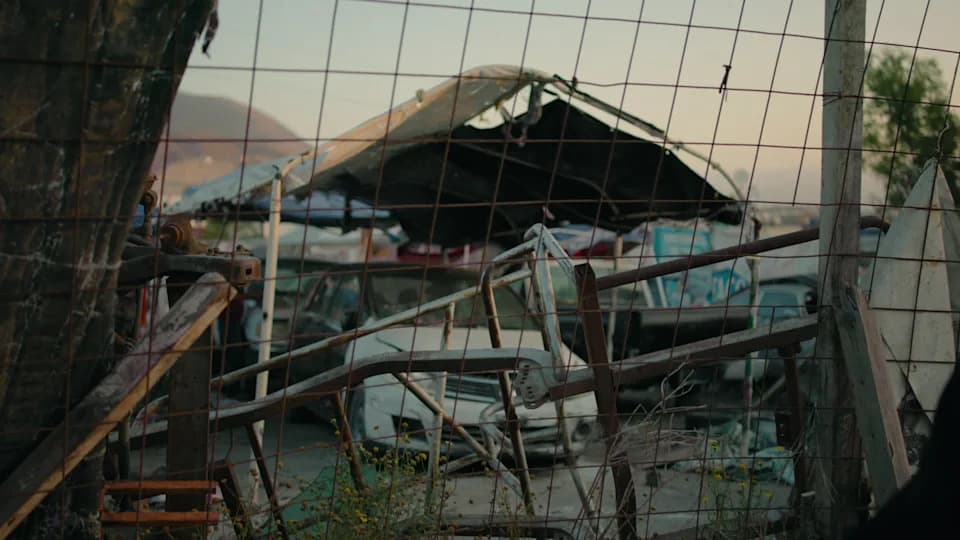
Some license-plate data come from private companies that operate plate-reading camera networks. In addition to those private feeds, Border Patrol has built a covert, domestic network of plate-reading cameras that have been hidden inside traffic cones, roadside crash barrels and electrical boxes. What began as a temporary tactic to catch smugglers near the border has since expanded into a long-term surveillance program.
How the information is used in the field
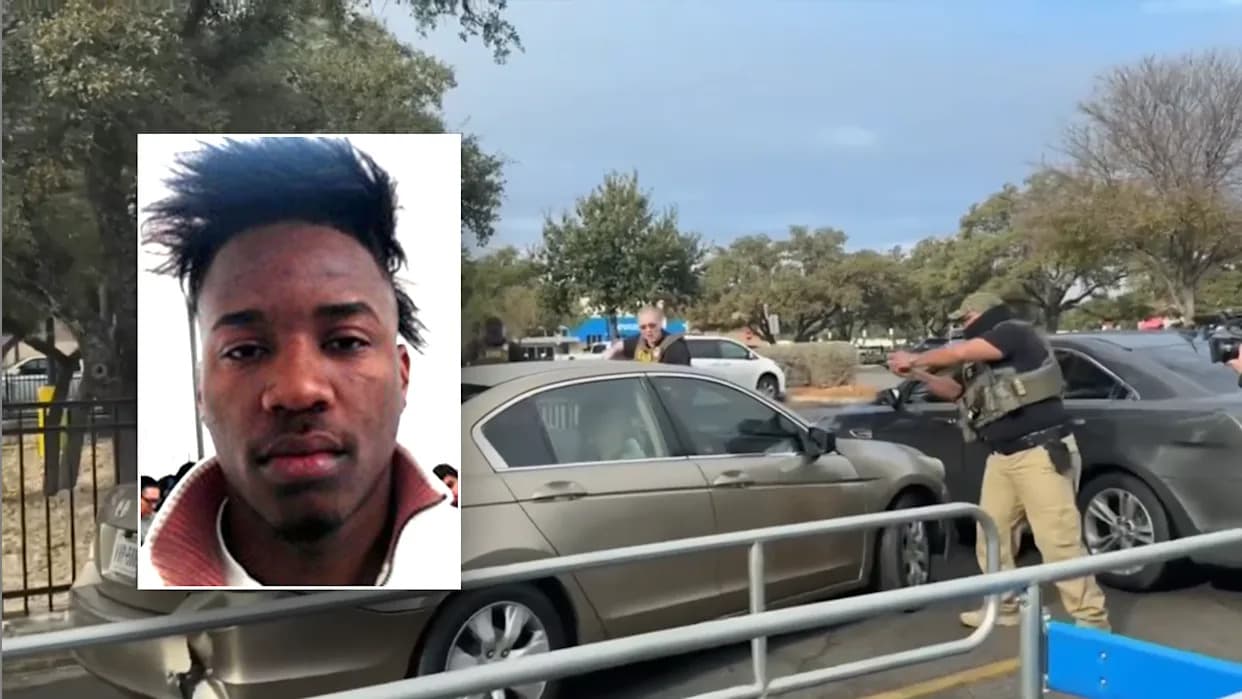
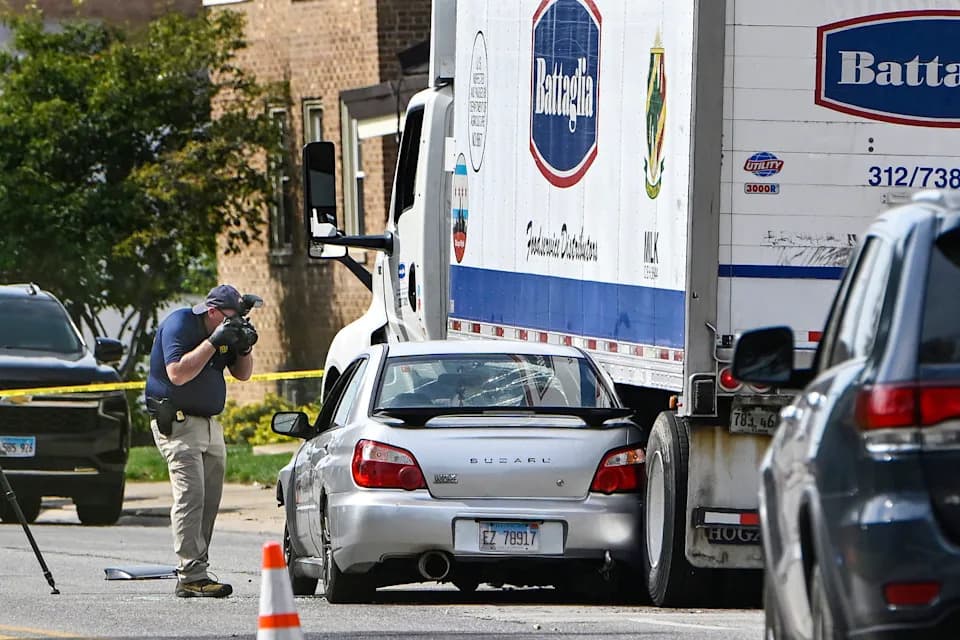
Agents often share intelligence with local law enforcement to identify suspicious "patterns of life" and arrange traffic stops, sometimes using routine pretexts such as minor traffic violations. Several documented stops show how monitoring can sweep up innocent drivers.
"Officers found no illegal drugs but did seize thousands of dollars in cash that records say came from customers; the driver was never charged and the cash was later returned."
For example, truck driver Lorenzo Gutierrez Lugo was stopped after Border Patrol monitored his movements and suggested he might be carrying contraband. Officers found no illegal drugs but seized cash; no charges were ultimately filed and the money was returned. In another case, businessman Alek Schott was pulled over and his vehicle searched at the direction of Border Patrol; nothing illegal was found and he later brought a civil lawsuit alleging unreasonable search and seizure.
Information-sharing and internal communications
Documents from a lawsuit revealed a group chat named Northwest Highway in which Border Patrol agents and local officers exchanged detailed intelligence about motorists, including home addresses and links to social media profiles of people who were stopped. These disclosures have raised questions about the scope and oversight of exchanges between federal and local agencies.
Beyond the 100-mile zone
Border Patrol's statutory authority is strongest within roughly 100 miles of the U.S. borders, an area critics sometimes call a "constitutional gray zone." Yet camera deployments have been documented well beyond that range—one camera was placed over 120 miles north of the Mexican border, and another monitored traffic more than 200 miles south of the Canadian border—indicating the program's reach extends deep inland.
What this means for travelers
Routine travel may be captured by plate-reading systems and then linked to various government and commercial databases. That tracking can trigger investigatory actions or information-sharing with local police. If you value privacy, consider limiting what you post publicly about travel plans, and be mindful that ordinary movements can be logged and analyzed by enforcement systems.
Bottom line: Passing through a county line or interstate toll may now leave a digital trail that reaches far beyond a single traffic stop. Awareness of how plate readers and data-sharing are used can help travelers make more informed choices.
Help us improve.