Car theft rings are increasingly stealing vehicles in the U.S. and smuggling them into Mexico, where recovery is often complicated by jurisdictional limits. An AirTag helped Catherine Vermillion locate her Jeep 46 miles away in Tijuana, but U.S. police could not pursue it across the border. The California Highway Patrol reports a 79% rise in tracked stolen vehicles crossing from California, Arizona and Texas over four years; some repossession specialists and Mexican authorities occasionally recover cars from organized drop-off points near the Tijuana airport.
Stolen Cars Smuggled to Mexico: Why Recovery Is Rare and What Owners Can Do
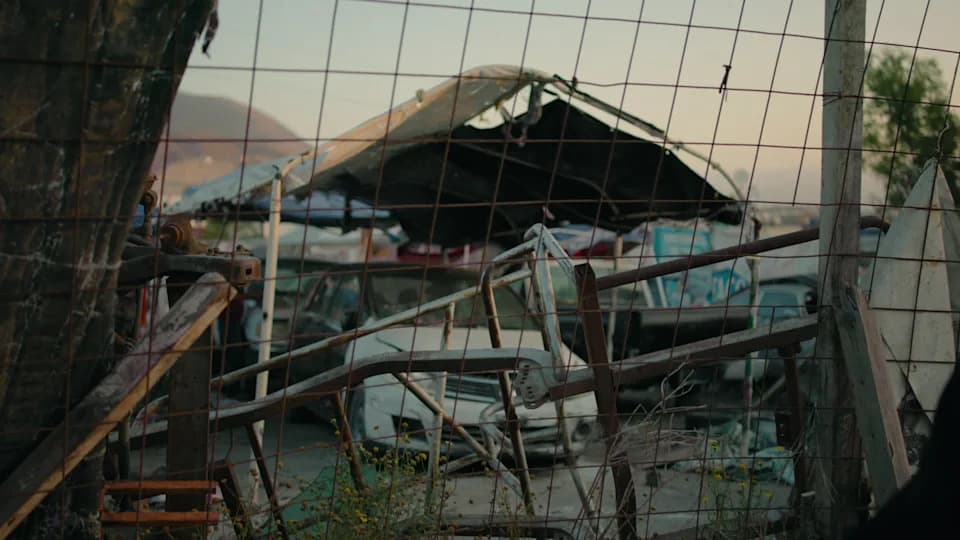
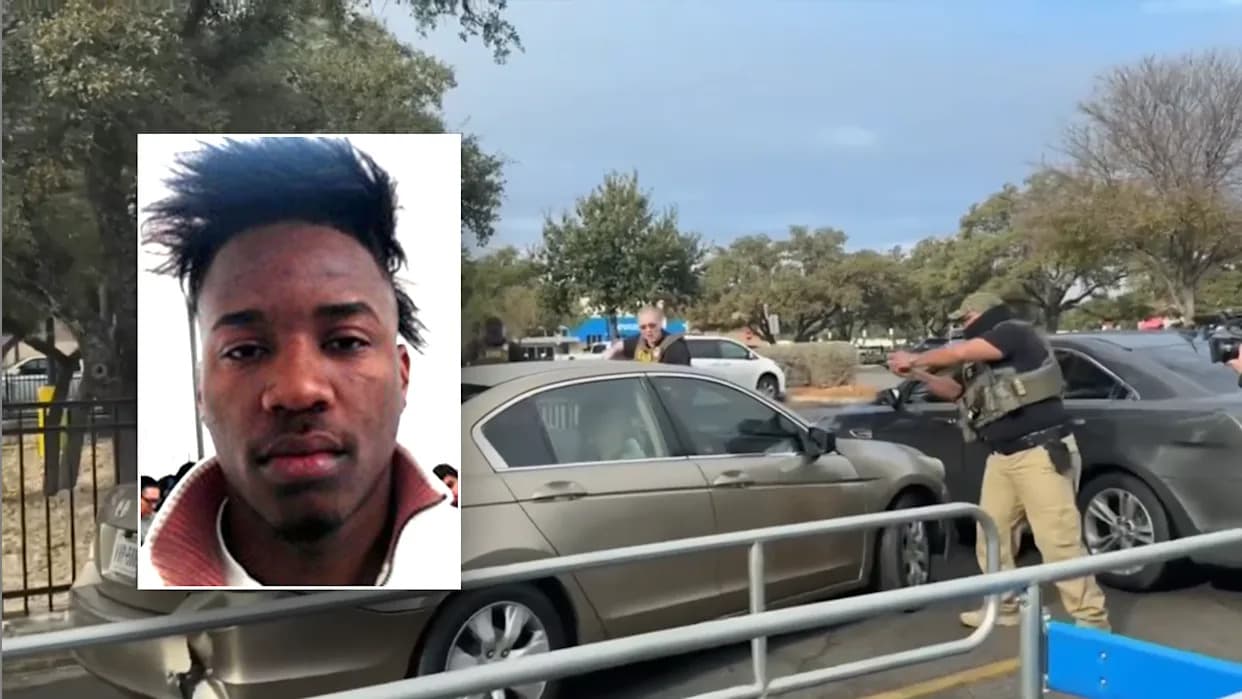
Catherine Vermillion's car was tracked to this lot in Tijuana, Mexico. / Credit: CBS News
Tijuana, Mexico — After a month away, San Diego resident Catherine Vermillion returned to her apartment to find an empty parking spot where her Jeep had been. An AirTag in the vehicle revealed the car’s location: 46 miles away in Tijuana.
What followed was a sobering reminder of cross-border limits on law enforcement and the growing problem of vehicle thefts that are quickly moved into Mexico.
“I looked up and realized my car was gone,” Vermillion told reporters. “I remembered that I had an AirTag in the car, so I checked my phone, and the AirTag showed that my car was in Tijuana, Mexico.”
“They just said that because it’s across the border, they’re not able to go and get it even though I could show them it was only 45 minutes away,” Vermillion said.
The California Highway Patrol (CHP) echoed that limitation. “When it comes to country borders, we cannot cross that line,” CHP Lt. David Navarro said, noting that transnational theft rings target high-end SUVs, pickups and performance cars. According to CHP data, tracked vehicles stolen in the U.S. and moved across the border from California, Arizona and Texas have increased by 79% over the past four years.
Navarro explained how quickly thieves can move vehicles: if a car is stolen at 2 a.m. and the owner doesn't report it until 7 a.m., there may be only a short window to catch it. If the vehicle isn't entered into alert systems before passing border cameras, it can go unnoticed.
Many stolen vehicles are reportedly taken to organized drop-off points near the Tijuana airport, just hundreds of yards from the U.S.-Mexico border. Phil Mohr, a repossession specialist who has spent two decades tracking stolen cars in Mexico, described those locations as systematic collection points.
“This is an organized drop-off point,” Mohr said.
Federal agents have said some of these operations are run by criminal groups that repurpose stolen U.S. vehicles to traffic drugs, weapons and people. Once a car crosses into Mexico, recovering it becomes legally and logistically difficult for U.S. law enforcement.
In Vermillion’s case, Mohr worked with Mexican authorities to recover the Jeep and return it to San Diego. Vermillion described the recovery as a rare victory: “It feels like the best day ever,” she said, after a neighbor snapped a photo of the reunion.
But such recoveries are the exception. Many owners never retrieve their vehicles, and the trend highlights gaps in cross-border coordination, the importance of rapid reporting, and the potential role of tracking technology—while also underscoring its limits.
What Owners Should Know
- Report thefts immediately: Faster reporting increases the chance a vehicle will be flagged before it crosses the border.
- Use tracking devices responsibly: Devices like AirTags can reveal location but do not guarantee recovery without cooperation from local authorities.
- Consider insurance and anti-theft measures: Comprehensive coverage and physical deterrents reduce risk and potential loss.
- Know jurisdictional limits: U.S. police generally cannot pursue vehicles across international borders; recovery often requires coordination with foreign authorities or private specialists.
As cross-border thefts rise, owners, law enforcement and policymakers face growing pressure to improve reporting systems, cross-border cooperation, and preventive measures to stem the flow of stolen vehicles into Mexico.
Help us improve.