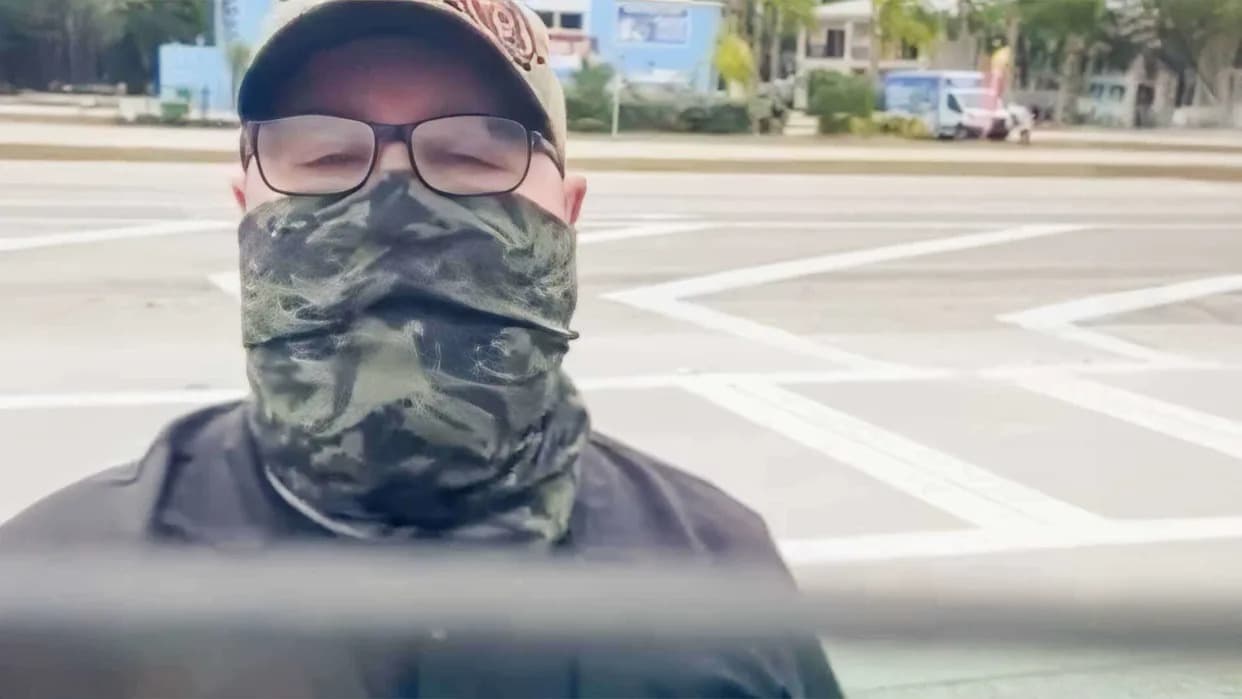
The video shows a Border Patrol officer in Key Largo warning a 64-year-old legal observer he would be arrested for following an unmarked CBP vehicle, even though the observer says he remained more than 25 feet away. Federal appeals courts, including the 11th Circuit, have recognized a public right to photograph and record police activity so long as there is no physical interference. DHS guidance takes a narrower view, sometimes treating following or filming as impeding an investigation; civil libertarians call that interpretation unconstitutional. The observer says this was his second harassment incident, and similar confrontations have occurred in other states.
Video: Border Patrol Officer Threatens Key Largo Legal Observer for Following Unmarked Vehicle
Video Shows Border Patrol Threaten Legal Observer in Key Largo for Following Him
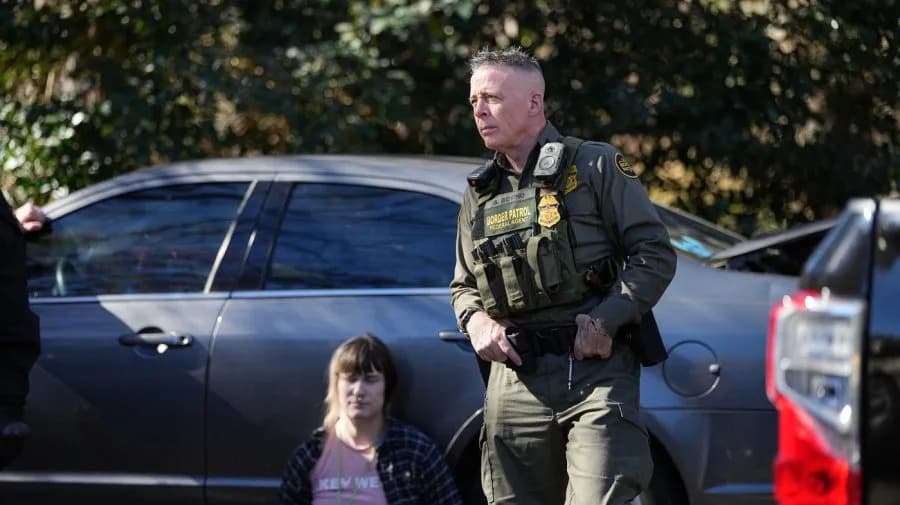
A U.S. Border Patrol officer in Key Largo, Florida, told a 64-year-old legal observer he could be arrested for following an unmarked Customs and Border Protection (CBP) vehicle, according to cellphone video posted to Instagram. The observer, who asked that his name be withheld to avoid retaliation, says he was monitoring federal enforcement activity and parked more than 25 feet from the CBP vehicle when the officer approached and issued the warning.
What the Video Shows
The observer says he followed the unmarked CBP vehicle from a distance and pulled into a restaurant parking lot when the vehicle stopped. He says an officer exited the CBP vehicle, put on a mask, and approached the observer's car. The recorded exchange includes the officer warning the observer that continued following would lead to being pulled over and arrested.
Officer: "This is your one warning, do you understand this? One warning. You've been following us around."
Observer: "I'm just driving around."
Officer: "You're following me around. If I continue to see you following me around, I'm gonna pull you over and arrest you."
Observer: "For what? What law am I breaking?"
Officer: "You're impeding an investigation, OK?"
During the exchange, the observer referenced a recent high-profile killing involving a Border Patrol officer and asked whether the officer intended to shoot him; the officer replied dismissively and returned to his vehicle after another brief warning.
Legal Context
Civil liberties groups and multiple federal appeals courts say that recording and monitoring law enforcement on public property is protected First Amendment activity so long as observers do not physically interfere with officers. In 2000 the U.S. Court of Appeals for the 11th Circuit—which covers Florida—held there is "a First Amendment right, subject to reasonable time, manner and place restrictions, to photograph or videotape police conduct." Several other federal circuits have reached similar conclusions.
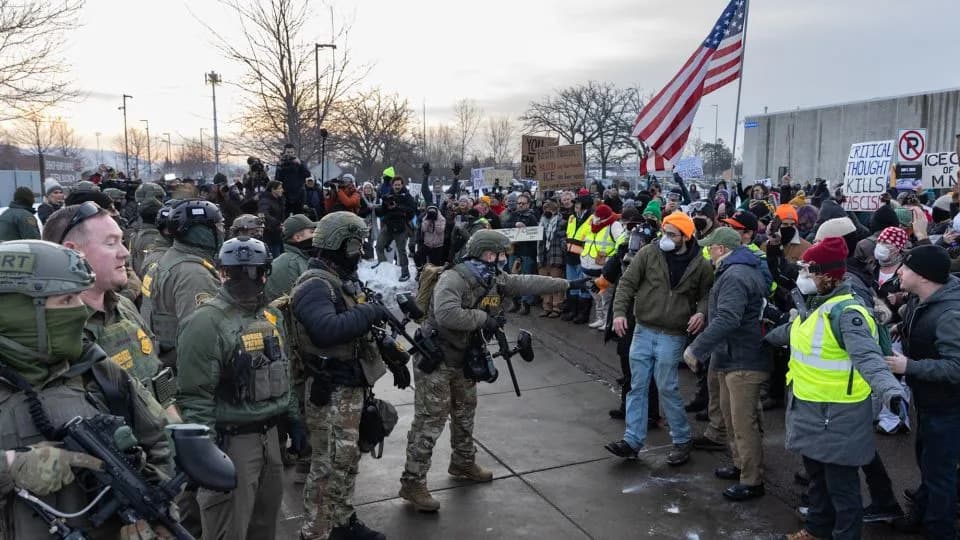
Department of Homeland Security (DHS) guidance and some enforcement statements have taken a narrower view, suggesting that following, filming, or alerting others to federal immigration agents can, in some circumstances, be treated as impeding an investigation under a federal statute that criminalizes physically obstructing federal officers. Civil libertarians say that interpretation is unconstitutional when applied to peaceful observation that does not interfere with officers' duties.
Scarlet Kim, a senior staff attorney with the ACLU's Speech, Privacy, and Technology Project, told Reason that video recordings create a necessary public record and that it is troubling when agents operate without visible identification, in unmarked vehicles, or take actions that deter documentation.
Previous and Related Incidents
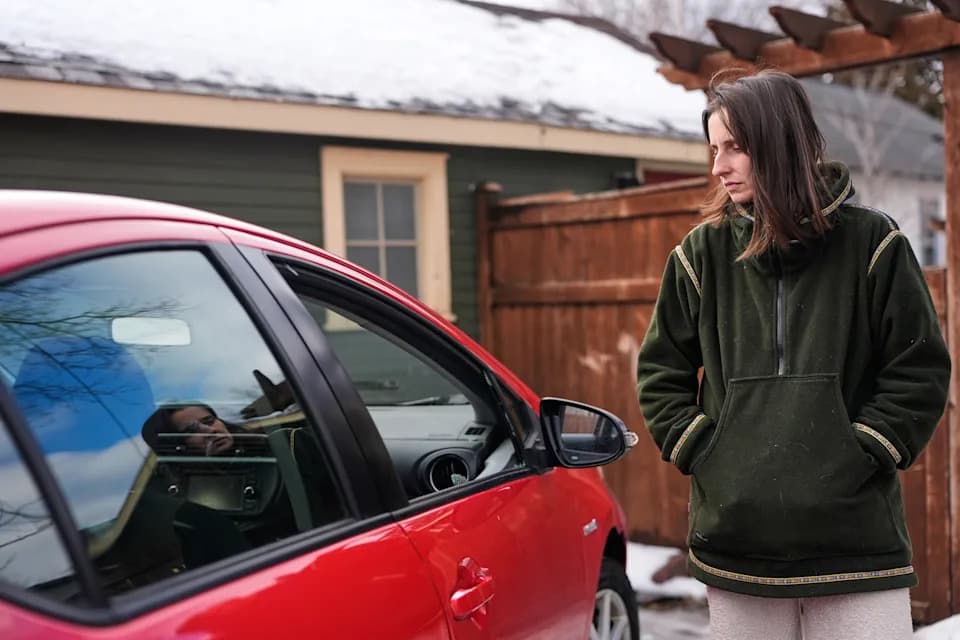
The Key Largo observer says this encounter was the second time he was harassed while monitoring enforcement; he says a CBP agent shoved him at a December traffic stop despite his complying with an order to step back. Similar confrontations have been reported elsewhere: last year, ICE officers in Oregon broke the window of a U.S. citizen's car and detained her for hours after she followed and photographed unmarked enforcement vehicles—a case that raised questions about officers' responses to being recorded.
Reactions and Next Steps
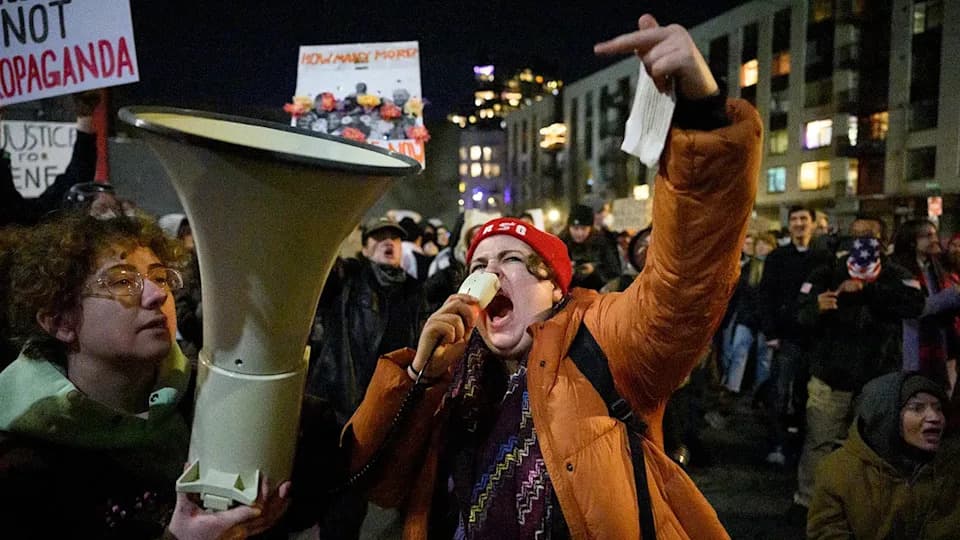
Some Republican lawmakers and administration officials have criticized protesters and observers who follow enforcement vehicles, calling certain behaviors disruptive. Others, civil liberties advocates, and legal experts say the public has a right to observe and document enforcement so long as they do not physically obstruct officers.
Customs and Border Protection did not immediately respond to a request for comment. The observer said he remains committed to monitoring enforcement activity in the Upper Florida Keys and plans to continue documenting encounters between federal agents and the public.
Help us improve.