The Department of Homeland Security has proposed a rule to expand biometric and DNA collection to anyone "associated" with immigration or benefit applications, a change that could include many U.S. citizens and sponsors. Critics—including the Institute for Justice—warn the rule would create persistent DNA-derived records retained indefinitely and available for future law-enforcement use. DHS withdrew a similar 2020 proposal after public backlash; the comment period for the current rule closed on January 2, 2026, when formal objections were filed. Observers say the plan risks expanding surveillance power beyond what Congress authorized and could erode Fourth Amendment protections.
DHS Proposal Could Turn Immigration Filings Into A Nationwide DNA And Biometric Dragnet
DHS Invokes Immigration Enforcement To Justify Gathering Americans' DNA
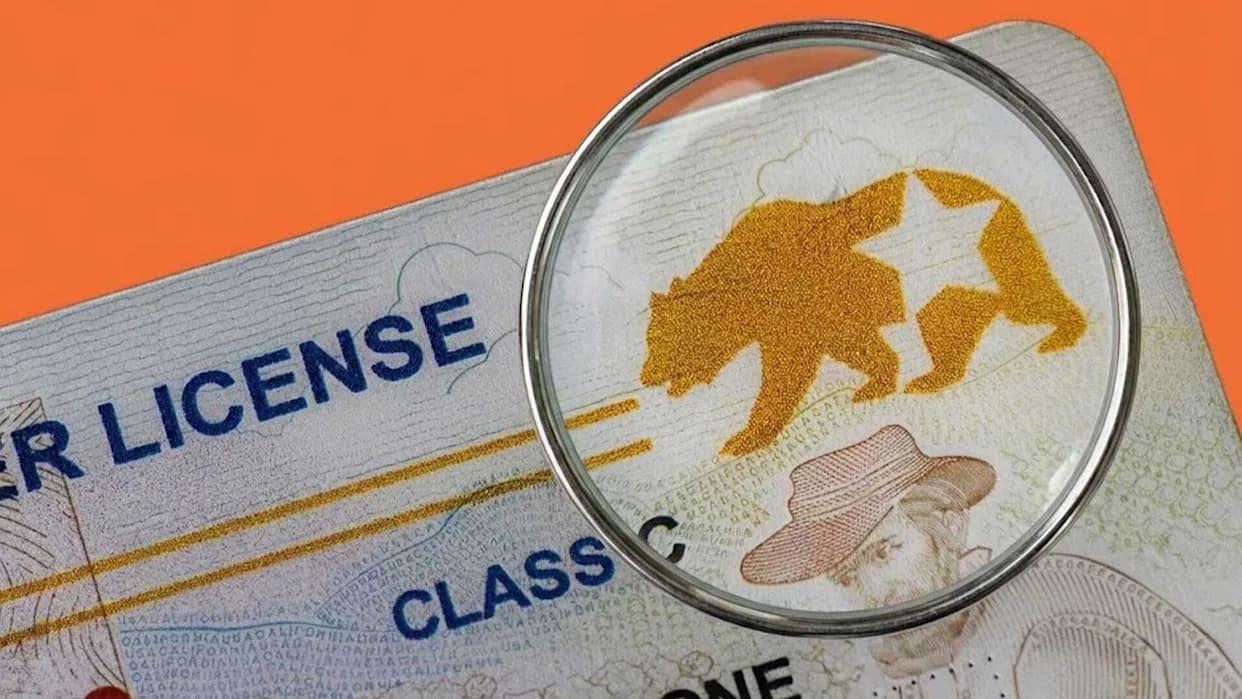
The Department of Homeland Security (DHS) has proposed a sweeping rule that would broaden the collection and indefinite retention of biometric data—potentially including DNA—from anyone "associated" with immigration or other benefit applications. While DHS frames the move as an "identity management" step to verify applicants, the change would reach far beyond noncitizens and could sweep in millions of U.S. citizens, sponsors, and employer signatories.
What The Rule Would Do
Published on November 3, 2025, the proposed rule would require submission of biometrics "by any individual, regardless of age, filing or associated with an immigration benefit request, other request, or collection of information, unless exempted." It would:
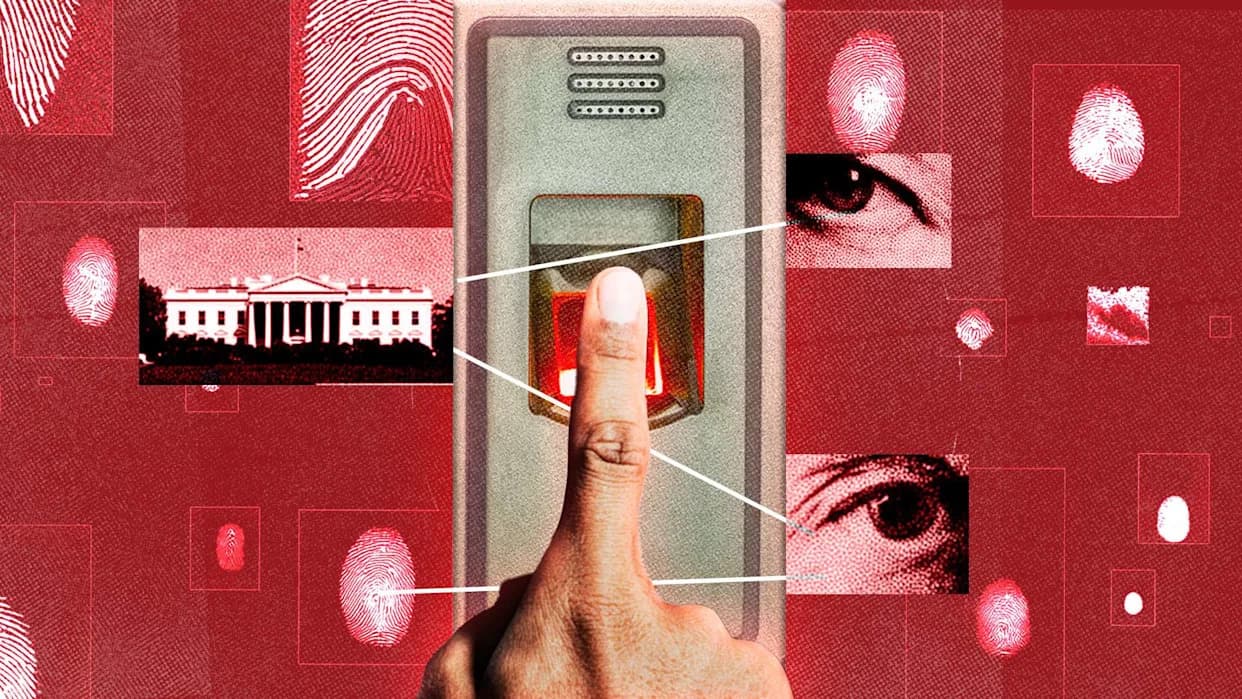
- Define and expand the definition of "biometrics" to include fingerprints, photographs, signatures, voiceprints, ocular/iris images and DNA;
- Expand collection authority after an alien arrest;
- Codify rules for reuse of biometric data and broaden DNA testing, use and storage; and
- Create an "extraordinary circumstances" exception to excuse a missed biometric appointment.
Who Could Be Affected
DHS's proposed definition of "associated" covers people with "substantial involvement or participation" in an immigration filing—examples include named derivatives, beneficiaries, petitioners' signatories, sponsors and co-applicants. Legal analysts warn that this language could subject U.S. citizens, nationals and lawful permanent residents to mandatory biometric collection where current practice typically targets only foreign applicants.
"This data collection would not be limited to just immigrants, it would also impact millions of American citizens," said Tahmineh Dehbozorgi of the Institute for Justice (I.J.). I.J.'s filing argues DHS would "compel U.S. citizens to turn over their DNA in civil immigration benefit adjudications, convert that biological material into persistent DNA-derived records, retain those records indefinitely, and make them available for future law-enforcement and investigative use."
Legal And Policy Concerns
Critics say the rule looks less like targeted casework and more like building a general-purpose investigative capability under the cover of immigration enforcement. The Institute for Justice warned that such a regime would raise serious Fourth Amendment concerns and that Congress has not clearly authorized DHS to create a nationwide biometric repository for Americans.
Observers also cited precedent: Justice Antonin Scalia's dissent in Maryland v. King (2013) warned that genetic collection risks creating a "genetic panopticon," and the Supreme Court's 2022 decision in West Virginia v. EPA stressed that agencies cannot claim highly consequential powers without clear congressional authorization.
Background And Scale
DHS previously pursued a similar biometric sweep in 2020 but withdrew the proposal after thousands of public comments objected to its scope. The comment period for the 2025 proposal closed on January 2, 2026, the same day I.J. filed formal objections.
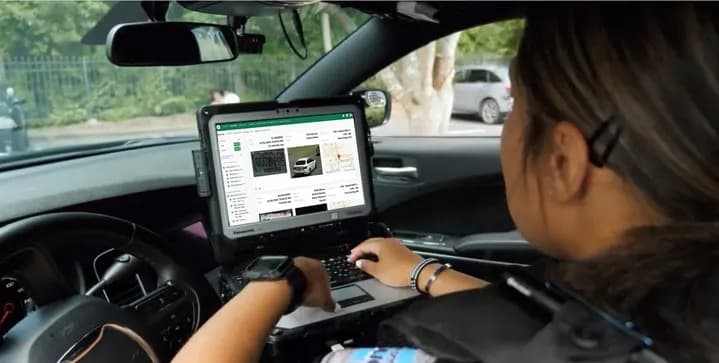
Reporting in August 2025 noted DHS's consolidation of oversight of the Office of Biometric Identity Management under the department's chief information officer. That system is reported to contain more than 300 million biometric profiles drawn from facial images, fingerprints and iris records—underscoring the reach and technical scale of federal biometric infrastructure.
Potential Implications
If finalized, the rule would institutionalize broader biometric collection and indefinite retention of highly personal identifiers for millions of people. Even if justified in the name of immigration enforcement, centralized biometric records often become available for other law-enforcement or investigative uses over time. Critics argue that normalizing suspicionless biometric collection in one context increases the risk it will spread to others.
The Institute for Justice's comment lays out civil-liberties and legal risks that helped stall the 2020 proposal. Those objections may again shape whether this rule advances, is revised, or is withdrawn.
Help us improve.