DHS has proposed linking the Nlets law-enforcement network to its SAVE citizenship-verification system to bring state driver’s license and ID data into bulk identity and voter-roll checks. Supporters say the change would help detect rare instances of noncitizen voting and strengthen election integrity. Civil-rights, privacy and immigrant-advocacy groups warn it would centralize vast amounts of personal data and could enable surveillance or targeting. Several states and advocacy groups have filed legal and legislative challenges; some states have already restricted Nlets access.
DHS Seeks to Link State Driver’s License Records to SAVE, Raising Privacy and Voting-Integrity Concerns

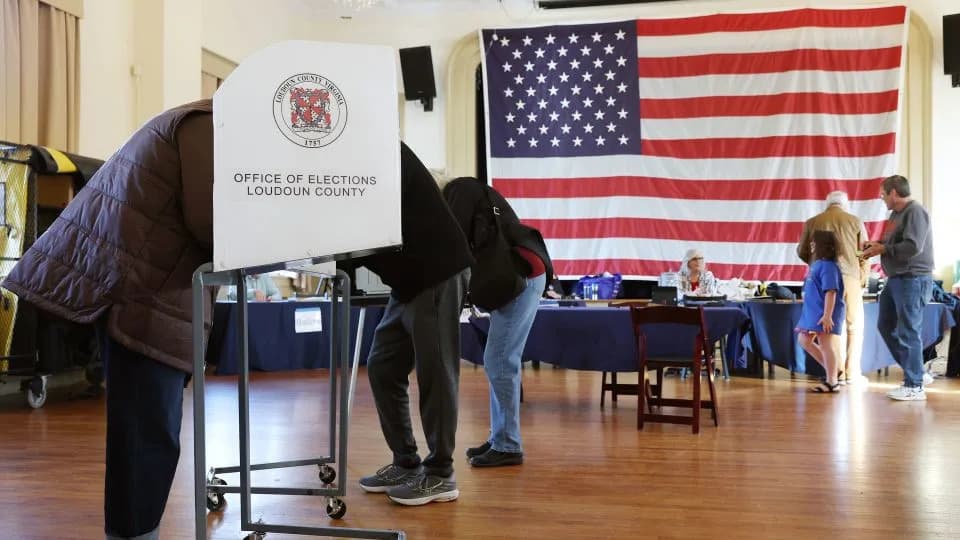
The Department of Homeland Security (DHS) is pursuing access to millions of state driver’s license records by proposing a link between the interstate law-enforcement network Nlets and the agency’s SAVE citizenship-verification system. Officials say the move would help verify identity and detect rare instances of noncitizen voting; critics warn it would centralize sensitive personal data and could be misused for surveillance or political targeting.
What DHS proposes
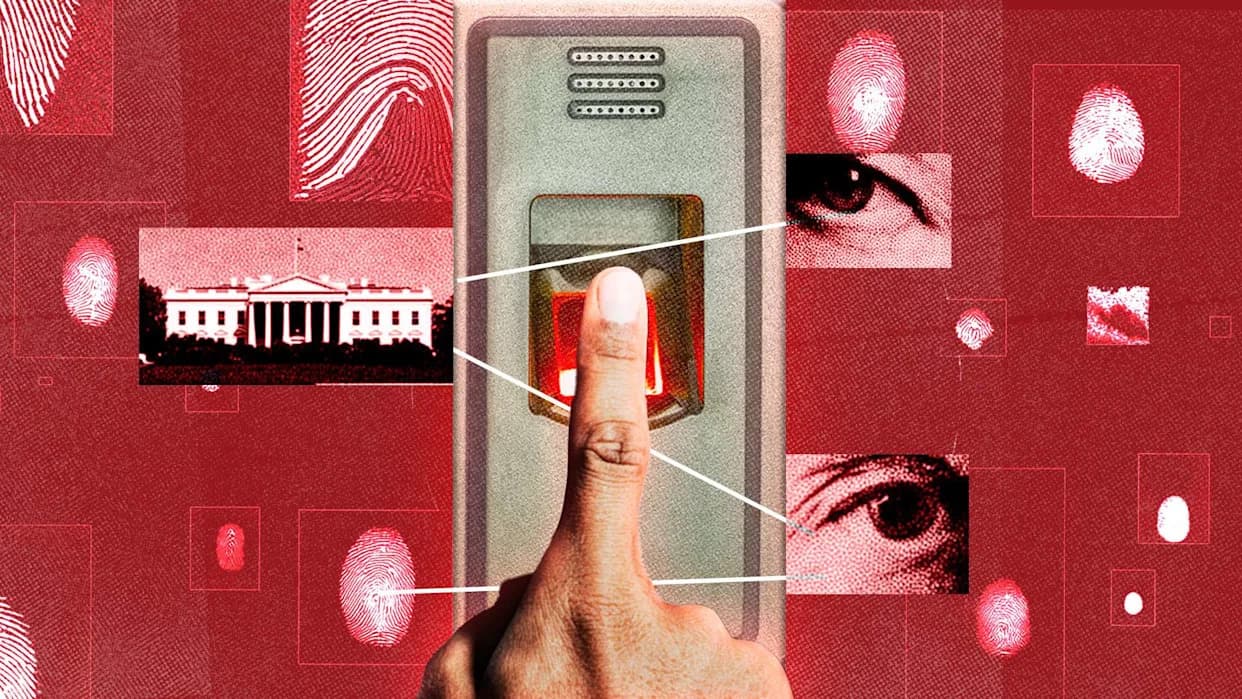
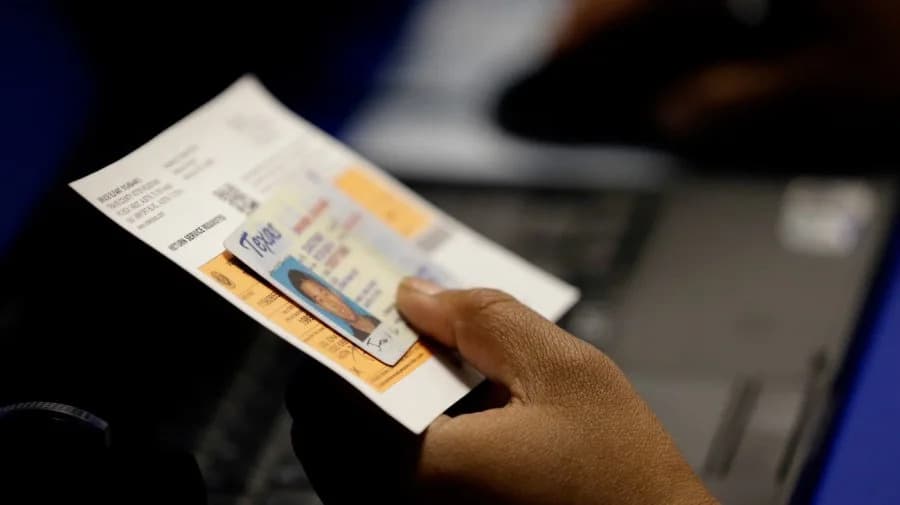
In an Oct. 31 notice to the Federal Register, DHS signaled its intent to use Nlets — the International Justice and Public Safety Network — to supply driver’s license and state ID numbers to SAVE (Systematic Alien Verification for Entitlements). SAVE, once limited to verifying individual benefit applicants, has been expanded to run bulk checks and now is linked to Social Security data; adding Nlets would bring extensive motor-vehicle records into the same system.
How Nlets works
Nlets is a long-standing clearinghouse that lets law-enforcement agencies query criminal-justice and motor-vehicle information across states. Each state’s Nlets member (often the highway patrol) decides which data are available and which agencies can query them. Several federal agencies, including immigration and homeland security components, are members and have used Nlets for routine checks.
Concerns, legal challenges and expert reactions
Privacy and civil-rights groups warn that using Nlets for bulk extraction goes well beyond its traditional, targeted law-enforcement purpose. "What this SAVE database expansion will do is serve as a central pillar to build dossiers on all of us," said Cody Venzke, senior policy counsel at the American Civil Liberties Union. John Davisson of the Electronic Privacy Information Center described the proposal as a mass-extraction use of a system designed for targeted inquiries.
“For many years folks concerned about privacy and immigrants have tried to sound the alarm about this issue,” said Matthew Lopas of the National Immigration Law Center.
The League of Women Voters has sued DHS over SAVE’s expansion, alleging the agency exceeded legal limits while constructing a comprehensive database on citizens and residents. A federal judge recently declined to grant a temporary injunction, but wrote that the court is troubled by recent changes and questioned the lawfulness of the government’s actions.
State and congressional responses
Forty congressional Democrats warned governors that Nlets can expose driver’s license records to immigration enforcement even in states that restrict cooperation. At least five states — Illinois, Massachusetts, Minnesota, New York and Washington — have blocked Nlets from sharing their license records with immigration authorities; Oregon is taking steps to restrict access. Colorado state Sen. Julie Gonzales said she is prepared to pursue legislation limiting data sharing with federal immigration agencies.
Some states are pushing back in different ways: Maryland says it is taking proactive measures to ensure any federal access complies with state and federal law, citing a 2021 state law that limits sharing driver’s license data with immigration authorities. South Dakota’s Department of Public Safety has warned that narrowing access could hinder officers’ ability to identify wanted individuals and address threats to public safety.
Why this matters
The dispute highlights a broader debate over whether routine identification data maintained by states should be available for centralized federal checks. Supporters argue expanded access protects election integrity and public safety; opponents say it undermines state privacy protections and risks creating a searchable federal repository of personal information that could be abused.
What happens next: DHS could pursue administrative steps to connect Nlets and SAVE, but the effort faces legal challenges, ongoing state-level policy changes and congressional scrutiny. The outcome will shape how much control states retain over residents’ identification records and how widely the federal government can use them for immigration, voting and other checks.
Help us improve.