Democratic leaders who previously backed universal body cameras for ICE now want strict legal limits on how footage can be used amid fears the devices could be co‑opted for mass surveillance of protesters. Lawmakers and advocates point to reports that ICE has fed imagery into license‑plate readers and facial‑recognition tools, and some court filings allege agents used face scans and tracked license plates. DHS says its cameras lack built‑in facial recognition and warns limits could hinder law‑enforcement work. Negotiations over DHS funding may determine whether usage restrictions are adopted.
Democrats Warn ICE Body Cameras Could Become A New Mass‑Surveillance Tool — Seek Legal Limits
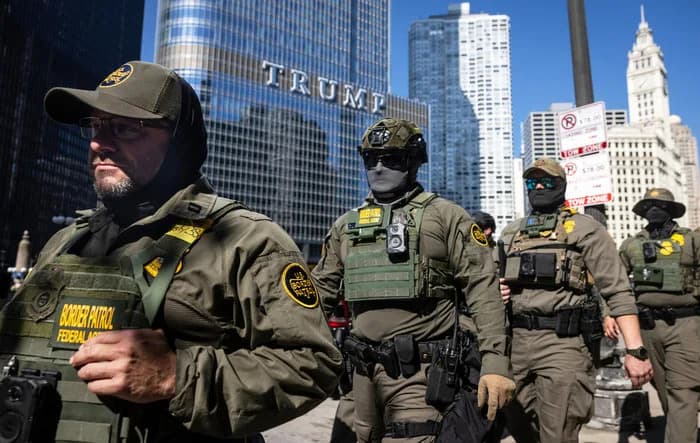
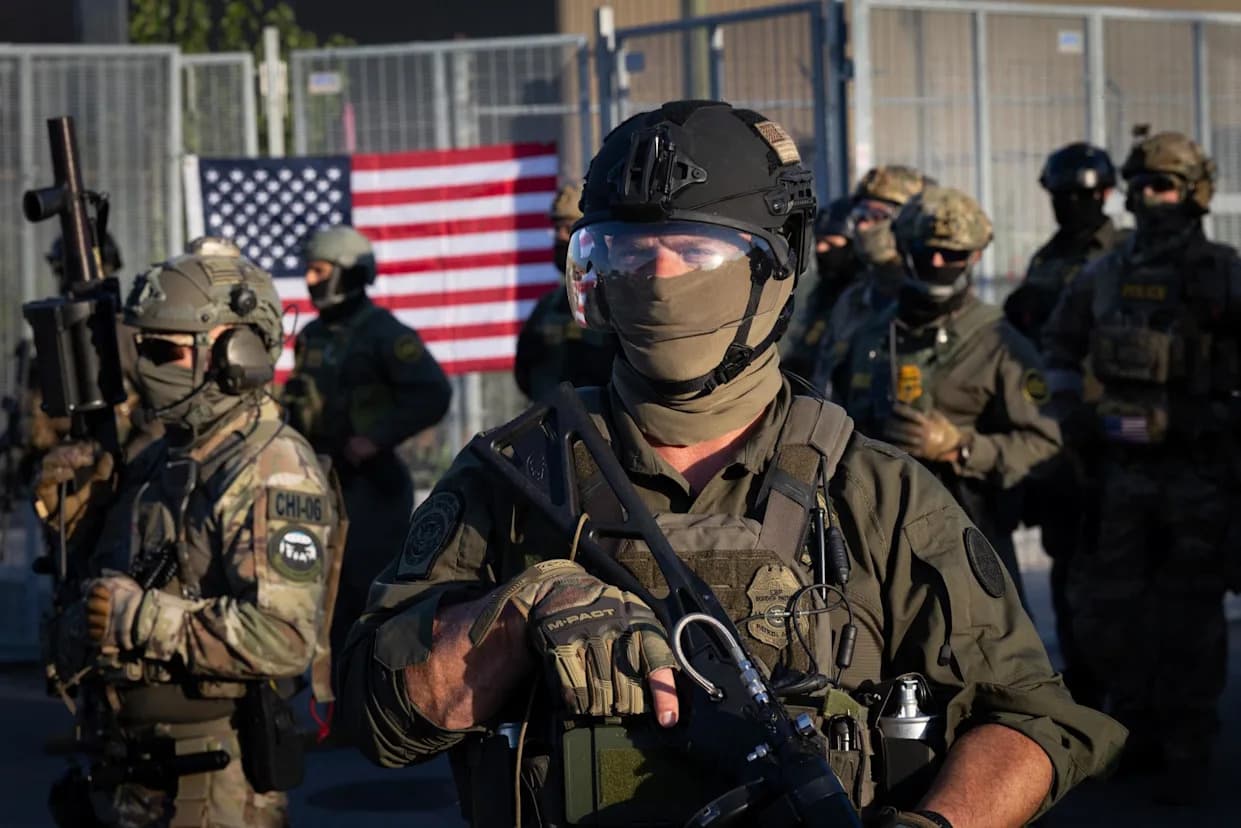
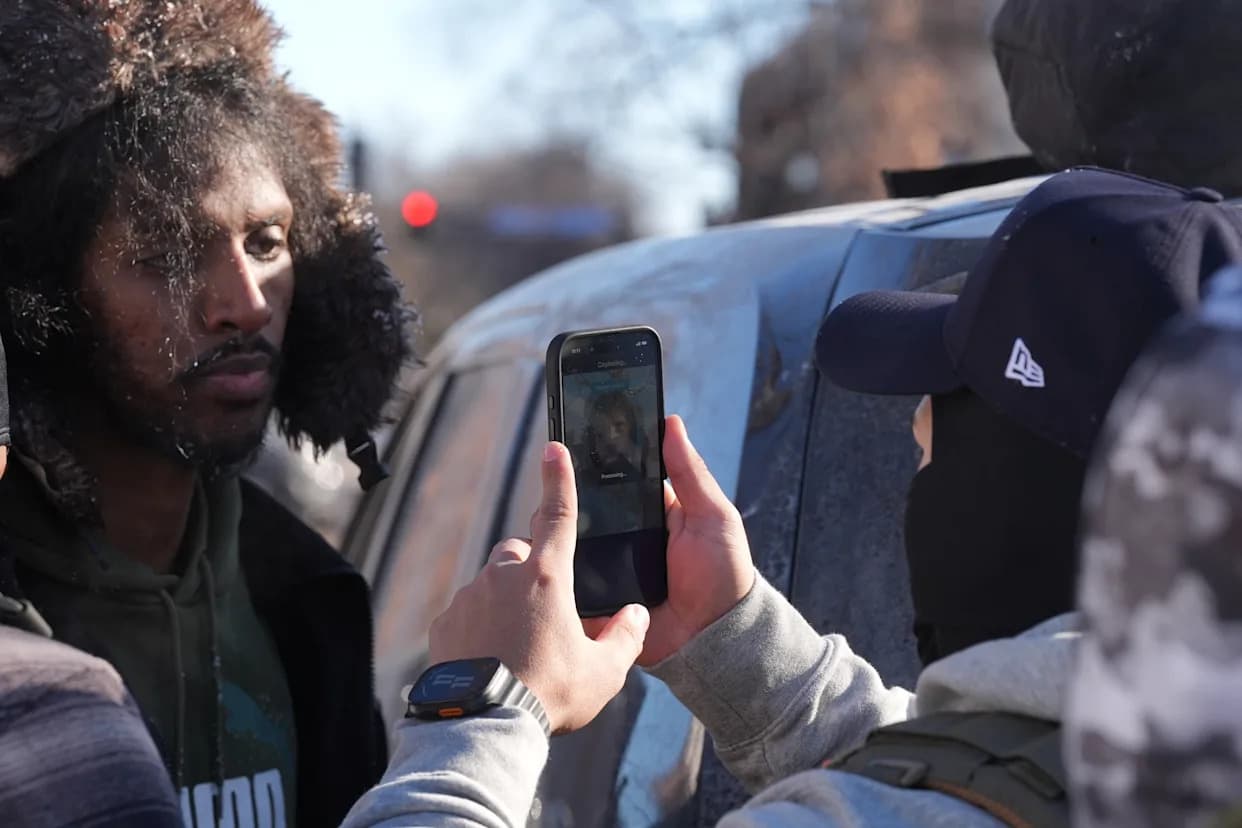
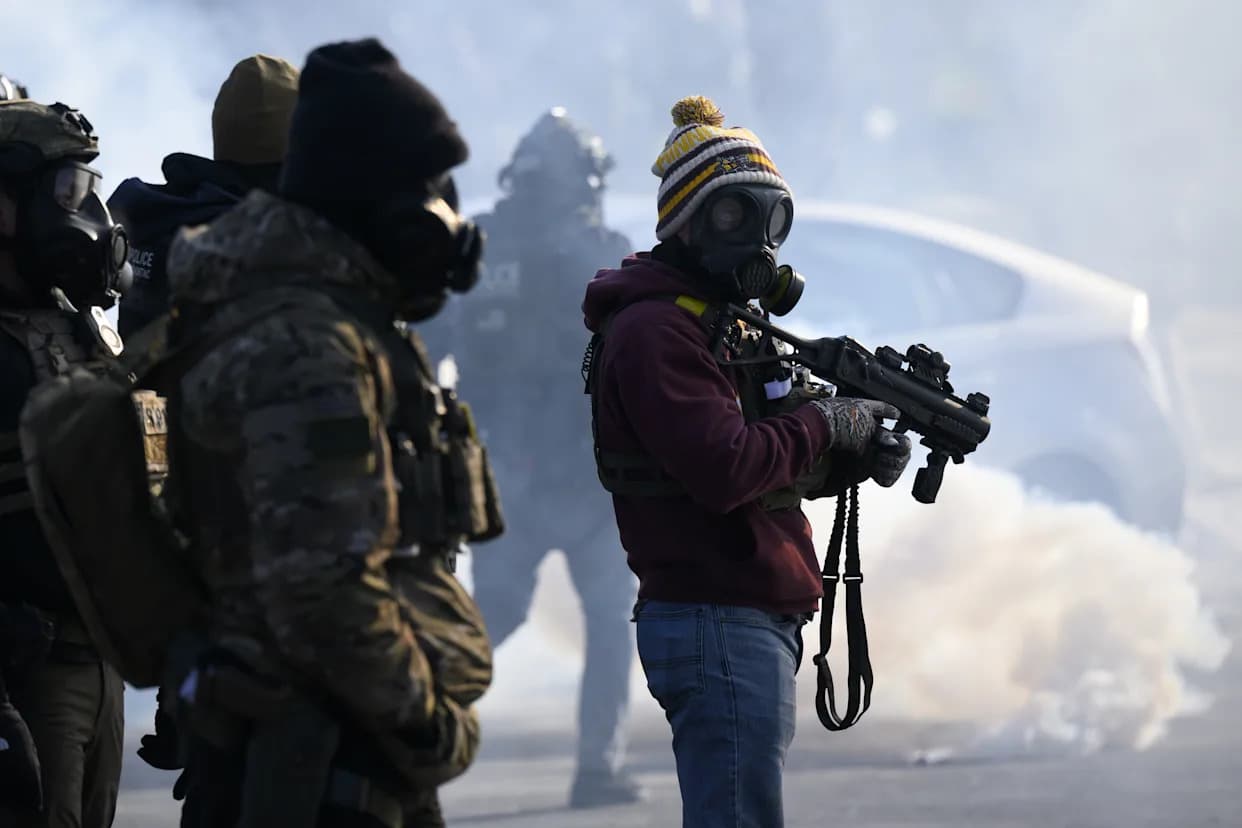
Democratic leaders who had pushed for universal body cameras for Immigration and Customs Enforcement (ICE) are now urging strict limits on how footage can be used amid fears the devices could be repurposed into a mass‑surveillance system for monitoring protesters and legal observers.
Background
Congressional Democrats made mandatory body‑camera use a key accountability demand for ICE following several high‑profile enforcement incidents, including fatal shootings by federal agents in Minneapolis. But privacy advocates and some lawmakers warn that body cameras could feed existing surveillance systems — such as facial‑recognition platforms and license‑plate readers — creating new risks to civil liberties.
What Democrats Are Asking For
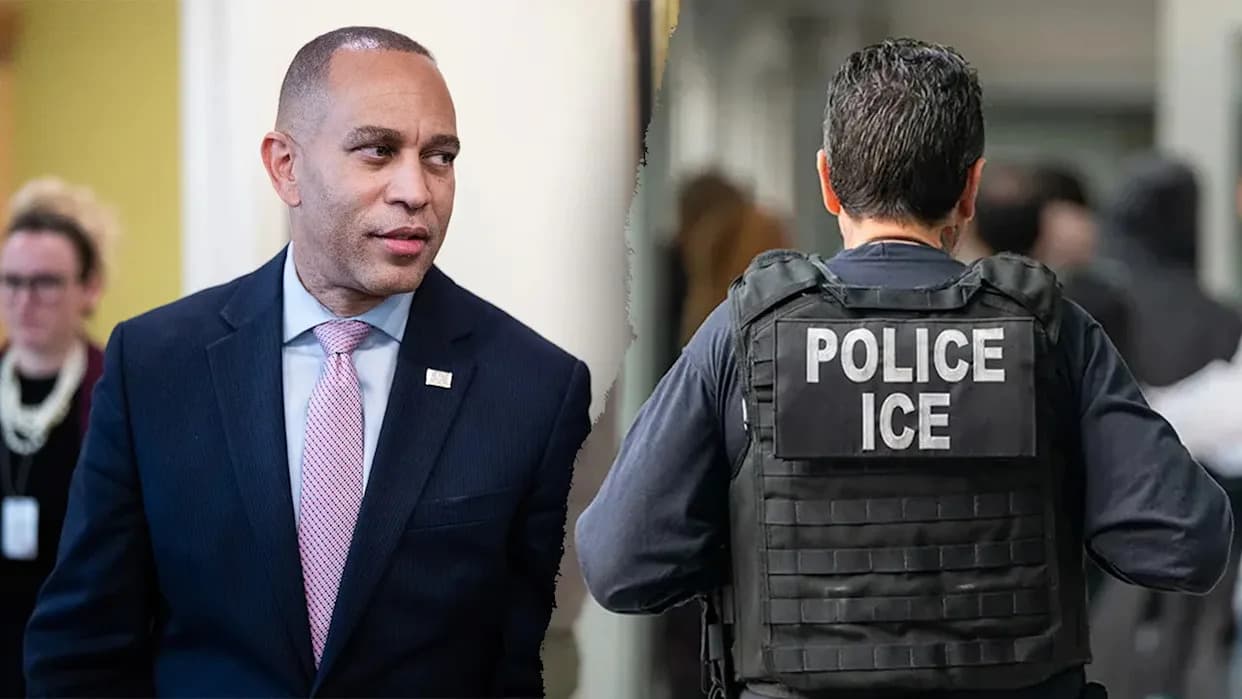
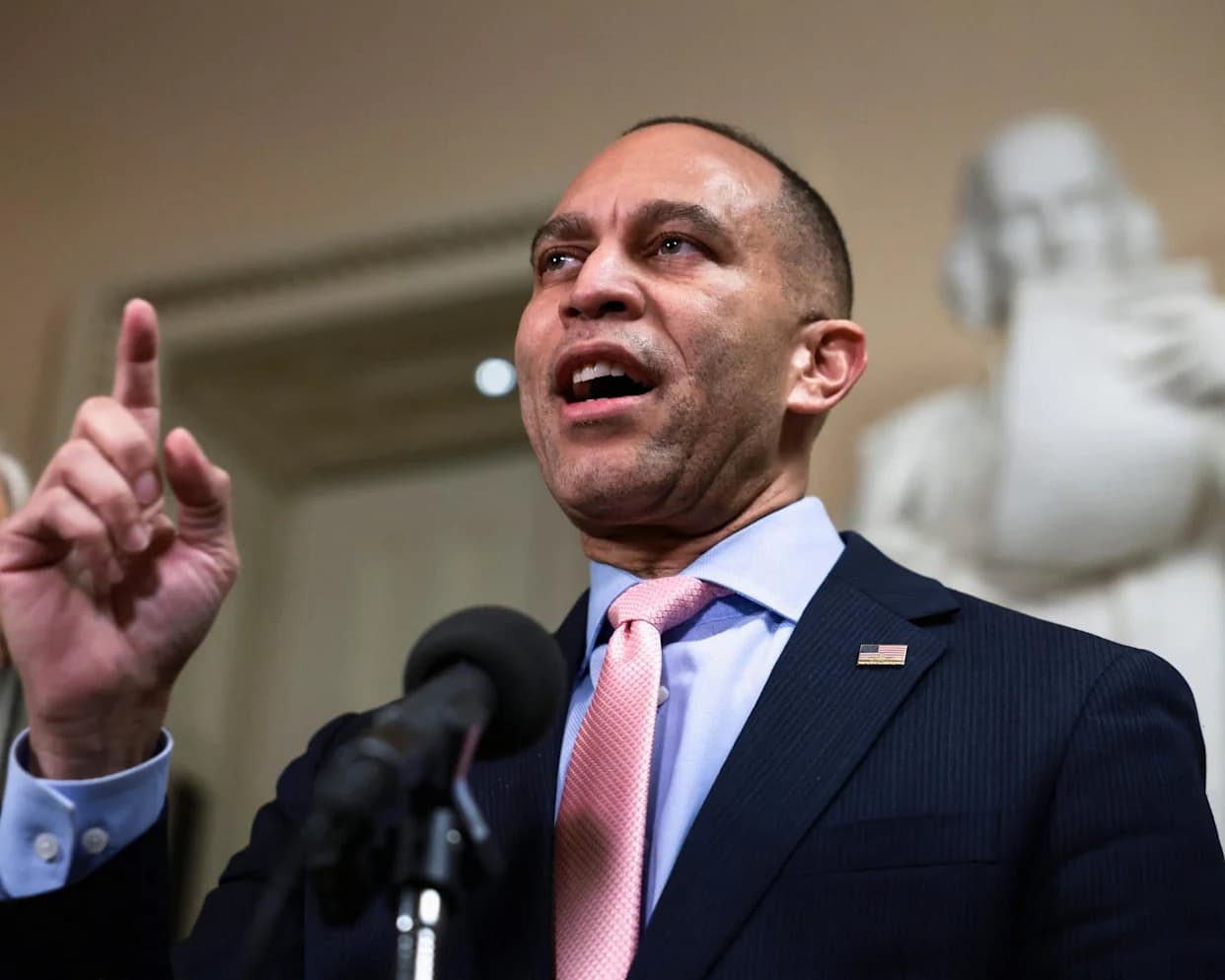
House Minority Leader Hakeem Jeffries and Senate Minority Leader Chuck Schumer sent a letter to Republican leaders proposing clear limits on body‑camera use, including a prohibition on:
"Tracking, creating, or maintaining databases of individuals participating in First Amendment activities."
Lawmakers say those restrictions should bar the use of body‑camera footage to identify or compile lists of protesters, and should prevent footage from being ingested into facial‑recognition systems without a strict legal basis.
ICE, DHS And The White House Responses
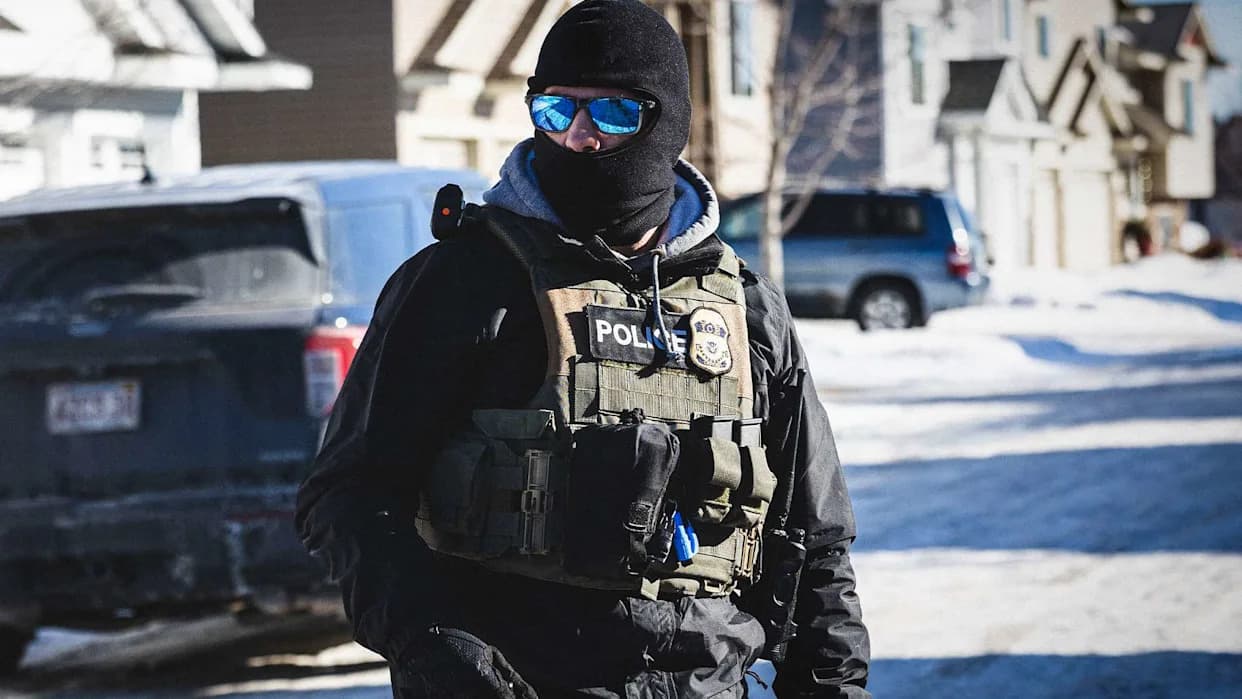
The Department of Homeland Security (DHS) tells reporters its body cameras are not equipped with built‑in facial recognition and that agency policy forbids using body cameras solely to record First Amendment activity. DHS, however, allows recording during arrests and other enforcement actions. The agency also denied maintaining a "domestic terrorist" database after videos circulated suggesting officers threatened to place legal observers on such lists.
White House press secretary Karoline Leavitt said the administration would not accept deals that undermine ICE’s enforcement capabilities, calling some Democratic demands "non‑starters." A White House spokesperson did not clarify whether the administration would negotiate limits specific to body camera use.
Evidence And Advocacy
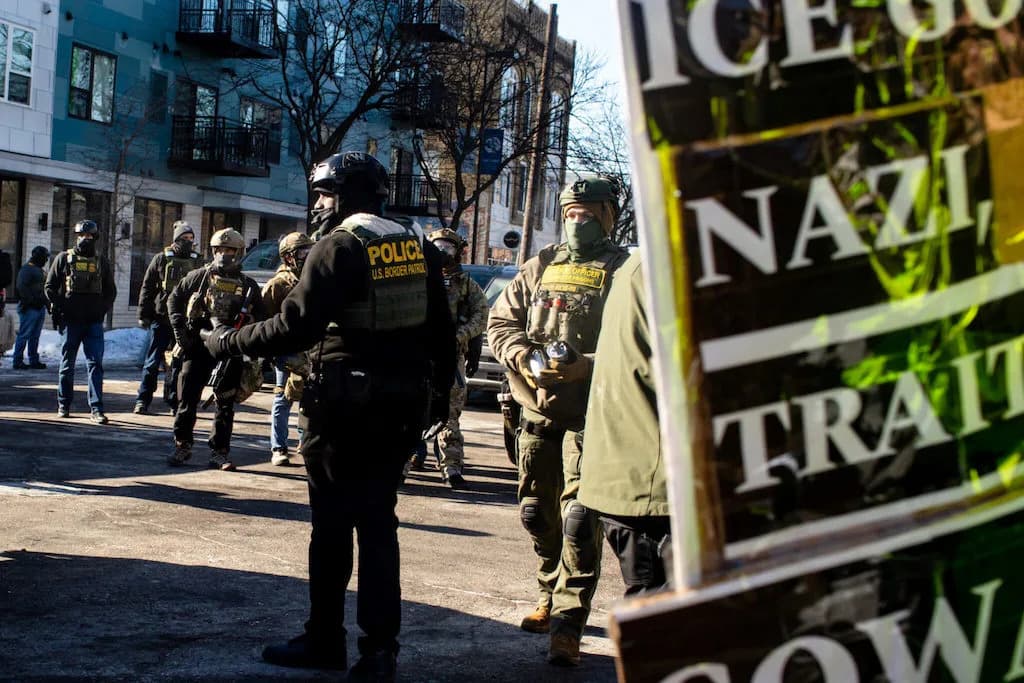
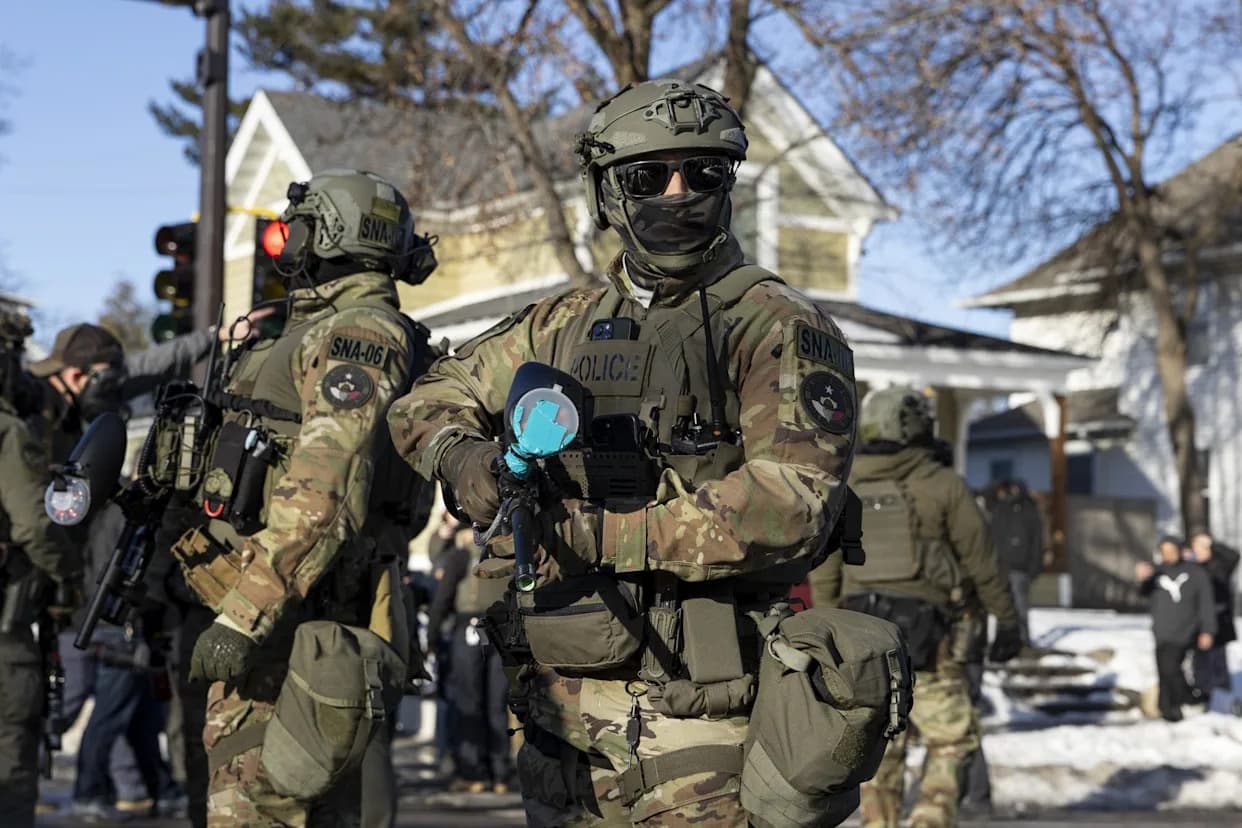
Democrats cite reports and court filings alleging that ICE and border agents have used a range of camera systems to surveil protesters and that imagery has been run through license‑plate readers and facial‑recognition tools. In one court filing, a legal observer says an agent claimed facial recognition was in use while a body camera recorded; another filing quotes an agent saying, "We have your license plate, we know where to find you."
Twenty‑nine technology and civil‑liberties groups warned Congress in a Jan. 28 letter that equipping ICE with body cameras without limits would expand the agency’s surveillance capacity. "Democrats in Congress can't claim they're standing against ICE abuses if they're calling for more ICE‑controlled cameras," said Evan Greer, director of Fight for the Future.
Political Stakes
The debate over surveillance limits is unfolding alongside negotiations over Department of Homeland Security funding. Republicans had previously agreed to increase funding for ICE body cameras; Democrats are now seeking to attach usage restrictions to that funding. The proposed restrictions on facial recognition and database use face an uncertain path without bipartisan support.
Why It Matters
Supporters of limits argue they are necessary to protect free speech and prevent retaliation against demonstrators and legal observers. Proponents of fewer restrictions argue investigators need modern tools to pursue criminals and protect public safety. The outcome will shape how new recording technologies are deployed by federal immigration and border authorities.
Key voices: House Minority Leader Hakeem Jeffries, Senate Minority Leader Chuck Schumer, Sen. Mark Warner, Sen. Ed Markey, Rep. Pramila Jayapal, and advocacy groups including Fight for the Future.
Help us improve.