A PNAS study led by anthropologist Cynthia Beall found that Tibetan women from Upper Mustang (≈12,000–14,000 ft) with the most live births had higher blood oxygen saturation despite lower hemoglobin concentrations. These physiological advantages — including greater uterine blood flow and heavier newborns — correlate with genetic variants in EGLN1 and EPAS1. EPAS1, likely introduced via Denisovan ancestry ~50,000 years ago, supports cardiovascular and respiratory adaptations that reduce cardiac strain. The findings illustrate ongoing natural selection in humans living under chronic environmental stress.
Study: Tibetan High-Altitude Adaptations Boost Reproductive Success

Vast plateaus that rise toward the sky make Tibet one of the planet's most dramatic — and one of its harshest — environments. Despite chronically low oxygen, human communities have lived on the Tibetan Plateau for more than 10,000 years and exhibit physiological adaptations that help them cope with hypoxia.
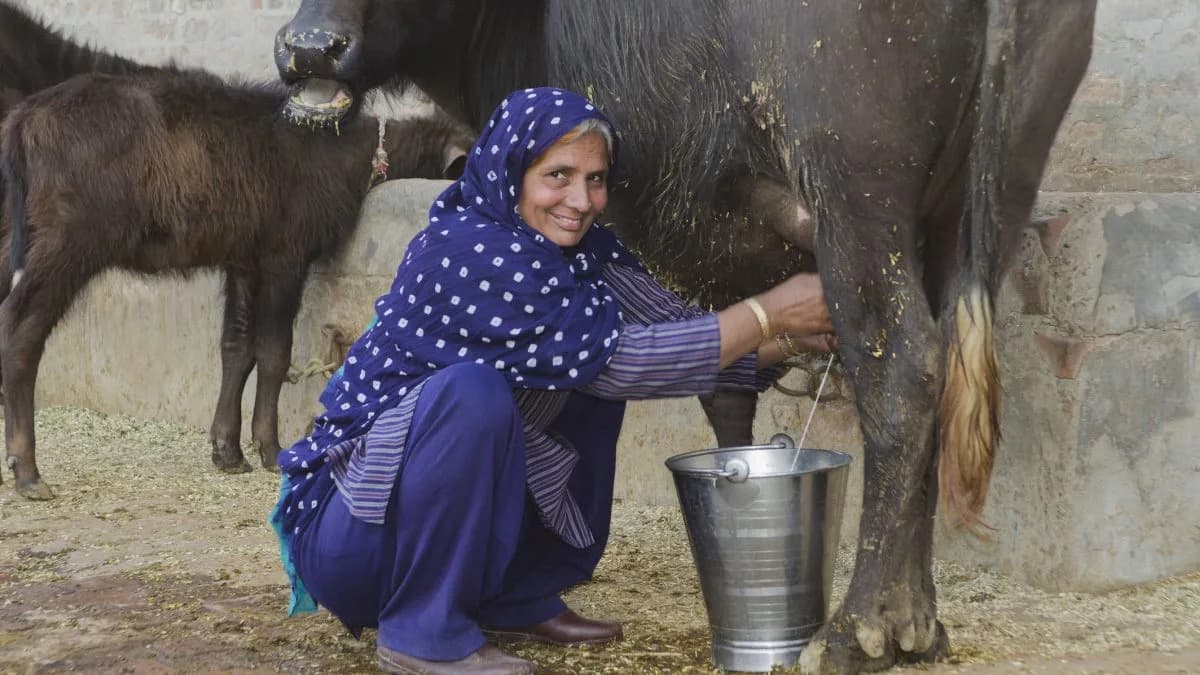
Anthropologist Cynthia Beall of Case Western Reserve University and colleagues report in PNAS that, among a group of Tibetan women, those with the highest lifetime number of live births also had higher blood oxygen saturation. The researchers measured noninvasively a cohort of women aged 46–86 from Upper Mustang, Nepal — on the southern edge of the plateau at roughly 12,000–14,000 feet — and compared oxygen delivery and hemoglobin metrics.
Surprisingly, the most reproductively successful mothers showed higher oxygen saturation despite lower hemoglobin concentrations. At these elevations, pregnancy carries elevated risks, including preeclampsia and low birthweight, yet these women combined greater uterine blood flow with heavier newborn weights, suggesting physiological traits that improve maternal and neonatal survival under hypoxic stress.
"Among women with long marriages and early first births, combinations of traits enhancing oxygen delivery to tissues characterized those with the highest lifetime reproductive success," the authors write.
Genetic evidence complements the physiological data. Variants in EGLN1 (Egl-9 Family Hypoxia Inducible Factor) and EPAS1 (Endothelial PAS Domain Protein 1) are strongly selected in Indigenous Tibetan populations and are rare or absent elsewhere. EGLN1 helps regulate cellular responses to low oxygen, while EPAS1 encodes part of hypoxia-inducible factor 2 (HIF-2), which influences respiratory and cardiovascular responses and the expression of many hypoxia-response genes.
Selection appears to favor alleles that avoid excessive blood viscosity: very high hemoglobin concentrations can increase cardiac workload and risk. EPAS1-related traits — likely introduced to modern humans through Denisovan ancestry roughly 50,000 years ago — are associated with circulatory and structural changes, including relatively larger heart ventricles and increased pulmonary blood flow, which help deliver more oxygen to tissues without dangerously increasing cardiac strain.
The study also accounted for sociocultural influences such as age at marriage and access to contraception, and still found that physiological oxygen delivery metrics correlated with number of live births. Together, the physiological measurements and genetic signals provide a clear example of how human populations living under prolonged environmental stress continue to undergo natural selection.
Implications: This research highlights that human evolution is ongoing and that local ecological pressures can shape physiology and reproductive success over many generations. The Tibetan case offers a visible, well-documented example of adaptation to extreme altitude.
Help us improve.