The UC Berkeley-led team analyzed about 8,000 genomes, including ancient samples, to trace the lactase-persistence allele -13910*T across South Asia. They found a north-to-south decline in the allele's frequency, with two pastoralist exceptions—the Toda and Gujjar—showing lactase persistence up to ~90%. Genetic evidence suggests the allele arrived from Eurasian Steppe pastoralists and was amplified locally by strong positive selection linked to dairy-dependent lifestyles. The study emphasizes that lactase persistence evolved through diverse cultural and demographic histories.
Why Widespread Lactose Intolerance in South Asia Sheds Light on the Evolution of Milk Drinking
South Asia's Dairy Intolerance Could Help Explain Our Ability to Drink Milk
Researchers at the University of California, Berkeley have led a large genome-wide analysis across South Asia that clarifies why the ability to digest fresh milk in adulthood—known as lactase persistence—evolved in some populations but remained rare in others.
A Patchwork Pattern of Milk Digestion
Although India, Pakistan and Bangladesh are among the world's largest dairy producers and consumers, most adults in these countries produce little lactase, the enzyme required to break down lactose. South Asian diets therefore often favor lactose-reduced dairy such as ghee, yogurt and other fermented products.
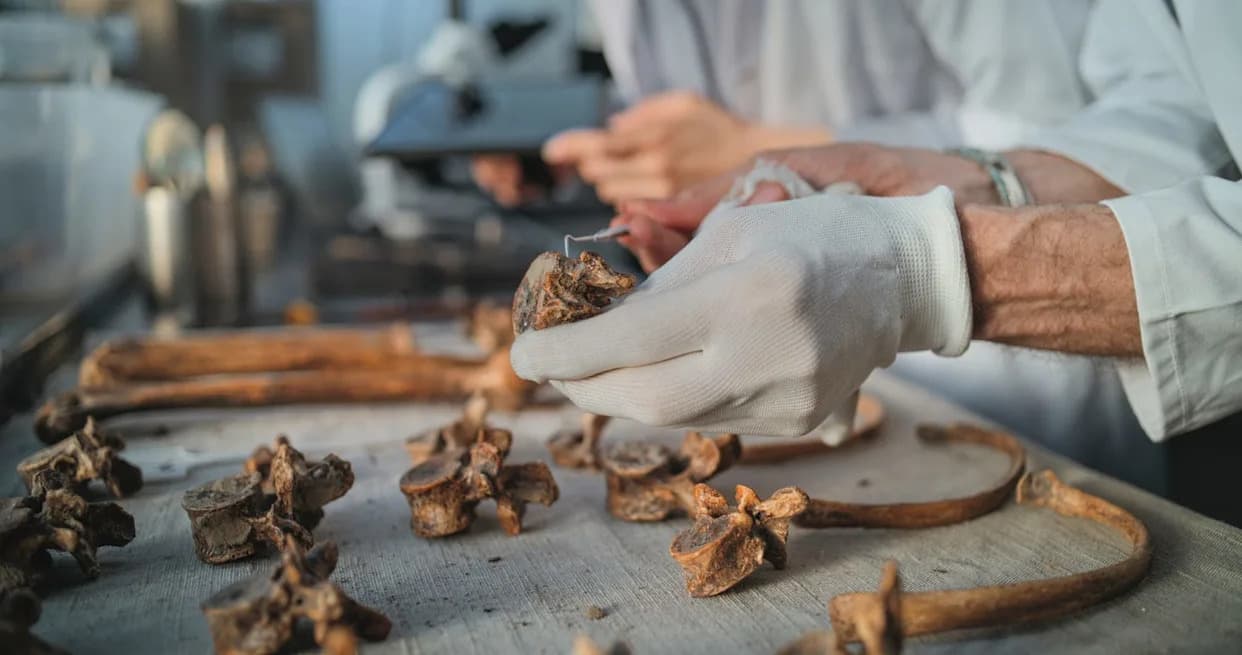
The team, led by biologist Priya Moorjani, assembled roughly 8,000 genomes (including ancient samples dated between 3300 BCE and 1650 CE) to map the distribution and history of a DNA variant called -13910*T, which is known to promote lactase persistence in adulthood.
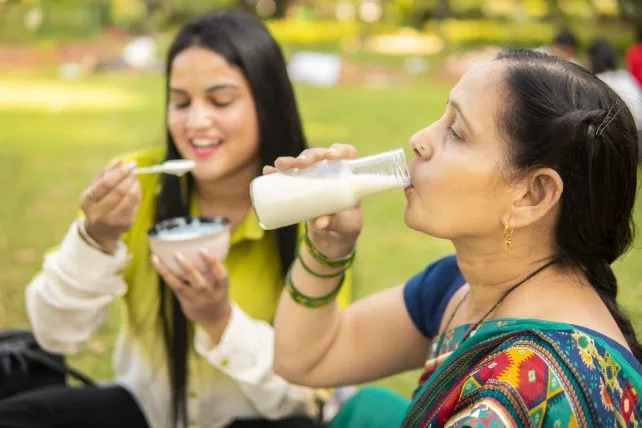
Not all dairy products are high in lactose. (deepart386/E+/Getty Images)
Key Findings
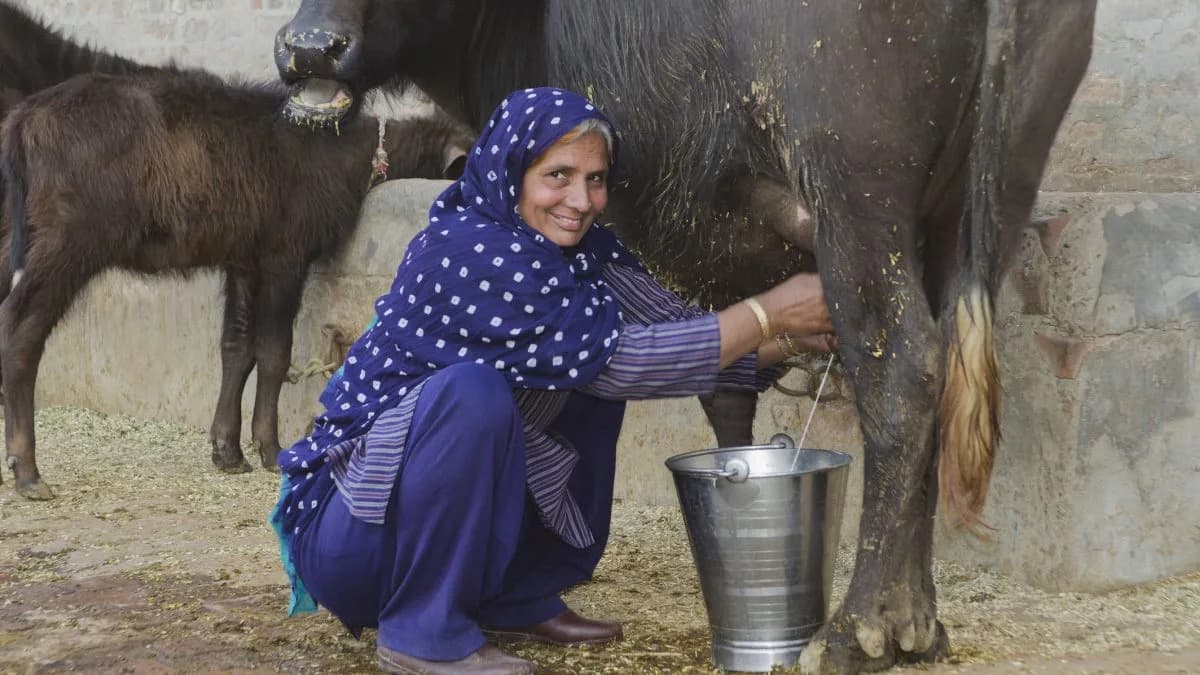
The researchers found a clear north-to-south decline in the frequency of -13910*T across the subcontinent: the allele is most common in northern South Asia and becomes progressively rarer farther south. There are two striking exceptions to this pattern: the Toda of South India and the Gujjar of Pakistan—traditional buffalo-herding pastoralists—where lactase persistence reaches as high as 90 percent.
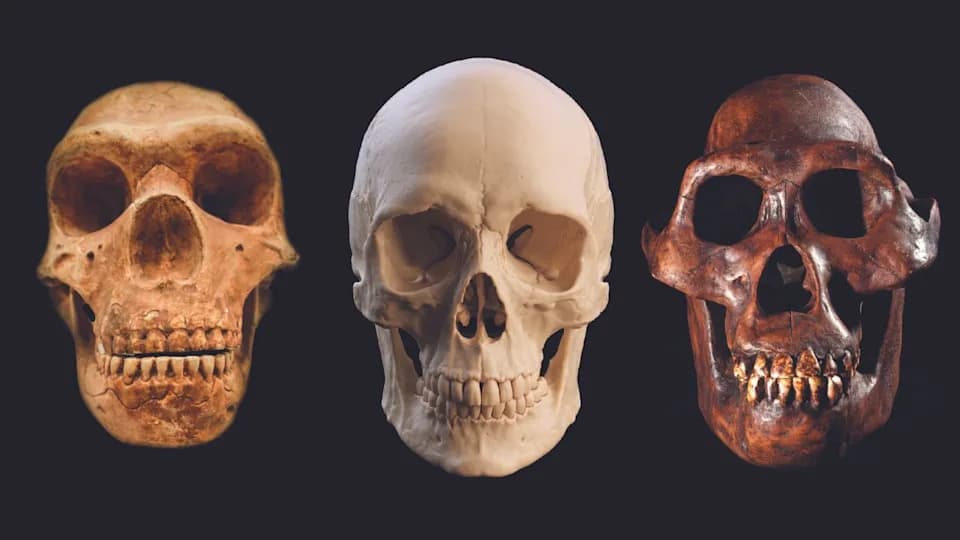
Genetic comparisons show that the South Asian -13910*T haplotype is nearly identical to the haplotype carried by pastoralists from the Eurasian Steppe, supporting an introduction of the allele into South Asia by Steppe-derived migrants during historic and medieval periods.
Role of Selection and Culture
The team ran simulations to test whether natural selection, genetic drift, or other demographic processes could explain the observed allele frequencies. Their best-fitting model indicates that the variant was imported from the Steppe and then amplified locally by strong positive selection where dairy consumption of fresh products was central to the economy and diet.

Subscribe to ScienceAlert's free fact-checked newsletter
“Our findings reveal that the evolution of lactase persistence is not a single narrative of selection, but a mosaic of demographic and cultural histories, each leaving a distinct genetic imprint on the human genome,” the authors write in their preprint on bioRxiv.
Anthropologist Christina Warinner of Harvard, who was not involved in the study, called the research "great, careful, important," and noted that current explanations for contemporary patterns of lactose tolerance remain incomplete.
Implications
This study reinforces that genetic adaptation to dietary practices is highly context-dependent: in communities where fresh dairy was a dietary staple—such as the Toda and Gujjar—strong selection for adult milk digestion occurred, whereas in many other South Asian populations cultural practices (fermentation, ghee production) and differing subsistence strategies reduced the selective advantage of lactase persistence.
The full analysis is available as a preprint on bioRxiv.
Help us improve.