Conservation teams are deploying biodegradable pods via drones that release lab‑reared, non‑biting male mosquitoes infected with Wolbachia to reduce invasive mosquito numbers in Hawaii. The goal is to curb avian malaria and give endangered honeycreepers—many of which have declined dramatically—a chance to recover. Releases are occurring at roughly 500,000 mosquitoes per week on both Maui and Kauai, and researchers expect measurable results in about a year. Modeling indicates timely action could save species like the ʻakekeʻe, but experts caution results may not translate to regions where mosquitoes are native.
Drones Release Wolbachia Mosquitoes Over Hawaii to Protect Endangered Honeycreepers

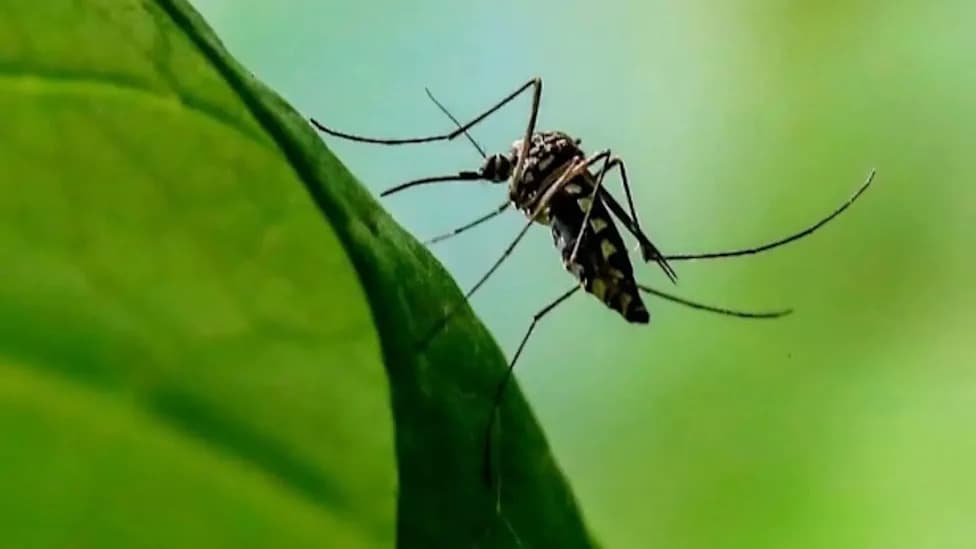
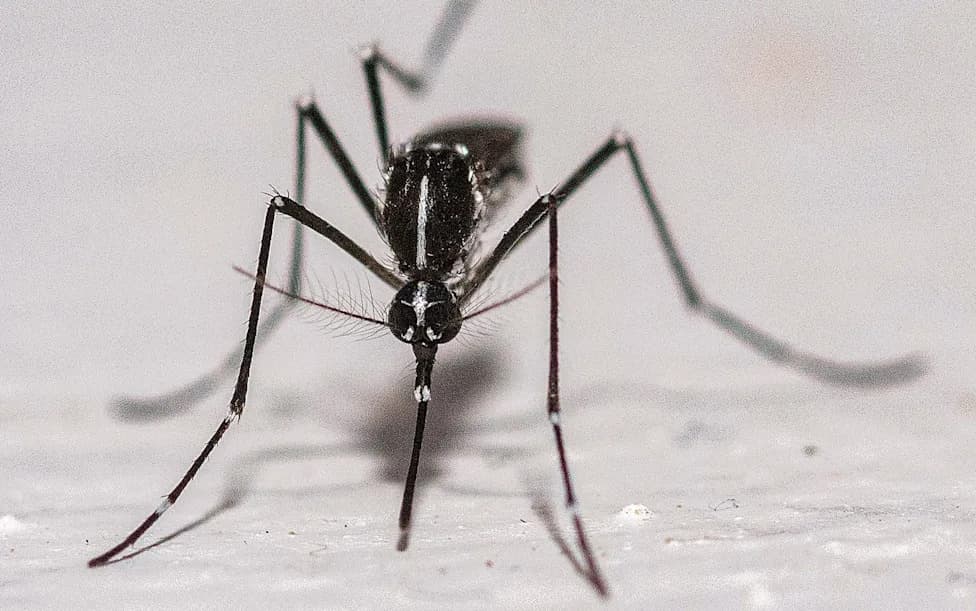
In June, conservation teams began using drones to drop biodegradable pods—each containing about 1,000 lab‑reared, non‑biting male mosquitoes—over forested slopes in Hawaii. The males carry a naturally occurring bacterium, Wolbachia, which causes eggs produced after mating with wild females to be nonviable. Repeated releases aim to reduce the invasive mosquito population that spreads avian malaria and threatens native honeycreeper species.
What was released and why it matters
The released insects are sterile in effect (they do not transmit disease and do not bite) and are intended to lower populations of the southern house mosquito, the primary carrier of avian malaria in Hawaii. Avian malaria has decimated native bird populations that evolved without exposure to mosquitoes; many honeycreeper species are now endangered. For example, the small gray 'akikiki has been declared functionally extinct in the wild, and fewer than 100 ʻakekeʻe are estimated to remain.
How the technique works
This approach uses the incompatible insect technique (IIT): male mosquitoes infected with Wolbachia are released in large numbers so they outcompete wild males and mate with wild females. Those matings produce eggs that do not hatch, causing the wild population to decline over time. Conservationists aim to overwhelm the wild population by releasing roughly ten times the estimated number of wild males in targeted areas.
Deployment history and scale
Work on this program began in 2016 with strain testing and community engagement. Production scaled up in 2022 with millions reared in a California lab; field releases began in 2023 using helicopters. Drone deployments started in June after months of testing and the development of temperature‑controlled, protective pods designed specifically for aerial release. Current release rates are about 500,000 Wolbachia‑carrying males per week on Maui and 500,000 per week on Kauai, delivered by both helicopters and drones.
Why drones?
Mountainous terrain, strong winds and rapidly changing weather made helicopter operations costly, limited and sometimes unsafe. Drones provide greater flexibility and safety because no crew needs to fly in small aircraft. Project managers say drone delivery reduces costs, emissions and noise, and allows more reliable timing for releases in remote or unpredictable conditions.
Outlook, modeling and cautions
Project leads expect it will take roughly a year to see measurable declines in wild mosquito numbers and to evaluate whether IIT is succeeding. Modeling from the San Diego Zoo Wildlife Alliance and the Smithsonian’s National Zoo & Conservation Biology Institute suggests timely mosquito control could preserve species such as the ʻakekeʻe, but warns the window for effective action narrows quickly. Researchers also caution that this approach is appropriate in Hawaii because mosquitoes are an invasive species there; applying IIT where mosquitoes are native could have different ecological consequences.
“It’s a constant march of mosquitoes moving up as the temperatures allow them and the birds getting pushed further and further up until there’s no habitat left that they can survive in,” said Dr. Chris Farmer, Hawaii program director for the American Bird Conservancy. “If we don’t break that cycle, we’re going to lose our honeycreepers.”
Next steps
Teams will monitor mosquito populations and bird outcomes over the coming months to assess whether releases reduce avian malaria transmission and allow honeycreeper populations to recover. If successful, the program could serve as a model for similar conservation applications elsewhere—while experts emphasize careful, context‑specific evaluation before applying the technique outside of regions where mosquitoes are invasive.
Help us improve.