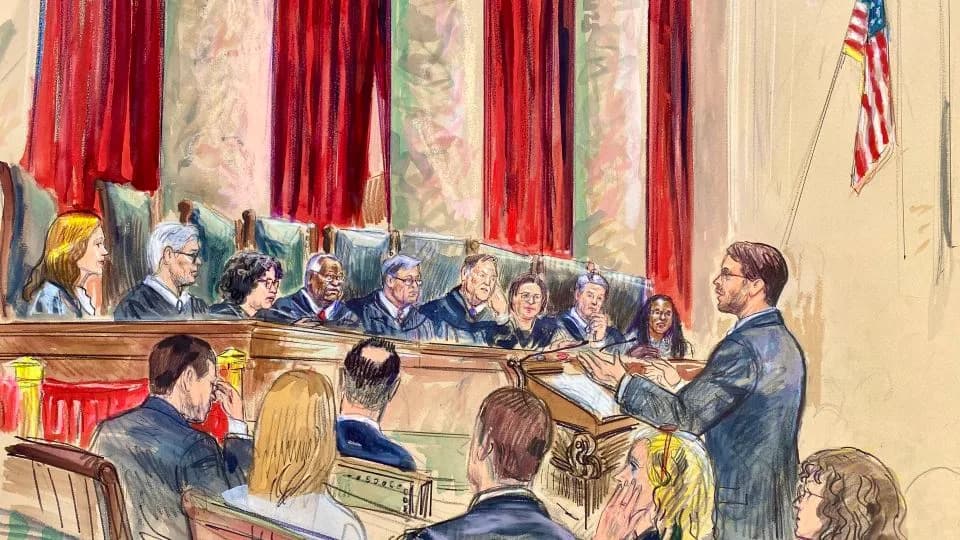
The Supreme Court declined to review Beck v. United States, leaving a lower-court dismissal of Kari Beck's FTCA wrongful-death claim intact after her husband, off-duty Staff Sergeant Cameron Beck, was killed in 2021. Justices Clarence Thomas and Sonia Sotomayor—despite opposing judicial philosophies—both criticized the 1950 Feres precedent for barring recovery in many servicemember cases. Thomas urged the Court to overrule Feres, while Sotomayor, citing stare decisis, urged Congress to act. The piece also notes the death of reggae legend Jimmy Cliff at 81.
Rare Convergence on the Court: Thomas and Sotomayor Criticize Feres Doctrine in Beck Case

This week the U.S. Supreme Court declined to review Beck v. United States, leaving in place a lower-court dismissal of a wrongful-death claim under the Federal Tort Claims Act (FTCA). The case drew unusual, bipartisan criticism of the Court's 1950 decision in Feres v. United States, which bars many claims by servicemembers and their families.
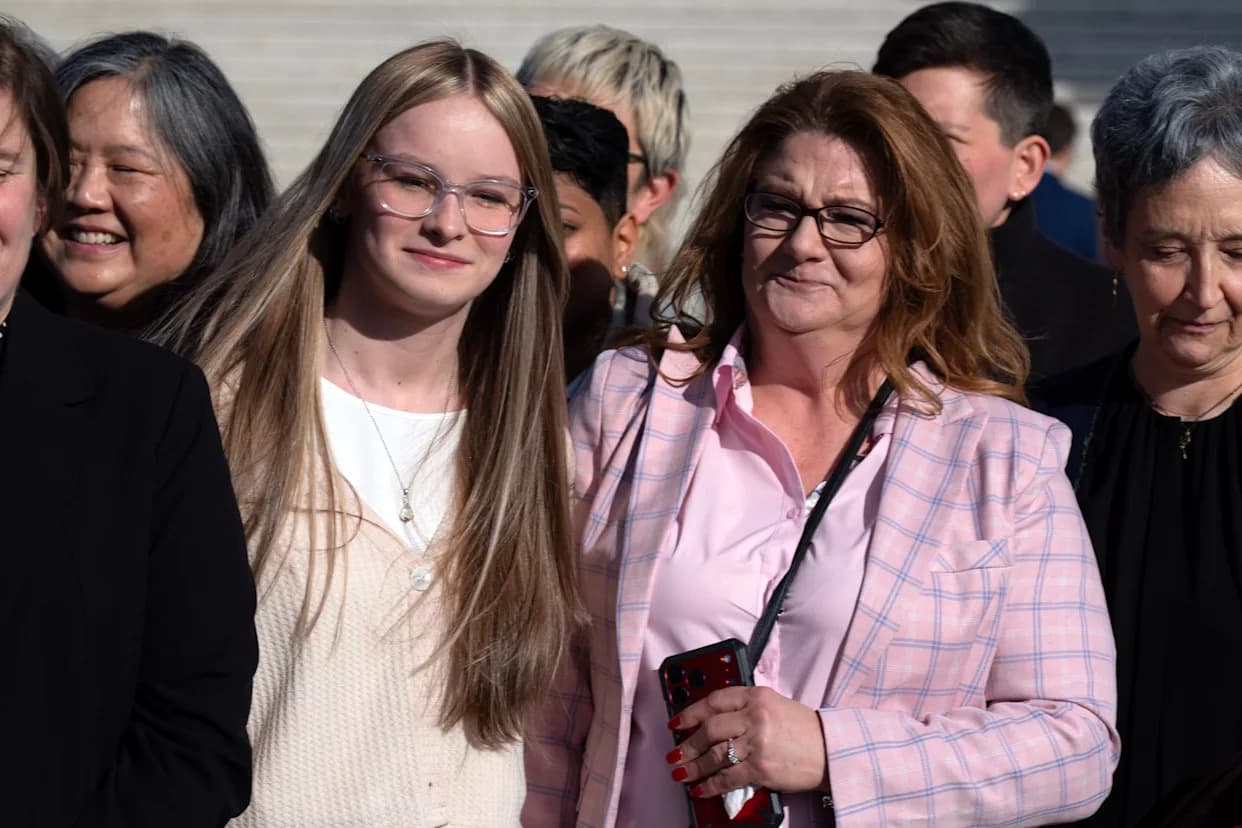
Case background: In 2021, off-duty Air Force Staff Sergeant Cameron Beck was killed in Missouri when a government-issued van driven by a civilian federal employee struck his motorcycle. The van driver later pleaded guilty to criminal negligence. Beck's widow, Kari Beck, sued the United States under the FTCA for wrongful death, but lower courts rejected the claim based on the Feres doctrine, which exempts certain military-related injuries from FTCA liability.
Why the denial mattered: By declining to hear the appeal, the Supreme Court left the lower-court ruling intact. But two justices at opposite ends of the ideological spectrum—Justice Clarence Thomas and Justice Sonia Sotomayor—issued separate opinions that converged sharply in their criticism of Feres.
Justice Thomas argued that Feres is a "judicially created" exception unsupported by the FTCA's text and reiterated his long-standing view favoring overruling the precedent. He also noted that the case could be resolved on narrower grounds because Beck was off duty when he was killed.
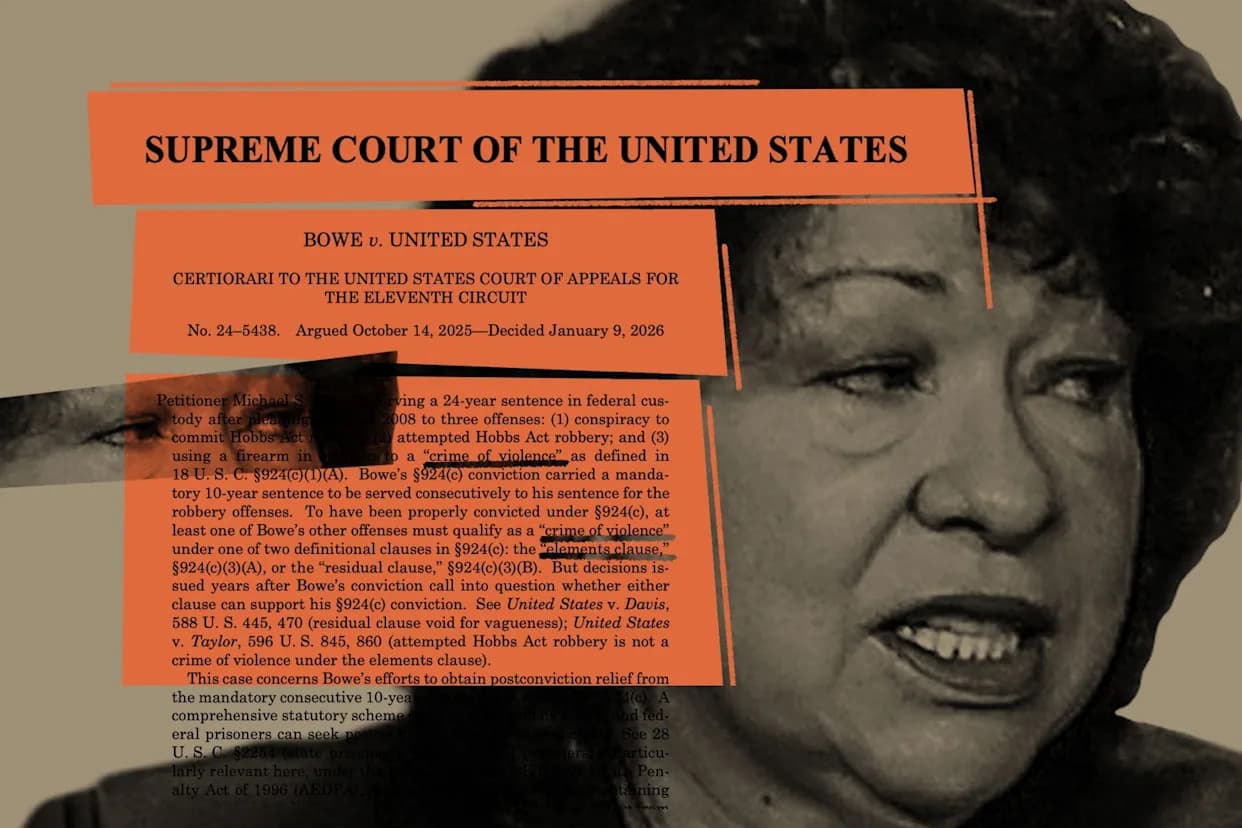
Justice Sotomayor described Feres as an "atextual expansion" that has generated near-universal criticism, confused courts, and deprived servicemembers and families of remedies—even in cases involving medical malpractice, sexual assault, or off-duty accidents that could have befallen any civilian.
Justice Neil Gorsuch also indicated he would have voted to hear the case. Yet the justices diverged on next steps: Thomas said he would be willing to overrule Feres, while Sotomayor—though sharply critical—declined to grant review out of deference to stare decisis and urged Congress to act to fix the perceived statutory gap.
Implications: The exchange highlights two lawful routes to remedy: legislative change by Congress or judicial correction through overruling a precedent. On the narrow facts of Beck's death, Thomas argued the Court could have provided relief without overturning Feres. Sotomayor cautioned that, absent legislative reform, Feres will continue producing outcomes many view as unjust.
Editorial note: The split captures a deeper debate about the Court's role in correcting past mistakes versus adhering to precedent; both approaches have institutional logic and real consequences for servicemembers and their families.
Related note: Jimmy Cliff
Ska and reggae legend Jimmy Cliff has died at 81. He is best known for starring in and contributing much of the soundtrack to the 1972 film The Harder They Come. His 2012 album Rebirth, produced in part by Tim Armstrong, is recommended listening for newcomers and longtime fans alike. RIP.
Help us improve.