The article reports that Iranian officials acknowledge a significant erosion of Tehran’s influence over the Houthi movement in Yemen, which has grown more self-reliant and capable since Oct. 7, 2023. IRGC commanders, including Quds Force personnel, have been dispatched to Sanaa in attempts to restore influence, but analysts say the change signals a wider strain on Iran’s proxy-based regional strategy. The Houthis now control key Yemeni institutions and have adapted militarily to withstand air campaigns and diversify supply routes.
Iran's Grip Slips: Houthis Break Ranks as Regional 'Axis' Frays

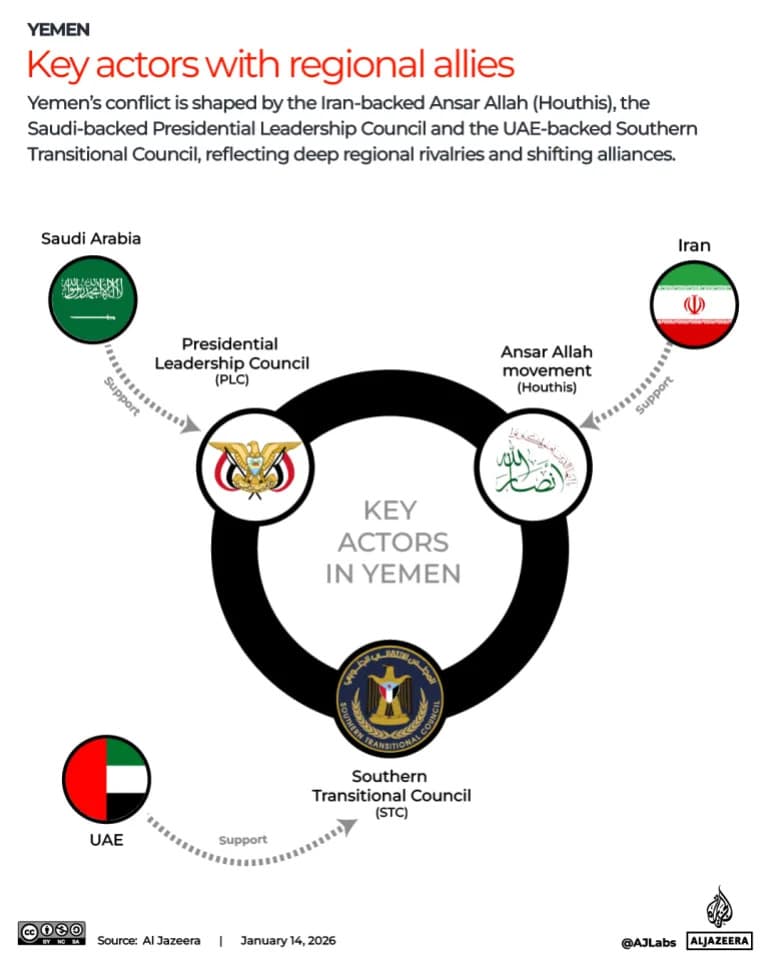
Iranian officials acknowledge that Tehran's influence over the Houthi movement in Yemen has weakened, signaling strain across the so-called 'axis of resistance' that Iran has cultivated in the Middle East for decades. Yemeni Houthi leaders — who have repeatedly attacked international shipping lanes and strengthened their missile and drone capabilities since Oct. 7, 2023 — are increasingly acting independently of Tehran, according to Iranian sources.
What Iranian sources report
A senior Iranian official described the situation bluntly: the Houthis 'have gone rogue for a while and are now really rebels,' and 'do not listen to Tehran as much as they used to.' The official added that some Iraqi militia groups are also behaving as if previous lines of influence have frayed.
How the Houthis have changed
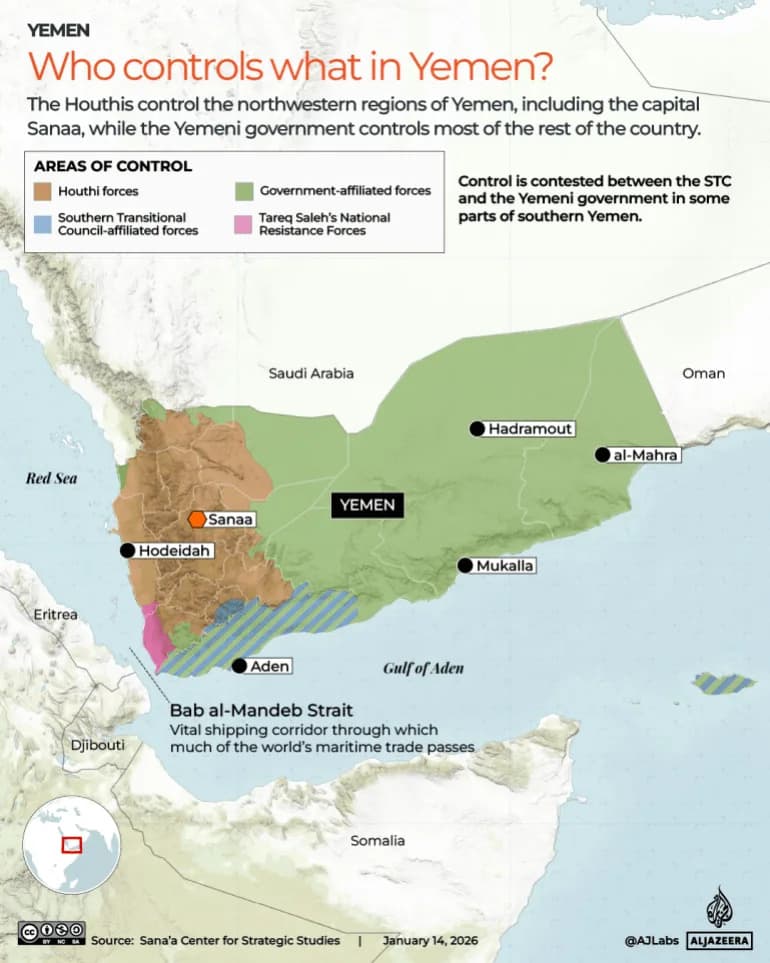
Over recent years the Houthis have become more resilient and self-reliant. They control Sanaa, issue currency, collect taxes, divert aid, traffic narcotics, and maintain smuggling and weapons networks that extend into Africa. Yemen's mountainous terrain also allows them to conceal missiles and drones in caves and underground facilities, supporting mobile hit-and-run tactics that have bluntly reduced the effectiveness of repeated air campaigns.
"The Houthis don’t need someone to encourage them. This is about the Houthis' beliefs and they have their literature and their narratives," said Mahmoud Shehrah, a former Yemeni diplomat. He added that coordination and transfers of technology and materiel from Iran continue, but the group's motivations are increasingly independent.
Tehran's response
To reassert influence, Iran dispatched senior Islamic Revolutionary Guard Corps (IRGC) personnel to Sanaa. Abdolreza Shahlaei, a Quds Force commander, reportedly returned to Yemen after having been recalled to Iran, part of a broader effort to rebuild ties and reestablish coordination. Iranian officials say they want the Houthis to 'cooperate more than before' as one of the few functioning partners remaining in the region.
However, analysts note a tension: while cooperation benefits both sides, the Houthis pursue local priorities that sometimes diverge from Tehran's strategic calculus.
Regional implications
Analysts view the breakdown of proxy cohesion as a major shift in Iranian strategy. For decades, Tehran projected influence through allied militias and political patrons rather than through direct conventional military intervention. The apparent loosening of control over the Houthis and signs of independence among some Iraqi groups force Tehran to confront the erosion of that model.
Costs, capabilities, and the battlefield
Experts estimate that recent air campaigns targeting Houthi capabilities across multiple years have cost billions of dollars. Despite those efforts and past Saudi-led operations, Houthi forces have adapted: improving tactics, refining missile and drone arsenals, and strengthening their domestic administrative control in large parts of Yemen.
Shahlaei and wider risks
Abdolreza Shahlaei remains a potent and controversial figure. The United States is offering a multi-million-dollar reward for information on his network, underscoring the wider geopolitical stakes attached to Iran's overseas operators. Observers say that while Tehran can still provide support and technical assistance, the Houthis now exercise significant autonomy — a dynamic that could reshape regional confrontations and the security of maritime trade routes.
As the balance between local initiative and external sponsorship shifts, the future of Iran's regional axis depends on whether Tehran can adapt its approach from top-down proxy control to a more flexible, partnership-based strategy — or whether its influence will continue to wane.
Help us improve.