The US-brokered sale of 30–50 million barrels of Venezuelan oil generated $500 million now held in a US-supervised, restricted account in Qatar to fund public salaries and essential services. Acting President Delcy Rodríguez has proposed hydrocarbons reforms to attract foreign investors while Washington signals it will oversee the sector. Power remains concentrated in a civic-military coalition led by figures such as Jorge Rodríguez, Diosdado Cabello and Vladimir Padrino, raising concerns about sovereignty and transparency. With more than 7.9 million people needing aid and 56% in extreme poverty, the government faces urgent humanitarian and legitimacy challenges.
US Supervises Venezuela’s Oil Revenue as Interim Government Seeks Investment and Legitimacy
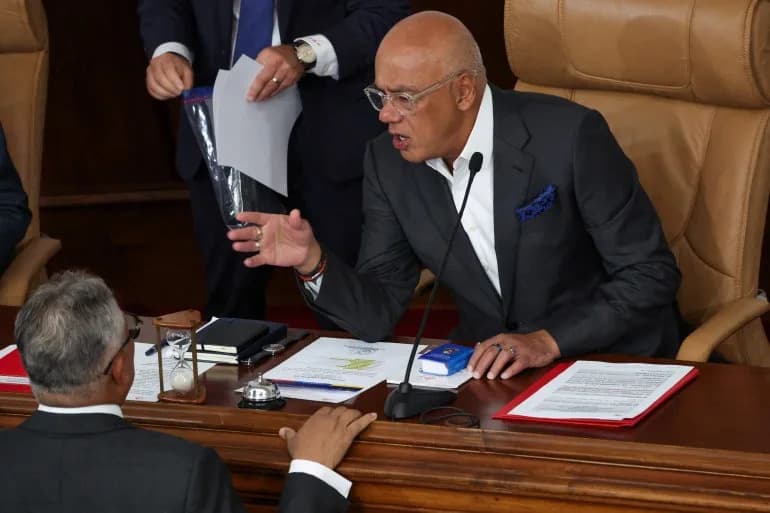
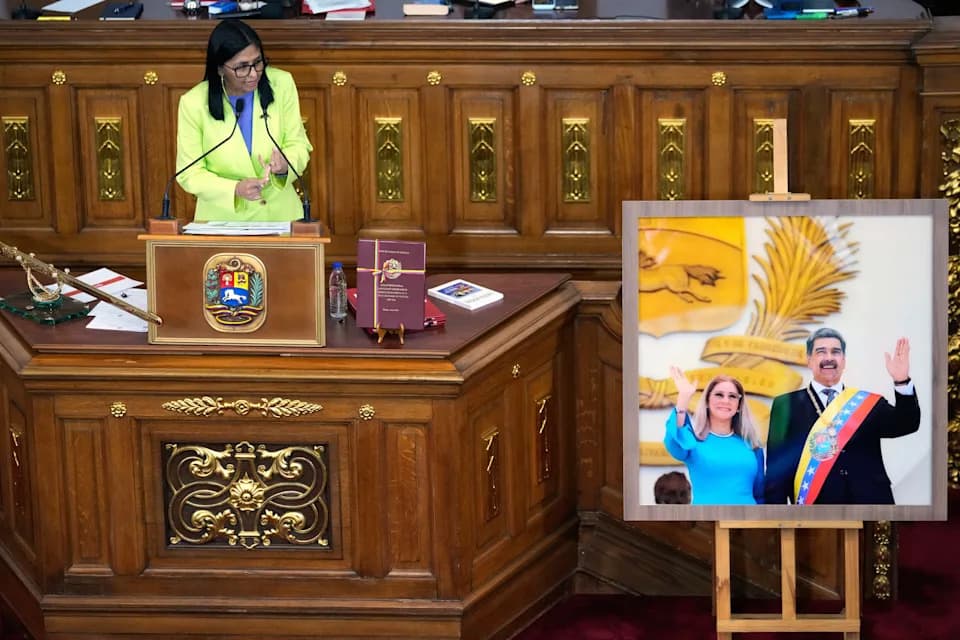
Venezuela’s National Assembly President Jorge Rodriguez [Leonardo Fernandez Viloria/Reuters]
After transferring an estimated 30–50 million barrels of crude to the United States, Venezuela has received $500 million from the first oil sale conducted under a US-brokered arrangement. The payment is held in a restricted Qatari account under Washington’s supervision, and withdrawals require US approval for designated public wages and essential services.
A Fragile Political Settlement
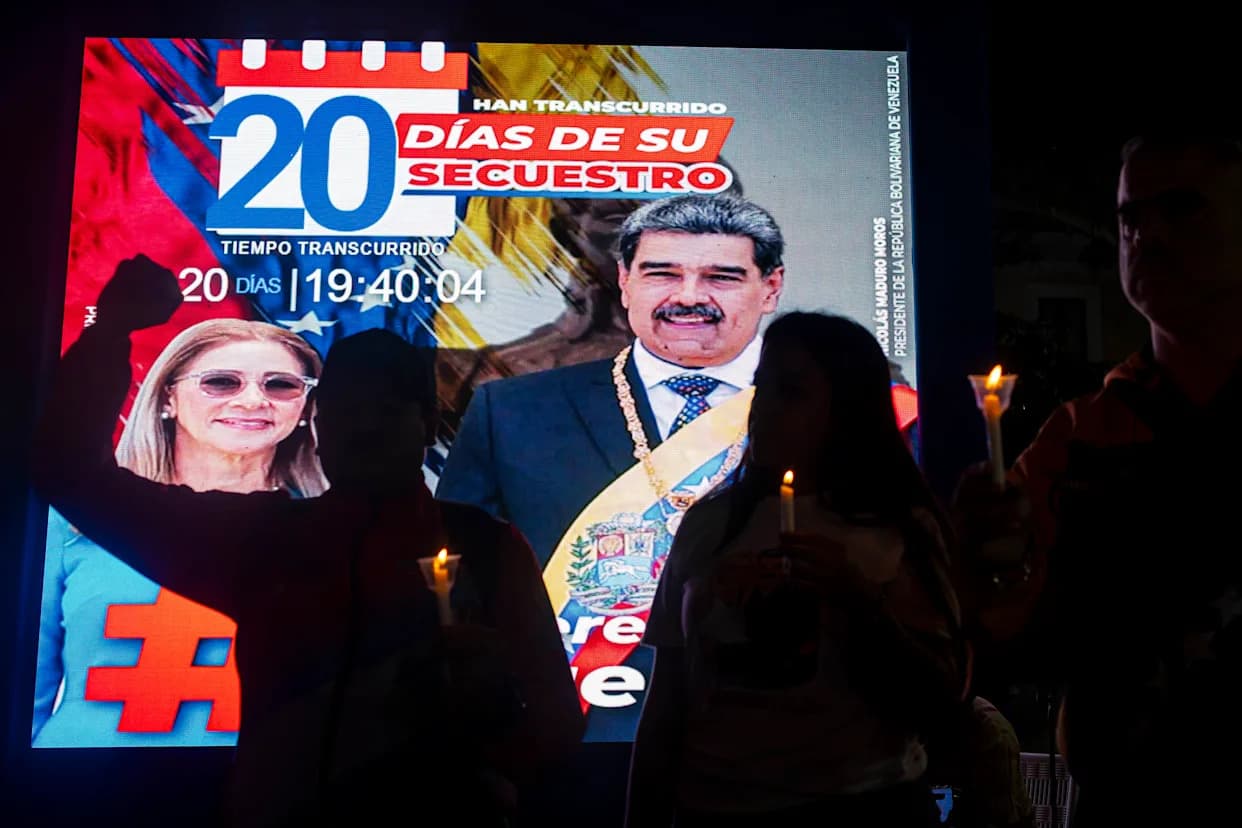
The deal arrives amid sweeping political turmoil following a US operation that resulted in President Nicolás Maduro’s capture. On 3 January 2026, an operation dubbed Operation Absolute Resolve led to Maduro and his wife Cilia Flores being taken from Venezuela; the Ministry of Defence reports at least 83 fatalities. The Supreme Tribunal of Justice subsequently declared Maduro in a “forced absence” and appointed Delcy Rodríguez as acting president.
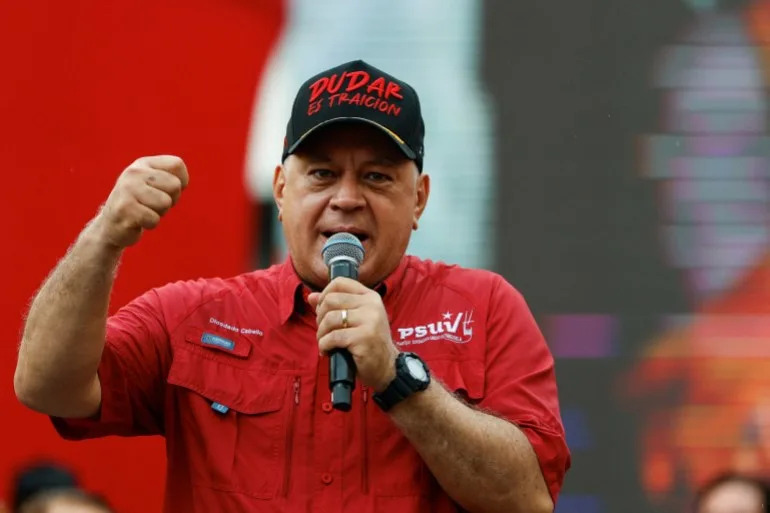
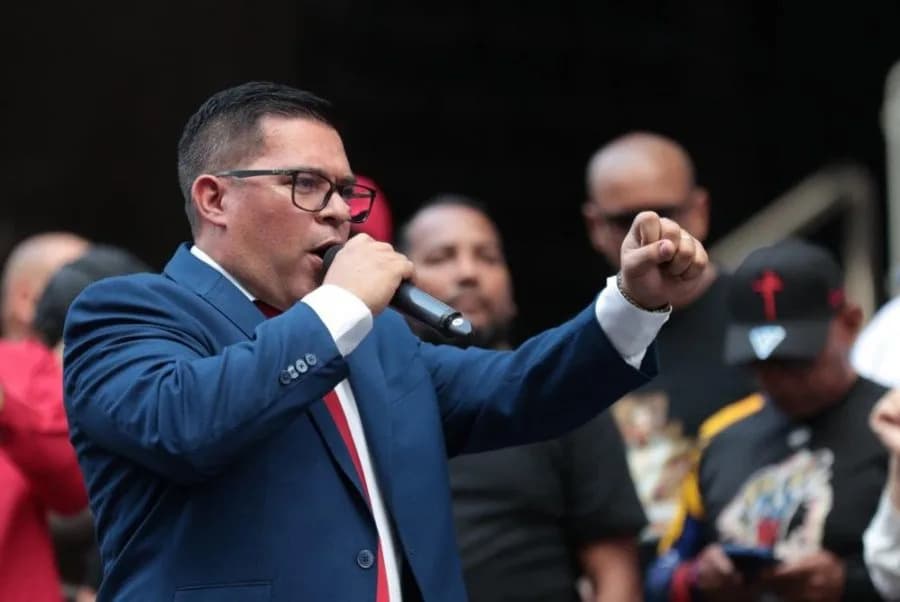
Venezuela’s Interior Minister Diosdado Cabello speaks [Marco Bello/Reuters]
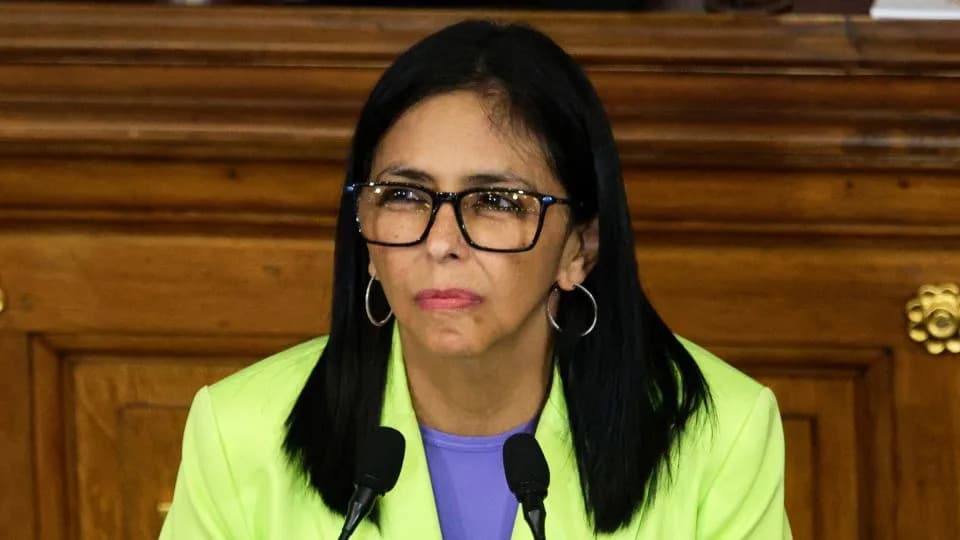
Although Rodríguez condemned what she called an “illegal kidnapping,” she has signalled a willingness to work with Washington. On 15 January she proposed reforms to Venezuela’s hydrocarbons law aimed at rolling back decades of restrictions and attracting foreign investment. US Energy Secretary Chris Wright has said he plans to visit Venezuela to meet “all the leadership” and assess oil and gas operations, underlining Washington’s intent to play an active oversight role.
Who Holds the Power?
Power in Venezuela remains concentrated in a so-called “civic-military” alliance. While Rodríguez holds formal executive authority, analysts argue that real control is exercised by a coalition of political, military and economic actors rather than a single office-holder.
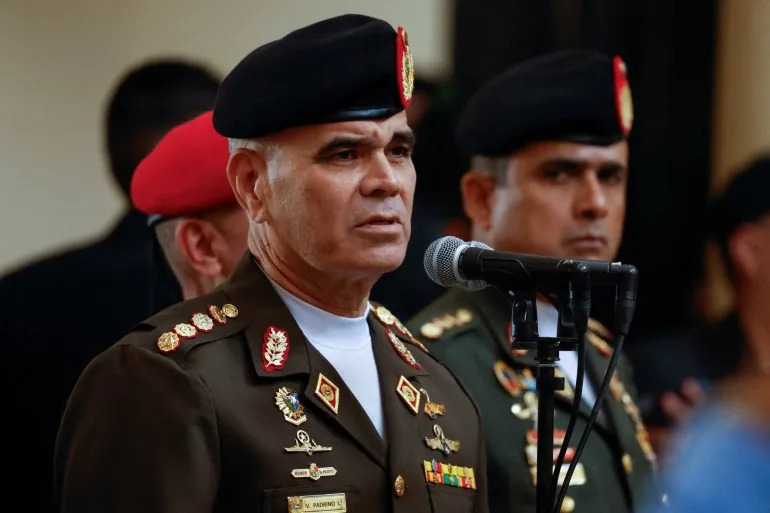
Venezuela’s Defence Minister Vladimir Padrino Lopez [Leonardo Fernandez Viloria/Reuters]
Key figures include:
- Jorge Rodríguez — Head of the National Assembly and the acting president’s brother; he led the fast-tracked approval of proposed energy reforms.
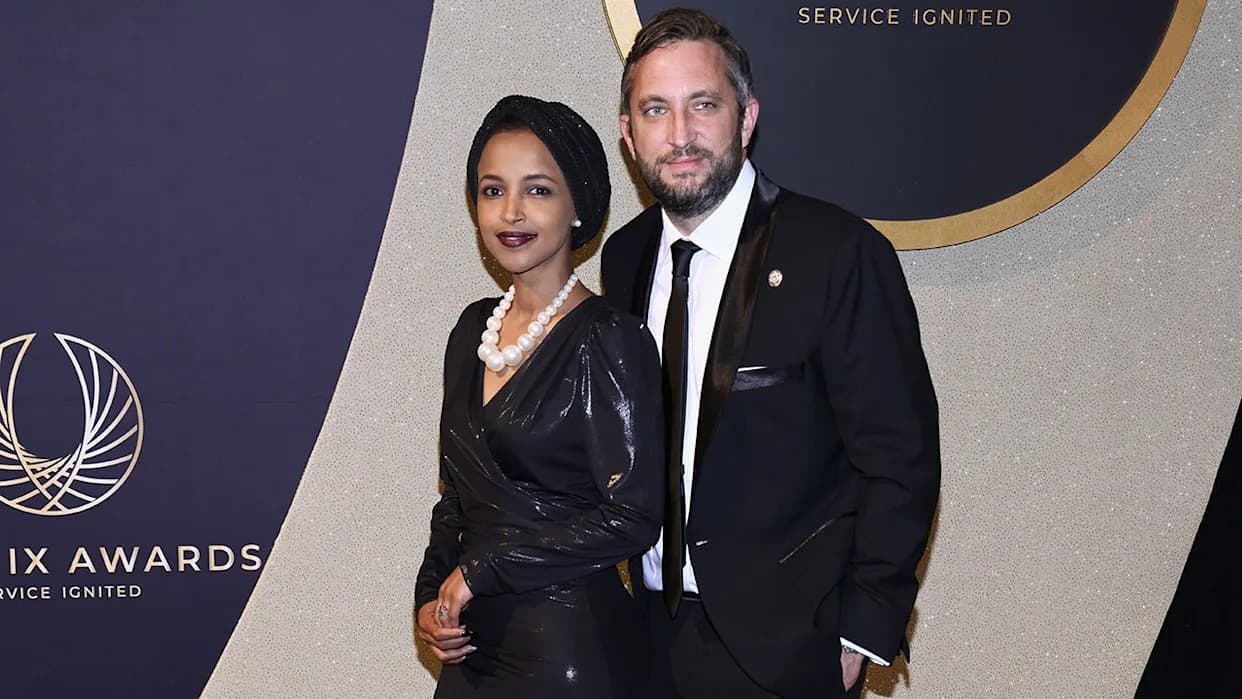
- Diosdado Cabello — Interior Minister and representative of the hardline Chavista faction; he faces a $25 million US bounty on narco-terrorism charges and pressure from Washington to cooperate or risk arrest.
- Vladimir Padrino — Defence Minister and central military figure who has maintained the chain of command despite a US indictment and a $15 million bounty.
Analysts also highlight the influence of domestic business leaders, who have positioned themselves as an important backer of Rodríguez and a “shadow” policy influence.
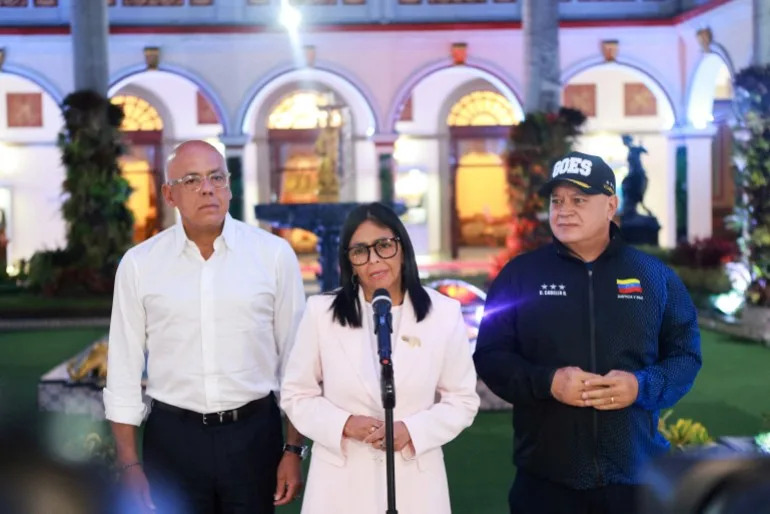
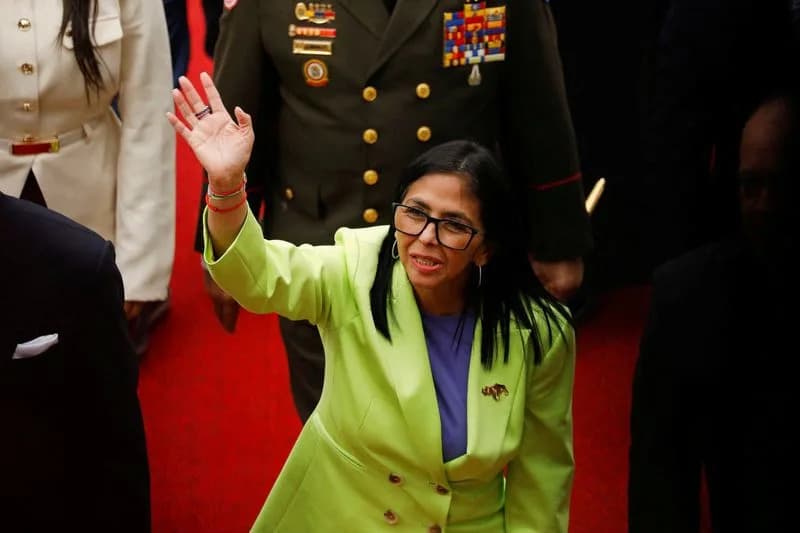
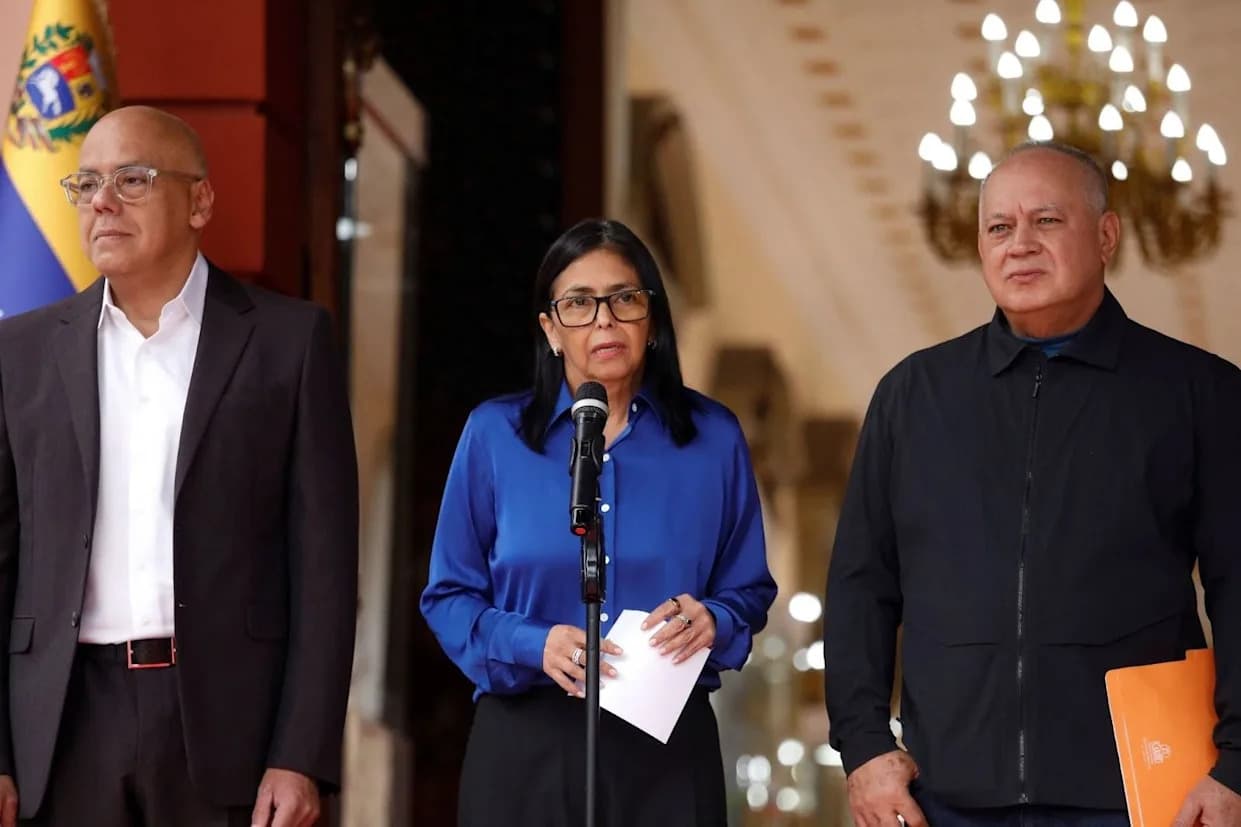
Venezuela’s interim President Delcy Rodriguez, flanked by Jorge Rodriguez and Cabello [File: Miraflores Palace/Handout via Reuters]
How the Revenue Mechanism Works
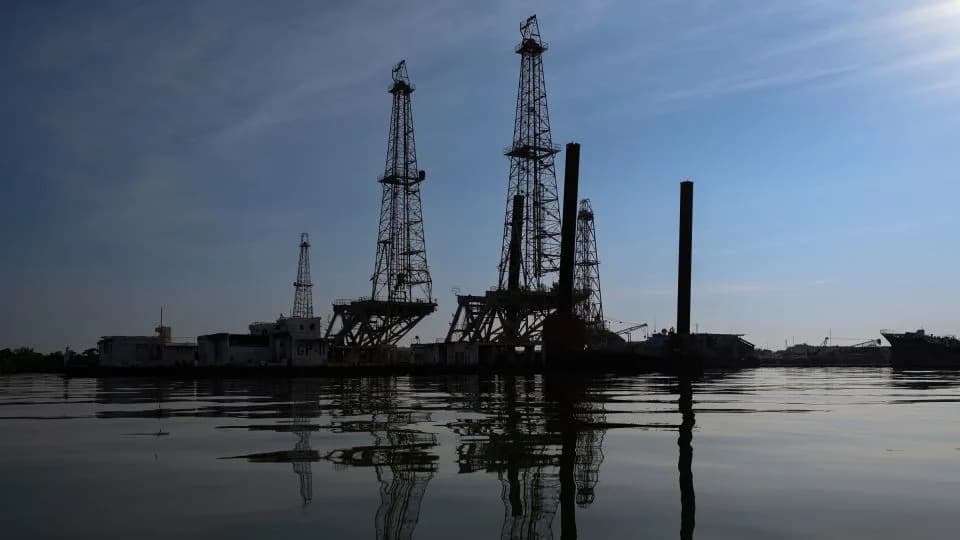
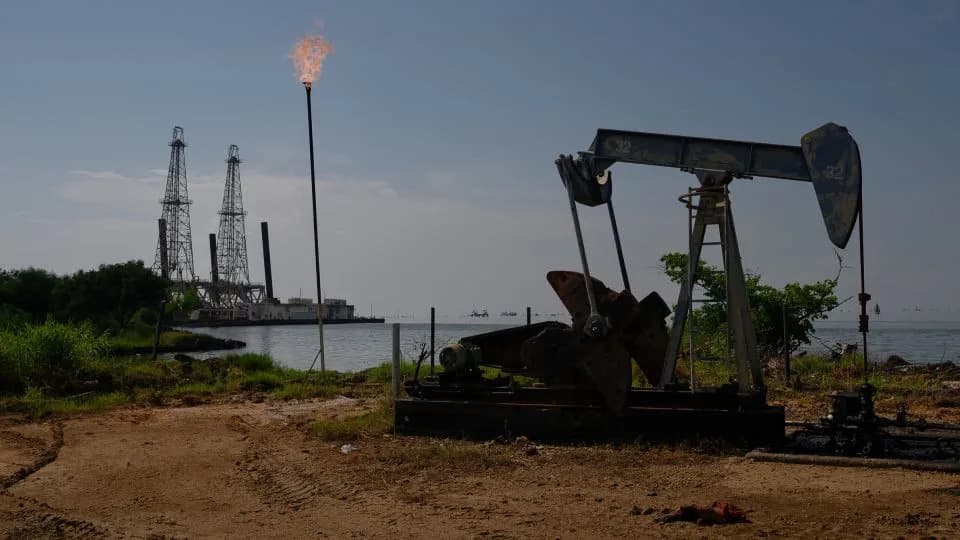
Venezuela’s fiscal survival hinges on hydrocarbons: the country holds the world’s largest proven oil reserves, an estimated 303 billion barrels. Under the current mechanism, proceeds from designated oil sales are routed through US-supervised channels and deposited into a restricted account in Qatar to prevent creditors from seizing funds amid Venezuela’s roughly $170 billion in external debt.
Washington oversees disbursements. Caracas must submit monthly budget requests specifying wages and essential services (teachers, police, health workers). Once approved, funds move to the Central Bank of Venezuela and then to private local banks for payment. Senator Rubio described the system as “novel” but necessary in the short term to ensure targeted spending.
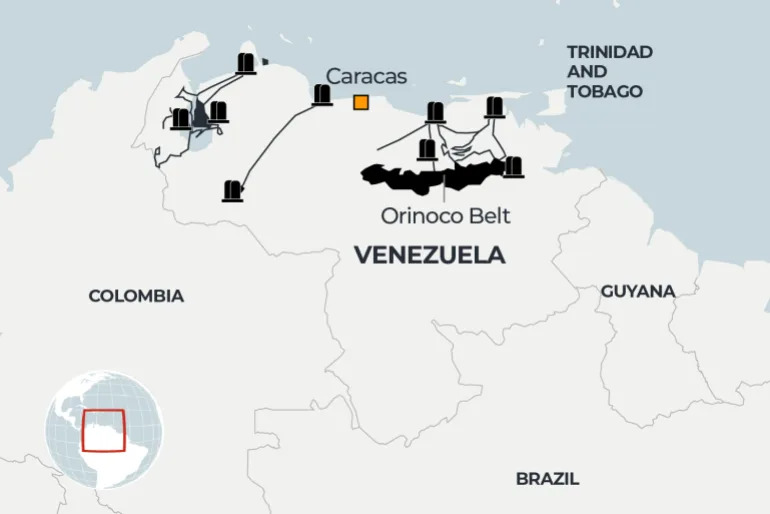
INTERACTIVE - Venezuela oil fields poster-1756997699
Critics argue the arrangement undermines sovereignty and concentrates control of Venezuela’s income in US hands. “Venezuela is a state under tutelage right now by the US,” said José Manuel Puente, a professor in Caracas.
Economic Pressures and Diversification Attempts
Beyond oil, the government points to gold and a handful of export sectors as additional revenue sources. Officially, Venezuela holds about 161.2 metric tonnes of gold (valued at more than $23 billion) and reported producing 9.5 tonnes of gold in 2025. Much of current gold production, however, occurs through informal or illegal mining, particularly in Bolívar state.
Despite these assets, the economy remains heavily oil-dependent. Experts say rising oil output will bring relief, but the central question is who decides how large inflows are invested—and whether oversight will protect transparency and long-term recovery.
Humanitarian Crisis and Public Pressure
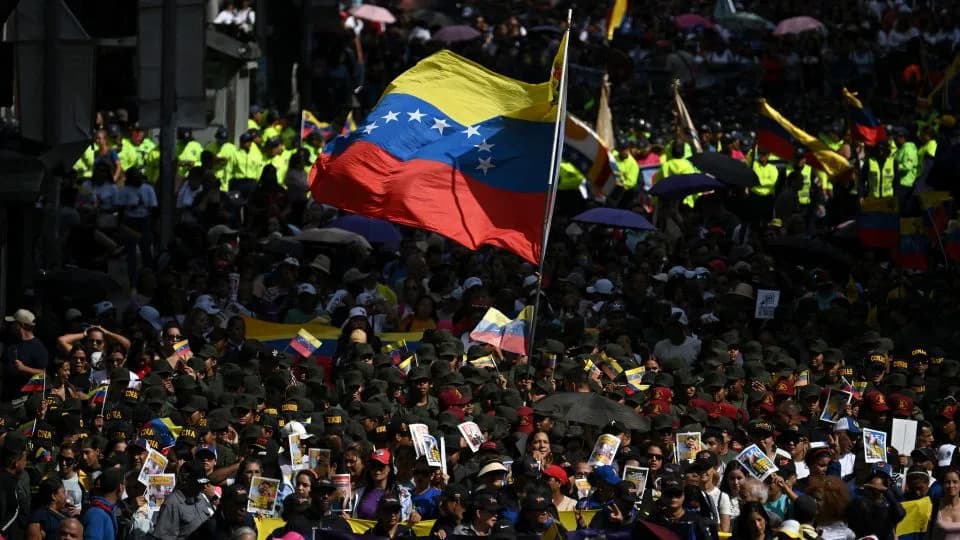
Humanitarian needs are acute: more than 7.9 million people require urgent assistance and approximately 56% of the population lives in extreme poverty, according to the UN and EU humanitarian agencies. Many Venezuelans struggle to cover basic costs on inadequate wages. The interim administration faces intense pressure to translate limited and supervised cash flows into tangible improvements in public services and household living conditions.
The coming months will test whether the interim government can balance outside oversight, internal power dynamics and urgent social needs while implementing energy sector reforms meant to attract investment.
Help us improve.