This week’s highlights: orforglipron, an oral small-molecule candidate, produced dose-dependent weight loss comparable to injectable GLP-1 drugs; lupus patients show a ~25× higher rate of EBV-infected B cells; Perseverance found an 80 cm iron-nickel meteorite on Mars; a topical insulin cream normalized glucose in mice for about 12 hours; and three astronauts await retrieval after orbital debris damaged a return vehicle. Researchers also identified brain-circuit changes in Alzheimer’s that may be protectable to preserve social memory.
This Week in Science: Oral Ozempic Alternative, Insulin Skin Cream, Mars Meteorite and More

This week's science roundup highlights promising alternatives to frequent injections, a curious find on Mars, new links between infection and autoimmunity, and advances in Alzheimer’s research.
Oral drug rivals injectable weight-loss medicines
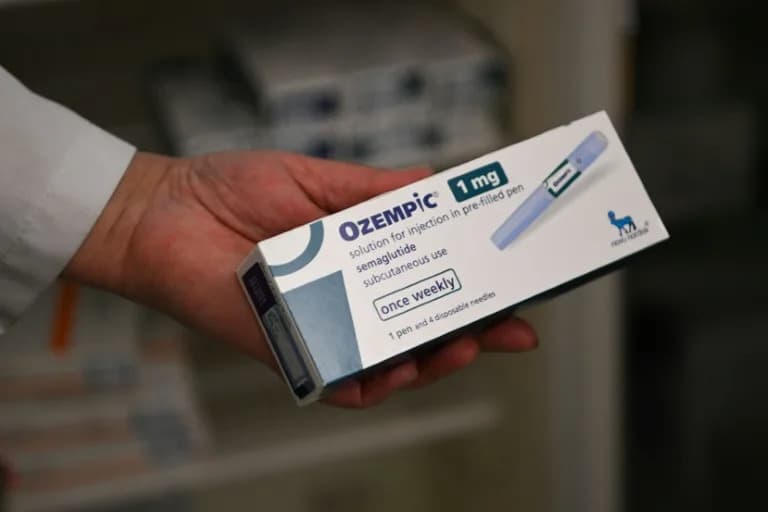
A small-molecule pill called orforglipron produced dose-dependent weight loss in a recent clinical trial, showing results comparable to injectable GLP-1 medicines like semaglutide (Ozempic) in the study population. Participants on the highest dose (36 mg) lost an average of 9.6% of body weight (roughly 9.6 kg), while those on 12 mg lost about 7% and those on 6 mg lost about 5.1%. The placebo group lost about 2.5% on average. If further trials confirm safety and efficacy, an oral option could broaden access and convenience for patients.
Stronger link between EBV and lupus
Researchers found that people with lupus have a much higher burden of Epstein-Barr virus (EBV) in their B cells: roughly one in every 400 B cells was infected — about 25 times the rate seen in healthy controls. The result suggests either more persistent or more virulent EBV infections in some patients, which may contribute to autoimmune development, though more research is needed to determine causality.
Meteorite discovery by Perseverance
NASA’s Perseverance rover identified an out-of-place, iron-and-nickel–rich rock on Mars, about 80 cm across, nicknamed Phippsaksla. Its composition differs from surrounding Martian geology, supporting the interpretation that it is a meteorite that landed on the Red Planet.
Insulin as a topical cream in mice
A topical insulin formulation applied as a skin cream normalized blood glucose in mice within an hour and maintained stable levels for roughly 12 hours, with effectiveness comparable to injections in these experiments. While promising, translation to humans will require extensive testing to confirm safety, dosing, and consistent absorption through human skin.
Tiangong crew and orbital debris
Three Chinese astronauts remain aboard the Tiangong space station after a small piece of orbital debris struck and cracked a viewing port on their return vehicle in early November. Chinese authorities have said a retrieval launch is being planned to return the crew.
Protecting social-recognition circuits in Alzheimer’s
Scientists mapped how Alzheimer’s disease degrades brain circuits involved in recognizing people and showed in mouse models that protecting these structures early improved social-memory performance. "When we kept these brain structures safe early in life, the mice suffering from this disease were better at remembering their social interactions," said lead author Lata Chaunsali, pointing to potential targets for intervention.
Help us improve.