Overview: Nondenominational churches — independent, Bible-centered congregations like Rooftop Church near St. Louis — are growing rapidly by offering informal, culturally engaged worship. Key numbers: There are an estimated 40,000 such churches in the U.S., and the share of Americans identifying as nondenominational rose from under 3% in 1972 to about 14% today, nearly 40 million people (General Social Survey). Why it matters: Their emphasis on personal faith, flexible leadership and modern outreach could reshape American religious life and potentially alter denominational balances in the coming decades.
Why Nondenominational Churches Are Drawing Record Numbers of Americans
At Rooftop Church, a congregation just outside St. Louis, Missouri, Sunday services favor baseball caps, jeans and multimedia clips over collars and robes. Head pastor Matt Herndon intentionally keeps the tone relaxed and relatable as he works to make scripture accessible to a broad audience.
“When a lot of people come in, they do notice some things that maybe they wouldn't see at other churches — like, 'oh that's strange, he's wearing a hat,' or 'we just watched a clip from Beauty and the Beast,'” Herndon said. “We really do want to engage with people in a way that they can understand and lean into.”
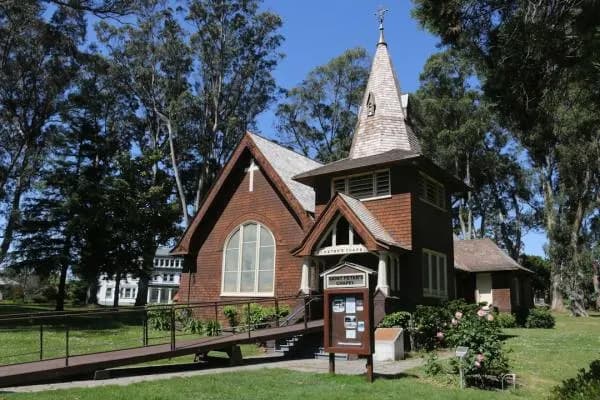
Rooftop is one of an estimated 40,000 nondenominational Christian churches across the United States. These congregations base their teaching on the Bible but operate independently of established denominational hierarchies. What began in a community center nearly 25 years ago now draws as many as 600 attendees on a typical weekend.
Religious identification in America has shifted markedly in recent decades. According to the General Social Survey, fewer than 3% of Americans identified as nondenominational Christians in 1972; today roughly 14% — nearly 40 million people — do so.
“Nondenominational is actually the strongest force in American Christianity right now,” said Ryan Burge, a professor who studies religion’s role in American life at Washington University in St. Louis. He noted that many of these churches emphasize a personal relationship with Jesus and often preach conservative positions on issues such as abortion and same-sex marriage, even if those topics are not the focal point of weekly services.
Part of the movement’s appeal lies in its looser organizational structures. Without a centralized authority, nondenominational churches can experiment with style and outreach while stressing core biblical teachings — an approach some see as better suited to reconnecting with people who drifted away from traditional congregations.
Members such as Anna and Nathan King — who were raised in more traditional churches — say the informal atmosphere and peer-level leadership help foster honest conversation without fracturing the community. “We focus on thinking critically about those traditions and challenging each other, but not letting it divide us,” Anna said. Nathan added, “I love how casual it is. It’s really cool that one of our elders or pastors could be sitting in the pew next to us.”
Herndon calls the approach “big tent Christianity.” He blends pop culture and video with focused Bible study to explore what scripture means for people’s everyday lives. When asked by critics who call his church “Christianity light,” he replied, “I emphatically disagree. We dig really deep into scripture; we just try to figure out, what does this mean for people?”
Experts caution that the rise of nondenominational churches has complex effects: these congregations may reshape denominational influence, community engagement and political alignment among believers. Whether they will overtake historically larger traditions like Roman Catholicism remains uncertain, but the trend signals a notable realignment in how many Americans practice and organize their faith.
Help us improve.