The AP-NORC poll finds about two in 10 U.S. adults donated to a crowdfunding campaign last year, with medical costs the most common reason for giving. Donations tend to be small—about six in 10 donors gave $50 or less—and campaigns often depend on personal networks to spread the word. Many Americans express only limited confidence that platforms charge fair fees or that campaigns always need and properly use donated funds.
AP-NORC Poll: 2 in 10 Americans Donate to Crowdfunding — Medical Bills Dominate, Trust Remains Low
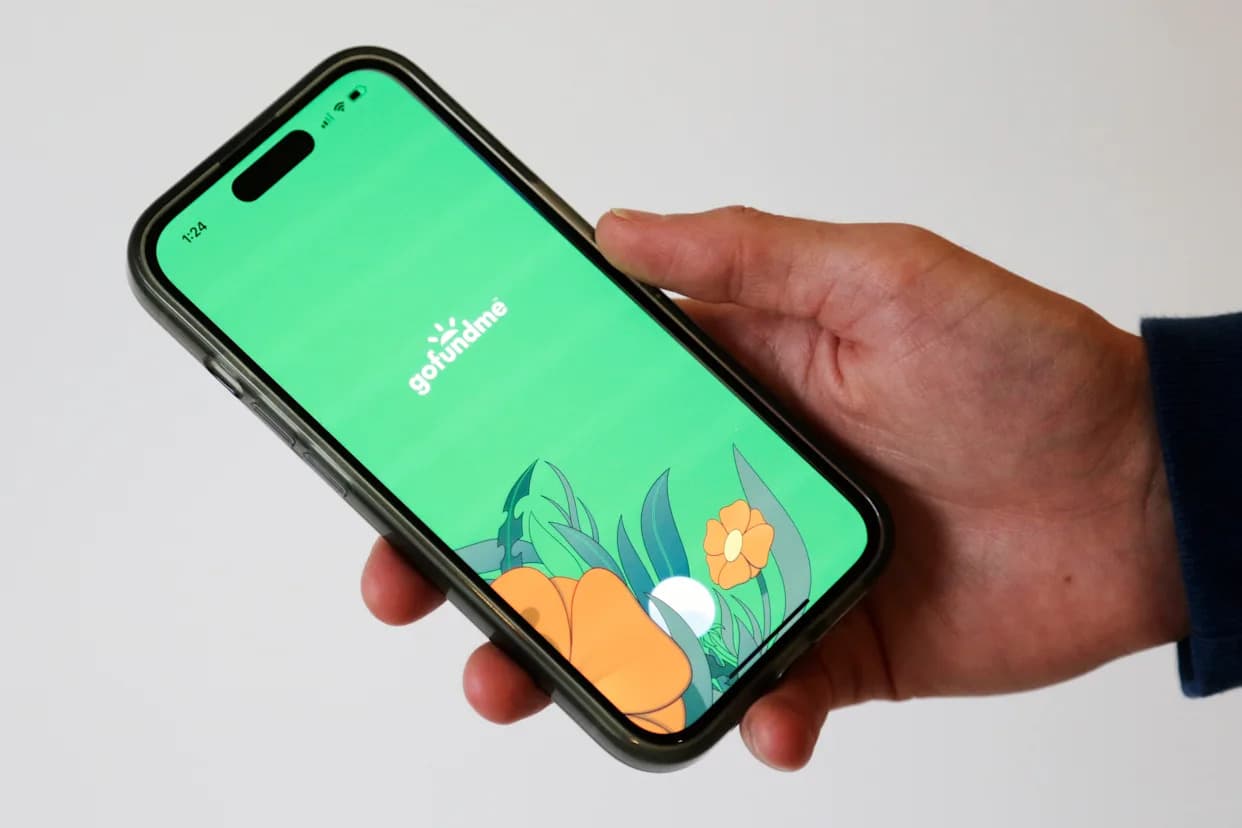
FILE - The home page for the crowdfunding platform GoFundMe is shown on a device in New York, Oct. 16, 2024. (AP Photo/Peter Morgan, File)
Quintin Sharpe, a 27-year-old wealth manager from a small waterside town in southeast Wisconsin, says helping neighbors is part of his routine. In one recent case, he donated more than $100 to a former classmate’s family after a serious car crash, calling crowdfunding the "easiest way to help" because it is fast and bypasses layers of approval.
What the Poll Found
A new AP-NORC Center for Public Affairs Research poll finds about two in 10 U.S. adults donated to a crowdfunding campaign in the past year. While online fundraising platforms such as GoFundMe and GiveSendGo are commonly used to cover urgent medical bills, memorials, disaster relief and everyday needs, many Americans express only limited confidence in campaigns and the platforms that host them.
Crowdfunding By The Numbers
- Roughly 2 in 10 U.S. adults reported donating to a crowdfunding campaign last year.
- About 6 in 10 crowdfunding donors said their most recent gift was $50 or less.
- Approximately 4 in 10 donors gave to medical or health-care-related campaigns.
Why Medical Crowdfunding Persists
Medical expenses are the most frequent cause cited by donors. Experts say the prevalence of medical crowdfunding reflects gaps in health insurance coverage and rising health costs. Jeremy Snyder, a bioethicist who studies medical crowdfunding, warned that policy changes such as the expiration of enhanced ACA tax credits could push even more people to seek donations online.
Trust, Fees, And Transparency
The poll shows mixed public confidence in how platforms operate and how funds are used. Only 44% of U.S. adults said they were at least "somewhat" confident that crowdfunding sites charge reasonable service fees. More than half were at least "somewhat" confident that campaigns represent genuine need, and about half were "somewhat" confident that recipients use donated funds responsibly. However, only about one in 10 people said they were "very" or "extremely" confident in those areas.
Major for-profit platforms say their charges cover payment processing. For example, GoFundMe deducts 2.9% plus 30 cents from U.S. donations and requests optional tips; GiveSendGo reports a 2.7% plus 30-cent processing fee. Public perceptions of higher, mandatory platform fees may reflect older policies: GoFundMe stopped charging a 5% platform fee for personal campaigns in 2017.
Voices From Donors
"Crowdfunding can be a little bit more expedient because there’s less reporting," Quintin Sharpe said. "Funds are going directly to one site. It doesn’t have to go through a board, doesn’t have to get approval from a lot of people."
Karla Galdamez, a former California teacher, donated to a GoFundMe after a colleague died by suicide and said word-of-mouth and social sharing made the campaign effective. Maria Barrett of New Jersey said she gives when she knows the organizers or after doing research; she’s seen fundraisers both exceed expectations and ask for what she considers "astronomical" goals. Barrett’s broader concern is that families must turn to crowdfunding at all: "One illness can wipe out a family," she said.
What This Means
Crowdfunding plays an increasingly visible role in how Americans cover emergency bills and personal hardships, but participation is limited compared with traditional charitable giving and tends to rely on small donations and strong personal networks. The poll suggests continued public skepticism about platform transparency and campaign accountability even as medical crowdfunding remains common.
Methodology
The AP-NORC poll surveyed 1,146 adults Dec. 4-8 using NORC’s probability-based AmeriSpeak Panel, designed to represent the U.S. population. The margin of sampling error for adults overall is plus or minus 4 percentage points.
Help us improve.