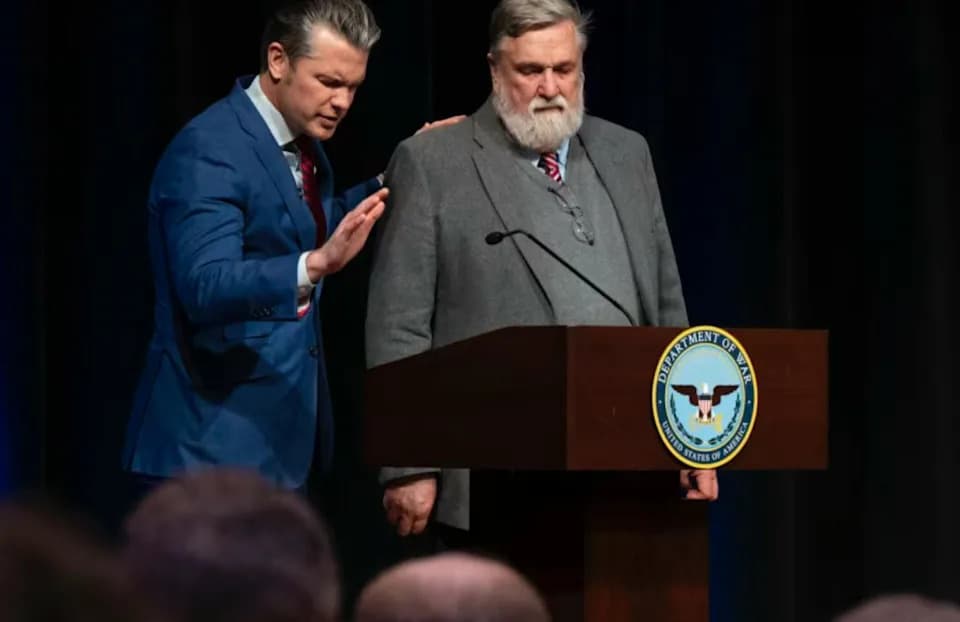
As politics and patriotism infiltrate many U.S. churches, some congregants are walking away. Former members describe both sudden epiphanies and slow realizations that faith had been merged with partisan nationalism. Leaving often cost them social support and community, but it also allowed many to reclaim a morally coherent, less politicized practice of faith. Interviewees urge others to ask hard questions, seek supportive alternatives, and read about religious trauma when needed.
How People Walked Away From 'MAGA Christianity' — And What It Cost Them

Adam Gray / Getty Images
As politics and patriotism increasingly seep into American worship, some congregants say their faith communities have become sites of political loyalty rather than spiritual formation. Former members of what they describe as "MAGA Christianity" tell HuffPost that the blur between religion and partisan identity forced them to make wrenching choices: stay and compromise their convictions, or leave and lose the communities that supported them.
CHARLY TRIBALLEAU / AFP via Getty Images
Why People Left
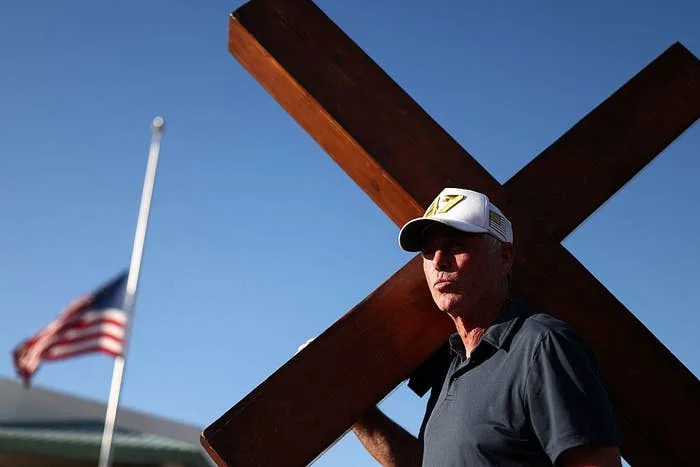
Interviewees point to a pattern: churches that once emphasized Gospel teachings began promoting a political agenda tied to nationalism, fear of outsiders, and uncritical allegiance to partisan leaders. For many, this shift created moral dissonance between Jesus’ teachings — care for the poor, welcome to strangers, and solidarity with the marginalized — and a faith that seemed to prioritize political power.

MANDEL NGAN / AFP via Getty Images
Voices From the Exits
Anna Rollins, author of Famished, described growing up Southern Baptist in a community where patriotism and piety were fused. "Faith and freedom were often talked about in the same breath," she said, recalling patriotic songs sung alongside hymns and an implicit expectation to vote Republican.

Bloomberg / Bloomberg via Getty Images
"Reading Scripture made me see that Christianity was not about aligning oneself with a nation-state." — Anna Rollins
Deirdre Sugiuchi, whose memoir Unreformed recounts life in a white evangelical reform school, called the movement she escaped "a cult." Sent at 15 to Escuela Caribe for failing to be a "subservient adolescent female," Sugiuchi described abusive, controlling practices justified in the name of Jesus. After finding common ground with other survivors and readers of Julia Scheeres' Jesus Land, she helped expose and ultimately close the school — a turning point that broke her trust in institutional religion.

NurPhoto / NurPhoto via Getty Images
"By keeping silent, other people were being abused in the name of religion." — Deirdre Sugiuchi
Amy Hawk, author of The Judas Effect and a self-described ex-vangelical, said Trump's behavior toward women conflicted with the ministry she led supporting assault survivors — and that the growing embrace of Trumpism among white evangelicals became intolerable for her family.
PIERO CRUCIATTI / AFP via Getty Images
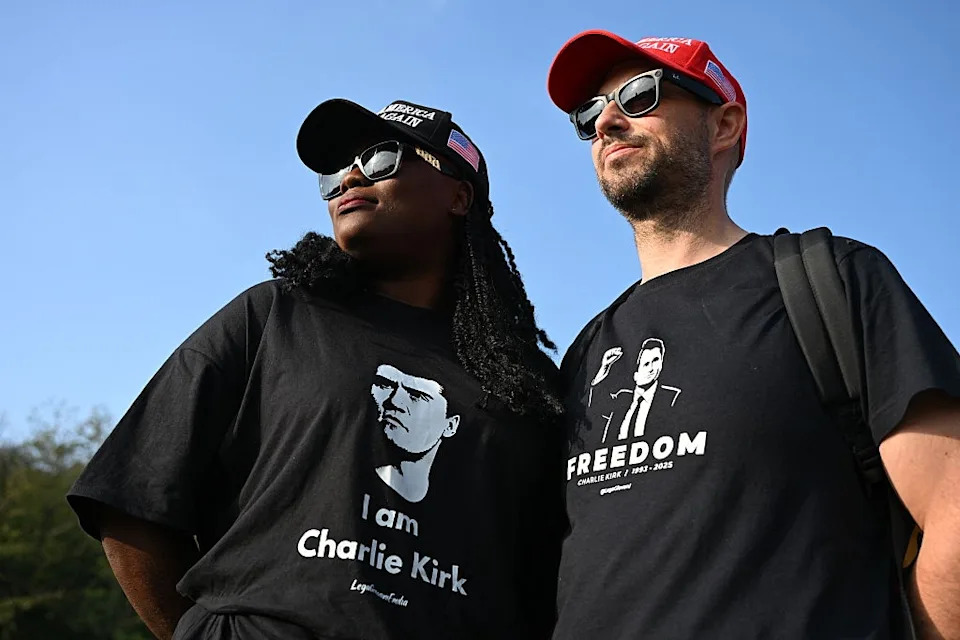
Cara Meredith, author of Church Camp, described a formative message many received: vote Republican or fail to be a true Christian. That framing, she argues, reduces spiritual life to partisan loyalty and discourages critical engagement with issues of justice and race.

Richard Baker / In Pictures via Getty Images
Costs And Consequences
Leaving often meant losing social networks, practical support, and cultural belonging. Meredith described the practical void left when fellow congregants stop attending milestone events, offering prayers, or helping with daily life. For many, the decision to leave was not a rejection of Jesus but a reclaiming of a morally coherent faith separated from partisan idolatry.

GIORGIO VIERA / AFP via Getty Images
Paths Forward
Some who left retained personal faith while rejecting politicized institutions. They sought progressive or less politicized congregations, built new communities, or practiced faith privately. Interviewees urged those wrestling with similar doubts to educate themselves about religious trauma, find supportive people, and explore faith beyond the pulpit that raised them.

SOPA Images / SOPA Images/LightRocket via Getty Images
"You belong, because you're human. That's it." — Cara Meredith
Takeaways
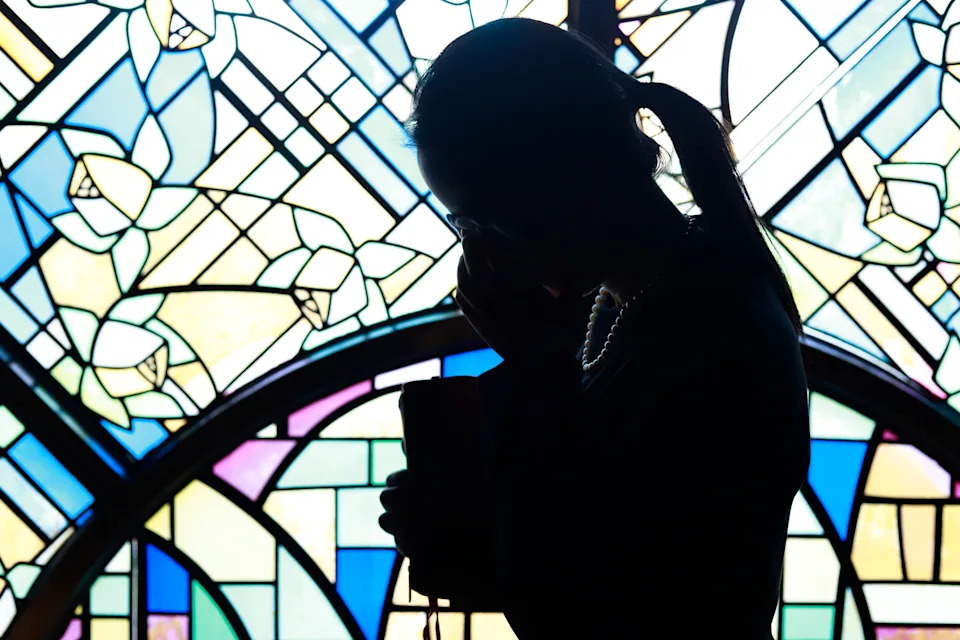
Across these stories, patterns emerge: the fusion of nationalism and Christianity, the moral conflict that prompted departures, the social cost of leaving, and the work of rebuilding faith on new terms. Those who left urge others to ask hard questions, seek community, and refuse to equate political loyalty with spiritual truth.
RUNSTUDIO via Getty Images
This article synthesizes interviews and reporting for HuffPost and reflects the experiences of multiple former adherents of MAGA-aligned Christian communities.
Help us improve.