
Targeted, person-to-person giving is rising as donors prefer to support individual families directly and see exactly how their gifts are used. Local nonprofits such as Giving Grace and Family-to-Family vet requests and connect donors with urgent needs—rent, groceries, utilities, transportation and small repairs—so recipients can stay housed, keep working or finish school. Economic strain, rising unemployment and stagnating wages have driven demand up sharply, but small regular sponsorships and collaborative giving often produce life-changing results.
Where Your Donation Really Goes: How Direct Giving to Families Is Changing Lives

Ogechi Irondi, left, and Jamey Jones embrace after meeting in person for the first time. Jones saw a post about Irondi's work ethic and setbacks and decided to help her family buy groceries. - Austin Steele/CNN
Ogechi Irondi’s future once hovered between two starkly different outcomes: completing nine years of higher education with dual degrees or becoming homeless with her young children. Strangers intervened and changed her path.
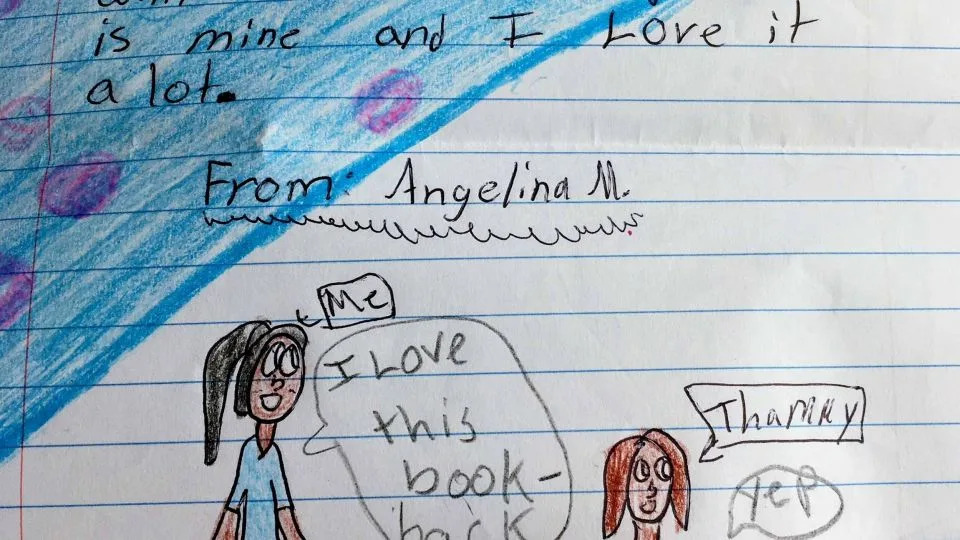
A child gave this thank-you note and drawing to a donor who provided essential supplies to her family. - Courtesy Family-to-Family
The 31-year-old faced overwhelming hardships while studying at Georgia Tech. She endured a toxic relationship, lost her mother to a violent death, and later learned she was pregnant with twins. Volunteers with the Atlanta-area nonprofit Giving Grace heard her story and stepped in — paying overdue rent so she could keep her apartment and arranging weekly grocery deliveries so she and her children had reliable meals.

Christy Betz, founder of Giving Grace, sorts through donated items in Atlanta - Austin Steele/CNN
“Without them, I would be on the streets with my children,” Irondi said.
Why Donors Are Choosing Direct, Person-to-Person Giving
Across the United States, more donors are choosing to give directly to families in crisis rather than routing contributions through large, generalized charities. This targeted approach tells donors exactly who benefits and how, often creating vivid success stories and lasting personal connections between givers and recipients.
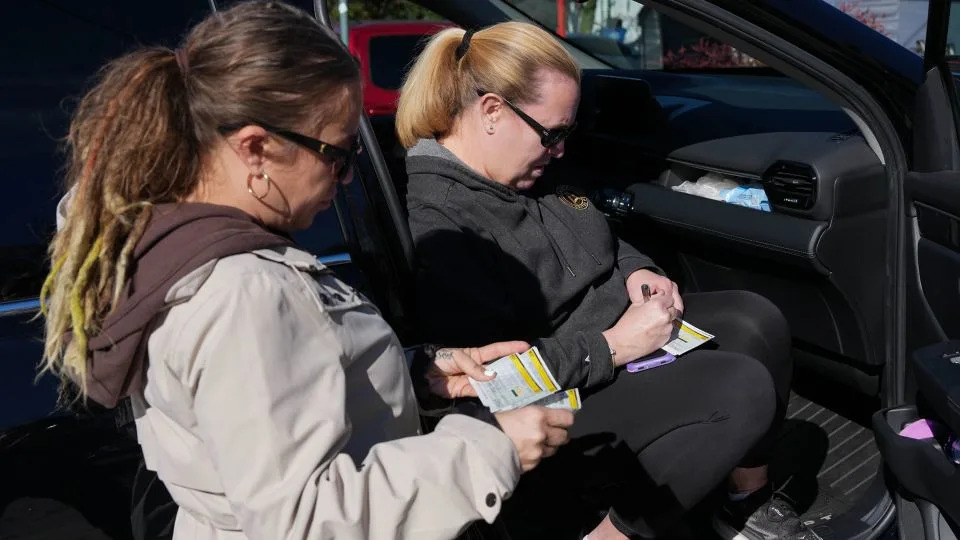
Christy Betz, right, writes rental assistance checks for Luna Pendelton, left, to distribute in Atlanta, GA, on December 16, 2025. - Austin Steele/CNN
“We are the antithesis of the big-box donors,” Pam Koner, founder of Family-to-Family, told reporters. “We are about creating a way for families who want to give — and want to give to a family they know about.”
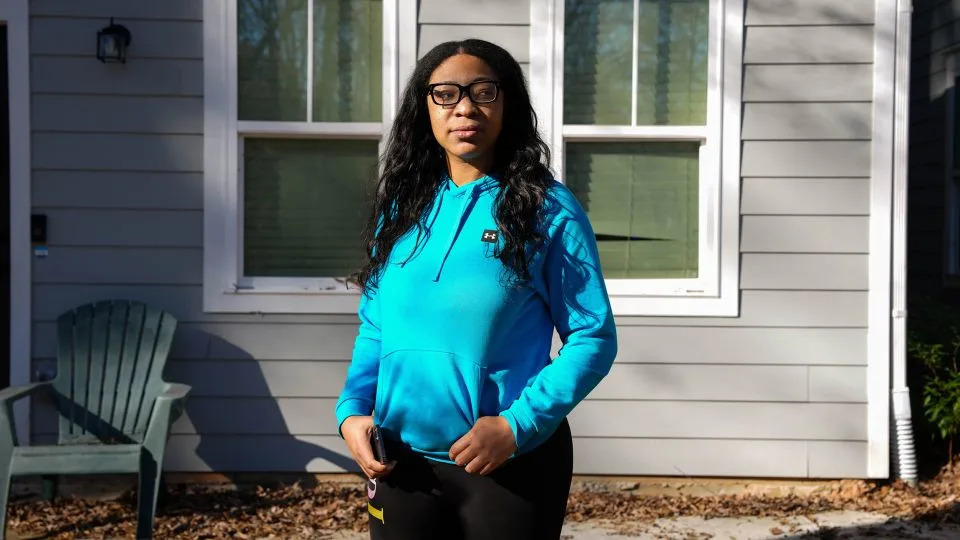
Ogechi Irondi suffered myriad challenges while pursuing her college education, including homelessness, a lack of transportation, and a family tragedy. - Austin Steele/CNN
Speed, Precision and Human Connection
Targeted giving tends to be faster and more precise than large-scale programs: donors can provide the exact item or small amount of cash a family needs immediately — whether that is a month’s rent, a car repair to get to work, or a week of groceries. For recipients, the help is often transformational; for donors, the transparency is deeply satisfying.
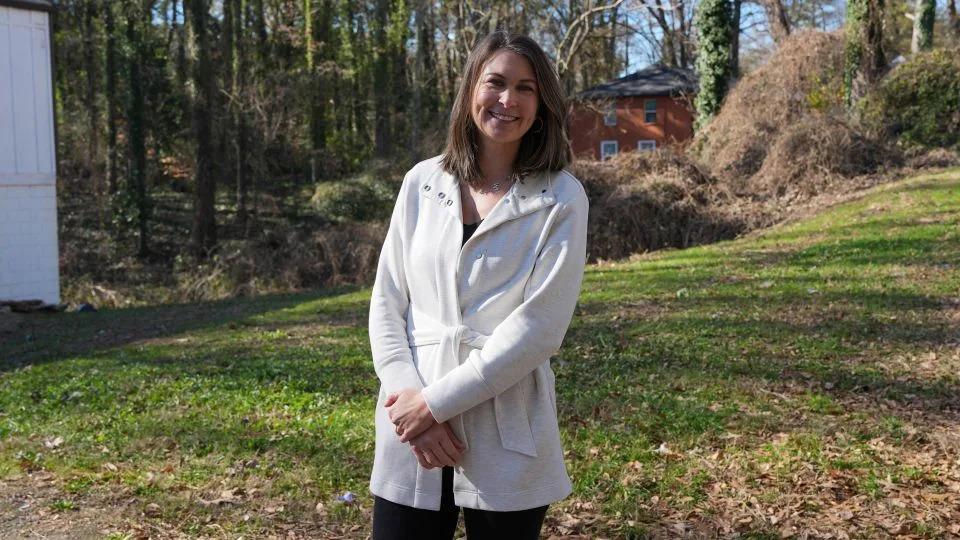
Jamey Jones says she was impressed by Irondi's perserverance in finishing school while raising two children amid myriad obstacles. - Austin Steele/CNN
Growing Need Amid Economic Strain
Economic pressures have intensified demand for direct aid. Recent data cited in the original report showed the unemployment rate rose to 4.6% in November, and GoFundMe reported a roughly 20% increase in fundraisers for basic needs year-over-year. Local aid networks report dramatic surges: one food pantry that served about 220 families now sees more than 450 in recent months, and some groups that once fielded one or two requests per week now receive 30–40 daily.
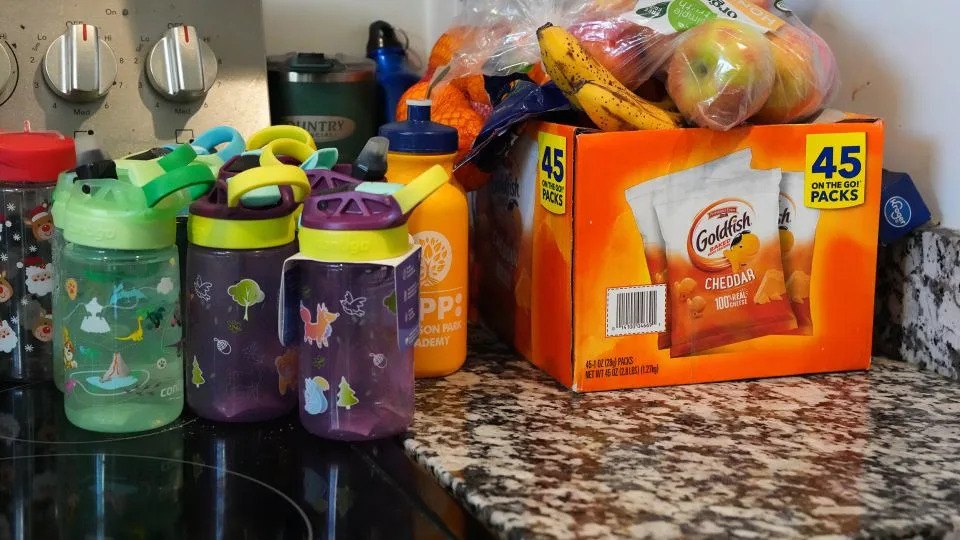
Donors supplied Irondi's family with water bottles and fresh produce. - Austin Steele/CNN
“A lot of people are losing their jobs,” said Nancy Hennessee, program director at Family-to-Family. “They’re going around collecting food everywhere they can.”

Kim Neubacher's daughter Haley was 6 years old when they received their first boxes of food from Family-to-Family. Haley now plans to become a pediatric surgeon. - Kim Neubacher
How Local Groups Vet Requests and Deliver Help
Organizations like Giving Grace and Family-to-Family emphasize vetting. Volunteers verify employment, housing status and basic facts before distributing resources so donations reach people who are trying to help themselves. Giving Grace, for example, calls employers or motels to confirm client claims and declines assistance if a family isn’t making efforts to improve their situation.
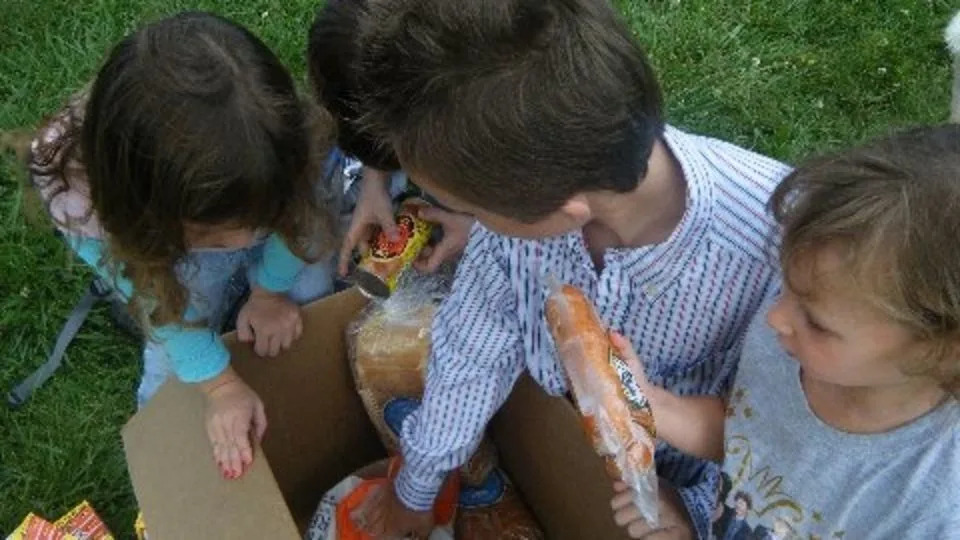
Kim Neubacher's children were thrilled to receive donations of food and toys when the family was struggling with job loss, their mother said. - Kim Neubacher
Some families face a vicious cycle: eviction records can block access to new leases, forcing families into costly extended-stay hotels and deeper debt. To break this cycle, Giving Grace sometimes negotiates with private landlords to pay several months’ rent up front or provide a double deposit — tactics that have helped several families regain stable housing.
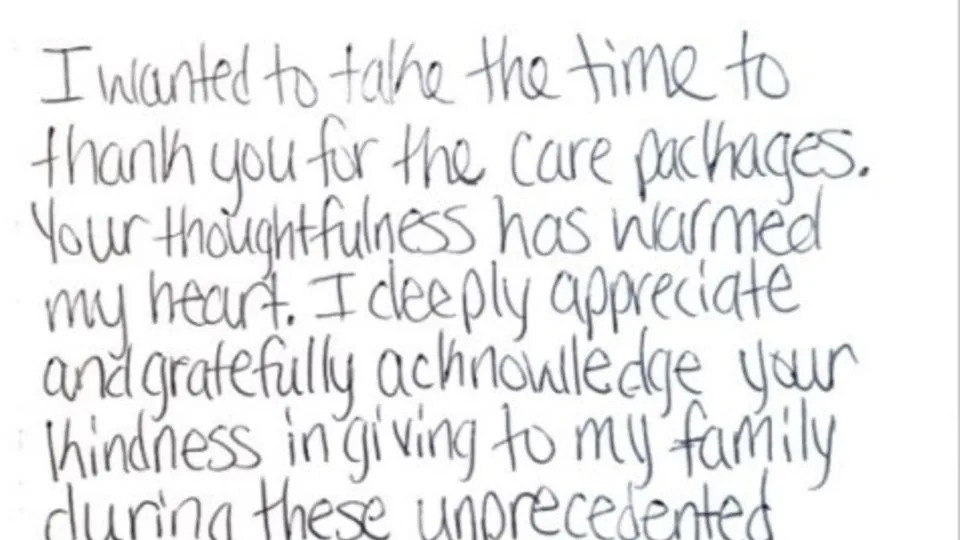
A family sent this letter to their sponsor family, thanking the donor for help "during these unprecedented times." - Courtesy of Family-to-Family
Individual Stories Illustrate the Impact
Irondi’s story highlights the compound effect of several modest acts of help. After a dean referred her to Giving Grace, coordinator Christy Betz mobilized local donors and raised enough to cover Irondi’s back rent within days, averting eviction. One donor, real estate agent Jamey Jones, began sending weekly Instacart grocery deliveries. Those groceries not only kept the family fed; they introduced fresh produce to the twins, improving their health and behavior.
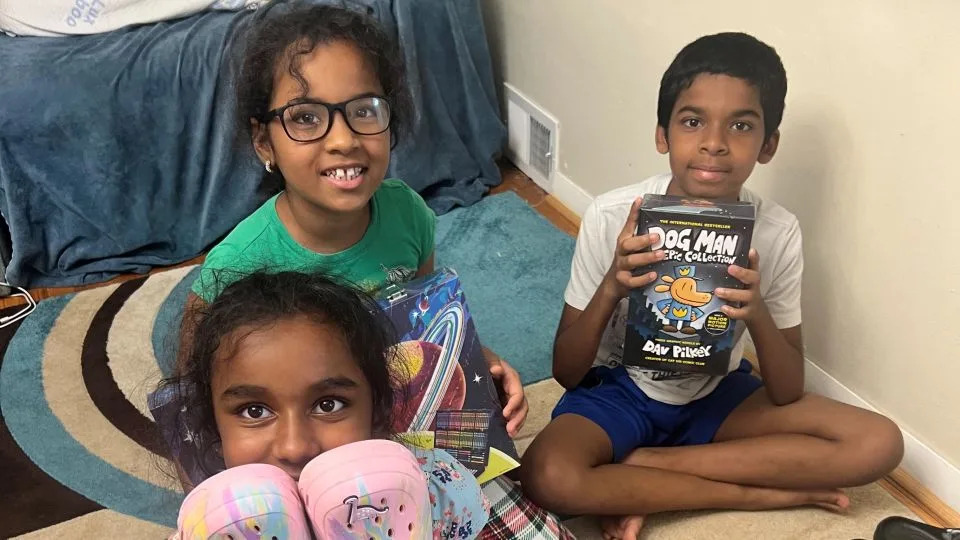
Siblings in New York state received a surprise care package from their sponsor family this summer. The donor was delighted to get thank-you notes and photos of the children enjoying the donations. - Courtesy Family-to-Family
Because her basic needs were met, Irondi graduated with two degrees from Georgia Tech and is now interviewing for public-health jobs. “These people have completely changed my life,” she said.

A Family-to-Family aid recipient sent this heartfelt letter to their donor. - Courtesy Family-to-Family
Another example: Kim Neubacher’s middle-class family was devastated during the Great Recession when her husband lost a steady job. Family-to-Family matched her with a sponsoring family that provided monthly grocery boxes and fresh food, helping the household through job loss, a house fire, and a later cancer diagnosis. Neubacher now helps coordinate local support programs and a clothing-exchange initiative to help other families stretch their budgets.
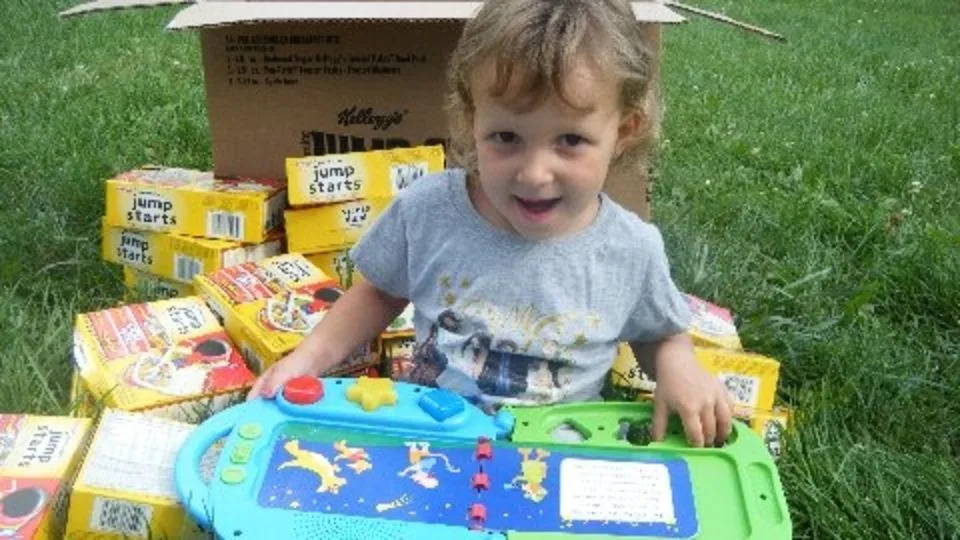
Kim Neubacher's daughter Angel plays with an educational toy given by the family's sponsor, who also donated boxes of cereal bars. - Kim Neubacher
Small Gifts, Big Results
Many families seek modest help: a month’s rent, groceries, utilities, gas for work, or a pair of steel-toed boots to start a job. Donors who give small, regular amounts — such as monthly sponsorships — often provide the stability families need to recover and thrive. Ariela Berman, a psychiatrist in suburban New York, sponsors a single mother of five with monthly groceries and says automatic donations are both easier for donors and more reliable for recipients.
Donors of all means contribute: some sponsor multiple families, while others team up with neighbors to split the cost of groceries. Organizers say even modest gifts can unlock larger changes by preventing eviction, keeping children in school, or enabling parents to keep working.
What Donors Should Know
- Targeted giving can be faster and more effective for urgent, tangible needs.
- Reputable local groups vet requests to prioritize families who are actively seeking to improve their situation.
- Small, recurring donations provide predictable support and often produce greater long-term impact than one-off gifts.
As demand grows, organizers hope more people will consider sponsoring a family or joining group efforts. “My goal would be in a perfect world that everyone who can afford this would sponsor a specific family in poverty,” Koner said. “And that this would be something that was just part of our culture.”
Note: The stories and statistics in this article illustrate the human impact of direct giving and reflect organizational reports and personal interviews referenced in the original piece.


