The Houthi offensive along the Red Sea has displaced more than 125,000 people and threatened Saudi oil shipments, contributing to higher global fuel prices. Displaced families — including over 57,000 children — report severe shortages of food, medicine and shelter. Humanitarian agencies warn the wave of displacement is fast-moving and riskiest for pregnant women, young children and people with chronic illnesses amid an already dire food-security crisis.
Houthi Advance Displaces 125,000+ and Pushes Up Oil Prices — Yemen’s Humanitarian Crisis Deepens
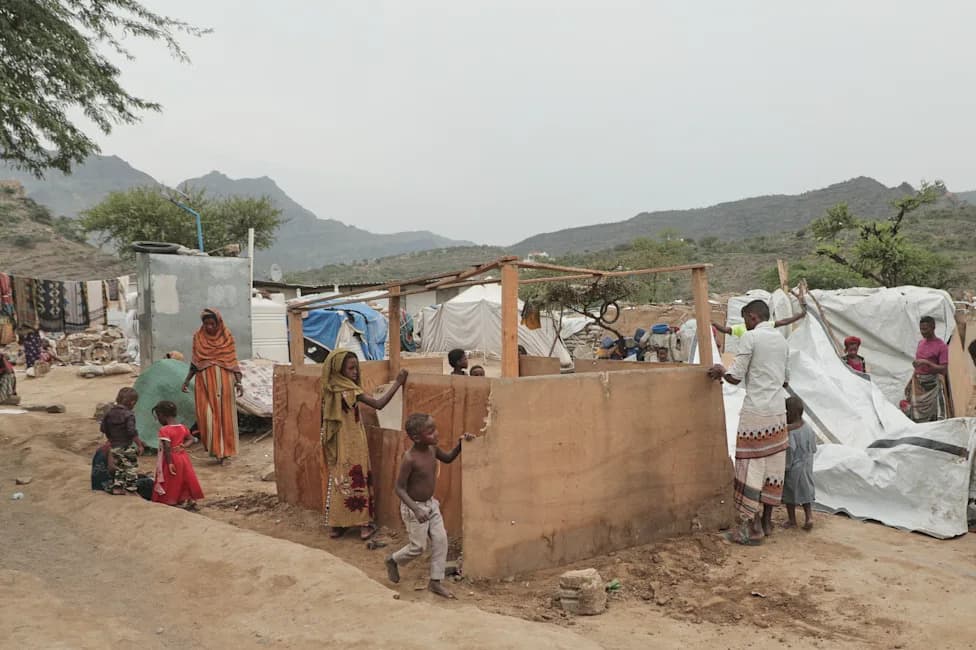
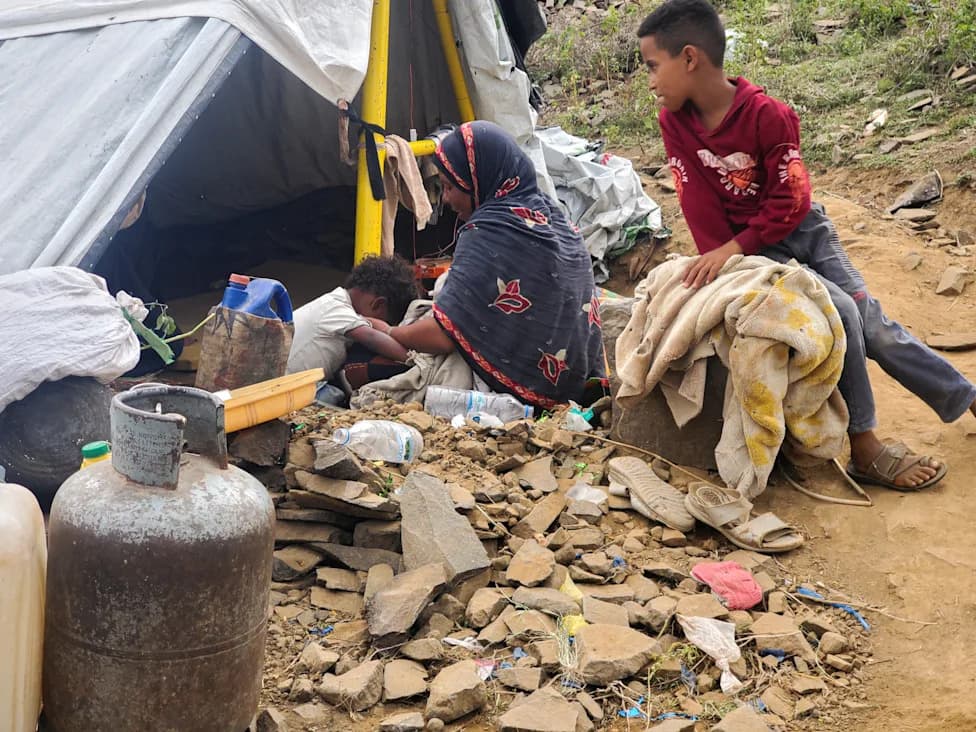
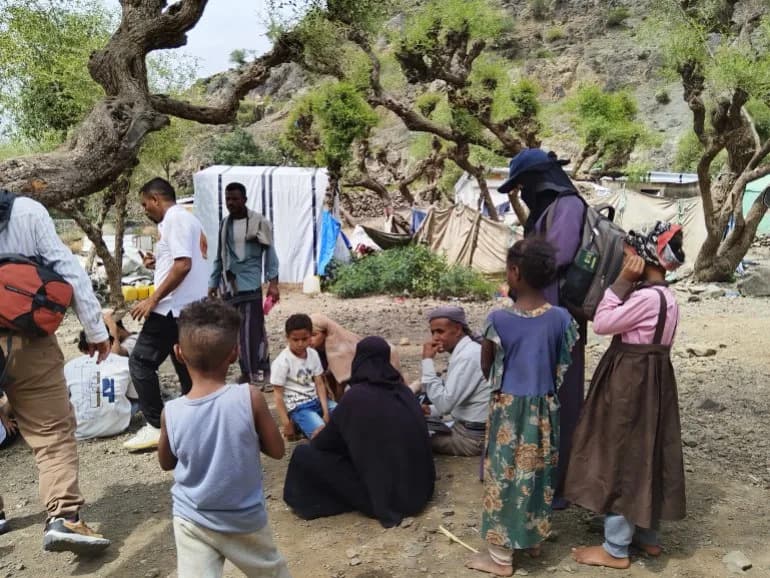
Displaced people set their camp in Taiz province, Yemen, Tuesday, Sept. 15, 2026. (AP Photo/Marzouq Al Jabri)(AP Photo/Marzouq Al Jabri)
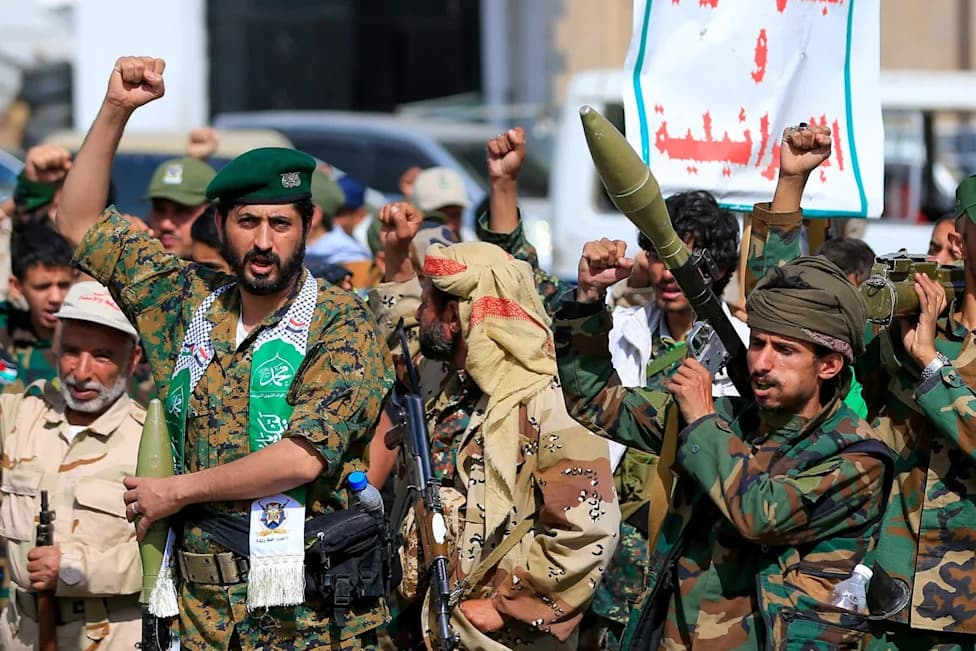
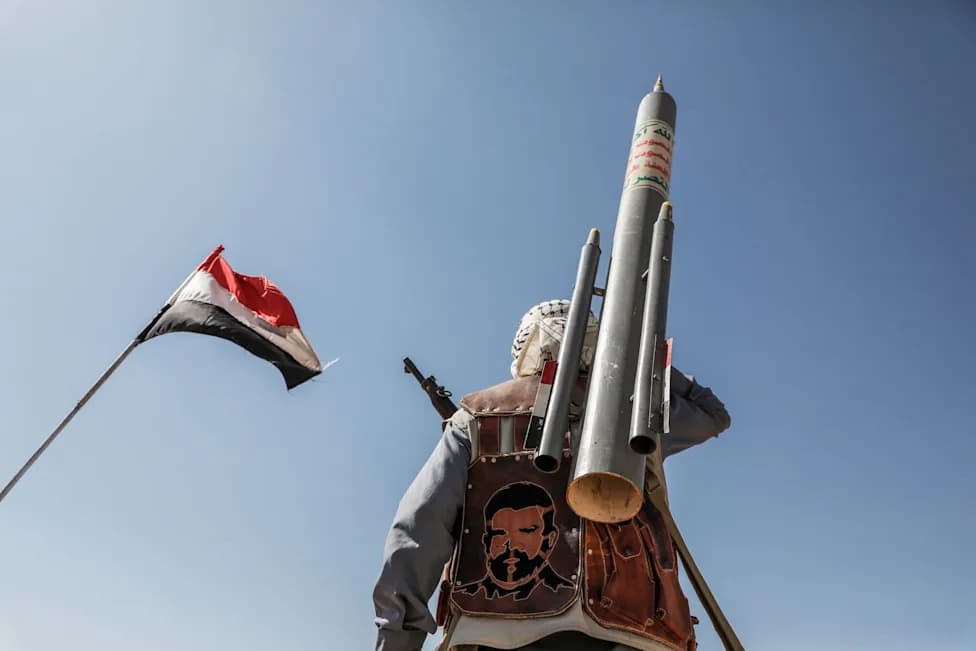
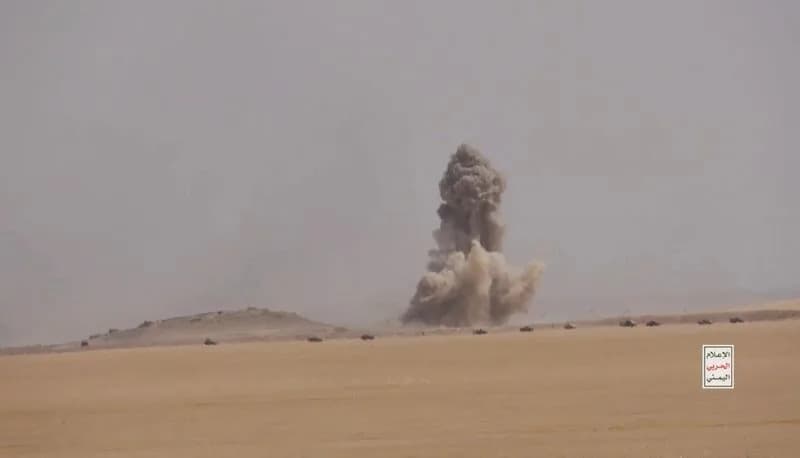
As Houthi forces pushed down the Red Sea coast toward a strategic maritime chokepoint, more than 125,000 Yemenis have been forced from their homes, deepening a humanitarian emergency in an already fragile country. The offensive has also threatened Saudi oil shipments and contributed to a rise in global fuel prices, even as the immediate human toll inside Yemen grows more acute.
On the Ground: Families Flee With Almost Nothing
Eshraq Abdel Gelil and her husband are among those who fled. Four months pregnant, Abdel Gelil walked along mountain paths with her husband before finding transport to the southwestern city of Taiz. At a clinic there, a doctor warned that the fetus had dropped lower in the womb; Abdel Gelil had suffered a miscarriage at the same stage in an earlier pregnancy. The couple now share cramped space with extended family and can afford only two meals a day.
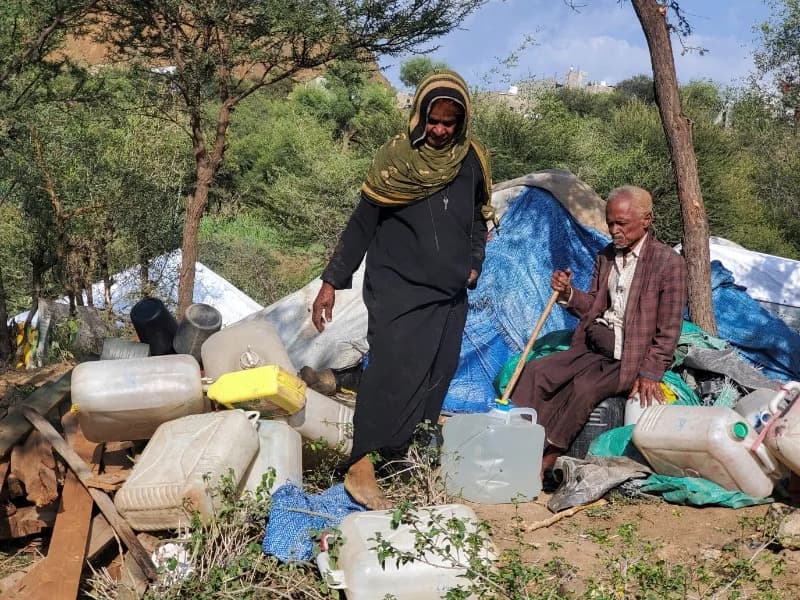
Many displaced people are sleeping outdoors or building makeshift shelters from plastic sheeting. Some walked for hours — and in some cases more than 16 hours — arriving at displacement sites exhausted, dehydrated and with children showing signs of malnutrition.
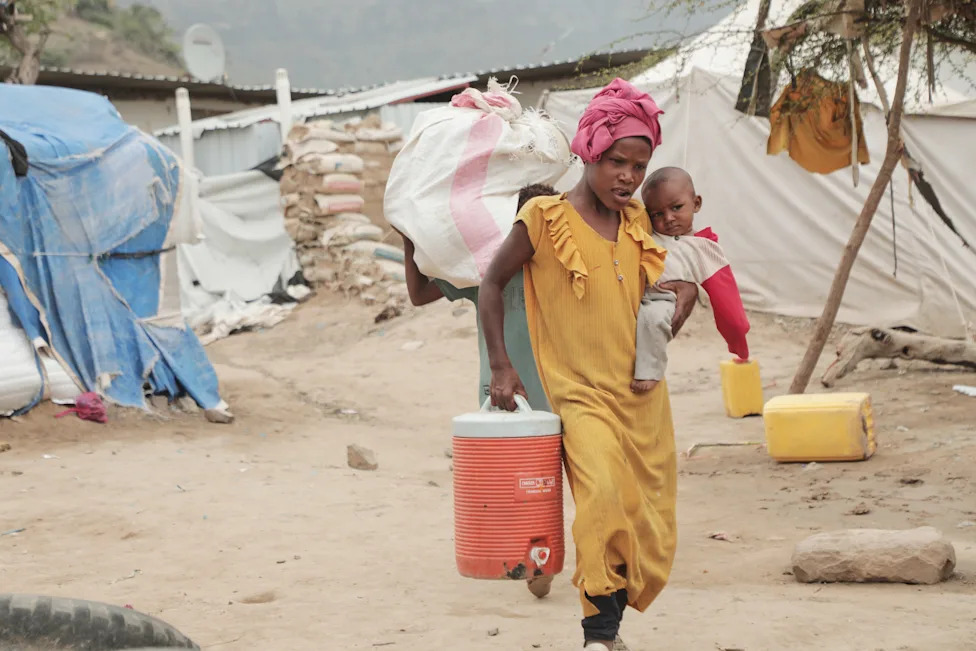
A displaced person walks through a camp in Taiz province, Yemen, Tuesday, Sept. 15, 2026. (AP Photo/Marzouq Al Jabri)(AP Photo/Marzouq Al Jabri)
Humanitarian Impact And Needs
According to the U.N. humanitarian office, the recent fighting has killed eight civilians and wounded 32 others, and roughly 125,000 people have fled their homes. UNICEF reports that more than 57,000 of the displaced are children. The U.N. had already warned that about 5 million Yemenis were facing crisis or worse levels of acute food insecurity before the latest escalation.
"This is one of the most fast-moving and volatile displacement waves Yemen has seen in years," said Obia Achieng, UNICEF's representative in Yemen. "Families are fleeing with little or no warning, often at night, carrying only what they can grab."
Humanitarian groups on the ground say urgent needs include food, maternal and newborn health care, medicines, hygiene supplies, private latrines and mental health support. Aid workers describe scenes of people washing their only clothes and waiting inside tents, mothers forced to flee shortly after giving birth, and families surviving on only rice for days.
Context: A Conflict With Regional Consequences
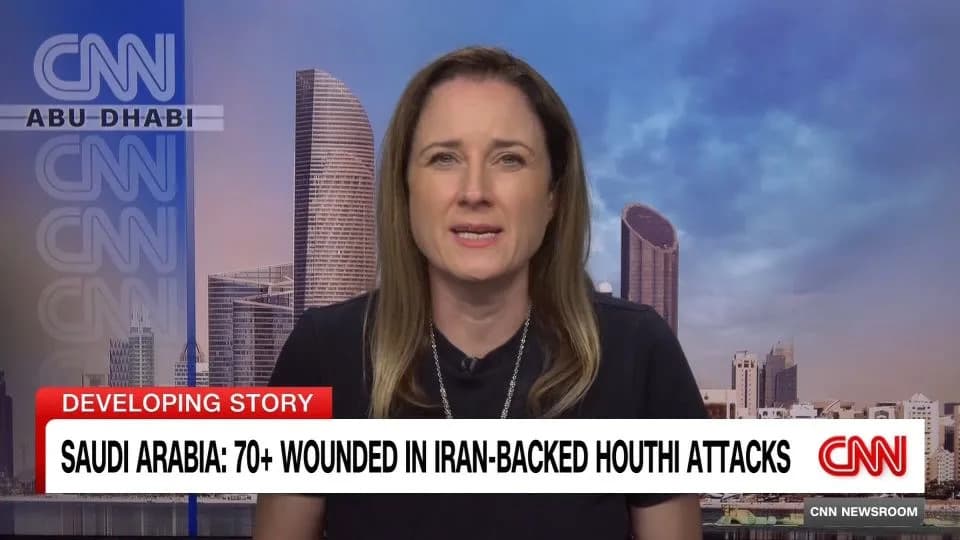
The civil war began in 2014 when Houthi forces seized much of northern Yemen, including Sanaa. Saudi Arabia intervened in 2015 to back Yemen’s internationally recognized government. A 2022 ceasefire slowed the fighting, but hostilities flared again in July when the Houthis renewed attacks on Saudi Arabia — actions the rebels framed as efforts to end a blockade. Those strikes have targeted Saudi oil infrastructure and helped push up global fuel prices amid regional tensions involving Iran.
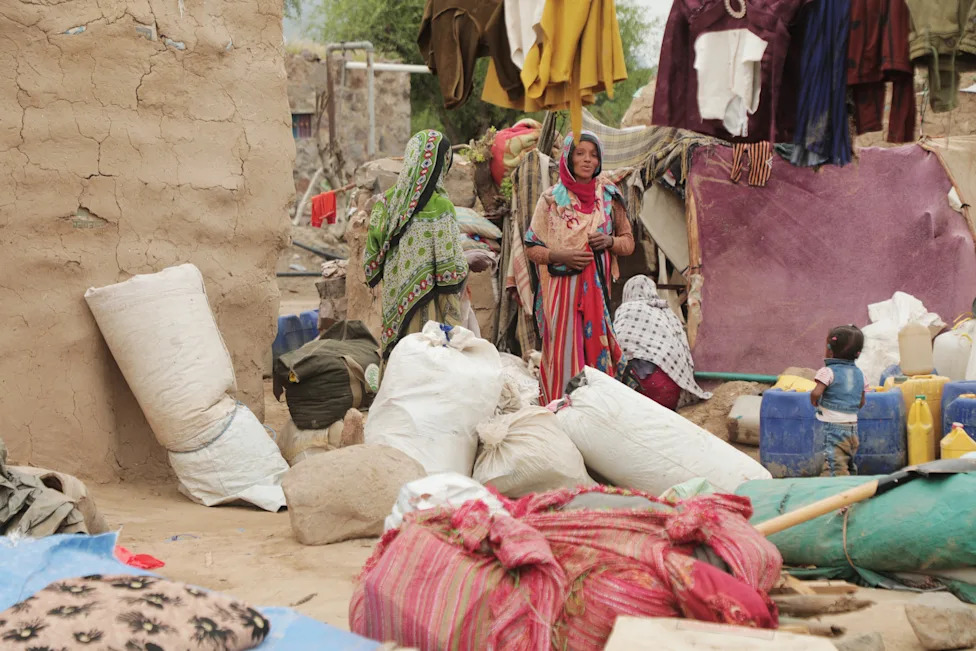
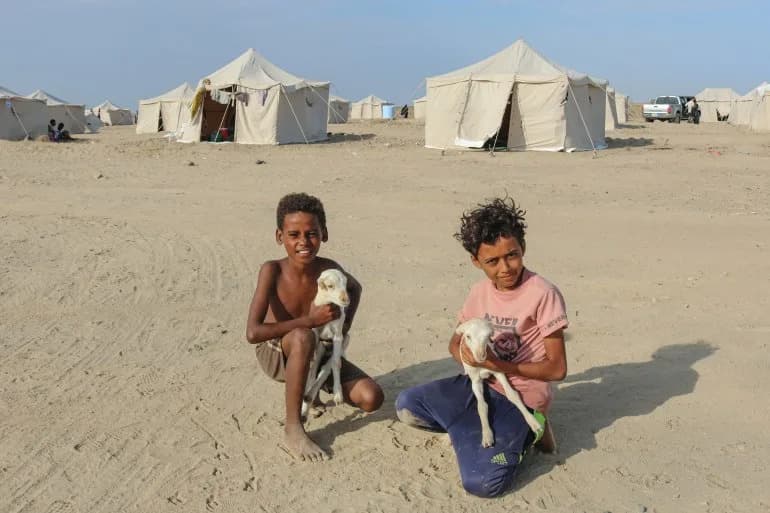
Displaced Yemenis prepare their camp in Taiz province, Yemen, Tuesday, Sept. 15, 2026. (AP Photo/Marzouq Al Jabri)(AP Photo/Marzouq Al Jabri)
Beyond the immediate displacement, Yemen continues to suffer long-term consequences: earlier phases of the war pushed the country close to famine and the conflict has been linked to an estimated 150,000 deaths since it began. A Saudi-led blockade, Houthi restrictions in areas under rebel control and the detention of U.N. and aid workers have all compounded humanitarian access and delivery problems.
Voices From Displacement Sites
Iman Abdullahi, country director for CARE, emphasized the scale and immediacy of needs: food, maternal and newborn care, private sanitation and psychosocial support. Milena Murr of Prosper Global (formerly Mercy Corps) said some arrivals at displacement sites appeared malnourished and dehydrated after long journeys.
"We are in such a state! We have no home, no toilet, no food and nothing to drink," said Nashwan Ahmed Said, who was sewing a shelter from plastic sacks and said this was the third time he had been displaced since the conflict began. Arwa Ahmed, who fled with five children, said, "We need everything. We need tents, we need food and all the essentials, because we were displaced and took nothing with us."
The international community and humanitarian agencies warn that without prompt increases in assistance and improved access, the situation could rapidly deteriorate, especially for pregnant women, young children and people with chronic health needs.
Help us improve.