The United Nations reports that more than 100,000 people have been displaced inside Yemen amid intensified fighting between Houthi forces and government‑aligned troops. UNHCR says thousands more have risked the Bab al‑Mandeb crossing to Djibouti and that over 65,000 refugees and asylum seekers already in Yemen face increased danger. The agency is seeking roughly $14 million in emergency funding to cover urgent needs—shelter, food, water and healthcare—while arrivals continue to arrive exhausted after perilous sea journeys.
Over 100,000 Displaced as Fighting Escalates Along Yemen’s Western Coast
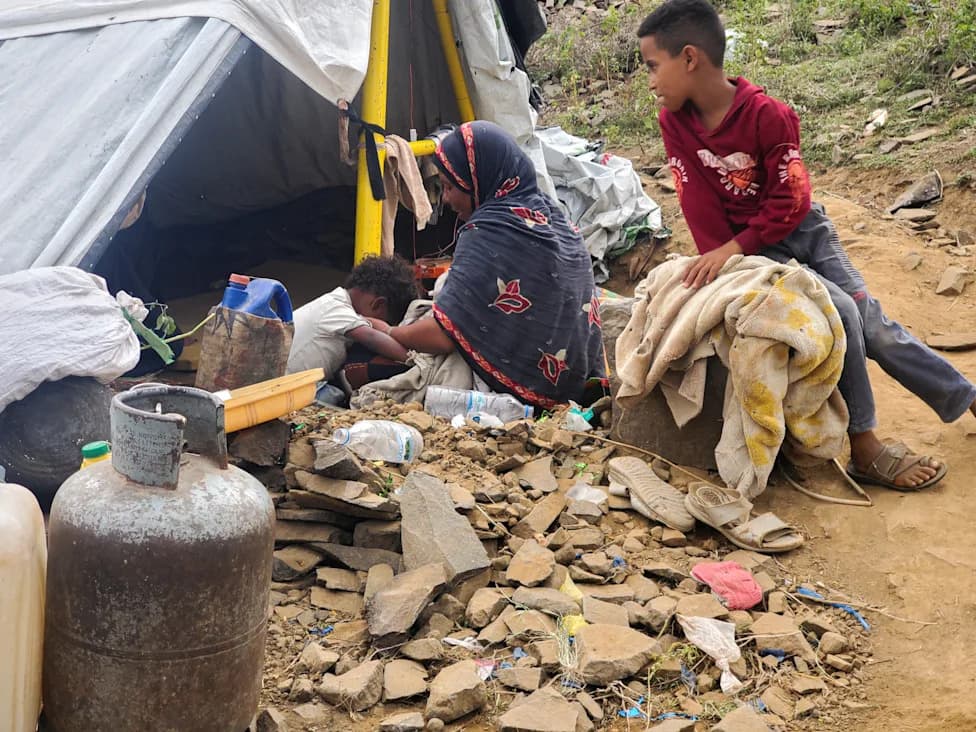
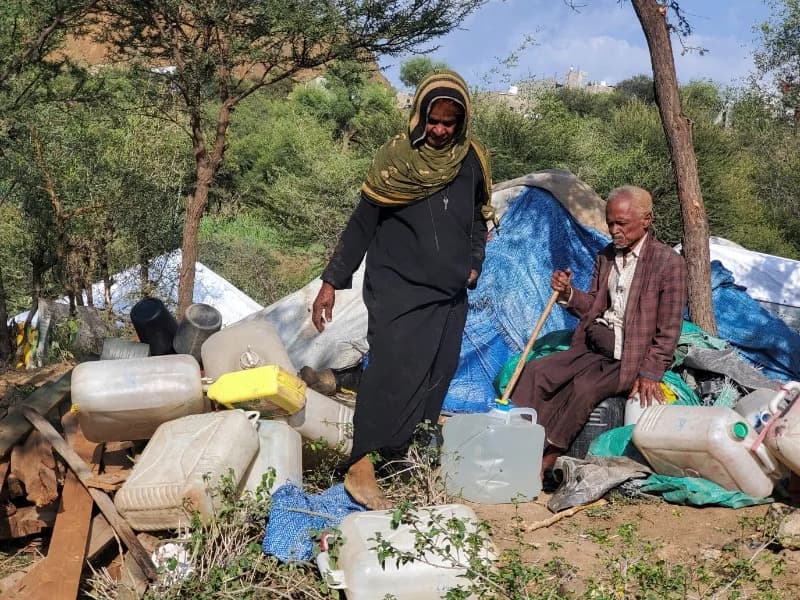
A woman sits with her children at a makeshift camp for people displaced by clashes between Iran-aligned Houthi fighters and Saudi-backed Yemeni government forces [File: Reuters]
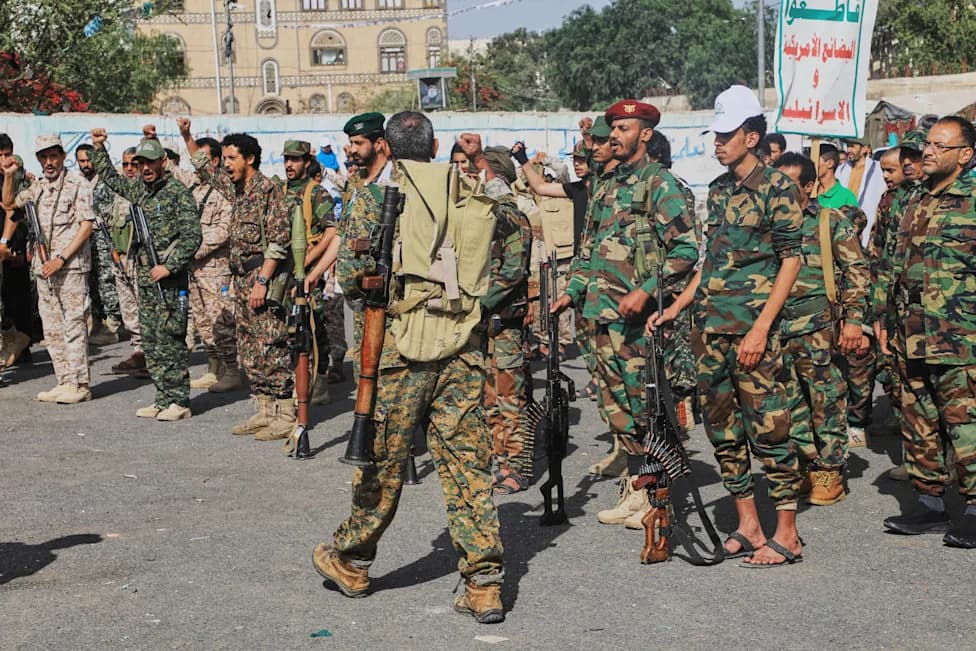
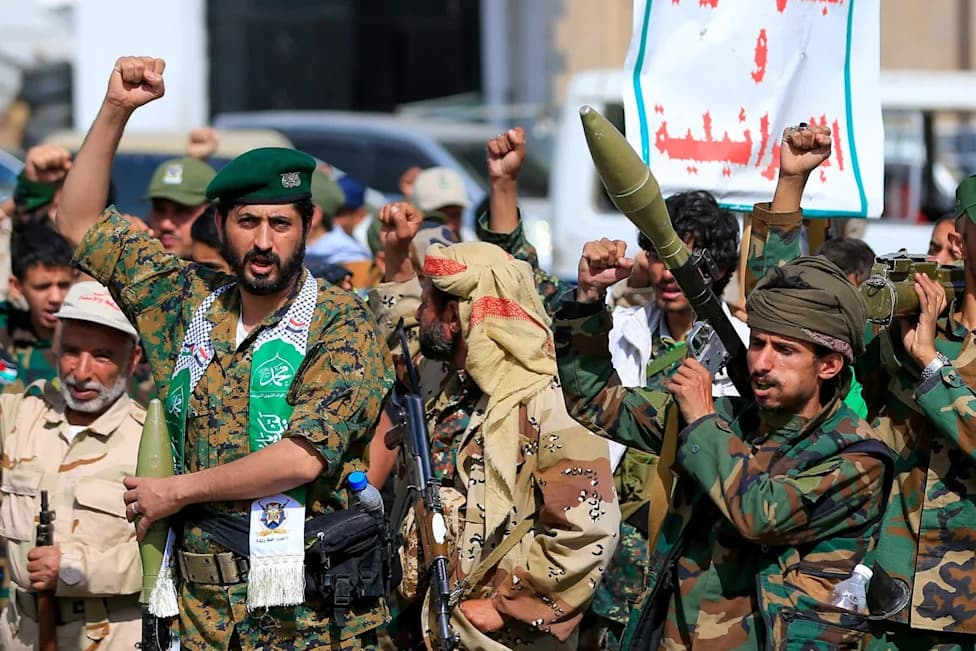
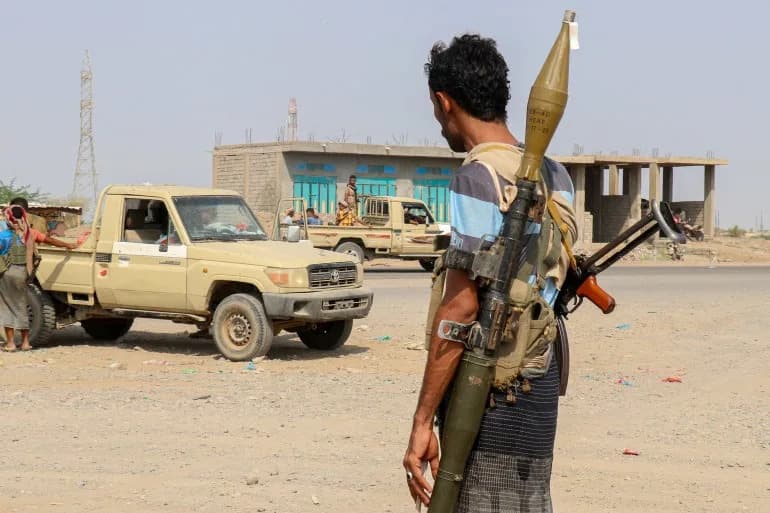
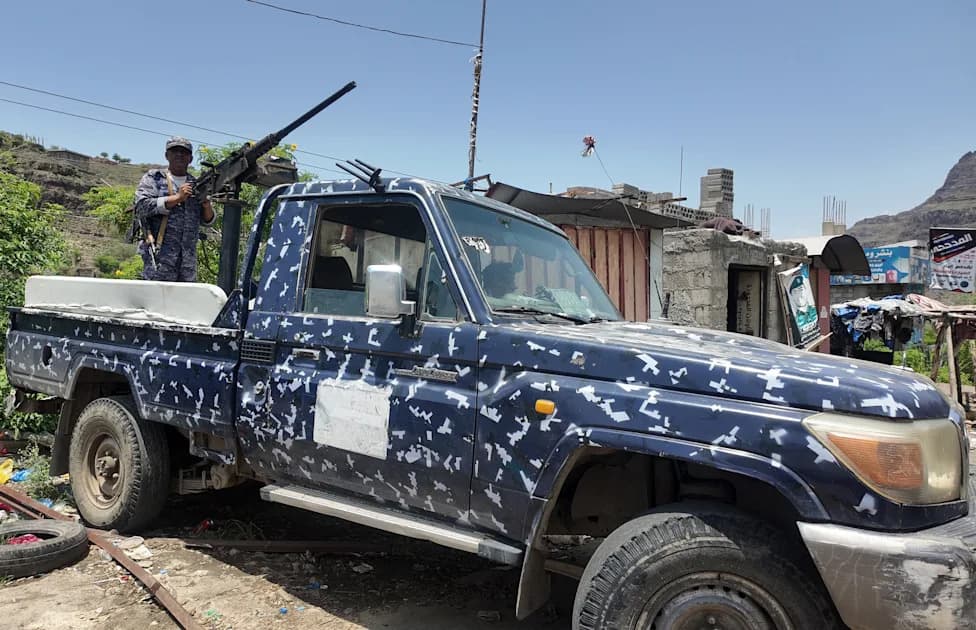
The United Nations says more than 100,000 people have been forced from their homes as heavy fighting intensifies along Yemen's western coast between the Iran‑aligned Houthi movement and forces loyal to the internationally recognised government.
Rapid Displacement and Regional Flights
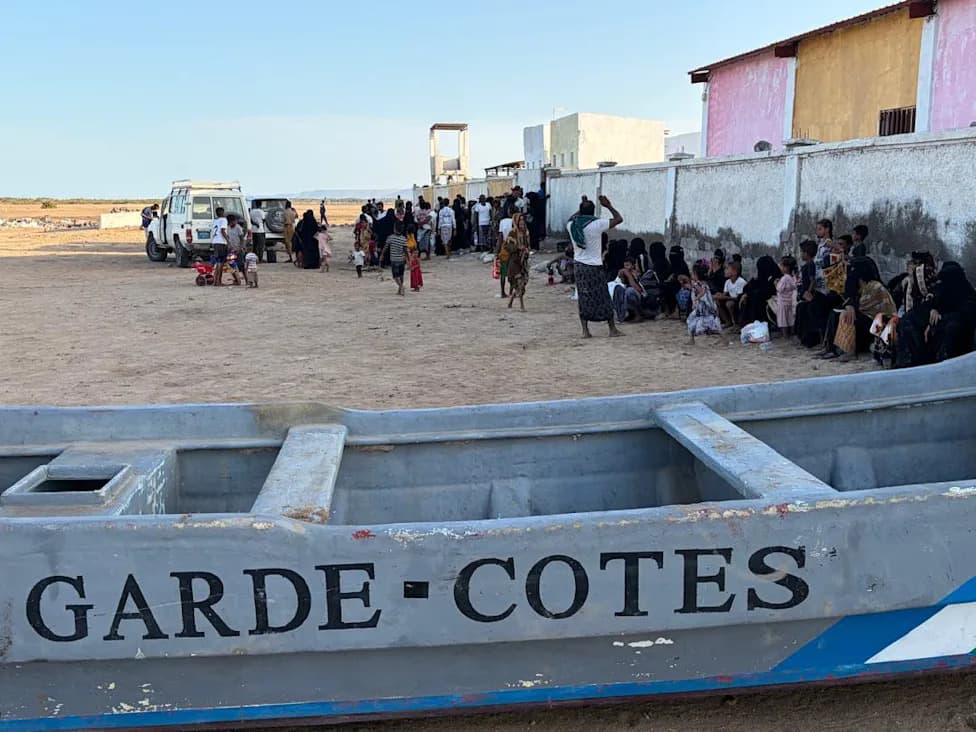
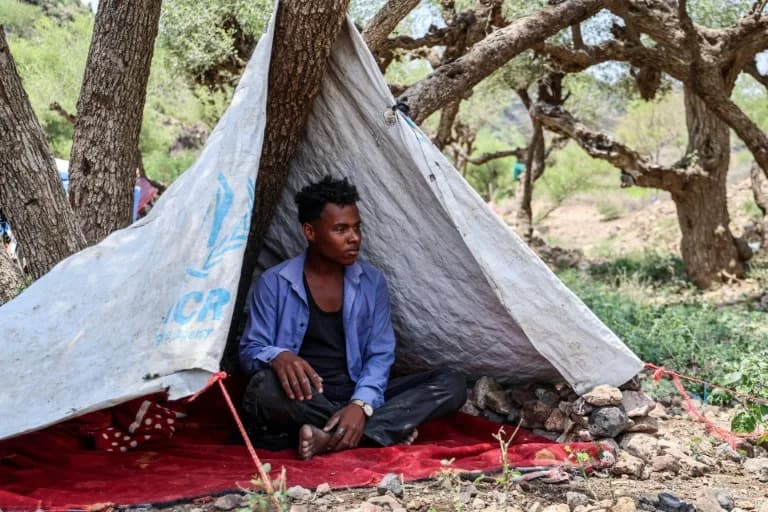
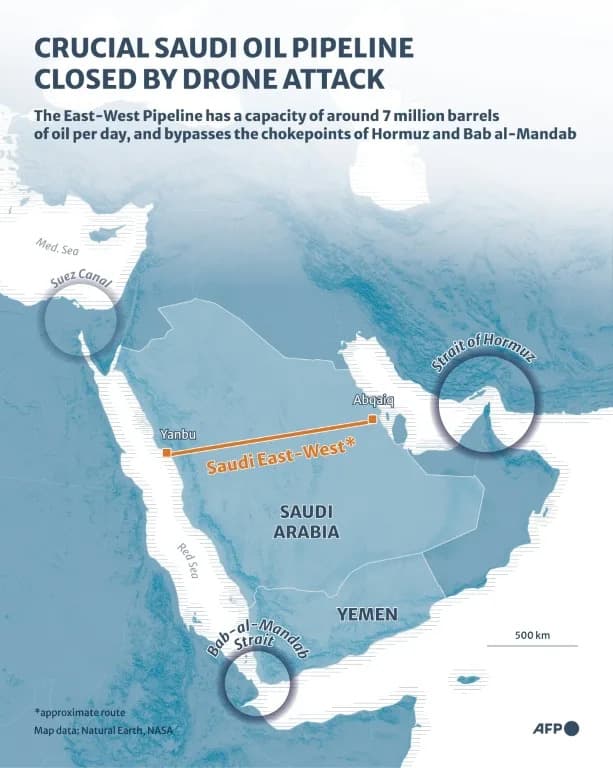
The UN Refugee Agency (UNHCR) said in a statement that the recent, rapidly escalating hostilities have internally displaced in excess of 100,000 people and driven thousands to risk the dangerous crossing of the Bab al‑Mandeb strait toward Djibouti in search of safety. UNHCR reported that more than 2,400 people made that sea crossing in the past four days, with the majority of arrivals being women, children and older people.
Humanitarian Needs and Funding Shortfall
UNHCR warned the violence could trigger a broader humanitarian crisis as displacement places severe strain on host communities that already have limited resources and services. The agency says it urgently requires approximately $14 million in new funding to meet immediate needs for families displaced inside Yemen and is seeking additional support for those arriving in Djibouti.
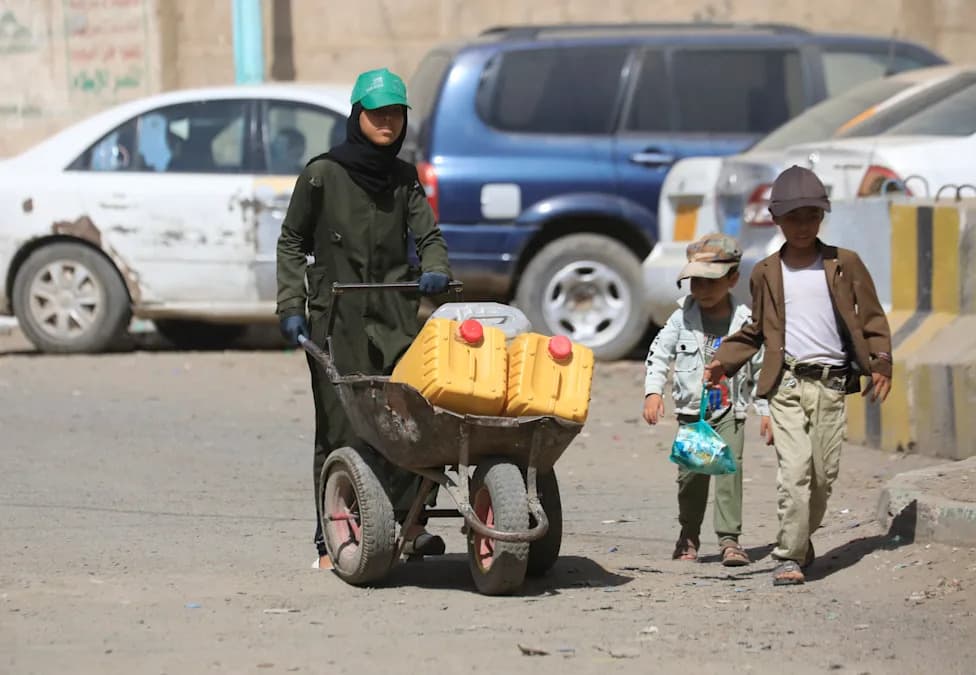
Many families fled at short notice with few belongings. Shelter, food, clean water, health care and protection services are among the most urgent needs, as receiving communities and displacement sites become overstretched.
UNHCR also noted that more than 65,000 registered refugees and asylum seekers already inside Yemen—mostly from Somalia and Ethiopia—face heightened risks from the intensified fighting.
Strategic Impact
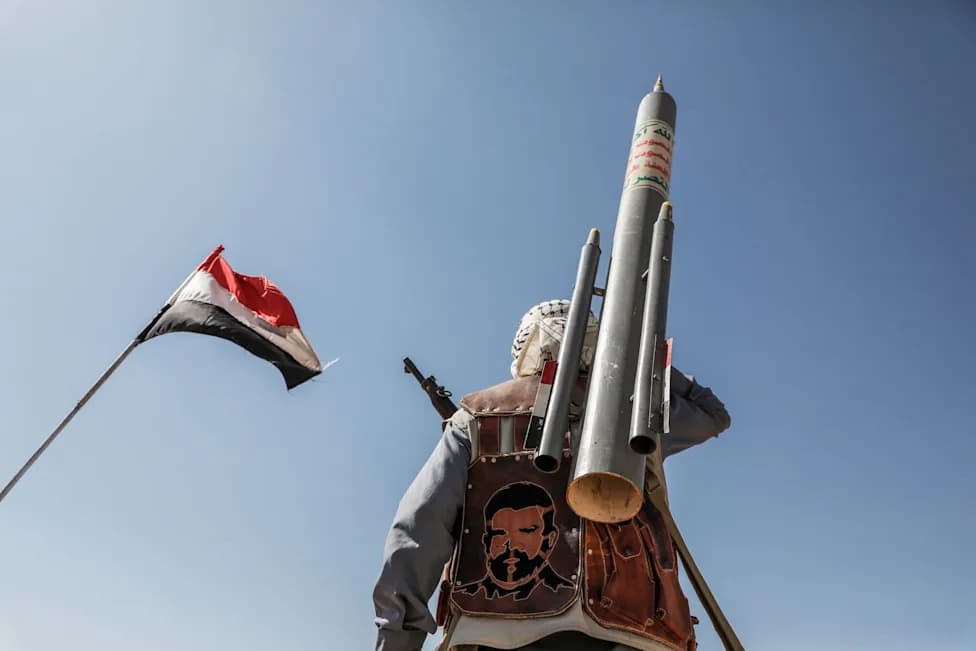
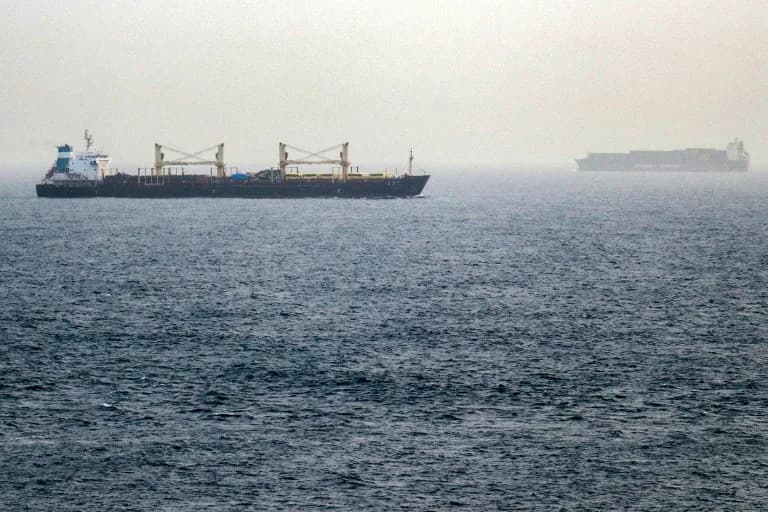
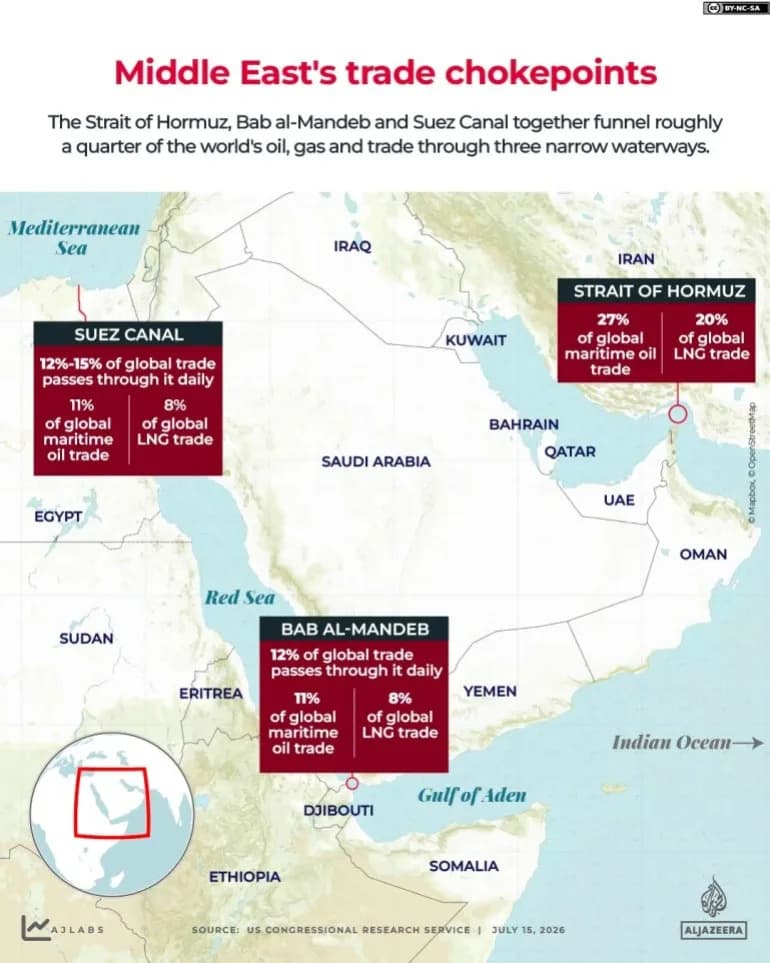
The displacement followed a rapid Houthi advance in which the group seized large sections of Yemen's Red Sea coast, consolidating control over the Bab al‑Mandeb passage. That strait is a strategic maritime corridor linking the Red Sea to the Gulf of Aden and is critical for international shipping.
Voices from the Ground
"They are being blocked and shot at, so they are trapped inside their homes. They are cooking only rice, no bread, nothing else. My daughters called me saying they want to join us, but it has become too difficult," said Aisha Muhammad, a woman displaced from a village near the port city of Mocha.
"You could barely take your children and the fewest essentials with you. We were terrified of the shelling and sniper fire, and you just flee as quickly as you can out of fear for your children and your family," said Hussein Haydara, displaced from Hodeidah.
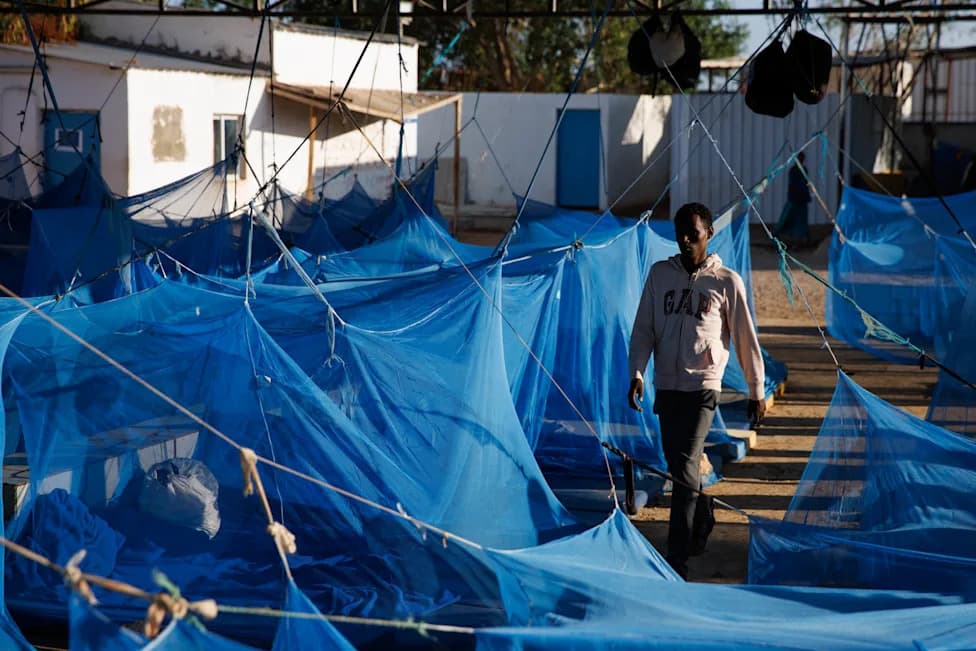
Sandrine Desamours, UNHCR's representative in Djibouti, described recent arrivals as "exhausted, distressed and carrying what little they could take with them," underscoring the urgent need for shelter, medical care and protection services.
What Happens Next: Humanitarian agencies are calling for rapid funding, expanded reception capacity in Djibouti and greater access for aid workers in Yemen to prevent a worsening crisis as displacement continues.
Help us improve.