Renewed fighting in Yemen has pushed hospitals beyond capacity, leaving malnourished children, pregnant women and other vulnerable patients without timely care. Supply routes and aid access have been disrupted after Houthi advances and the seizure of Red Sea ports, while staff shortages and seized facilities compound the crisis. Aid groups warn that trauma cases are being prioritized as fewer than 10% of affected centers can provide full trauma services.
Yemen’s War Returns: Hospitals Overwhelmed as Health System Nears Collapse
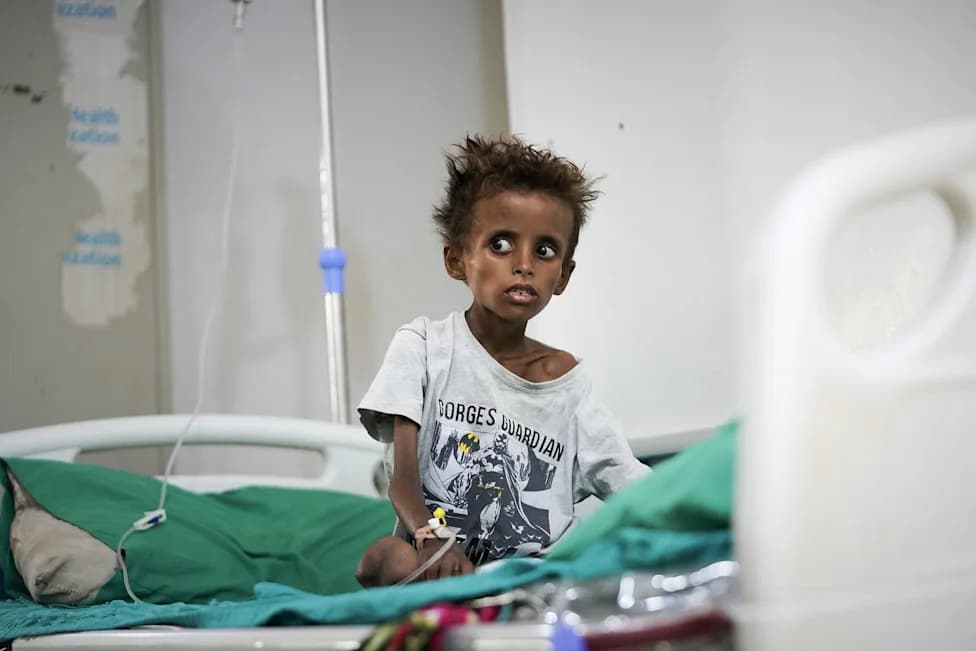
Seven-year old Tarek al-Salami receives treatment at a therapeutic feeding center on the western outskirts of Aden, Yemen, on Tuesday. (Abdulnasser Alseddik / AP )
Tarek al-Salami, a frail 7-year-old in only a diaper, arrived at hospitals exhausted and weakened by severe malnutrition and diarrhea—a case that would normally have been treated within days. But after his father carried him on foot from the southwestern port city of Mokha as Iran-backed Houthi forces swept through the area, the health system he reached was unable to help quickly. A hospital in government-held Aden—about 270 kilometers (170 miles) away—had no beds. Tarek was eventually admitted to a therapeutic feeding center, but only after the delay left him in what the center's director called an "acute crisis." More than a week passed before he could walk again.
Health System Strained to Breaking Point
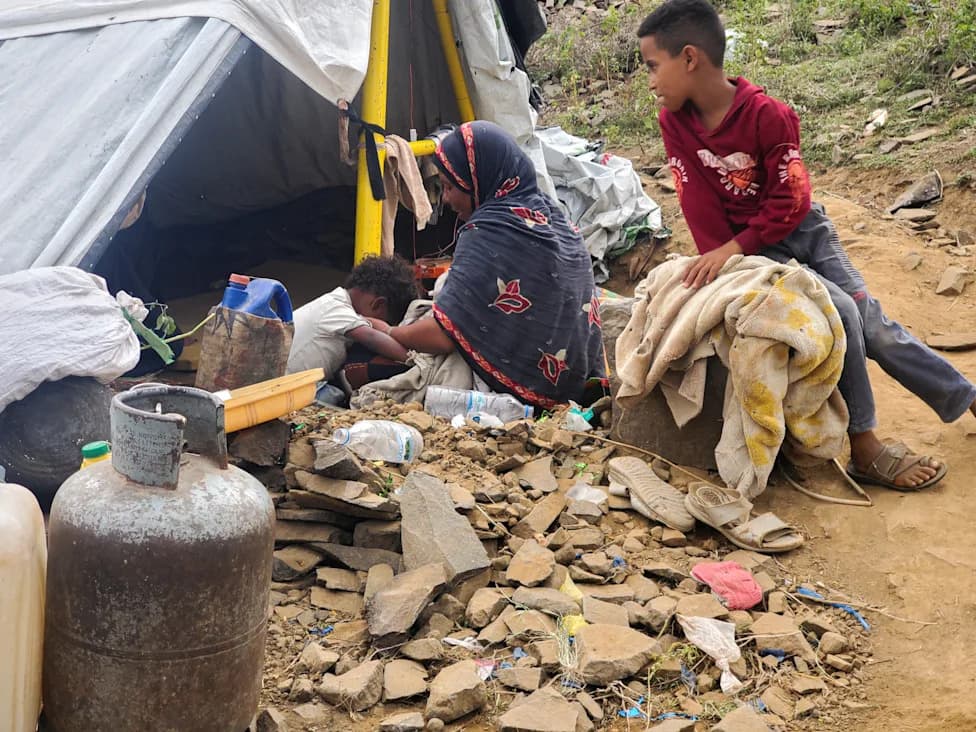
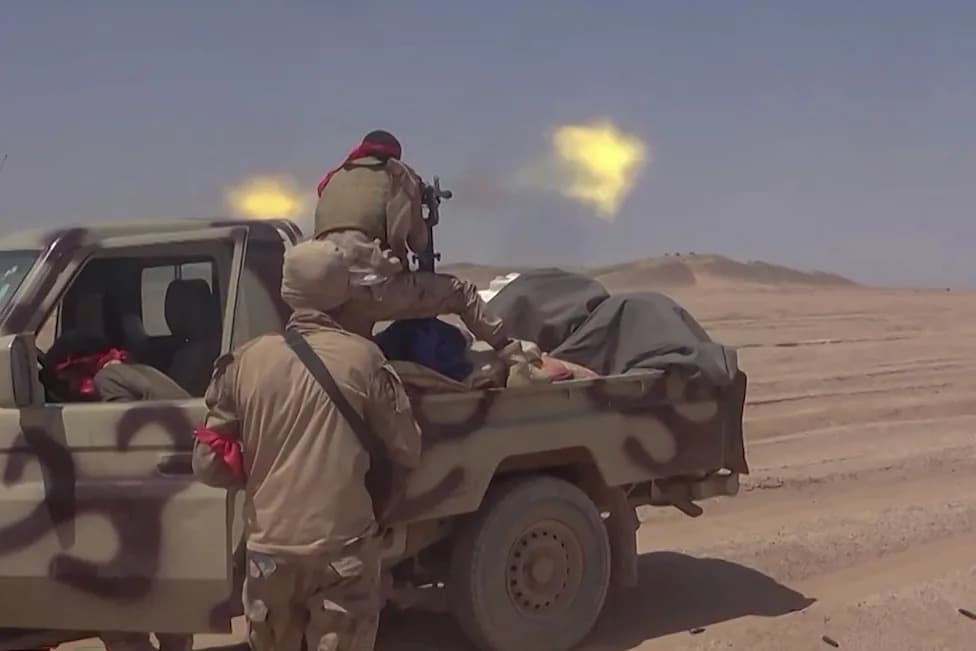
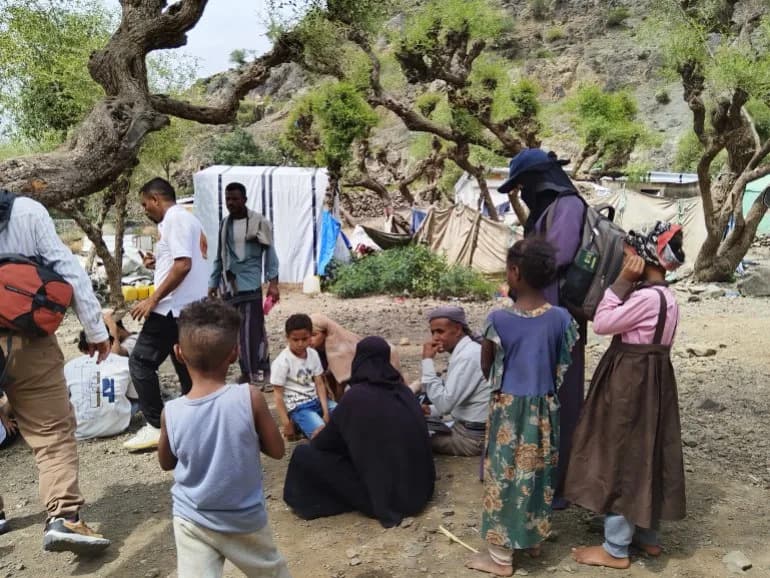
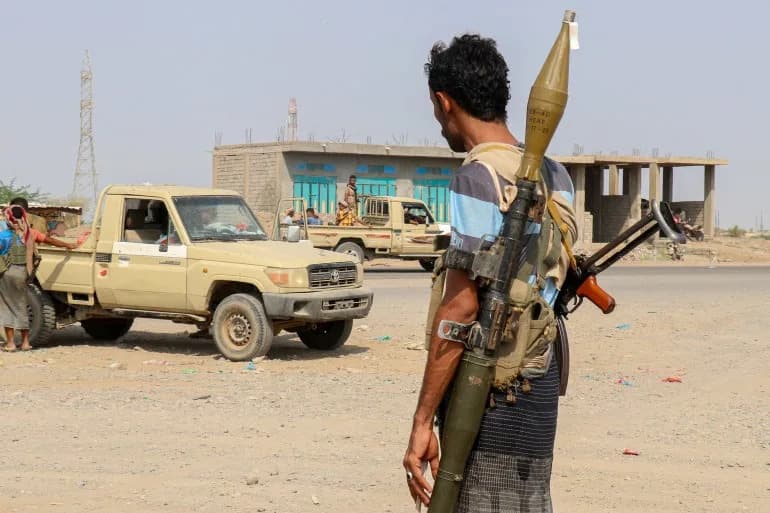
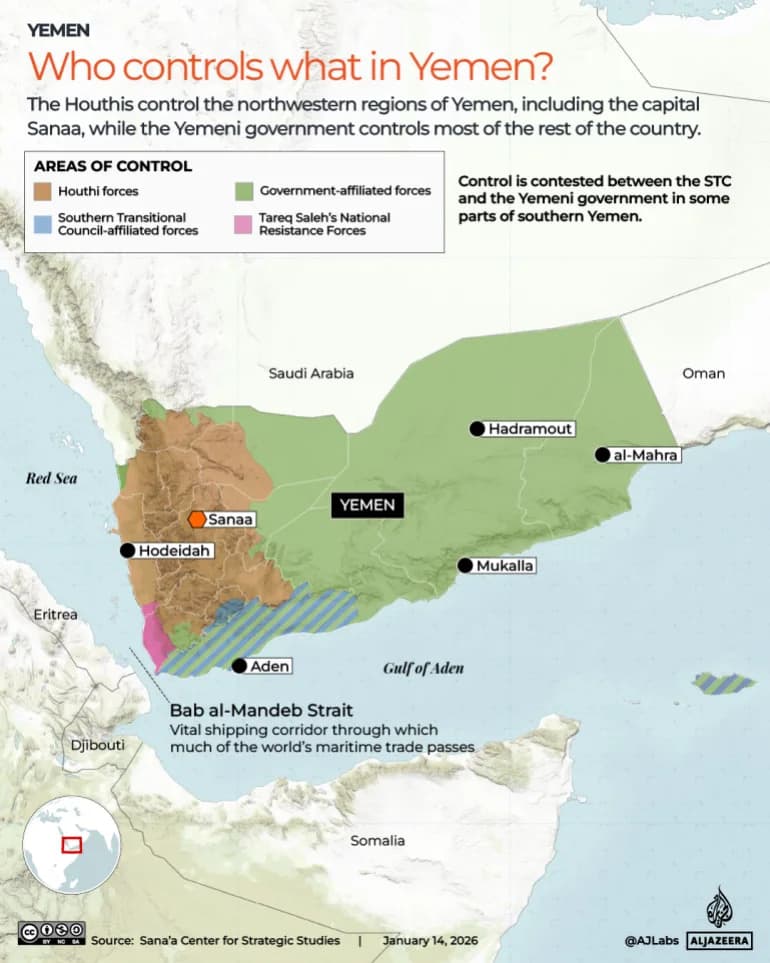
The renewed fighting has pushed Yemen's already fragile health services to the brink. Medicines and supplies are dwindling, staff are fleeing or are unable to reach facilities, and some hospitals have been overtaken by fighting. Aid groups and U.N. agencies warn that access to hard-hit areas is shrinking after Houthi forces seized stretches of the Red Sea coast and key aid ports.
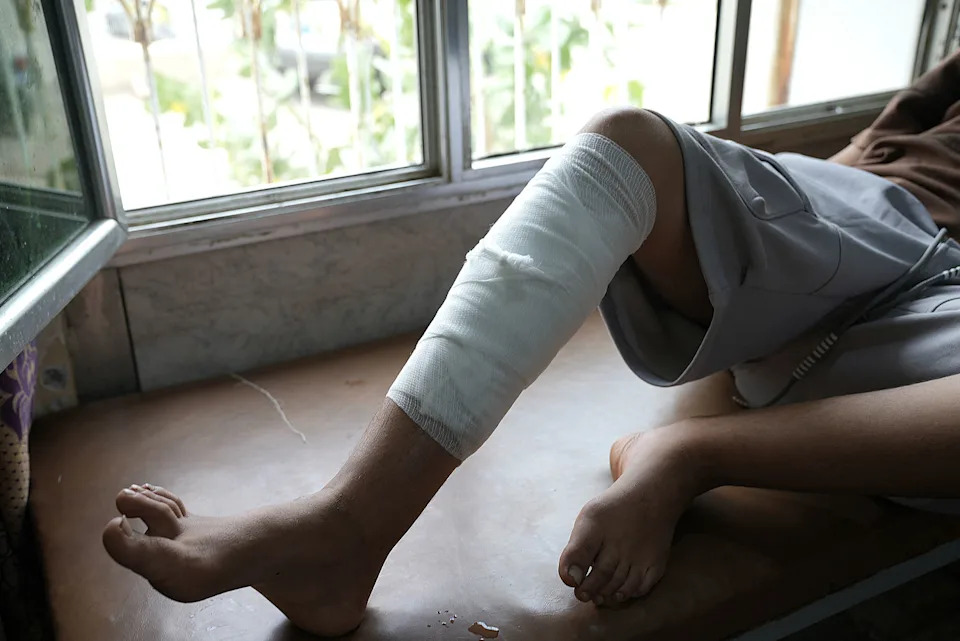
A wounded child at a hospital in Taiz, Yemen, earlier this month. Some health centers are turning pregnant women and others in need away to focus on trauma patients. (AFP via Getty Images)
"We can't keep up with the situation," said Dr. Arwa Atef, director of the feeding center where Tarek recovered. "When I look at him, my heart breaks."
Trauma Care Prioritized, Routine Care Disrupted
With hundreds of wounded arriving from battle zones, many facilities are prioritizing trauma patients. Some centers are turning away pregnant women and others with urgent non-trauma needs. Vulnerable children are filling incubators and sharing beds as staff struggle to cope.
The World Health Organization reports that fewer than 10% of affected health centers are fully equipped to provide the trauma services now demanded by the surge in casualties. The U.N. Population Fund warns that pregnancy-related emergency care has declined in availability even as roughly 2,000 pregnant women are on the move and more than 200 are expected to deliver in the coming days.
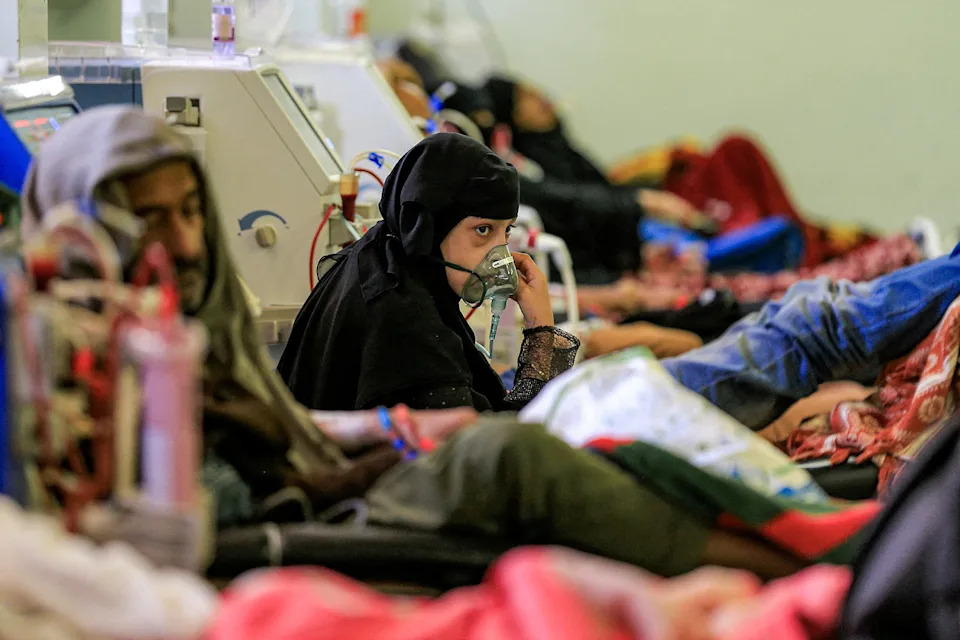
A young dialysis patient at al-Thawra hospital in Sana'a, last month. (Mohammed Huwais / AFP via Getty Images)
Regional Examples of Shortages and Risk
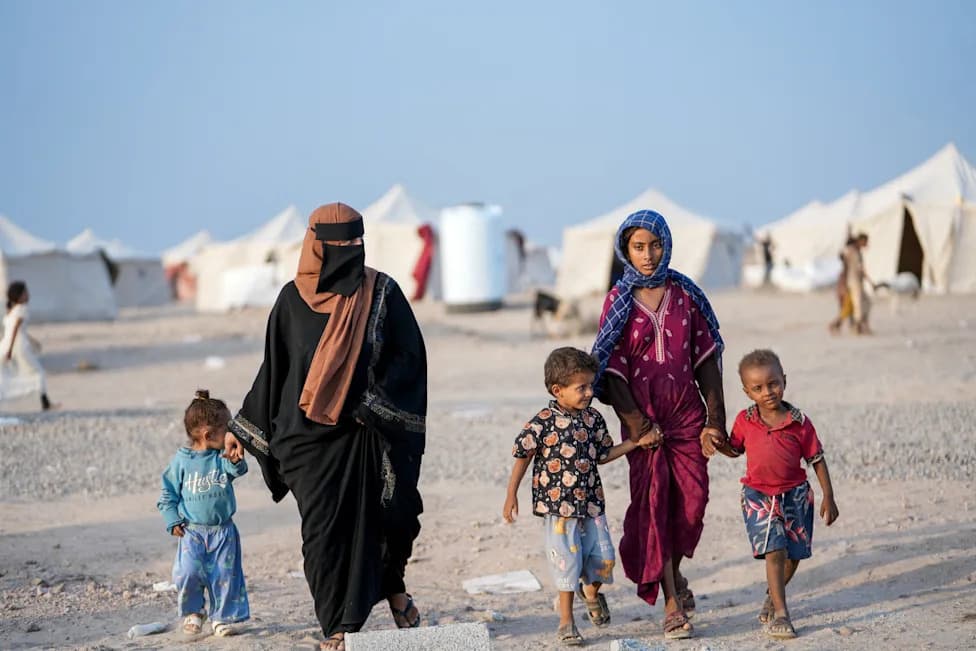
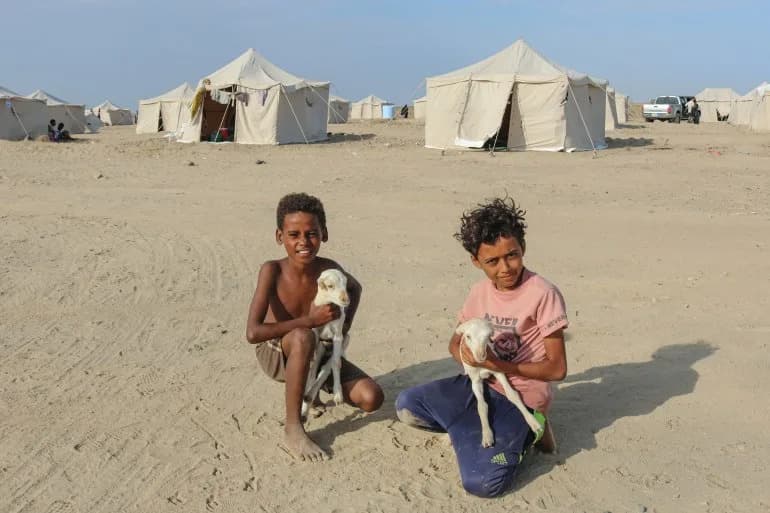
In Taiz province—the main destination for the newly displaced—officials said hospitals received roughly 635 casualties, including 112 bodies, after the fall of Mokha. Three of Taiz's 17 hospitals are reported no longer under government control. Medical supplies and fuel are low after supply routes were cut, forcing convoys onto dangerous mountain roads unsuitable for large trucks.
In Marib, the Martyr Mohamed Hayel hospital reports a rise in emergency maternity cases as other hospitals concentrate on the wounded. The facility lacks intensive-care specialists and sufficient generators to power all departments during outages. At the Yemeni-Swedish Maternity and Children's Hospital in Taiz, incubators are full and two or three children sometimes share beds in the emergency room.
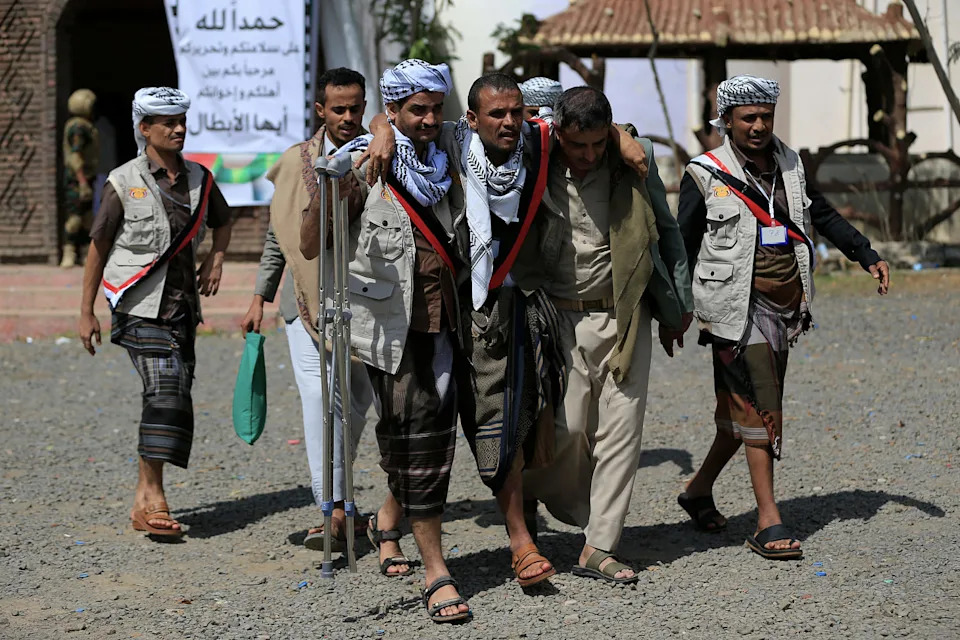
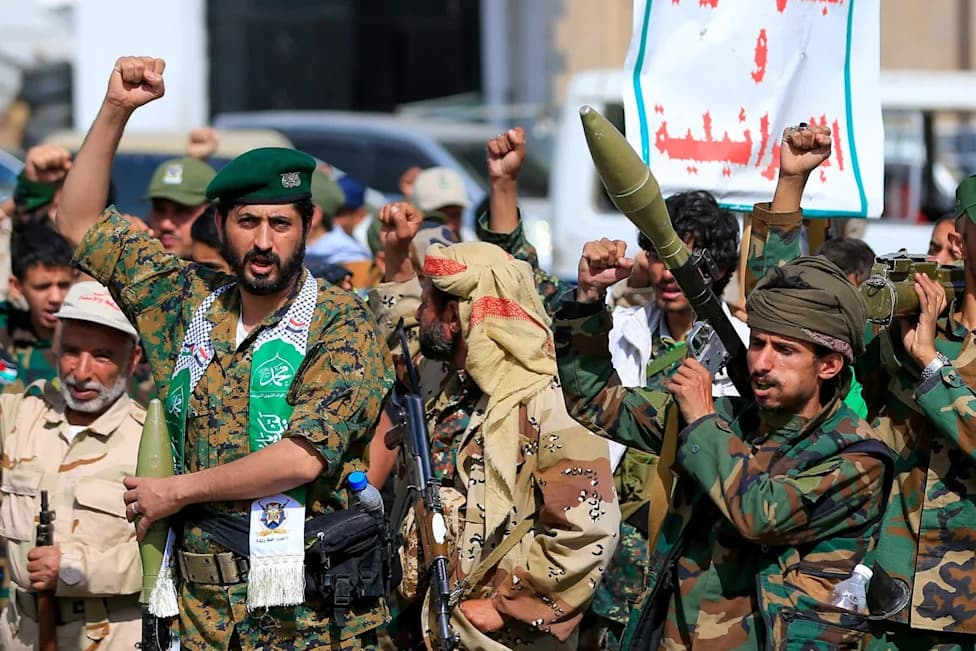
Houthi loyalists help an injured comrade in Sanaa, earlier this month. Some medical workers have fled the conflict, making it harder to find care. (Mohammed Huwais / AFP via Getty Images)
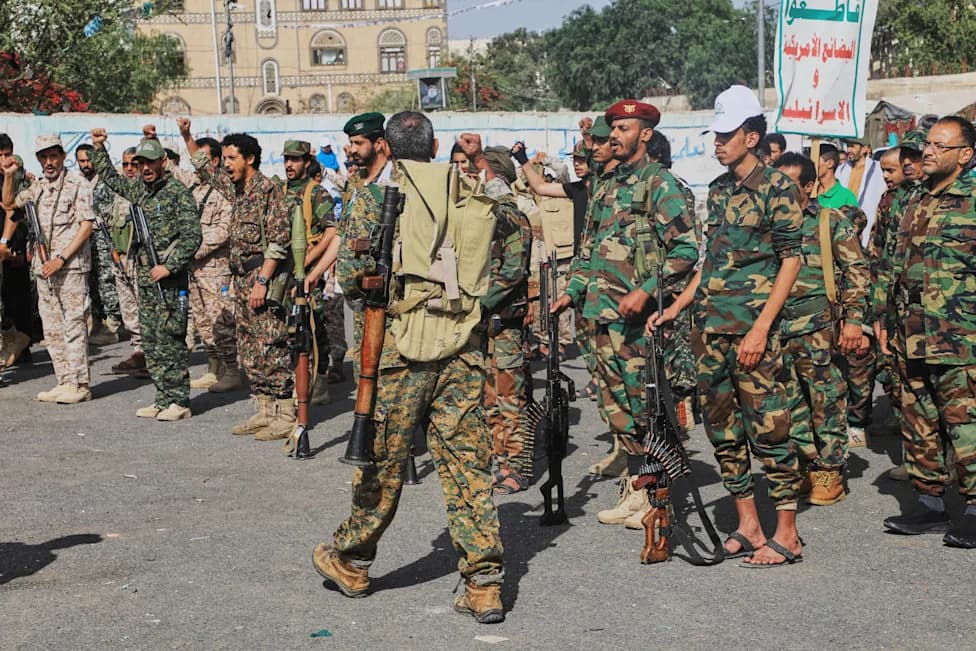
Hospitals in Aden are also strained: Doctors Without Borders reported more than 60 wounded admitted to Al-Gamhouria hospital in a single week, many requiring operations or transfusions. In Houthi-held Sanaa, a private hospital treating fighters said it was overwhelmed with hundreds of wounded.
Aid Access Hampered, Resupply Difficult
Humanitarian operations face additional obstacles: aid workers have been detained or harassed in rebel-held areas, and observers say the Houthis have diverted revenues and struggled to pay public-sector salaries, including for medical staff. The International Committee of the Red Cross said it delivered 22 tons of medical supplies to support overwhelmed hospitals, but resupplying remains difficult where roads and ports are contested.
"We should not forget about Yemen," said Emmanuel Massart of Doctors Without Borders, noting the country remains among the world's worst humanitarian crises. Health officials warn that if shortages and insecurity continue, more facilities may be forced to close in days to weeks.
Note: Reporting from patients, health workers and aid groups was cited in the original coverage. This article was originally published on NBCNews.com.
Help us improve.