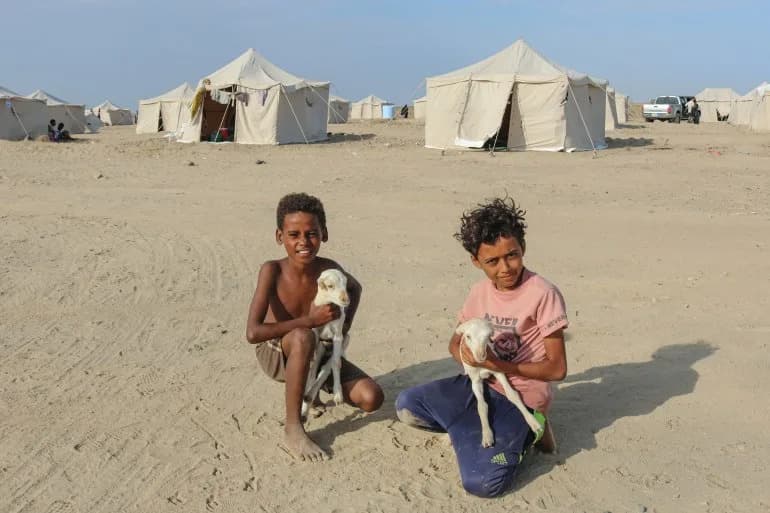
The World Food Programme is accelerating relief efforts in Yemen after Houthi fighters seized parts of the Red Sea coast, displacing tens of thousands and causing nearly 700 deaths. WFP has reached about 60,000 people so far but warns that over 18 million Yemenis face acute food insecurity and some 2.2 million children under five are malnourished. Operations are hampered in Houthi-controlled areas where UN offices and assets have been seized, and WFP says severe underfunding threatens further cuts to life-saving aid.
WFP Scales Up Aid In Yemen As Houthi Advance Sparks Displacement And Hunger Fears
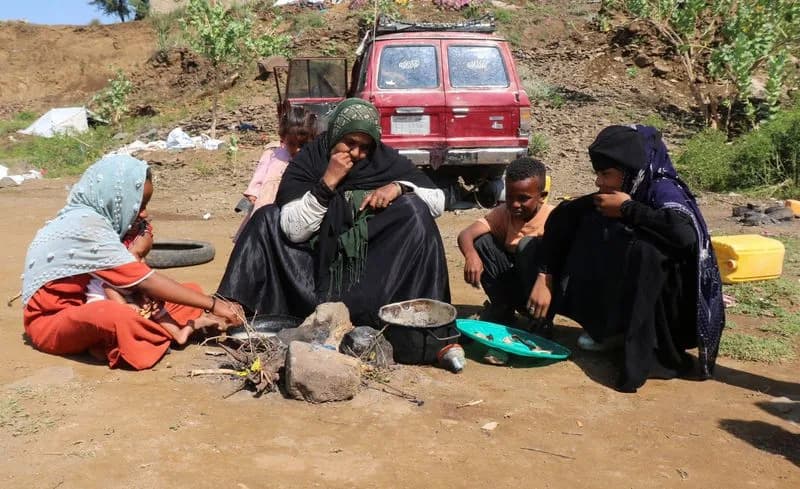
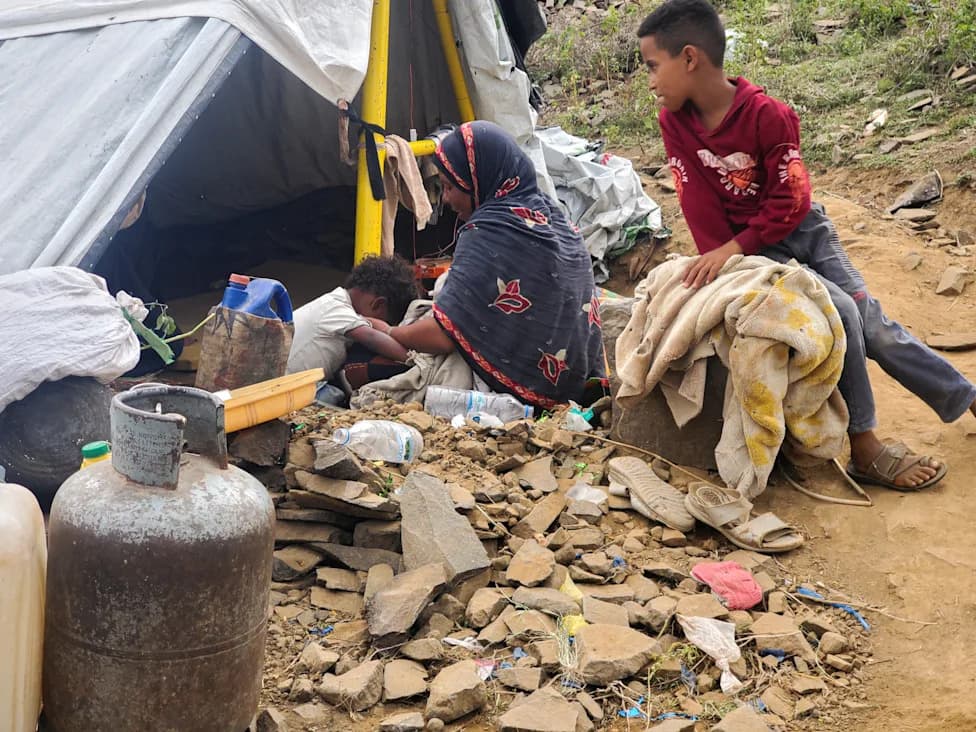
A displaced woman, Nabiha Salem, eats with her children at a makeshift camp for people displaced by clashes between Iran-aligned Houthi fighters and Saudi-backed Yemeni government forces, in Taiz province, Yemen September 21, 2026. REUTERS/Stringer
The World Food Programme (WFP) said on Monday it is intensifying relief efforts in Yemen as Houthi fighters seized parts of the country's Red Sea coast, displacing tens of thousands and stretching humanitarian resources to the breaking point.
Rising Casualties and Mass Displacement
According to the United Nations, nearly 700 people have been killed and thousands injured as the group advanced. More than 120,000 Yemenis have been displaced inside the country and several thousand more have fled by boat across the Red Sea to Africa.
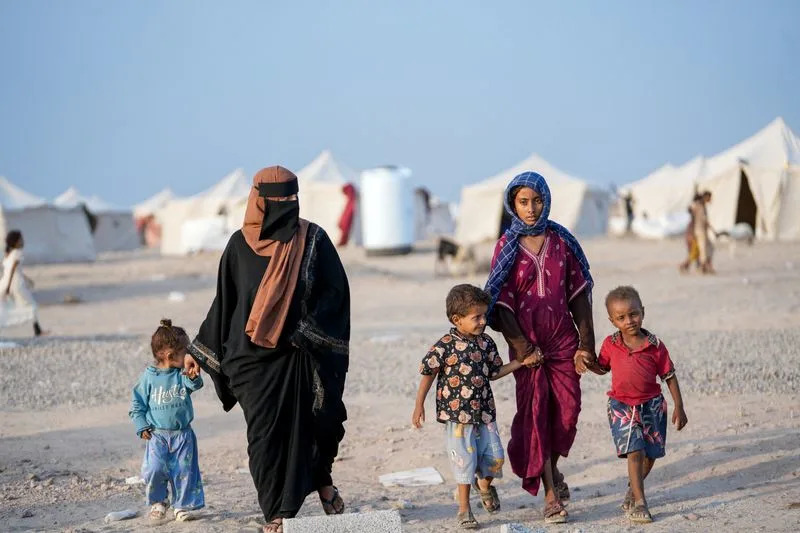
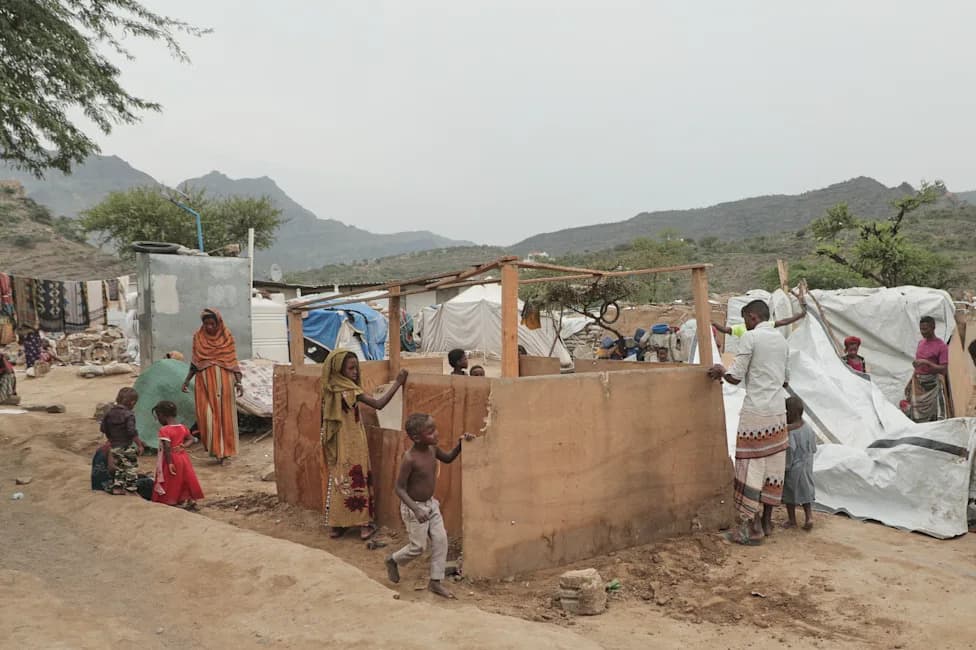
Women and children, who fled fighting between the Houthis and government forces in Red Sea coastline areas, walk at a camp for internally displaced people near Aden, Yemen, September 19, 2026. REUTERS/Stringer
WFP Response And Operational Challenges
WFP Acting Executive Director Carl Skau told Reuters at the United Nations General Assembly in New York that the agency has so far supported around 60,000 people with hot meals and food commodities and is "building up our pipeline to respond to hundreds of thousands more."
"People are not eating enough, there is no healthcare, and these are the places where you now see tens of thousands of newly arrived people with nothing, and having had their lives disrupted," Skau said.
The crisis compounds an already dire situation: WFP data indicate more than 18 million people—roughly half of Yemen's population—face acute food insecurity, and about 2.2 million children under five are acutely malnourished.
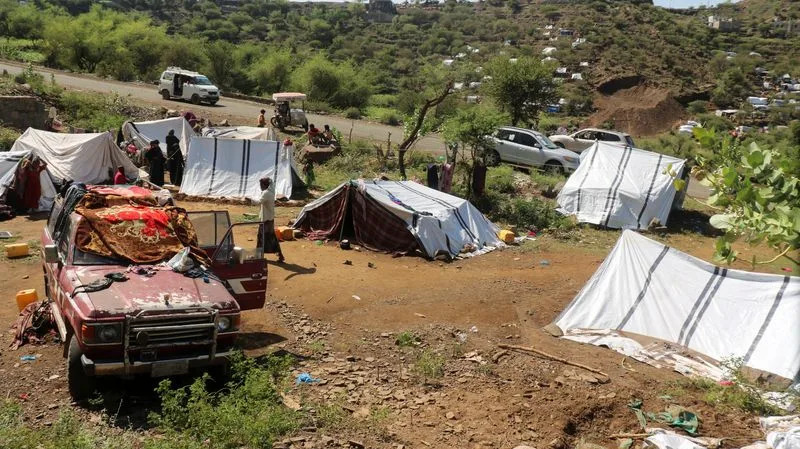
A man walks at a makeshift camp for people displaced by clashes between Iran-aligned Houthi fighters and Saudi-backed Yemeni government forces, in Taiz province, Yemen September 21, 2026. REUTERS/Stringer
Access, Imports And Funding Shortfalls
Skau emphasized Yemen's dependence on food imports—"90% of the food in Yemen is imported"—and warned that disruptions to ports and airports are directly worsening food security. He also described severe operational constraints in Houthi-controlled areas, where WFP offices have been occupied, assets confiscated and dozens of UN staff detained.
"Our offices in the north are occupied by the Houthi de facto authorities, and our assets are still confiscated, so under such circumstances it's very difficult for us to operate," Skau said.
The Swedish diplomat noted that WFP, the UN's largest agency by budget, is severely underfunded and has had to cut back life-saving aid. He said he would press for additional funding while nearly 130 heads of state gather in New York for the General Assembly.
Implications: The offensive has widened the regional conflict, threatened global energy supplies and disrupted maritime trade—factors that could further exacerbate food and humanitarian needs in Yemen if access and funding do not improve.
Help us improve.