The White House and several tech firms have proposed rebranding "AI" as "Super Intelligence," but a YouGov poll cited by Axios finds most Americans prefer the traditional term. Fifty-three percent favor "artificial intelligence" versus 9% for "super intelligence." The move—backed by figures like Nvidia CEO Jensen Huang and formalized in an executive order—appears aimed at easing environmental and job-related concerns, though many industry leaders and the public remain skeptical.
Most Americans Prefer 'Artificial Intelligence' Over Trump's 'Super Intelligence' Rebrand
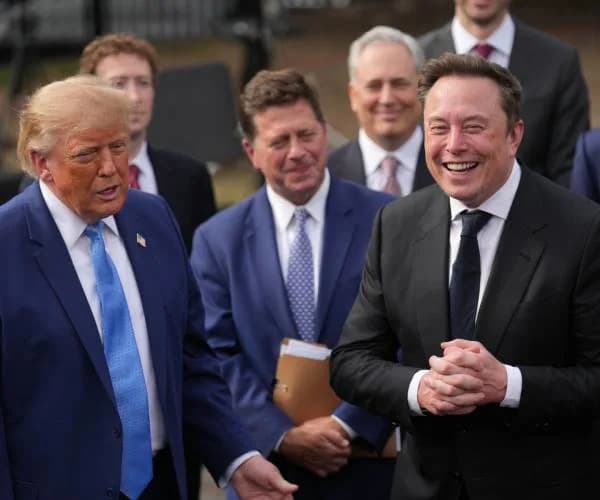
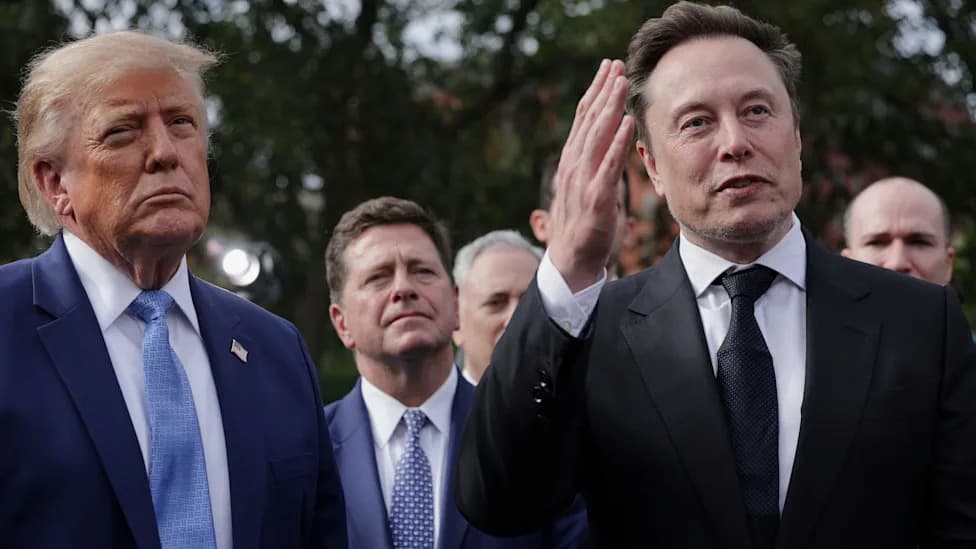
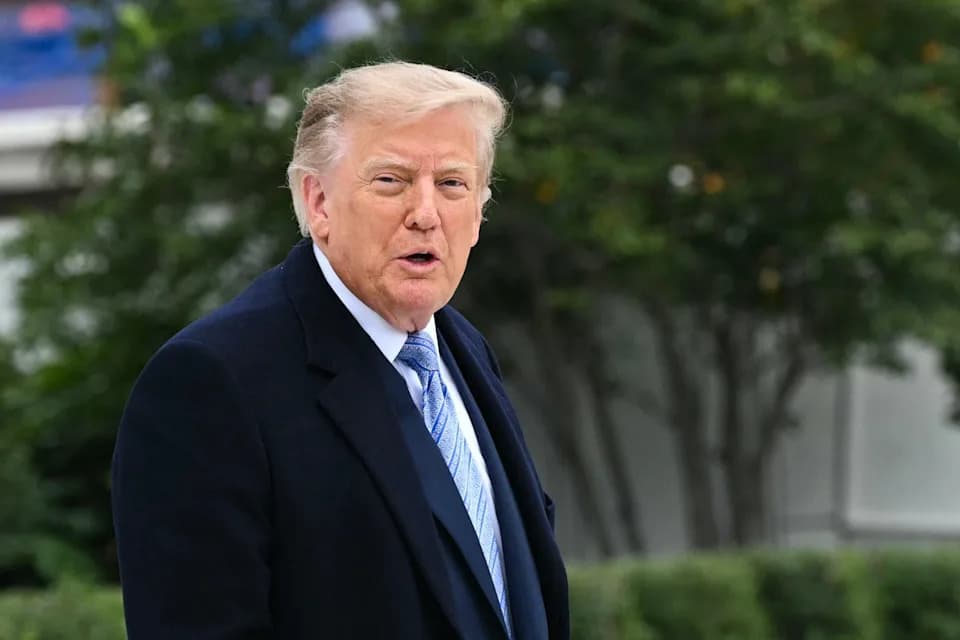
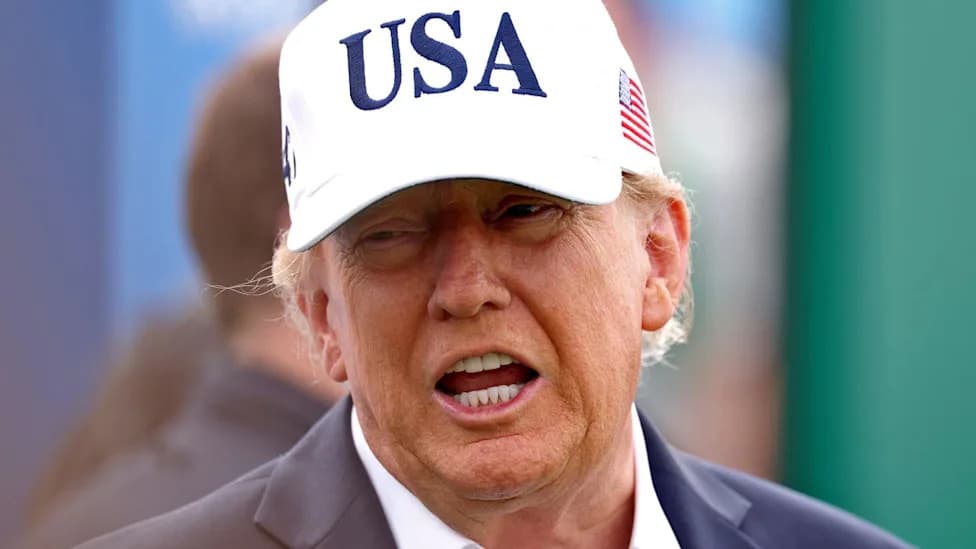
President Donald Trump and Elon Musk speak to reporters Tuesday at the White House after meeting with executives of artificial intelligence companies. (AP)
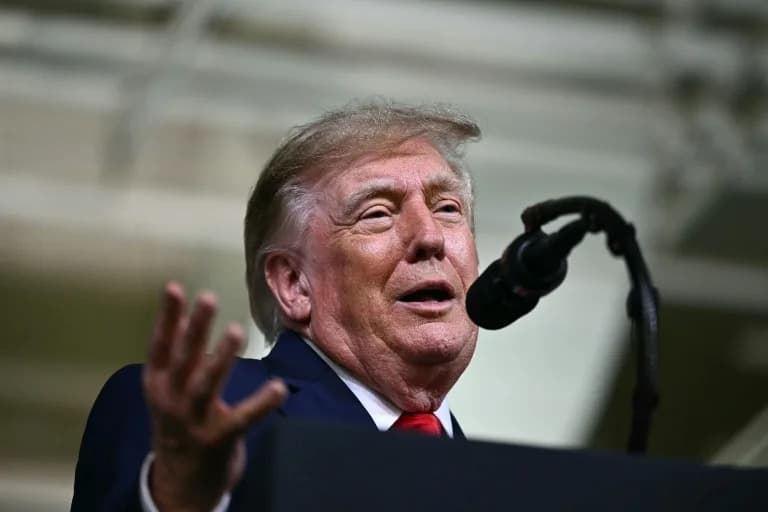
An initiative led by President Donald Trump and several major tech executives to relabel "artificial intelligence" as "super intelligence" is facing public skepticism, according to a YouGov poll cited by Axios. The rebranding push comes as the White House and Silicon Valley seek to reshape the public conversation about the technology.
What the Poll Found
Axios reported that a YouGov survey found 53% of respondents prefer the term "artificial intelligence," while just 9% favor "super intelligence." The results suggest the public is largely unconvinced by the proposed terminology change.
The White House Push
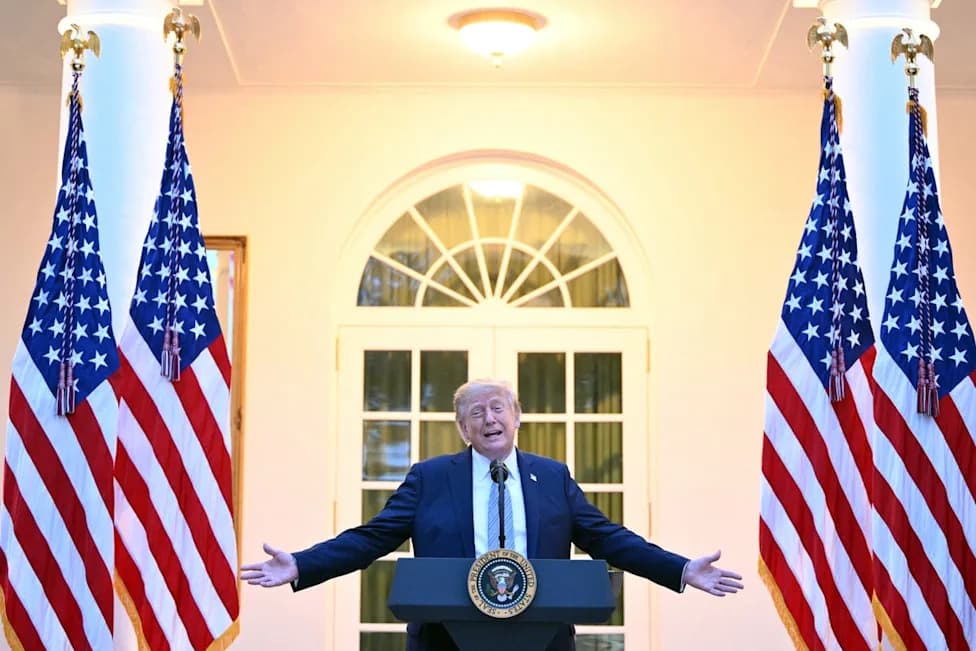
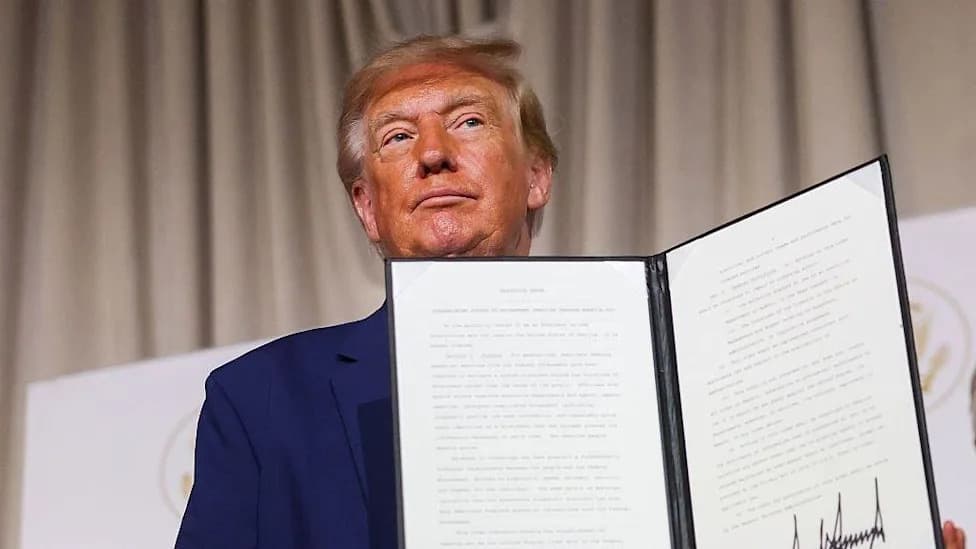
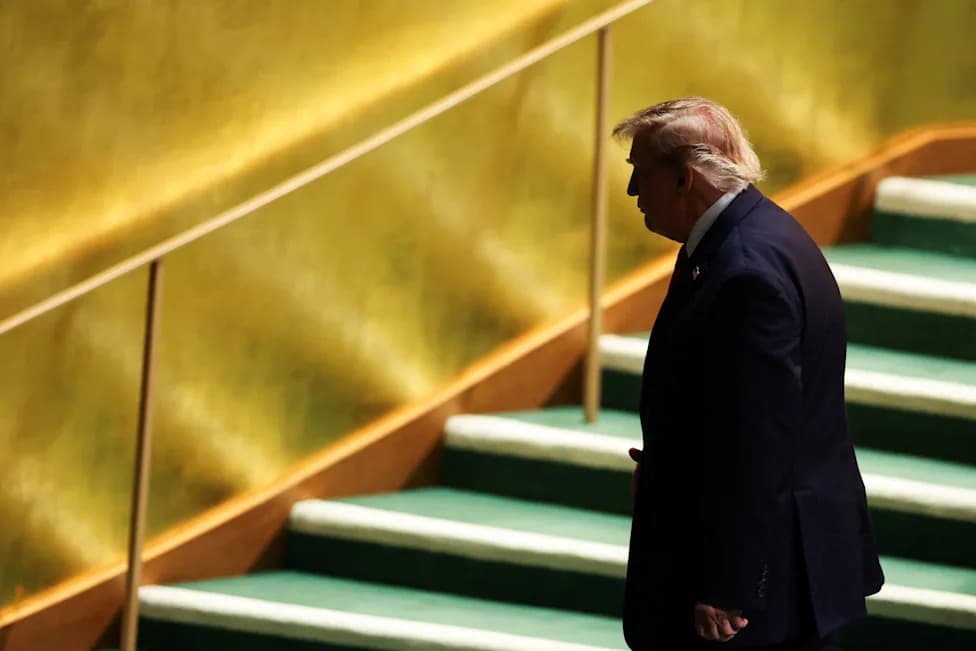
After a White House summit with executives from Google, Anthropic, Meta, OpenAI, xAI and Nvidia, President Trump issued an executive order directing executive agencies, "to the maximum extent permitted by law," to use "Super Intelligence" and the abbreviation "SI" instead of "artificial intelligence" and "AI" in official communications and nonstatutory documents.
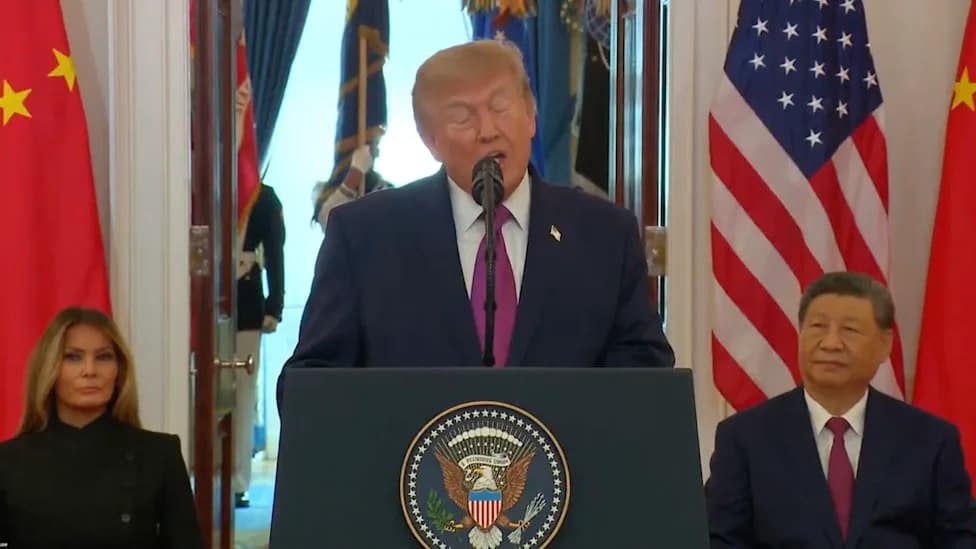
"That's not a hoax, in fact it's the exact opposite," Trump said at the summit, arguing that the word "artificial" makes the technology sound inauthentic.
Industry Reaction
Industry leaders offered mixed responses. Nvidia CEO Jensen Huang has publicly promoted the rebrand, describing data centers as "super intelligence factories," according to Axios. Some company executives told Axios they plan to use the terminology when interacting with the Trump administration and federal agencies as a government-relations tactic, though many do not expect the phrasing to catch on with the broader public.
Not every executive embraced the change. A few, such as Elon Musk of xAI, were reported to have corrected themselves mid-remarks to adopt the new term, while others continued using "AI" during summit comments. Several company representatives declined public comment, with some privately characterizing the push as a strategic communications move rather than a shift in business practices.
Public Concerns Driving the Debate
Communities nationwide have formed bipartisan coalitions opposing large data centers that power AI systems, citing high energy consumption and environmental impacts. Younger workers have also expressed concern about potential job displacement as AI systems scale. Axios reported that technology leaders view the terminology shift as an attempt to address such concerns rhetorically without making substantive operational changes.
The executive order and the broader naming effort appear aimed at reframing public perception, but current polling and mixed industry reactions indicate substantial resistance to changing long-established terminology.
Source: Axios (YouGov poll); reporting on White House summit with Google, Anthropic, Meta, OpenAI, xAI and Nvidia.
Help us improve.