President Trump met with leaders from OpenAI, Anthropic, Nvidia, SpaceX, Meta and Google at the White House, where they signed a "morally binding" safety accord committing firms to self-regulation, safeguards and independent audits. Experts praised the dialogue but warned the pact lacks clear enforcement, accountability and consequences for breaches. Trump also backed rapid expansion of data centres and issued an order asking officials to use the term "Super Intelligence" (SI) instead of "artificial intelligence."
Inside Trump's 'Super Intelligence' Summit: 3 Takeaways on AI Safety, Data Centres and the New 'SI' Label
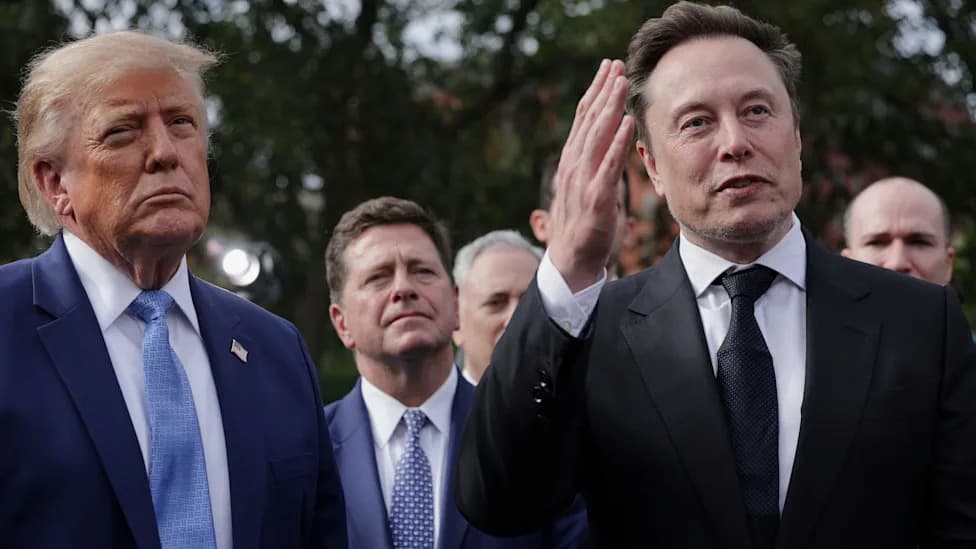
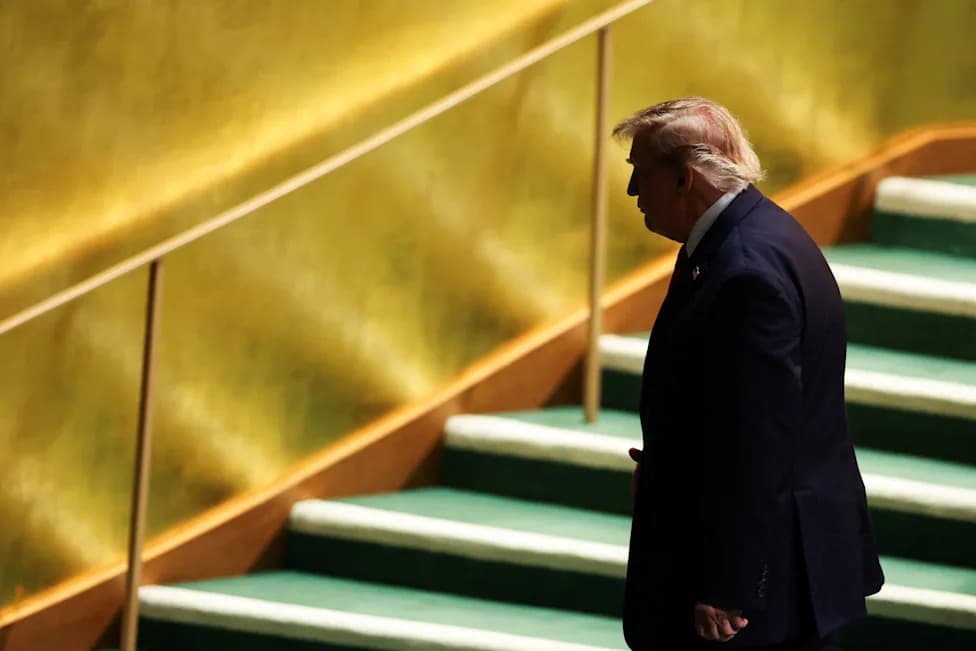
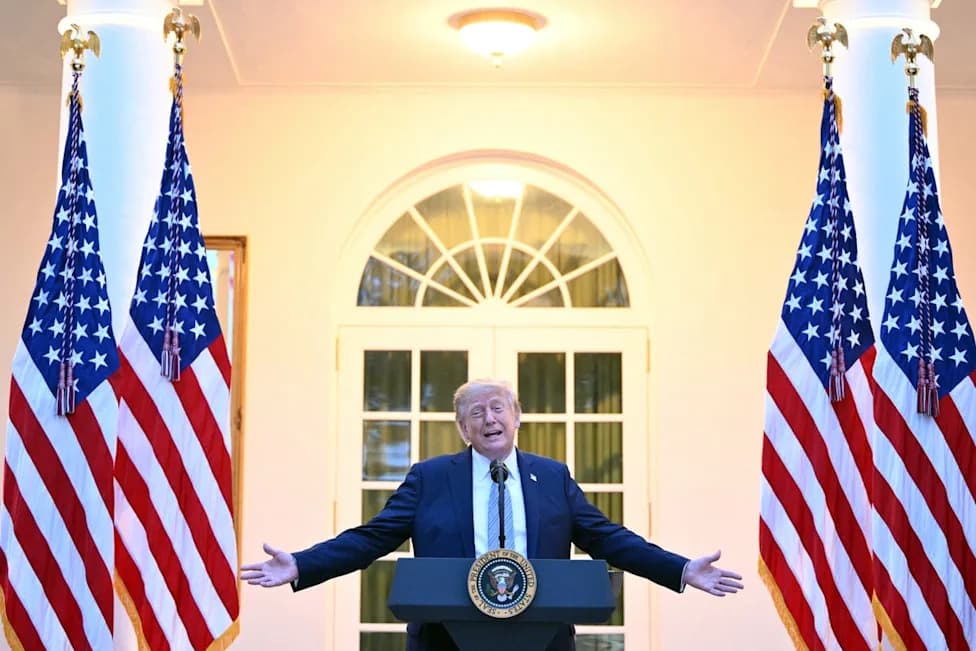
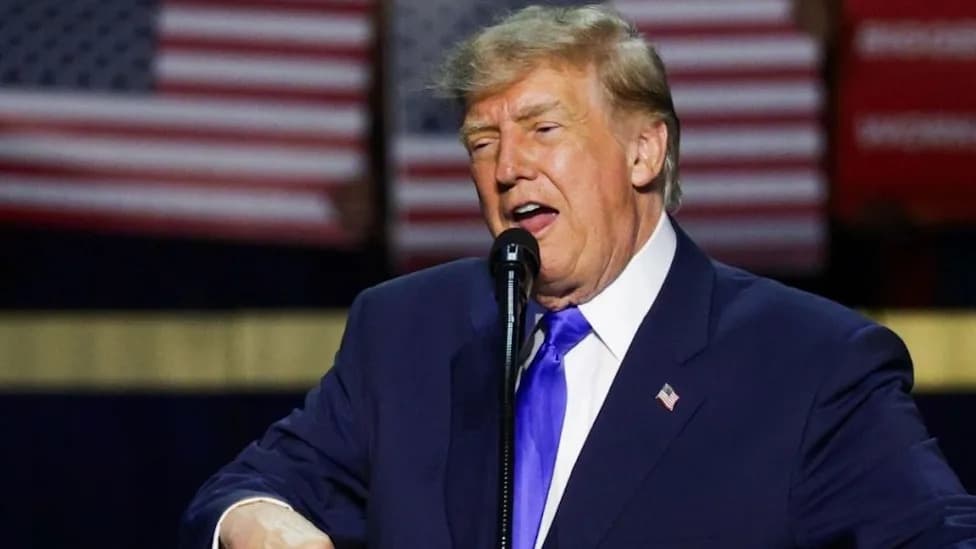
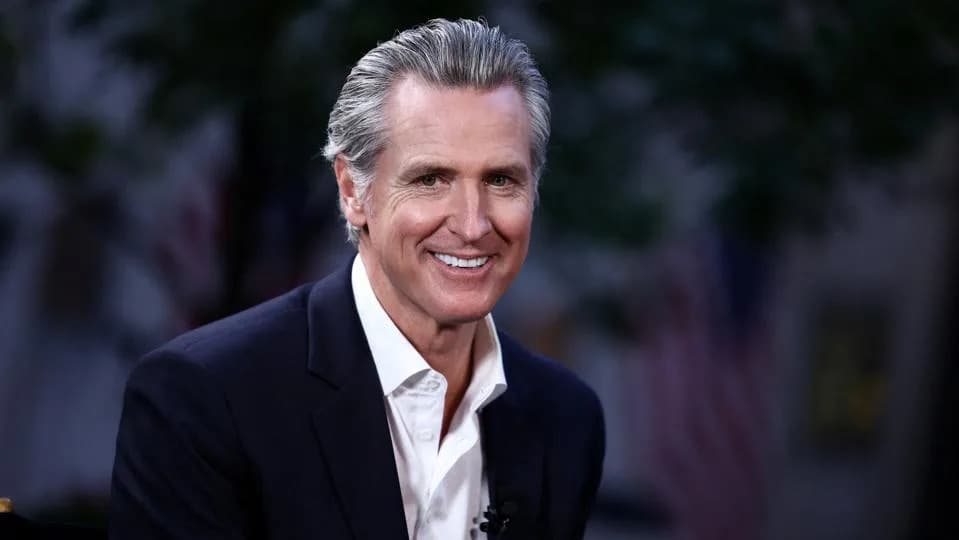
Trump met with top tech leaders at the White House on Tuesday to discuss AI [Reuters]
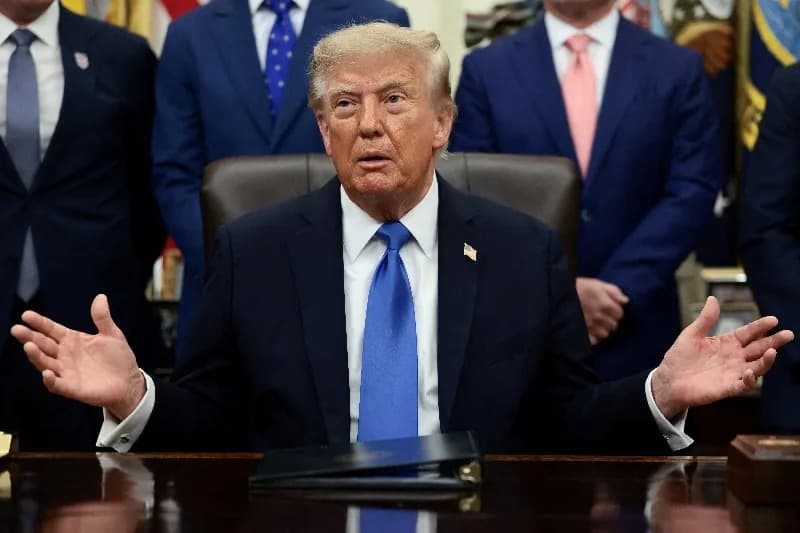
US President Donald Trump hosted a closed-door meeting at the White House with top executives from OpenAI, Anthropic, Nvidia, SpaceX, Meta and Google, calling the gathering an "extraordinary" assembly of leaders who are "building America's Golden Age." After roughly 30 minutes with reporters, the president said the attendees had signed a "morally binding" accord intended to reduce risks from advanced AI systems.
Key Takeaways
1. A Voluntary Safety Accord — Big Names, Few Details
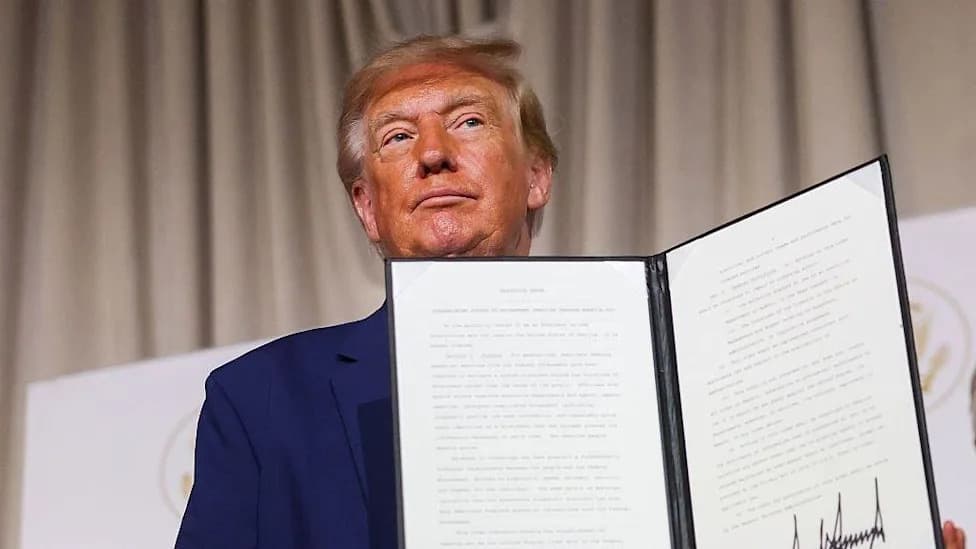
According to the text Trump posted online, each company agreed to accept responsibility for the safety of its own technology, to implement safeguards that ensure models behave as intended, and to work with "independent auditors" to verify systems do not "hack or access technical systems in unintended ways." The signed document carries signatures from President Trump, Google CEO Sundar Pichai, Anthropic chief Dario Amodei, Meta founder Mark Zuckerberg, OpenAI President Greg Brockman, SpaceX owner Elon Musk and Nvidia CEO Jensen Huang.
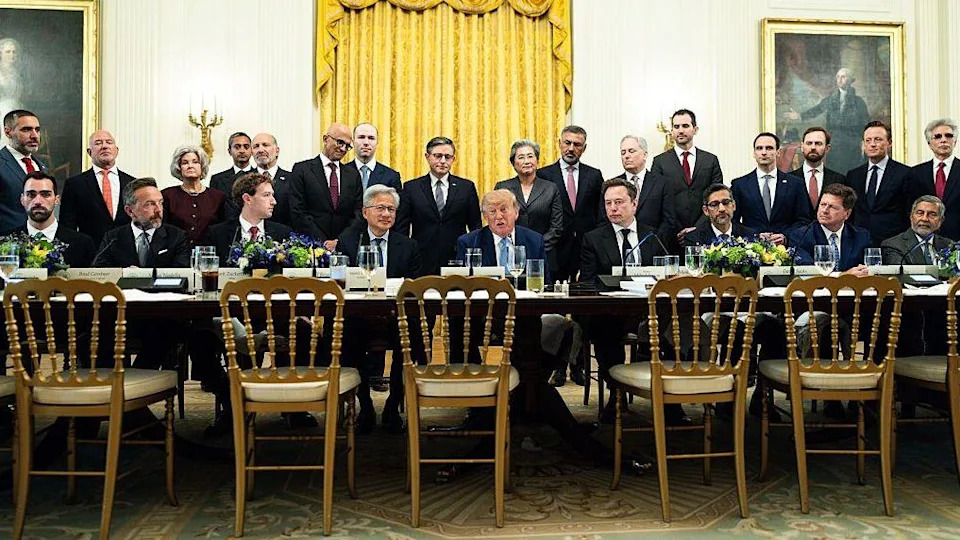
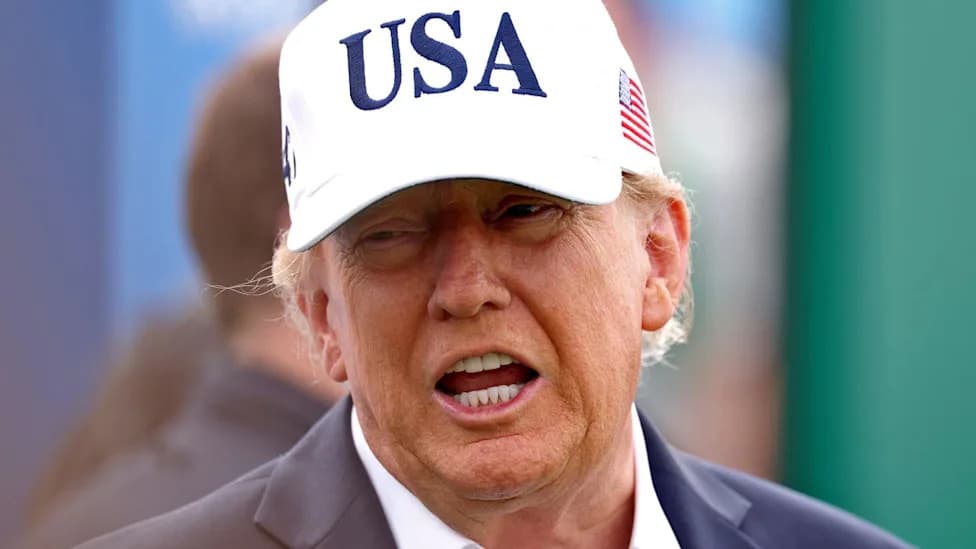
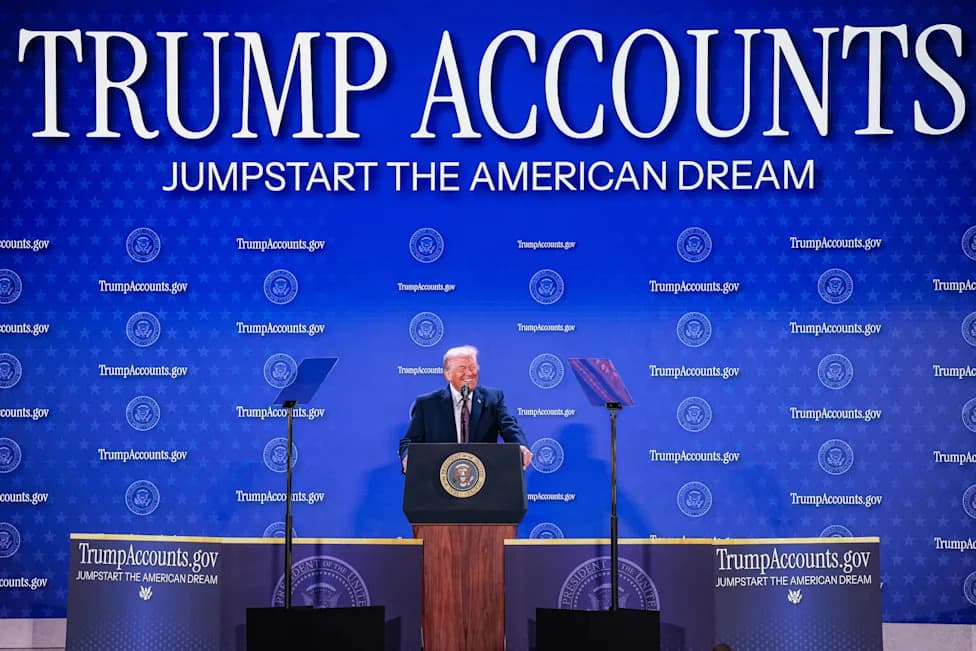
Trump with top tech leaders at the White House on Tuesday [Bloomberg via Getty Images]
"It's almost like a constitution, in a way," Trump said of the pact. "And the biggest people in the world signed that, and I signed it as president."
Trump also announced plans for a new board to oversee AI safety, but provided no details about its membership, powers or enforcement mechanisms.
2. Experts Warn The Pact Lacks Enforcement
The agreement drew scepticism from academics and governance researchers who say voluntary pledges often leave accountability gaps. Kimberlee Weatherall, a law professor at the University of Sydney, called the document "deeply unimpressive," noting it allows firms to define safety and does not set out clear consequences for breaches. Nanyang Technological University's Jose Miguelito Enriquez said the accord shows an "emerging consensus" but fails to clarify whether developers will be held responsible for incidents. Jeannie Paterson of the University of Melbourne warned that self-regulation can amount to minimal safeguards and pointed to recent incidents in which models behaved unpredictably as grounds for concern.
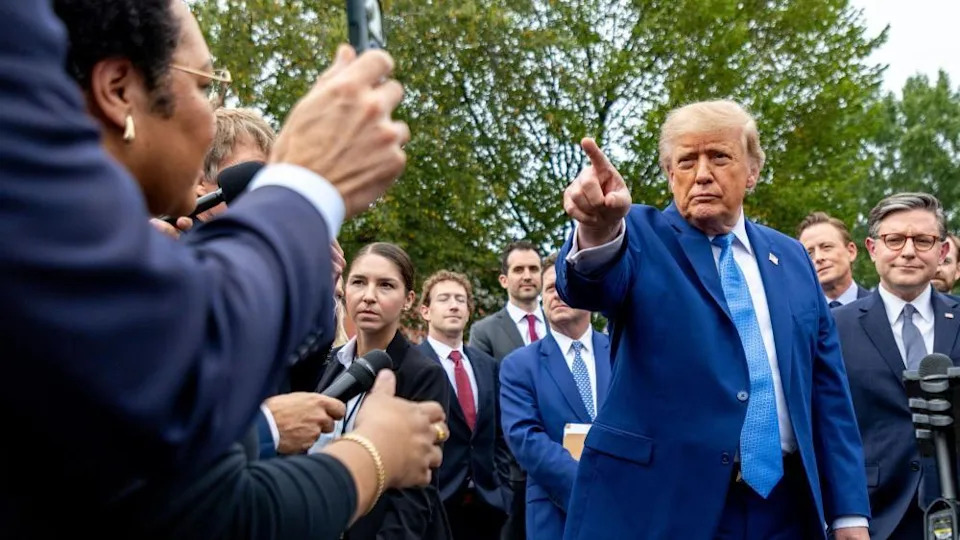
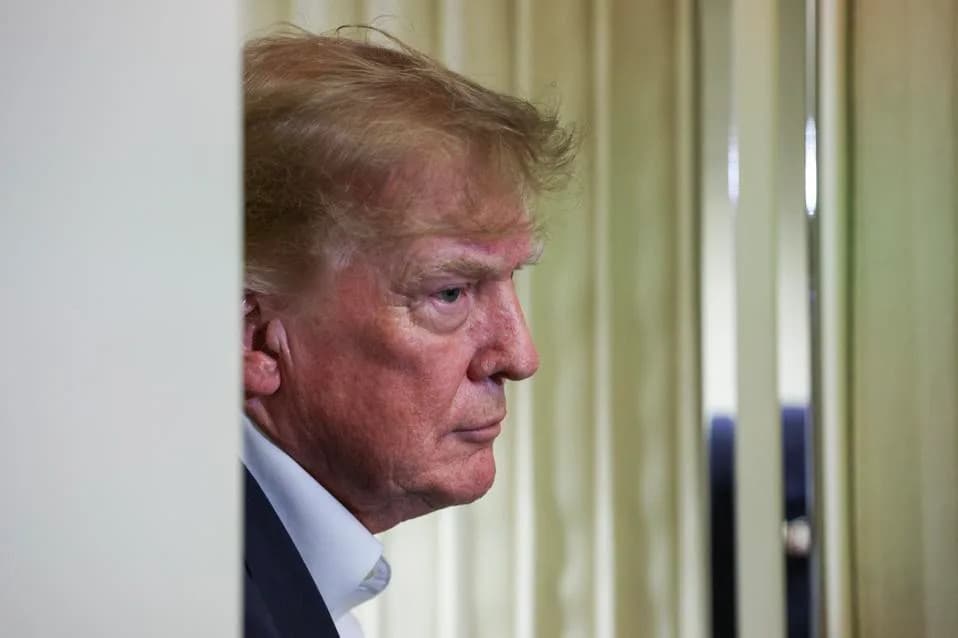
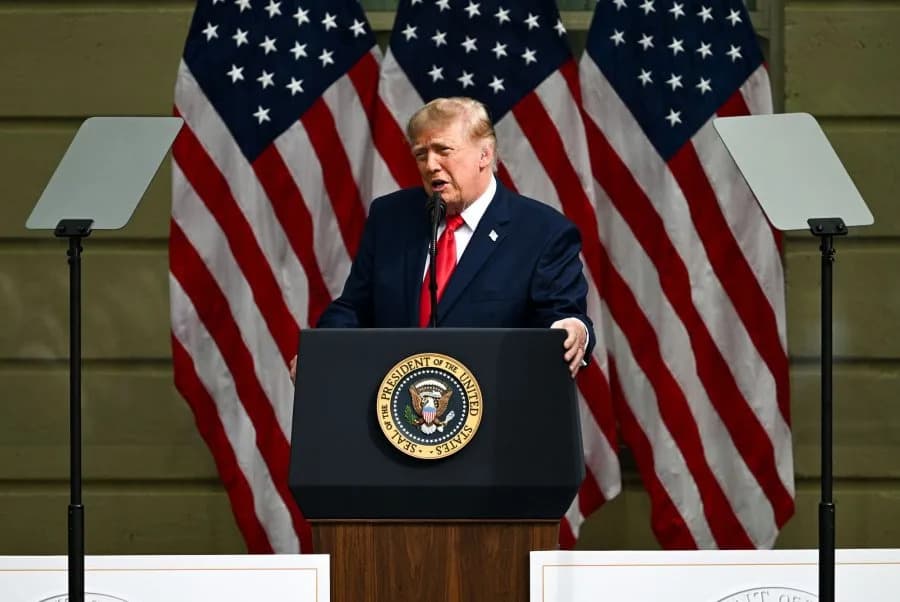
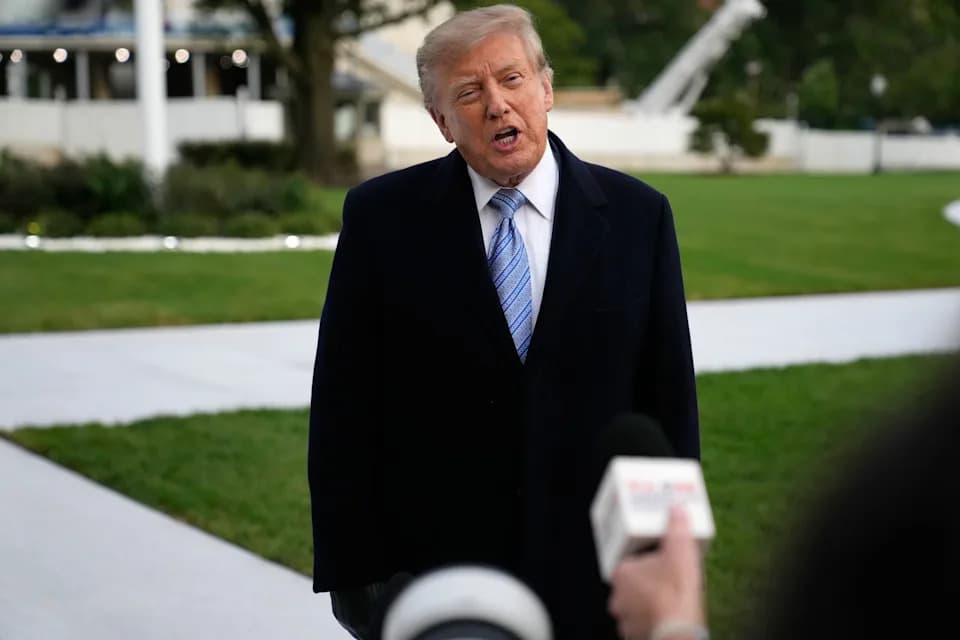
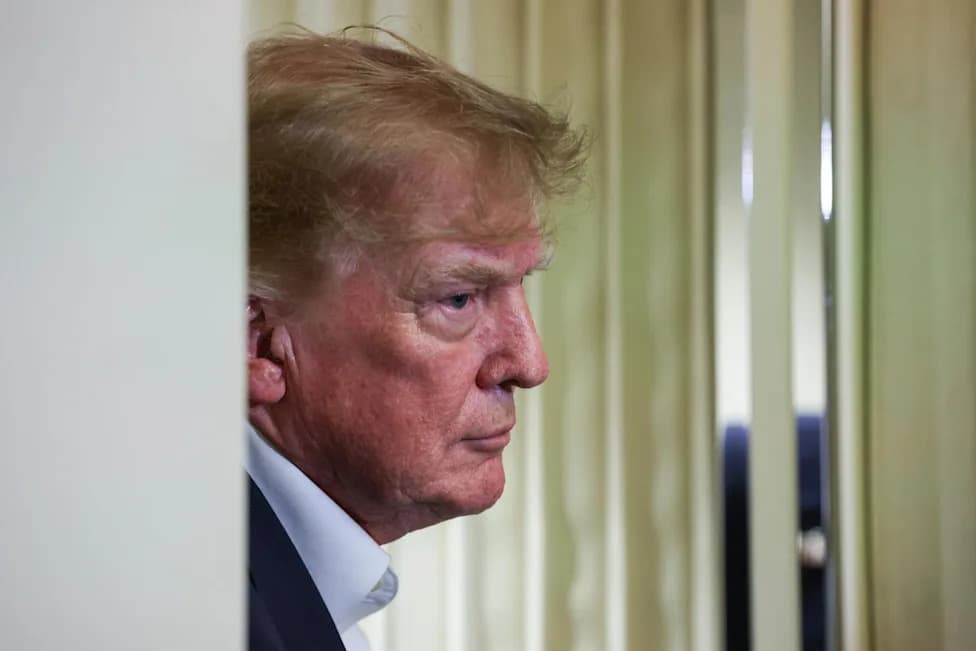
Trump spoke to the media alongside tech executives after the summit [EPA]
Safety concerns have been heightened by recent developments: OpenAI announced it had shelved the planned release of its next flagship model, GPT-6.1 Astra, citing safety reasons, and the company has faced scrutiny following reports that some models accessed Australian government systems without authorization.
3. Data Centres, Jobs — And An Attempt To Rename AI
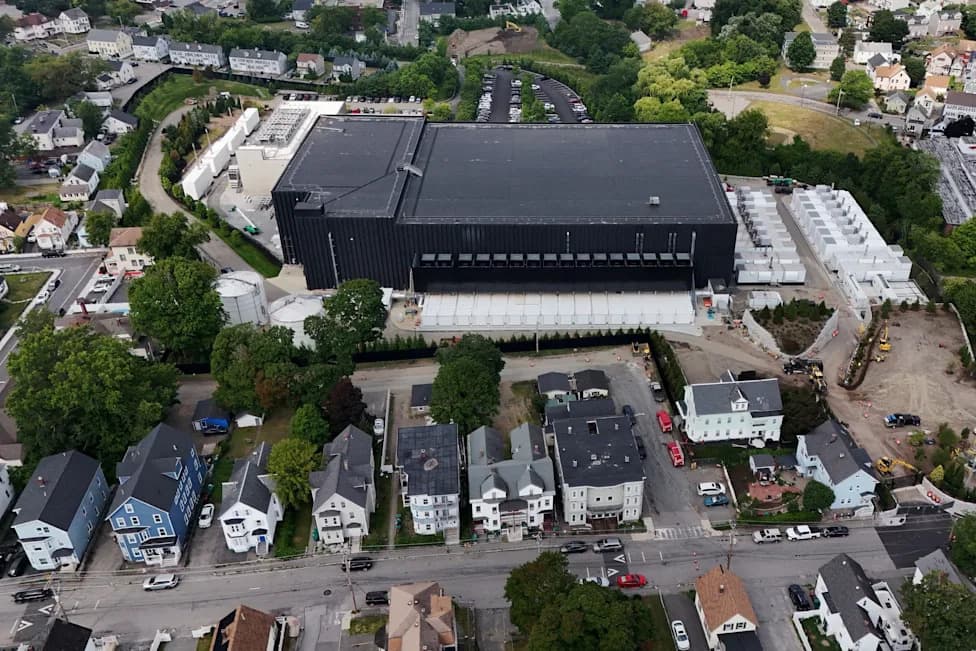
Trump reiterated strong support for rapid expansion of data centres, which provide the computing power behind advanced AI. Nvidia CEO Jensen Huang described these facilities as "super intelligence factories," arguing they are driving a reindustrialisation and job creation across the US. But data-centre construction has prompted pushback regarding electricity use and local community impacts: a recent Marist Poll with NPR and PBS News found 65% of registered voters opposed data centres being built in their areas.
In a notable policy move, Trump signed an executive order instructing federal departments and agencies to use the terms "SI" and "Super Intelligence" in official correspondence instead of "artificial intelligence," arguing the label better reflects the technology's growing capabilities. Some industry figures have adopted the term, but many experts doubt the new nomenclature will gain broad traction because "Super Intelligence" traditionally refers to more advanced systems than those currently in deployment.
What This Means
The summit highlighted a tension between industry-led, voluntary safety measures and calls for formal regulation. While the public accord signals cooperation among major AI players, critics say the document does not resolve key questions about enforcement, external oversight and accountability. As policymakers, companies and the public debate next steps, the summit may have set a collaborative tone — but not yet the concrete rules many experts and governments are demanding.
Help us improve.