The civil lawsuit alleging a 2024 gang rape at Cornell has renewed national concern about sexual violence on college campuses. The complainant says she was drugged with ketamine and assaulted by seven members of the Chi Phi fraternity during the campus "red zone." Cornell temporarily closed the fraternity chapter and suspended students, though the district attorney initially declined to prosecute; the case was later reopened after the civil suit. New York's governor has pledged to close a voluntary-intoxication legal loophole and named a special prosecutor, while advocates call for better sex education and stronger protections for those who report abuse.
Civil Lawsuit Over Alleged Cornell Gang Rape Sparks Fresh Outrage Over Campus Sexual Violence
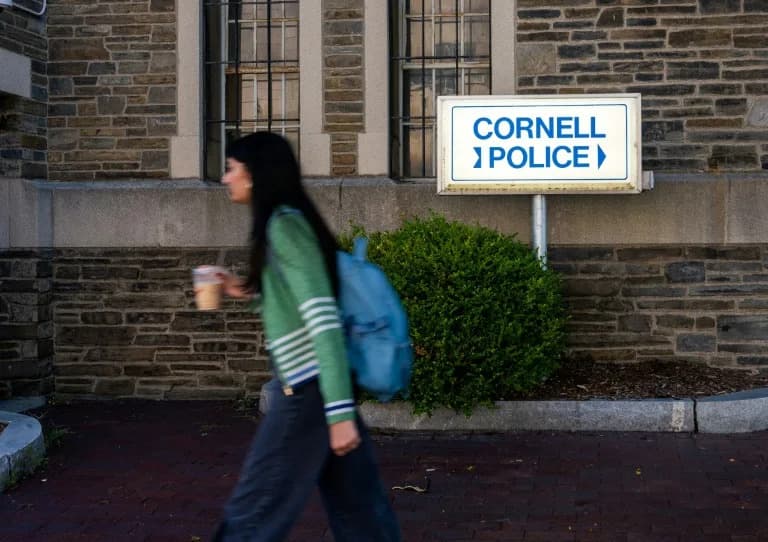
An alleged gang rape at elite Cornell University has highlighted how sexual violence is handled on US college campuses (SPENCER PLATT)
An explosive civil lawsuit alleging a 2024 gang rape at Cornell University has reignited national debate about sexual violence on US campuses and how colleges respond to reports of assault.
The complainant alleges she was drugged with ketamine and then sexually assaulted and raped by seven members of the Chi Phi fraternity, a male social organization at the Ivy League university. Activists describe the timing as within the campus "red zone," the opening weeks of the academic year when a disproportionate number of assaults are reported, often after parties where alcohol or drugs are present.
Research underscores the scale of the problem: a 2020 survey by the Association of American Universities estimated that roughly one in four female undergraduates, and one in 14 male undergraduates, experience rape or sexual assault during college. Mental health nonprofit The Jed Foundation has also found that men who join fraternities are more likely than their peers to commit sexual violence, while sorority members face a higher statistical risk of being victimized than non-affiliated students.
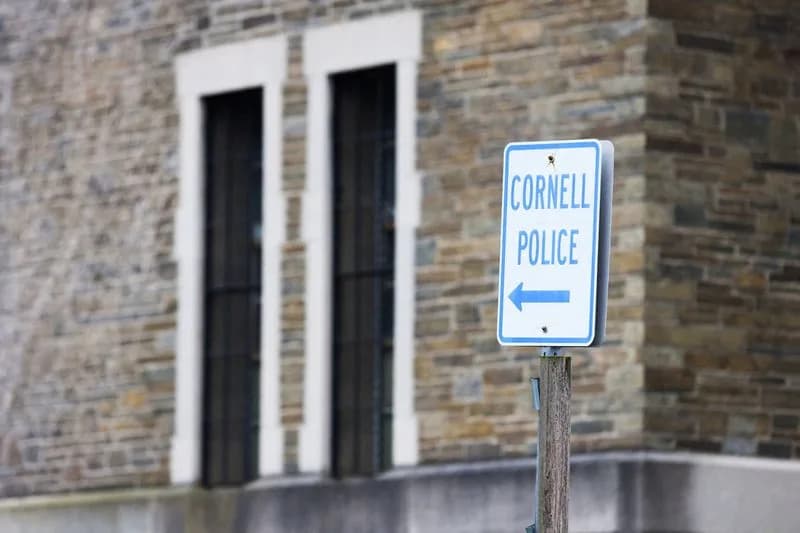
After the initial 2024 allegations, Cornell temporarily closed the Chi Phi chapter and suspended the students named in the complaint; several of the accused were later expelled. The local district attorney initially declined to prosecute, saying the victim's police testimony did not demonstrate a lack of consent. The civil lawsuit subsequently prompted renewed scrutiny and led to the reopening of the investigation amid criticism that both prosecutors and the university failed to hold the alleged perpetrators fully accountable.
Institutional Concerns and Legal Questions
Observers and advocates point to recurring patterns at universities: fraternity networks can carry social influence and alumni ties, which may reduce the likelihood of severe institutional penalties. Jennifer Freyd, a psychology professor at the University of Oregon, said the Cornell response is "so typical of other universities" and called for stronger institutional protections for students who come forward.
"That doesn't mean accepting allegations without investigation, but it does mean treating them seriously and recognizing the courage involved," Freyd said.
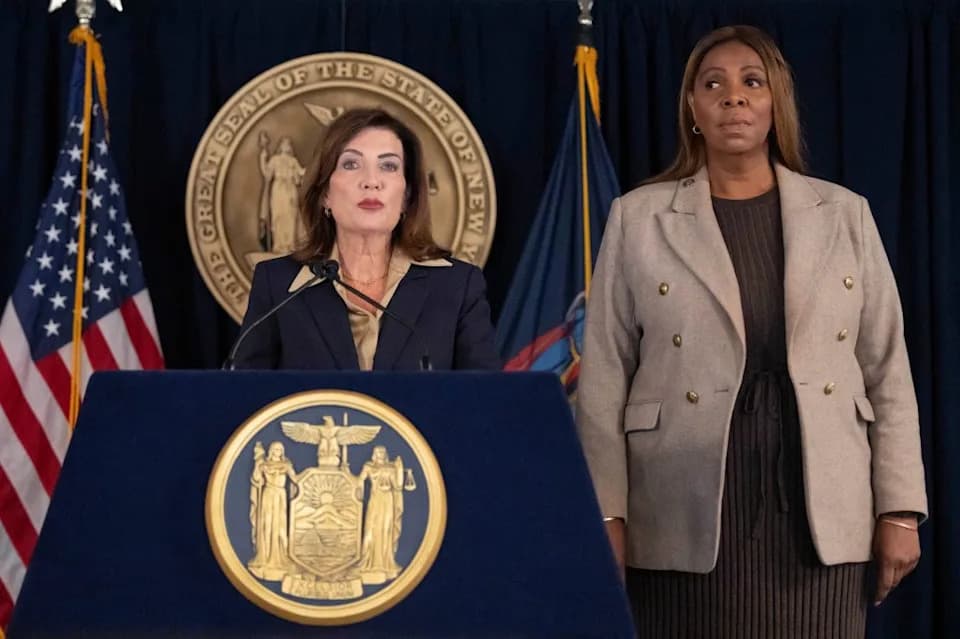
A further complication is a legal provision in New York and several other states that can make prosecution harder when an accuser was voluntarily intoxicated. In response to public outrage, New York Governor Kathy Hochul has pledged to work with legislators to close that loophole. Hochul also named Attorney General Letitia James as a special prosecutor in the Cornell matter.
Shiwali Patel of the National Women's Law Center urged both legal reform and improved prevention efforts. "One of the most effective ways of prevention is comprehensive, age-appropriate sex education from a young age that includes conversations about consent," Patel said, noting that such reforms have not been implemented widely enough.
Looking Ahead
The Cornell case has catalyzed calls for legal changes, better campus policies, and more robust supports for survivors and whistleblowers. Whether it will lead to broader systemic change remains uncertain, but the renewed public attention has already prompted political and institutional responses.
Help us improve.